
Stitch Fix is facing a challenging road ahead, revealing in its latest financial update that it no longer expects its number of active clients to rise in fiscal 2027. Executives told analysts on Wednesday that the company’s future sales will inevitably suffer from starting off fiscal periods with a smaller base of active customers. Compounding the issue, customer acquisition costs spiked significantly toward the end of the fiscal year, presenting a persistent hurdle for the personalized apparel retailer as it navigates a shifting macroeconomic landscape.
The updated projections mark a sobering reality check for a company that has spent the last three years executing a rigorous operational overhaul. CEO Matt Baer, who took the helm after serving as Macy’s digital chief, has worked steadily to restructure the business model and stabilize its foundational operations since his arrival.
Reflecting on the broader economic pressures impacting the business, Baer pointed directly to the strained financial climate. "Our outlook reflects a more challenging consumer environment," Baer told analysts during the earnings call. "While these conditions affect our near-term outlook, they do not change our strategy or the opportunity ahead. When clients are more intentional about what they buy, the value of a personalized service that makes each purchase more relevant becomes even clearer."
Despite the cautious guidance, financial observers acknowledge that the company Baer inherited is fundamentally different from the one he manages today. William Blair analysts, led by Dylan Carden, noted in a Thursday research note that Baer’s tenure has overseen a turnaround that "has created an altogether healthier, more dynamic business than what was inherited."
At the same time, Carden emphasized that the revised 2027 outlook reflects "a clear setback in confidence" regarding the company’s trajectory. "Most notably, active customer growth remains elusive," he added, pointing to a persistent sticking point that has long plagued investors and market watchers alike.
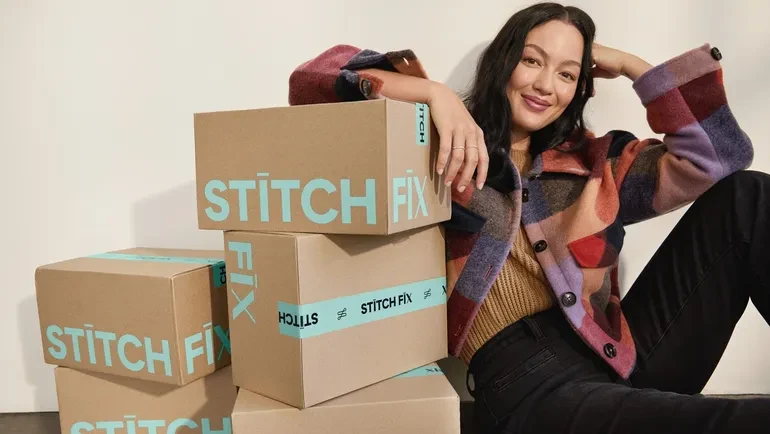
The unique Stitch Fix model combines algorithmic curation with human oversight, sending curated boxes of apparel to subscribers either on an intermittent schedule or via regular deliveries. Customers also have the option to purchase individual items à la carte, utilizing guidance from professional stylists alongside digital tools. As performance metrics have stabilized under Baer’s leadership, skepticism surrounding this personalized styling model has noticeably waned across the retail sector. In fact, Baer noted that the company has successfully captured market share, citing recent data from market research firm Circana.
Yet, Wall Street remains divided on how quickly the retailer can translate operational health into sustainable, long-term top-line expansion. While recognizing that certain company initiatives are bearing fruit, UBS analysts led by Jay Sole argued in a Thursday research note that Stitch Fix still has significant hurdles to clear given its ongoing struggles to expand its regular customer base.
"To drive sustainable revenue growth over the long term, the company needs to grow its active client count," Sole stated, highlighting the fourth-quarter decline in active users. "We lack conviction active client count will improve in the near term."
Amid these broader customer acquisition hurdles, Stitch Fix has found unexpected tailwinds in emerging consumer lifestyle shifts. The company has notably benefited from the widespread surge in the usage of weight-loss medications. Baer highlighted that Stitch Fix’s team of human stylists has played an instrumental role in helping clients completely overhaul their wardrobes as their bodies rapidly change.
In addition to supporting customers through major physical transitions, stylists have adapted to tightening household budgets. As customers face financial squeezes driven by rising costs across everyday living expenses, Stitch Fix’s styling teams have actively worked with clients to curate functional, stylish wardrobes that fit more conservative price points.
Looking toward the future, technology remains a foundational pillar for Stitch Fix, supported by what company executives describe as a rich trove of proprietary customer data. The retailer plans to implement incremental investments in artificial intelligence to further streamline operations and enhance product matching. However, leadership maintains that the human touch remains the company’s definitive differentiator, gaining even greater importance in an increasingly automated world.
According to Baer, the proliferation of artificial intelligence across daily consumer experiences makes genuine human connection a rare and highly valued commodity. "As more and more interactions for all consumers generally are taking place by AI… human connection becomes the scarce resource," Baer said. "We are the only retailer out there that has continued to invest in this human connection in a meaningful way, such that we can serve our clients uniquely, and we believe that will become an even greater competitive advantage for us in the future."