
Back in February 2025, the stock market put the finishing touch on a multi-year climb before stepping onto a wild roller coaster ride. Since then, it has experienced some of the steepest drops and recoveries in history, plunging a full 20 percent at its lowest point while somehow managing to climb back near its peak.
Although stock market volatility does not always come with a clearly labeled explanation, this time the catalyst appears unmistakable: tariffs. As the global financial world has been whipped around like a circus tent in a hurricane over the past several months, stakeholders across the country have been left wondering what to make of the turbulence.
As the situation continues to unfold, the ultimate outcome of the worldwide tariff and trade battle unleashed by the administration remains uncertain. However, the early results are already visible across the economy. Businesses are actively bracing for massive operational changes, currencies and interest rates are reacting in real time, and everyday investors are questioning what the future holds for their long-term savings and retirement funds. Among everyday citizens, reactions run the gamut from viewing the disruptions as a temporary non-issue to fearing catastrophic economic consequences.

To understand the reality behind the rhetoric, it is necessary to examine the fundamental mechanics of trade policy and how these measures ripple through the broader economy.
What is a Tariff?
A tariff is essentially a sales tax levied by a government on goods imported from abroad. These taxes are paid directly by the importing entity—whether that is an individual consumer purchasing an e-bike online directly from an overseas manufacturer, or major corporate retailers like Amazon, Walmart, or Apple bringing in products by the shipload.
Ultimately, these costs are not absorbed by foreign nations or the importing corporations; they are passed down directly to the end consumer. If a retailer faces higher acquisition costs due to import duties, prices on store shelves will inevitably rise to preserve profit margins. Tariffs also impact corporate operations and infrastructure development. When a major home improvement retailer needs to build a new outlet or an energy company requires a new drilling rig, tariffs on imported steel, copper, lumber, and countless other components drive up the cost of construction projects. These increased material costs subsequently flow into the housing market, as residential construction relies heavily on globally sourced building materials.

On average, tariffs function identically to a broad-based sales tax, resulting in higher prices across the board. Just like traditional taxes, the overarching macroeconomic effect is to slow economic activity and reduce consumer spending power. On the fiscal side, the revenue generated flows directly into government coffers, which can theoretically help fund national budgets or reduce deficits.
Governments certainly require tax revenue to function effectively, typically relying on a balanced mix of sales, income, and corporate taxes. Economists generally agree that tax levels should remain as low as possible while adequately funding public services, and they must be fair and predictable to incentivize labor and allow businesses to plan for the future. The current tariff regime, however, relies heavily on unpredictable, rapidly fluctuating threats and high rates announced on an almost daily basis.
Is There a Good Side to Tariffs?
Governments occasionally implement tariffs to protect domestic industries from foreign competition. For instance, placing a tax on imported vehicles grants domestic manufacturers a competitive advantage, allowing them to capture more market share and increase profits. While consumers typically suffer from higher prices and reduced product selection, domestic auto manufacturers and their employees benefit from the protected environment.

Such measures can serve strategic national security purposes, such as imposing taxes on foreign aerospace components to ensure domestic defense contractors remain viable. Alternatively, they can stem from political lobbying, where industries push for protective barriers to safeguard profit margins at the expense of the broader public.
This approach is not isolated to a single political party. Past administrations from both sides of the aisle have utilized tariffs to appeal to specific voting blocs. One notable example includes taxes placed on imported solar panel components, which have subsequently faced further increases. Critics argue that blocking cheap energy infrastructure makes little economic sense, as affordable energy lowers the cost of living for everyone while boosting industrial competitiveness.
Can Tariffs Bring Us More Jobs?
Examining the mechanics of trade protectionism reveals a complex trade-off. Consider a hypothetical substantial tax on imported automobiles. At a high enough price point, many consumers will shift their purchasing habits toward domestic alternatives to save money.
In response to increased demand, domestic automakers may boost sales, hire additional personnel, construct new manufacturing plants, and invest in new technologies. This outcome can create a localized economic boom and foster advanced skill development within the workforce.
However, this localized boom comes at a cost borne by the rest of the economy. Consumers pay higher prices for vehicles, which in turn increases operating costs for commercial delivery fleets and logistics companies, leading to higher prices for everyday goods. Furthermore, shielded from fierce international competition, domestic companies may lose their incentive to innovate and streamline operations, leading to slower long-term efficiency gains. This economy-wide friction is why most economists advise that tariffs be deployed sparingly, as they typically decrease overall employment and slow economic momentum unless justified by vital national security interests.
The Economic Impact and Market Reactions
Public pronouncements surrounding tariffs often focus on first-order effects—such as domestic manufacturing job growth—while overlooking the broader, efficiency-reducing consequences for the rest of the economy.
Market reactions have provided a clear barometer of how business leaders and investors view these policies. When high tariff rates are announced, share prices routinely drop as investors anticipate reduced corporate earnings. Conversely, when tariffs are paused or scaled back, share prices rebound.
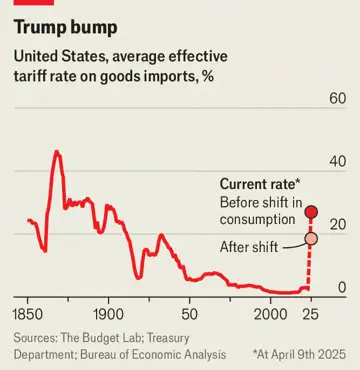
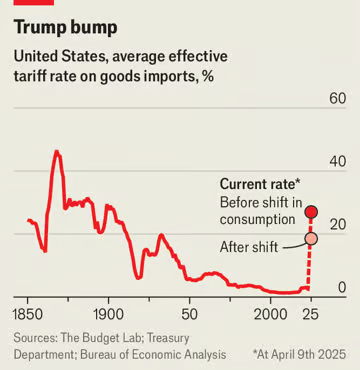
Despite the turbulent rhetoric, the modern U.S. economy has historically been built on very low tariffs and relatively free trade. Although recent policy proposals have floated extreme numbers, the structural reality of global supply chains means that policy shifts take time to materialize on store shelves.
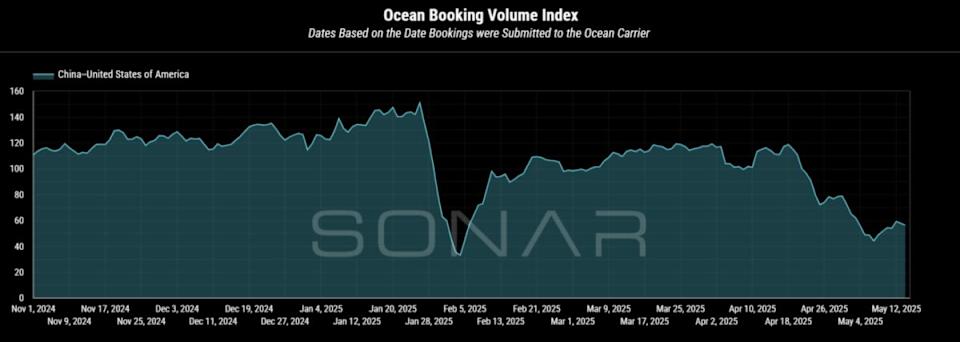
The U.S. economy functions much like a massive cargo ship: it carries substantial inventory and requires significant distance to change direction. When trade tensions escalate, businesses often stockpile imported goods in advance, cushioning consumers from immediate price shocks. However, as sustained drops in import volumes deplete these stockpiles, potential shortages and price increases become more probable. While consumers can easily absorb temporary shortages of non-essential novelty items, restricted access to critical tools, machinery, and industrial components carries far more severe economic implications.
Scenarios for the Future
Economic uncertainty naturally gives rise to multiple potential outcomes as trade disputes evolve.
In one scenario, high tariff rates remain permanently in place. While considered less likely due to broad economic resistance, such an outcome would likely trigger sustained inflation, retaliatory measures from international trading partners, and a prolonged restructuring of global supply chains as companies scramble to onshore production capacity at a high capital cost.
In an alternative scenario, tariffs function primarily as a negotiating tactic, eventually giving way to a return to low tariffs and stable trade agreements. Proponents of this view argue that the fundamental drivers of modern prosperity rely on open borders, minimal trade restrictions, and collaborative international commerce. Just as domestic commerce thrives across open interstate borders, friendly nations benefit from the unfettered exchange of goods and services.

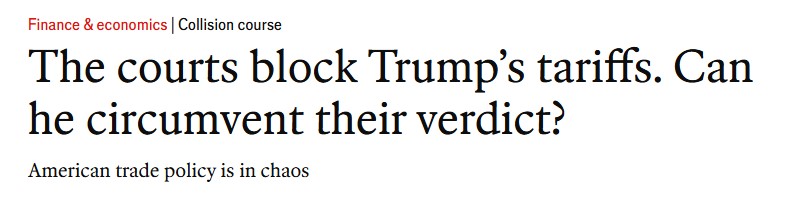
As legal challenges continue to play out in the court system regarding executive authority over trade policy, the ultimate resolution will depend on the resilience of institutional checks and balances. For long-term investors, maintaining a steady course through market volatility remains a common strategy, as history suggests that trade disputes eventually yield to economic reality.