
The staggering financial boom surrounding artificial intelligence infrastructure is running headlong into a series of massive real-world obstacles. While headlines frequently highlight the trillions of dollars pouring into generative AI development, the physical foundations required to power these systems are facing unprecedented friction. Across the United States, the data center gold rush is encountering widespread local opposition, complex permitting delays, and an extraordinary scramble for electricity that is testing the limits of regional power grids.
However, long before these operational challenges even come into play, industry insiders point to a much more fundamental and immediate problem: a significant portion of the massive data center projects currently being announced by corporations and developers may never actually get built. With billions of dollars in AI infrastructure investments at stake, the ability to separate realistic, viable developments from speculative announcements has become critically important for investors, utility companies, and policymakers alike.
To unpack this shifting landscape, a recent episode of TechCrunch’s flagship Equity podcast took a deep dive into the mechanics of the AI infrastructure boom. Hosts Rebecca Bellan and Tim De Chant were joined by Brent Nelson, senior managing director of markets and strategy at Ascend Analytics, to discuss the filtering process required to distinguish between concrete data center proposals and speculative pipe dreams that are unlikely to ever break ground.
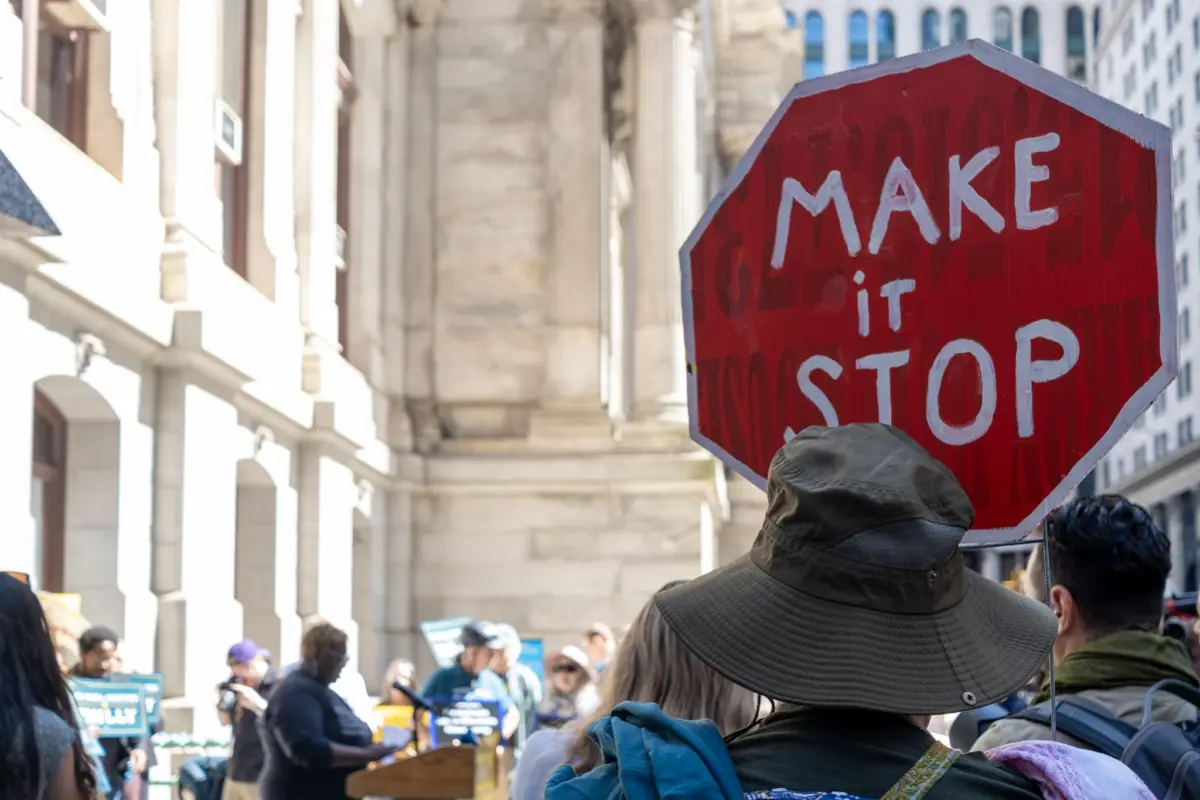
The pressures facing the sector are multi-layered and compounding. In recent months, regional strains have transitioned from theoretical worries to active policy interventions. For instance, regulatory developments in major technology hubs like Texas—where state leadership has pumped the brakes on new data center hookups amid growing demands for comprehensive grid audits—highlight how quickly local political and infrastructural realities can disrupt corporate plans. Power grid operators across the country are sounding alarms, warning that the exponential energy demands of modern data centers risk destabilizing regional electricity supplies unless managed with extreme caution.
Yet, even before developers can secure a connection to an already overburdened power grid or navigate the intricate web of municipal zoning boards, they must clear financial and strategic hurdles that weed out a substantial percentage of announced projects. The sheer volume of press releases trumpeting multi-billion-dollar data center campuses often masks the underlying reality of speculative land-banking and early-stage posturing. In many cases, announcements serve as a mechanism to signal intent to investors or lock down prospective sites before the hard work of securing actual power purchase agreements, water rights, and long-term financing has even begun.
This phenomenon has created a complex sorting problem for energy markets and financial institutions. Ascend Analytics, where Nelson serves as a senior leader, specializes in analyzing the intersection of energy markets, renewable integration, and resource planning. Through the lens of market strategy, the firm evaluates how power systems can absorb massive new loads without collapsing. During their conversation on Equity, Bellan and De Chant explored these themes with Nelson, drawing on his expertise to illuminate how grid planners and energy market experts separate credible infrastructure plays from speculative ventures.
The discussion underscores a broader reality check currently sweeping through the technology and finance sectors. As the initial euphoria surrounding generative AI matures into a hard-nosed assessment of capital expenditures and operational return on investment, stakeholders are demanding greater clarity. Building a modern AI data center is no longer just about securing a large tract of land and a server manufacturer; it requires navigating an increasingly hostile landscape of resource scarcity, environmental scrutiny, and regulatory pushback.
For listeners looking to follow these developments and stay informed on the rapid evolution of technology and climate intersections, TechCrunch’s Equity podcast continues to provide deep coverage of the venture capital, startup, and AI ecosystems. Hosted by journalists like Bellan, who covers the business and policy trends shaping AI, and De Chant, a senior climate reporter specializing in the intersection of technology and the environment, the show frequently tackles the complex systemic challenges underlying the tech industry’s biggest headlines.
As the race to build the infrastructure of the future continues, the ability to look past the hype and evaluate the underlying viability of these mega-projects will remain one of the defining challenges for investors and industry analysts alike. The data center boom is undoubtedly real, but the landscape of what will ultimately survive from blueprint to brick-and-mortar is narrowing by the day.