
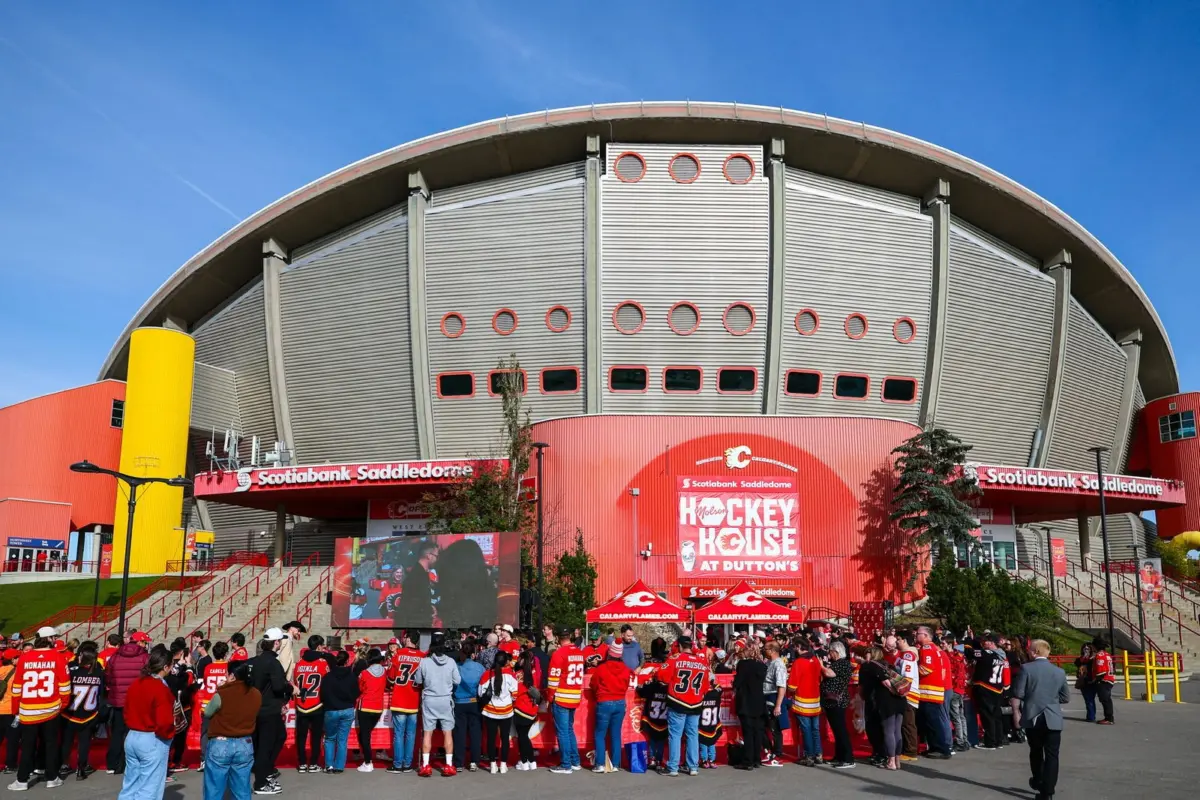
As the Calgary Flames prepare to drop the puck on the 2026-27 NHL season, a heavy sense of history hangs over the franchise. This campaign marks the final farewell to the historic, saddle-shaped arena that has housed the team for decades. But even as fans prepare to say goodbye to the storied building affectionately known as the Saddledome, the reality of the team’s current sporting landscape suggests that the final chapter inside the iconic venue will be a challenging one.
The Flames remain deeply entrenched in a comprehensive organizational reset. While the dark days of stripping the roster down to the studs are largely in the rearview mirror—with high-profile veterans like Nazem Kadri, Blake Coleman, Rasmus Andersson, and MacKenzie Weegar having been traded away over the past several seasons—the franchise is far from a finished product. Instead, Calgary has entered a new, highly anticipated phase of its rebuild: a developmental proving ground centered around a wave of young players who must now prove they deserve to be core pieces of the team’s long-term future.
Because youth inherently brings volatility, the upcoming season is widely expected to be another long and arduous year for the franchise. The inevitable inconsistency of an inexperienced roster will likely result in plenty of hard nights, tough lessons, and narrow or lopsided defeats. General manager Craig Conroy has been proactive and shrewd in reshaping the talent pipeline—most notably through savvy acquisitions like young defenseman Simon Nemec from the New Jersey Devils—yet front-office leadership is acutely aware of the obstacles ahead. Growing pains are an essential, unavoidable part of the process as management and coaching staff alike work to separate the long-term assets from the rest and discover who can truly handle the rigors of the NHL.
For Flames fans, this creates a psychological fork in the road. It is entirely possible to view the 2026-27 season through a pessimistic lens, anticipating another tough campaign dwelling near the basement of a fiercely competitive Pacific Division. Alternatively, supporters can embrace a more optimistic outlook, treating the year as a vital evaluation period where raw, unproven talent is given the green light to step up, claim expanded roles, and begin turning potential into production.
Patience Required as Youth Takes Center Stage
Patience will remain the ultimate virtue for both the Calgary faithful and the front office. The organization’s top pick in the recent NHL entry draft, a dynamic and slick-skating blueliner named Carson Carels, is taking the traditional developmental route to the NCAA with the University of North Dakota rather than jumping straight to the professional ranks. This methodical approach underscores the reality that sustainable success cannot be rushed.
However, there is genuine, legitimate talent bubbling within the Flames’ system. If fans choose to focus on the positive indicators, this season could offer the rewarding experience of watching youngsters establish themselves as foundational answers to the team’s long-standing puzzle.
That wave of emerging talent begins prominently on the blue line with Nemec. Still just 22 years old, the young defenseman spent much of his early career blocked by a heavy logjam of veteran talent in New Jersey. Despite those developmental hurdles, Nemec flashed significant offensive and defensive upside last season, managing to put up 11 goals and 26 points across 68 games. Under the guidance of head coach Ryan Huska, Nemec is expected to receive every possible opportunity to blossom into an elite, two-way force who can anchor Calgary’s defense for the next decade.

Up front, the spotlight will shine brightly on winger Matt Coronato. Now 24 years old, Coronato experienced a slight statistical dip last season, posting 18 goals and 45 points—a modest regression from his encouraging 24-goal, 47-point campaign in 2024-25. Development in the National Hockey League is rarely a straight upward trajectory, and both Huska and Conroy understand the importance of handling Coronato with care as he works to refine his game and find consistency at the highest level.
Between the pipes, star goaltender Dustin Wolf faces a crucial campaign of course-correction. Wolf is looking to rebound from a tougher 2025-26 season that saw his save percentage dip to .899, a notable step back from the promising .910 mark he posted the year prior. The 25-year-old netminder has shouldered a massive, demanding workload over the past two seasons, appearing in a combined 110 regular-season games behind a frequently porous Flames defense that often left him under siege. While Wolf could only do so much to mask team-wide defensive deficiencies, the elite tracking and dominance he displayed during his first full professional season remain the standard that the Calgary brass expects this new generation of the team to build around.
The Role of the Veterans
While the ultimate future of the franchise rests on the shoulders of its youth, the Flames are not entirely without veteran leadership. Forward Jonathan Huberdeau remains a lightning rod for scrutiny due to his massive, long-term contract, but he continues to act as a consummate professional who handles the heavy spotlight with class and represents the organization with pride.
That steady veteran presence is echoed throughout the locker room by team captain Michael Backlund, winger Joel Farabee, and centers Morgan Frost and Ryan Strome. These established players provide a necessary stabilizing force, setting the daily standard for work ethic and preparation in a rebuilding environment.
Yet, the cold math of hockey operations dictates that by the time this current Calgary roster evolves into the year-in, year-out Stanley Cup contender that the fanbase is desperately craving, many of these veteran leaders will likely have moved on via trades, retirement, or the natural progression of time.
Looking Toward the Future
All signs point toward another challenging winter in southern Alberta. But for the first time in years, there is a tangible, discernible light at the end of the developmental tunnel. When the Flames finally bid farewell to the Saddledome and officially move into the state-of-the-art Scotia Place arena at this time next year, supporters will be looking for clear, undeniable evidence of the structural foundation of a true contender.
The organization is getting there, step by deliberate step. The 2026-27 season will undoubtedly feature its share of frustrating moments, growing pains, and difficult nights for the team and its supporters. Yet, how the young roster responds to the intense competitive opportunities placed right in front of them will go a long way toward cementing the Flames’ new identity—and proving to the broader hockey world that the pain of the rebuild was ultimately worth it.