
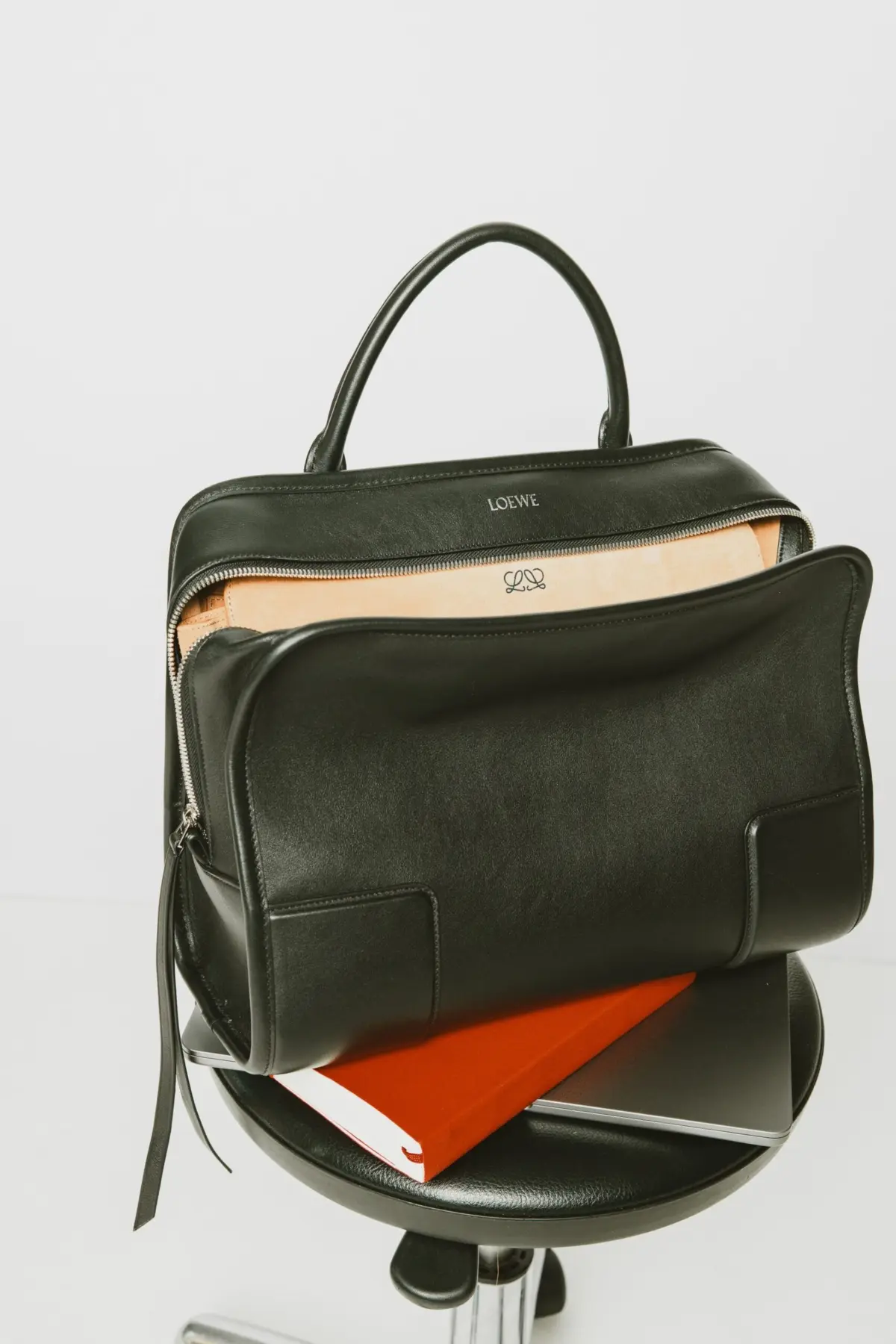
Few fashion purchases carry as much weight, both literally and financially, as a designer handbag. The right piece has the unique capacity to anchor an entire outfit, serve as a daily fixture on morning commutes, and, in many cases, retain its financial value long after the initial checkout. Yet, in a contemporary luxury market where a new "It" bag seems to emerge with every passing season or every casual scroll through a social media feed, figuring out which styles are truly worth the investment is rarely straightforward.
Fashion history offers vital clues for those looking to make sound investments. Some of today’s most coveted bags have maintained their cultural relevance for decades. Gucci’s iconic Jackie traces its roots directly back to the 1960s, while Dior’s Lady Dior became a lasting symbol of 1990s style thanks to its close association with Princess Diana. Similarly, Fendi’s Baguette has successfully outlived its early-aughts heyday, finding a passionate new generation of fans more than two decades later. Their enduring appeal speaks volumes about the power of exceptional design—the kind that effortlessly transcends changing tastes, evolving fashion trends, and frequent creative director shake-ups.
Beyond the initial buzz and marketing hype, the most promising designs share several common characteristics: practical proportions, distinctive details, and remarkable versatility. These attributes become all the more crucial when considering a four-figure purchase. The best designer handbags should fit seamlessly into an existing wardrobe rather than demanding an entirely new one. They should be flexible enough to carry everywhere from formal dinners to busy workdays and casual weekend errands, beautifully crafted to withstand years of regular wear, and stylish enough to elevate even the simplest outfits.
Whether a buyer is drawn to a heritage house signature or a less ubiquitous modern creation, understanding which bags are worth getting to know—and keeping close for years to come—requires looking past momentary trends.
The Evolution of the Boho Aesthetic: Chloé Paddington
The Paddington was the defining bag of the mid-2000s, instantly recognizable for its slouchy shape and oversized padlock hardware. Worn by nearly every prominent style icon of the era, it defined a definitive chapter of bohemian glamour. The cult favorite later returned under the creative direction of Chemena Kamali, who revived the padlock-topped icon in a variety of fresh sizes and colors. Today, it bridges the gap between nostalgic throwback and contemporary staple.
The Noughties Throwback: Balenciaga Le City
Balenciaga’s Le City bag was a favorite of noughties celebrities, capturing the effortless, lived-in aesthetic of the decade. The bag made a full-fledged comeback with refreshed proportions and an expanded array of colorways. Today, the archival icon endures as a house mainstay, tempting buyers in both its newly manufactured iterations and vintage styles. While many fashion enthusiasts reach for the updated models, others secure their wishlist pieces second-hand on pre-loved platforms, proving the enduring appeal of distressed, hardware-heavy leather.
The Modern Classic: Gucci Jackie
Gucci’s Jackie remains one of fashion’s true icons. Originally beloved by Jacqueline Kennedy Onassis, the hobo-shaped shoulder bag has been reissued across generations, with each wave balancing retro charm with contemporary relevance. Modern versions—sleek, compact, and available in lush seasonal hues alongside go-with-everything neutrals—ensure it remains just as covetable today as it was during its 1960s debut.
The Sculptural Pioneer: Loewe Puzzle Bag
First introduced as Jonathan Anderson’s debut bag at Loewe, the Puzzle quickly became a fashion-insider favorite due to its origami-like panels and clever, shape-shifting construction. Even as creative leadership at the Spanish luxury house has evolved, the Puzzle remains a foundational cornerstone of the brand, offered in multiple sizes and colorways, with the classic full-size editions continuing to serve as a sophisticated choice.
The Modern Muse: Miu Miu Aventure
Miu Miu’s Aventure aligns smoothly with fashion’s ongoing appetite for ladylike top handles, yet its roots run deeper into the brand’s archives. Reimagining a doctor bag first introduced in 2009, the softly structured style features curved lines, a snap-hook closure, and distinct vintage appeal. Since its modern debut, it has established itself as one of the house’s most popular silhouettes, rendered in everything from supple nappa leather to rich suede.
Architectural Innovations and Quiet Luxury
The landscape of modern designer handbags is constantly shaped by fresh silhouettes and understated craftsmanship. Prada’s architectural designs, such as the Passage, play with contrasting textures and bag-within-a-bag effects, while quietly luxurious labels like The Row offer minimalist interpretations of vintage bowling bags through styles like the Agnes. Devoid of flashy logos or heavy hardware, these pieces rely entirely on immaculate proportions and superior materials that improve gracefully with age.
Similarly, brands like Khaite with the structured Blake crossbody, and Toteme with the minimalist T-Lock bag, demonstrate that contemporary labels can create instant classics by focusing on clean lines, functional utility, and refined hardware. The Toteme T-Lock, defined by its softly structured silhouette and T-shaped clasp, has cemented itself as a modern staple embraced by both celebrities and minimalists alike.
Day-to-Night Versatility and Practical Holdalls
As consumer preferences shift toward practical luxury, spacious carryalls and adaptable day-to-night styles have surged in popularity. Coach’s Empire carryall has become a ubiquitous sight in fashion offices and airports alike, bridging the gap between aesthetic appeal and everyday accessibility. Meanwhile, established favorites such as Saint Laurent’s Le 5 à 7 offer seamless transitions from professional after-work windows to evening dinners, capturing a polished, effortless sensibility.
Heritage houses continue to lean into their most trusted travel companions as well. Louis Vuitton’s Neverfull tote remains a primary choice for frequent flyers due to its capacious interior and recognizable monogram canvas, while enduring archival pieces like the Dior Lady Dior—originally gifted to and popularized by Princess Diana—continue to command attention as symbols of historical elegance and long-term value.
Current Market Dynamics and Future Staples
Market data from industry trackers highlights the fluid nature of contemporary handbag popularity. Houses like Prada and Gucci frequently contend for top positions on global fashion indices, driven by breakout accessories such as silk duchesse pouches and reimagined heritage silhouettes. At the same time, brands like Savette and Lemaire continue to expand their offerings with relaxed top handles and sculptural, pastry-inspired crescent shapes that prioritize both comfort and distinct visual identity.
Ultimately, the current market reflects a diverse landscape where no single aesthetic dominates entirely. The most compelling styles range from softly slouching carryalls to structured top handles and fanciful evening pouches. For the discerning buyer, the smartest investment remains the handbag that integrates seamlessly into a personal wardrobe and lifestyle—ensuring it will remain a cherished companion long after seasonal trends have faded.