
The classic French braid has officially returned to the forefront of hair fashion, emerging as a defining trend for autumn. Across red carpets, television screens, and digital feeds, style tastemakers and celebrities have breathed new life into the traditional plait, cementing its status as the season’s most sought-after hairstyle.
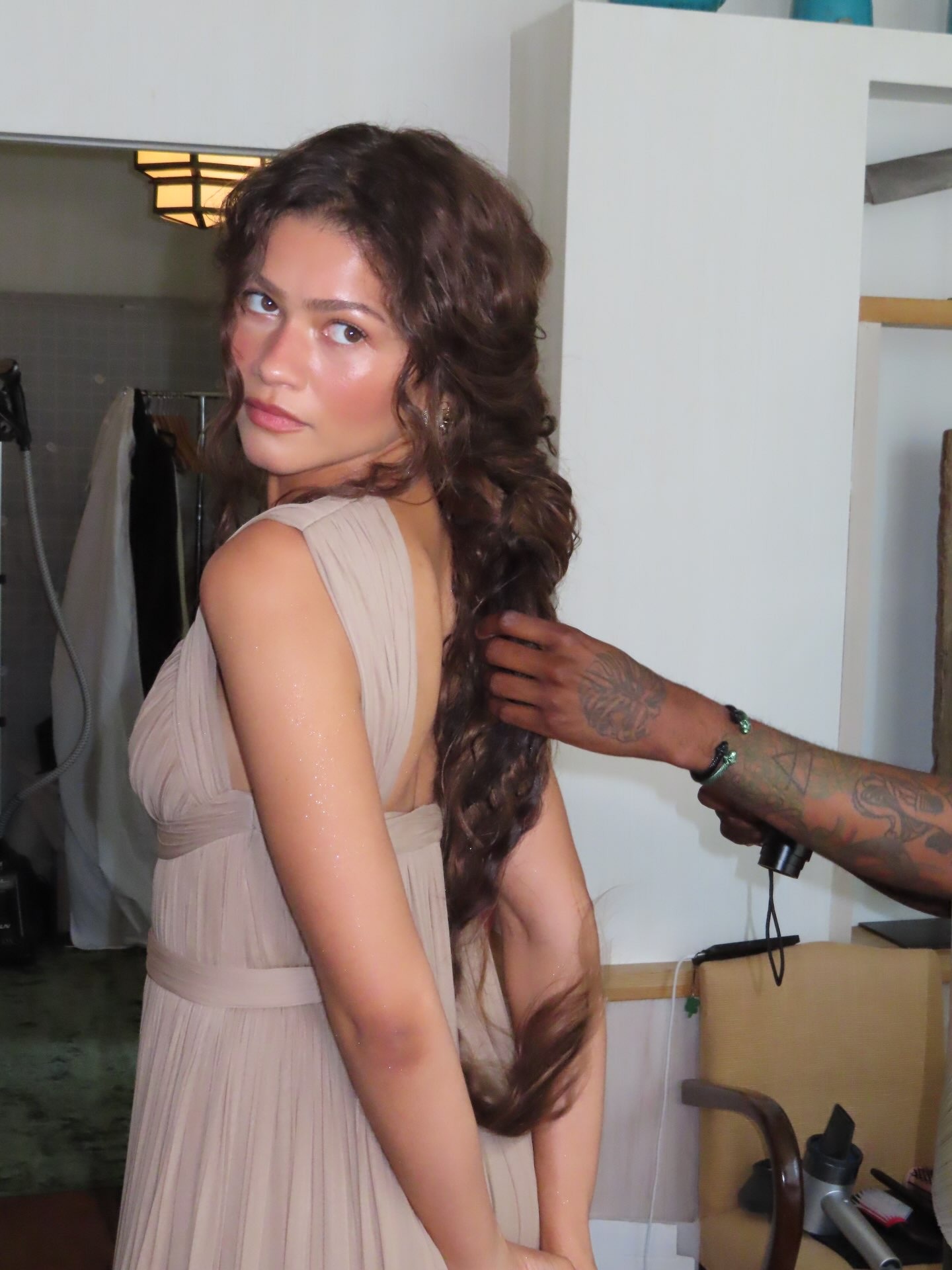
The resurgence of the look has been heavily punctuated by high-profile public appearances. Earlier, Zendaya captured attention at the premiere of The Odyssey wearing an ethereal, Athena-inspired fishtail braid crafted by hairstylist Coree Moreno. Shortly after, actor Ella Rubin debuted a striking French braid for Sterling Point, followed closely by supermodel Gigi Hadid, who was spotted wearing the classic hairstyle in public. These varied iterations underscore a broader cultural shift back to intricate, structured braiding techniques as the weather shifts.
Despite its enduring association with European aesthetic history and its conventional moniker, the French braid does not actually originate from France. Historical and anthropological evidence indicates that the earliest depictions of hair braiding have deep roots in North Africa. Ancient stone paintings document braiding techniques dating back thousands of years, which historically served as visual markers of age, personal identity, social rank, and marital status. The specific weaving technique known in modern Western culture as the "French braid" was subsequently popularized through Western media during the 19th century.
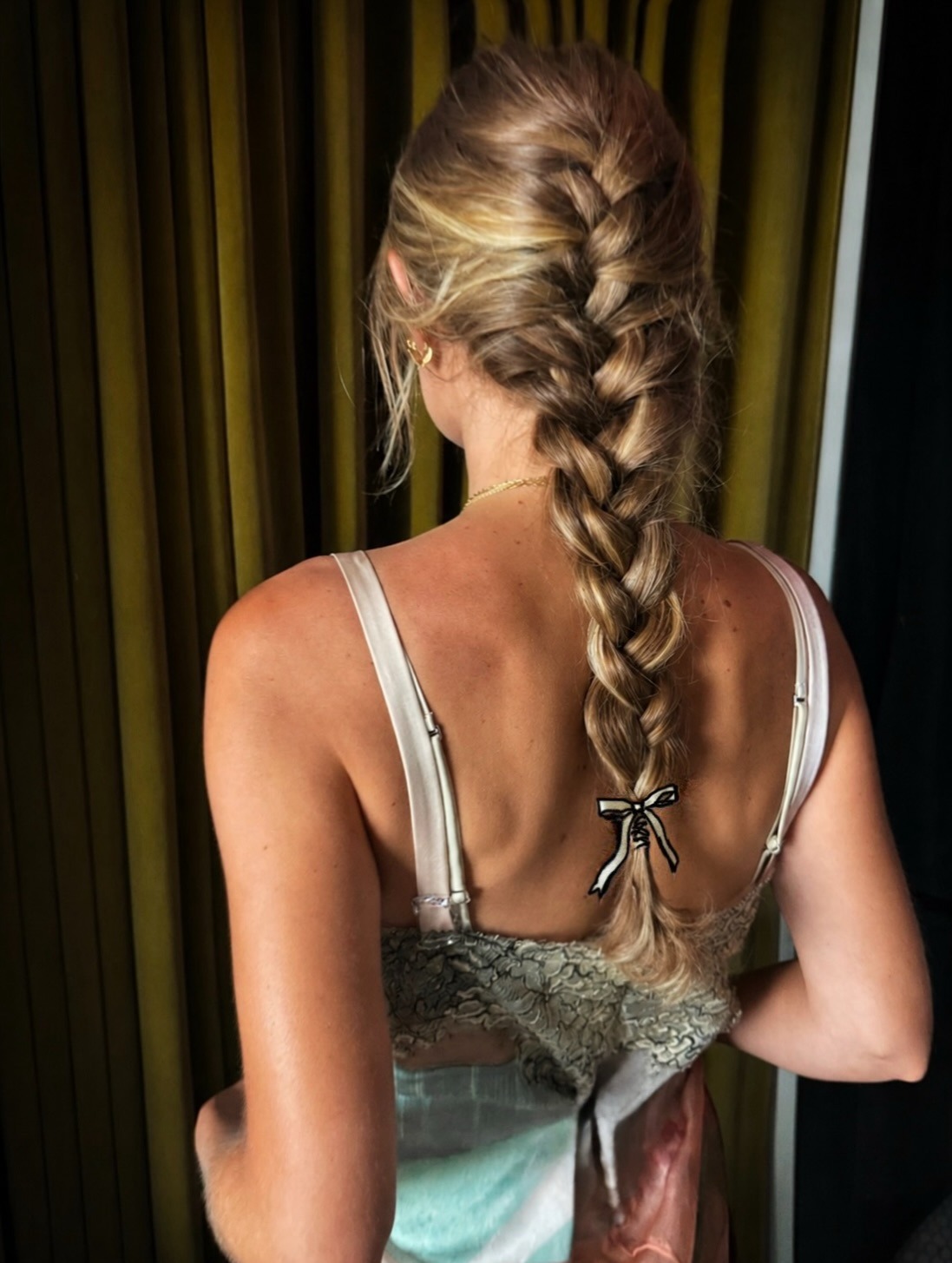
The technique itself relies on a specific three-stranded framework that begins at the crown of the head and progressively weaves downward. As the plait moves along the scalp, small sections of hair are gradually integrated into each main strand. In a traditional French braid, the outer sections cross over the middle strand in an alternating left-to-right pattern, allowing the overall plait to sit flat and close to the head. This distinguishes it from a Dutch braid, where the outer sections are crossed under the middle strand instead, yielding a more voluminous appearance that stands outward from the scalp.
While the technique can initially appear complex, beauty experts note that it is surprisingly accessible with minimal practice. For those already familiar with a basic three-strand plait, mastering a French braid requires only the addition of gathering loose hair into the sections as the hands move down the head.
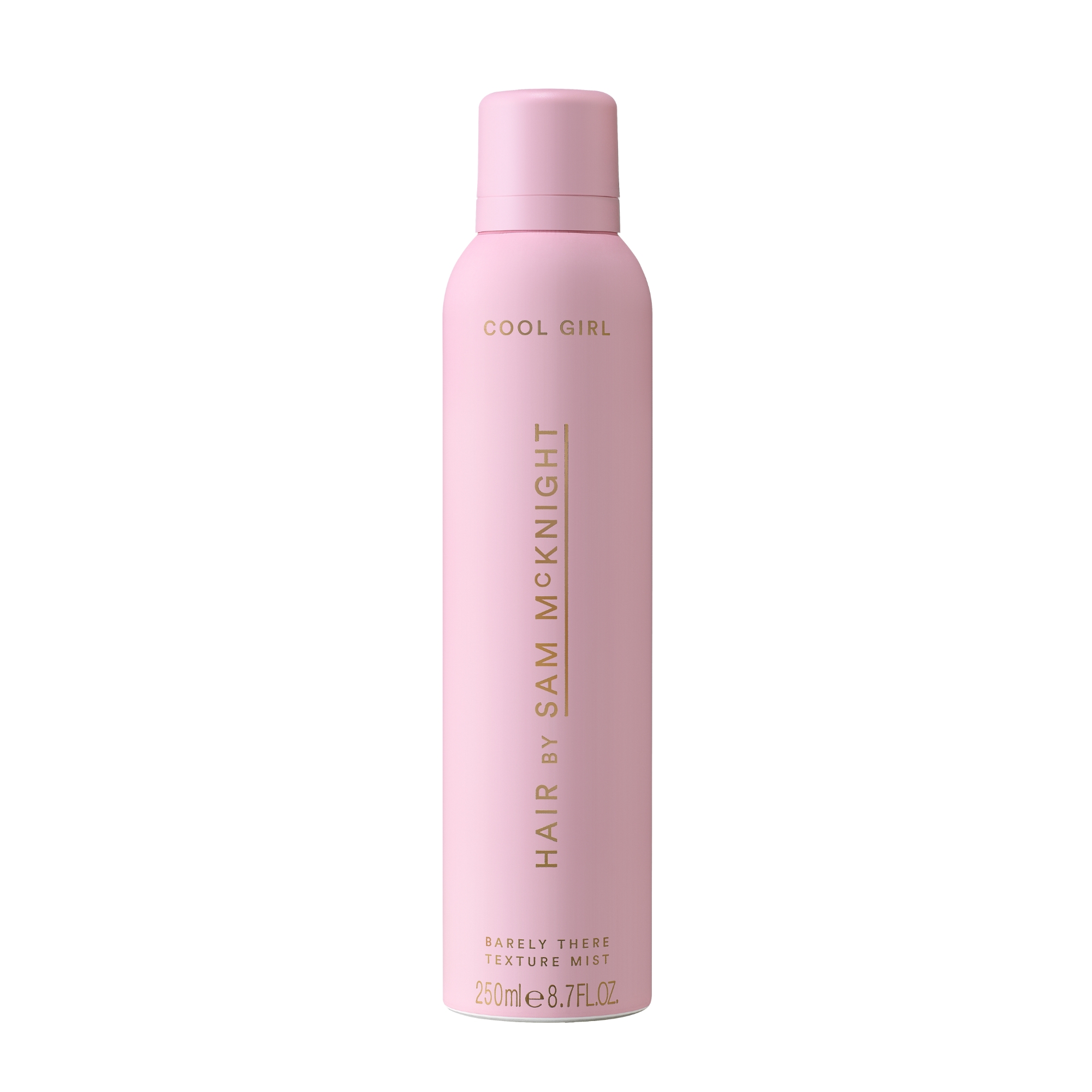
Achieving a polished result often begins with proper hair preparation. Professional stylists recommend styling second-day hair, particularly for individuals with straight or naturally slippery textures, as unwashed hair provides significantly more natural grip. Alternatively, those working with freshly washed hair can utilize targeted texturizing sprays to build hold. Individuals with straight hair may also opt to use a curling wand beforehand to introduce volume, texture, and structural hold, while those with natural curls or waves typically possess sufficient inherent texture to bypass supplemental styling products entirely.
Once the hair is prepped, the styling process begins by brushing through any tangles or knots to ensure a smooth canvas. Stylists typically advise creating a distinct triangle-shaped section at the crown of the head, which is then divided into three equal-sized strands. The plaiting motion commences by crossing the left section over the middle, followed by the right section over the new middle piece.
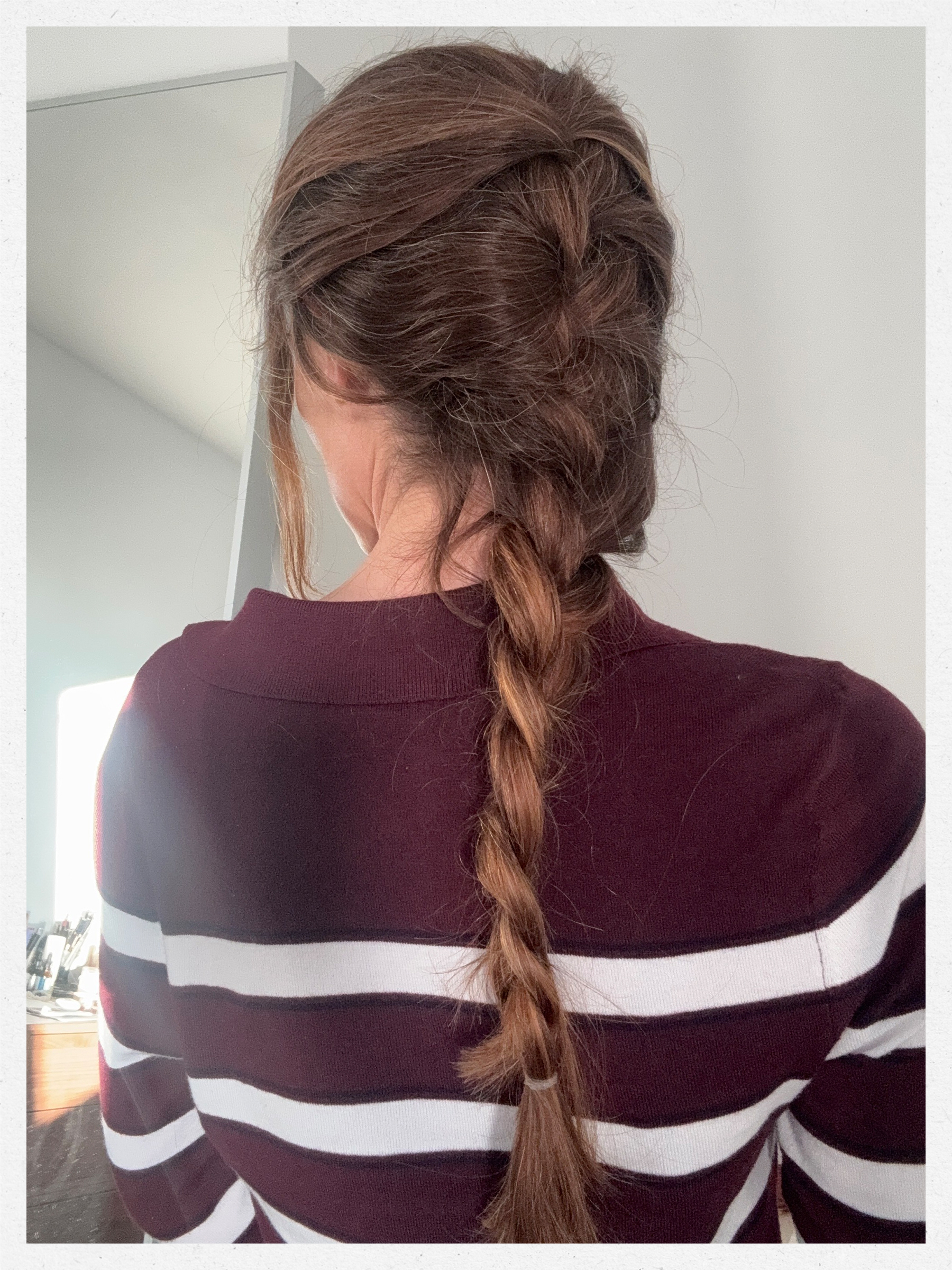
The defining characteristic of the style is the continuous incorporation of loose hair. As the braiding motion proceeds down the head, additional pieces of hair are steadily gathered and added to each strand before crossing it over the center. This incremental addition continues until the hands reach the nape of the neck, by which point all loose hair has typically been integrated into the three main sections. From that point downward, the remaining length of the hair is braided in a standard plait and secured firmly at the bottom with a hair tie.
To modernize the traditional look and prevent it from appearing overly rigid, stylists often pull out subtle face-framing layers and soft tendrils. Gently tugging at the edges of the braid can also increase volume and create a more relaxed, undone aesthetic. Finishing touches often include a light mist of flexible-hold hairspray to maintain security, while specialized hair oils or serums can be applied to the ends for added polish. Alternatively, a texturizing spray can be worked through the completed braid for a more rugged finish, or a curl cream can be utilized to define any loose waves pulled out around the face.
Ultimately, the resurgence of the French braid highlights a broader appreciation for classic techniques that offer both versatility and historical depth. While the style requires a brief learning curve and a minor upper-body workout during the initial stages, its adaptability has secured its place as an essential hair trend for the autumn season.