
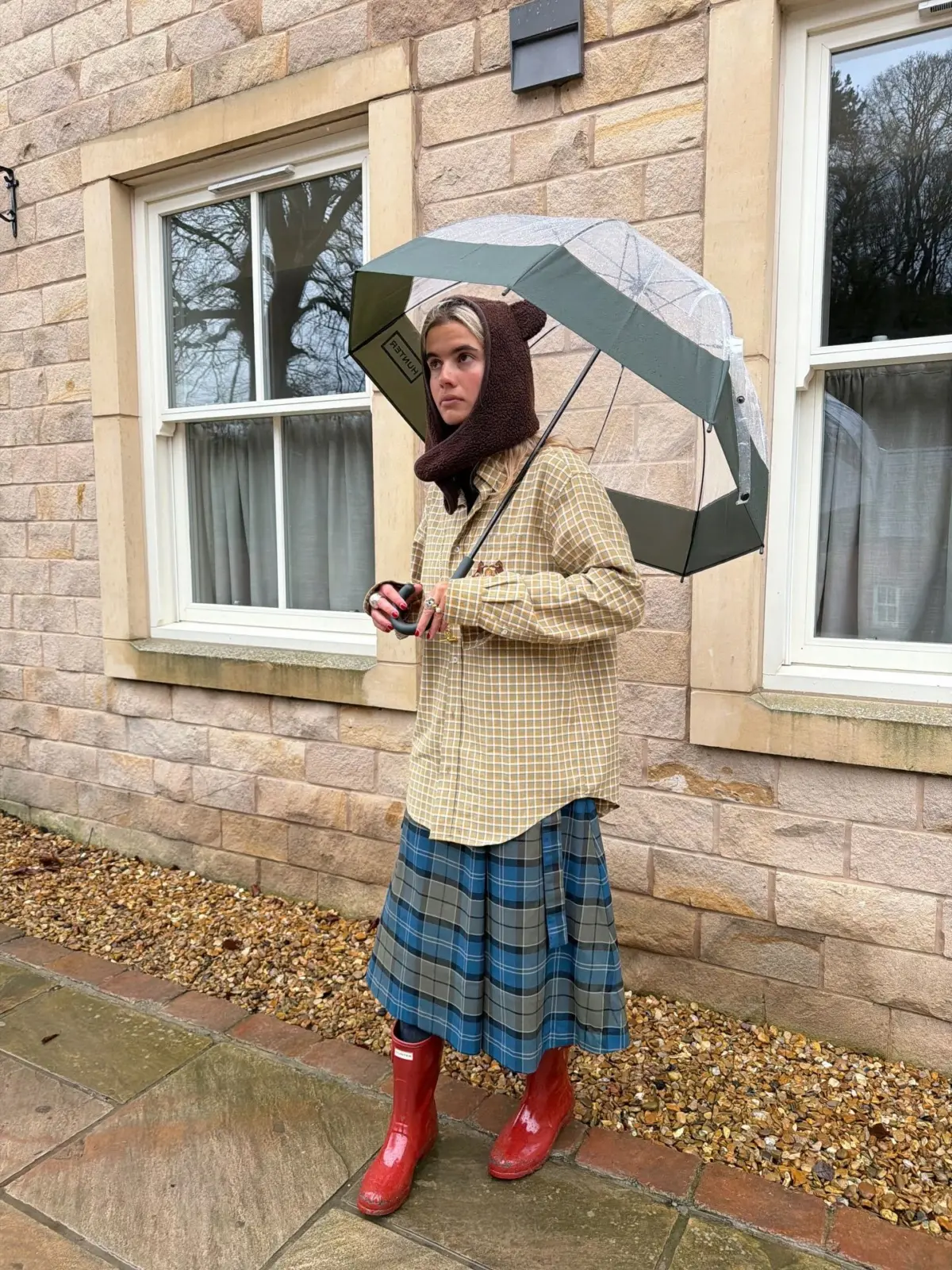
As the seasons shift from the warmth of summer to the crisp, cooler days of autumn, wardrobes across the globe undergo a familiar migration. Lightweight linens and open-toe sandals are packed away to make room for fabrics with more substance, rich textures, and deliberate layering. For the upcoming months, the fashion landscape is leaning heavily into outfits that strike a balance between practical everyday commuting wear and sophisticated weekend styling. Amid this seasonal wardrobe transition, an unexpected garment has emerged as a major fashion-person favorite: the kilt. Once strictly associated with traditional Scottish heritage dressing and school uniforms, the pleated skirt has experienced a remarkable evolution, cementing its place at the forefront of contemporary style.
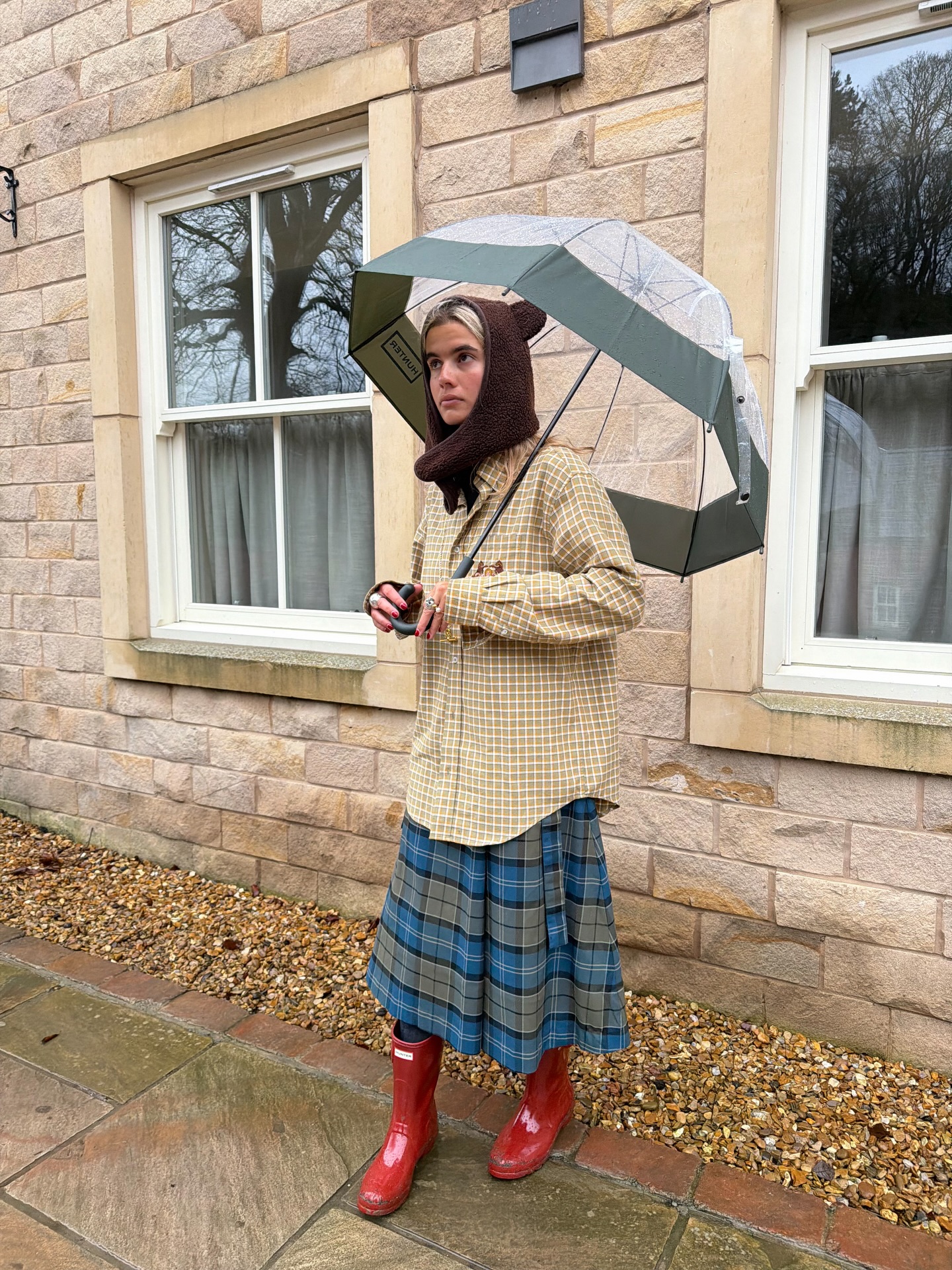
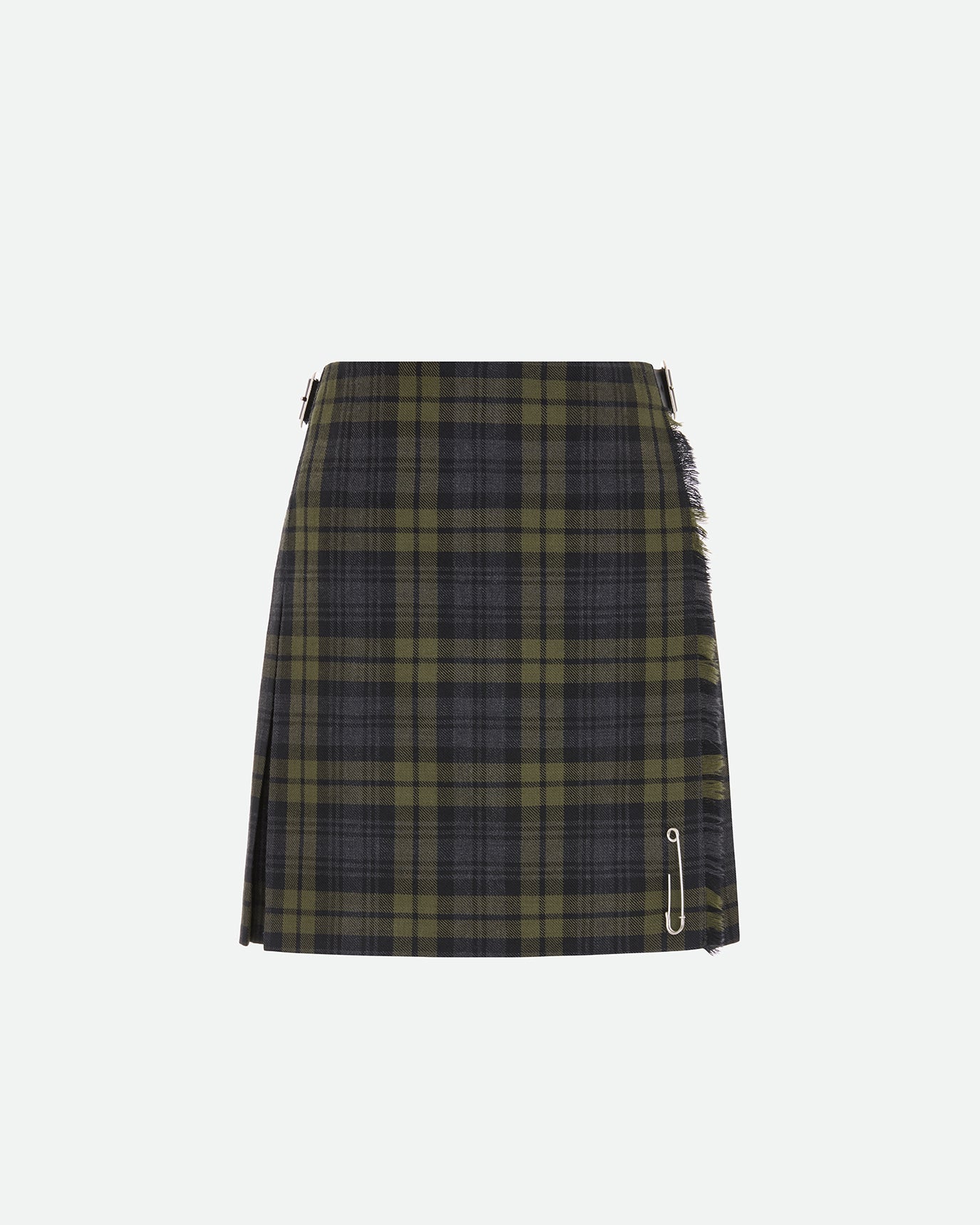
The resurgence of the kilt is rooted in a blend of nostalgia and modern tailoring. While classic tartan patterns remain a timeless mainstay, the current fashion cycle has embraced sleek grey and black variations that offer the same polish as traditional suiting. Designers have also introduced wrap silhouettes that soften the overall shape, alongside modern hardware details—such as the prominent carabiners popularized by brands like Chopova Lowena—which have provided the street-style set with plenty of creative styling opportunities during fashion weeks and daily wear alike.
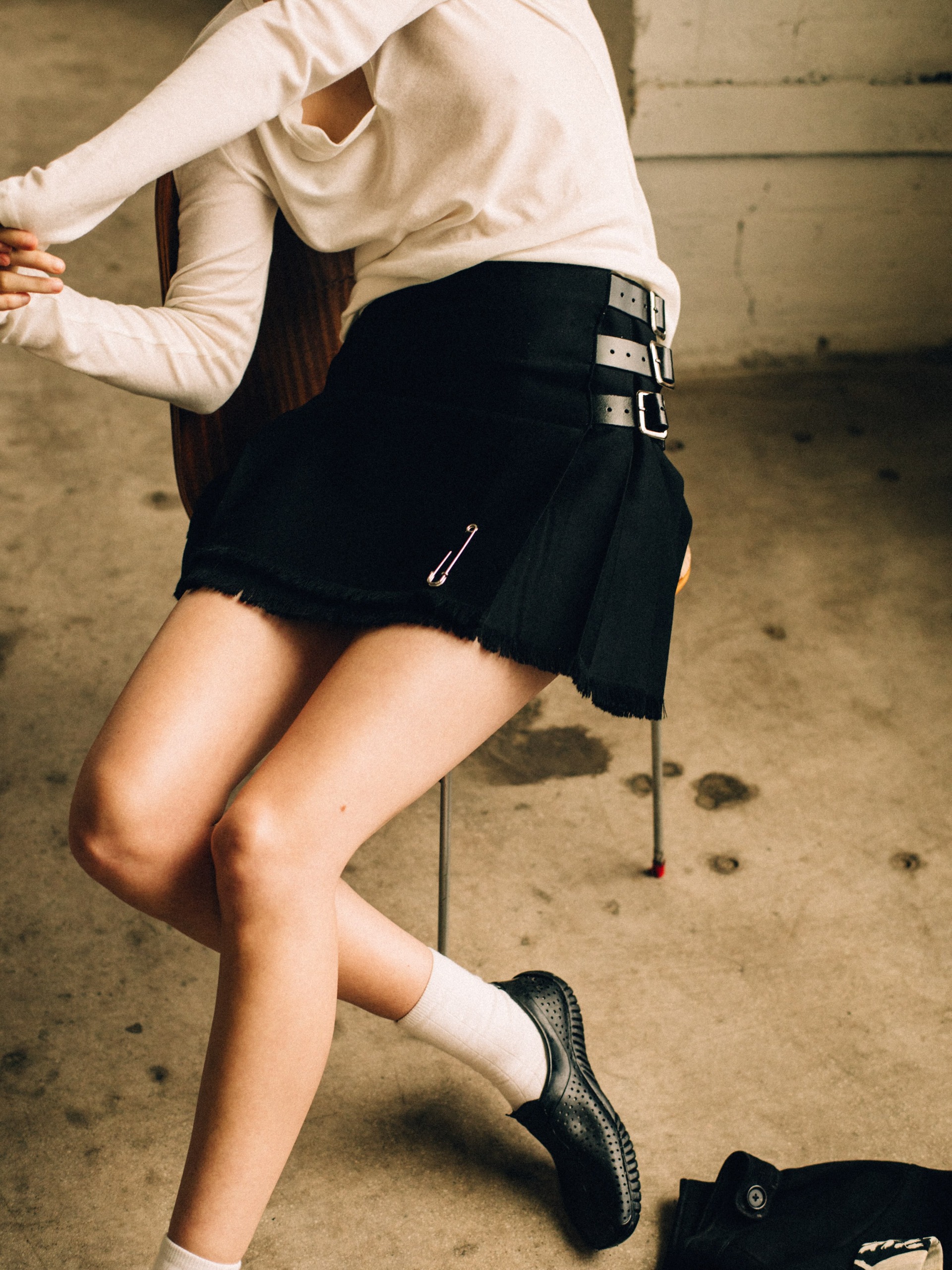
Sam McCoach, founder of the independent Scottish brand Le Kilt, which is renowned for its contemporary interpretations of traditional craftsmanship, notes that the garment’s enduring appeal lies in its versatility and permanence. Reflecting on the origins of her brand, McCoach recalls creating her first Black Watch kilt in 2012 while working as a design assistant at Fred Perry. Woven from a tradition that feels almost passed down through generations, the garment quickly established itself as a permanent fixture in her wardrobe, pairing naturally with shrunken knits and monkey boots. According to McCoach, the kilt remains relevant because it effortlessly bridges the gap between heritage permanence and modern design.
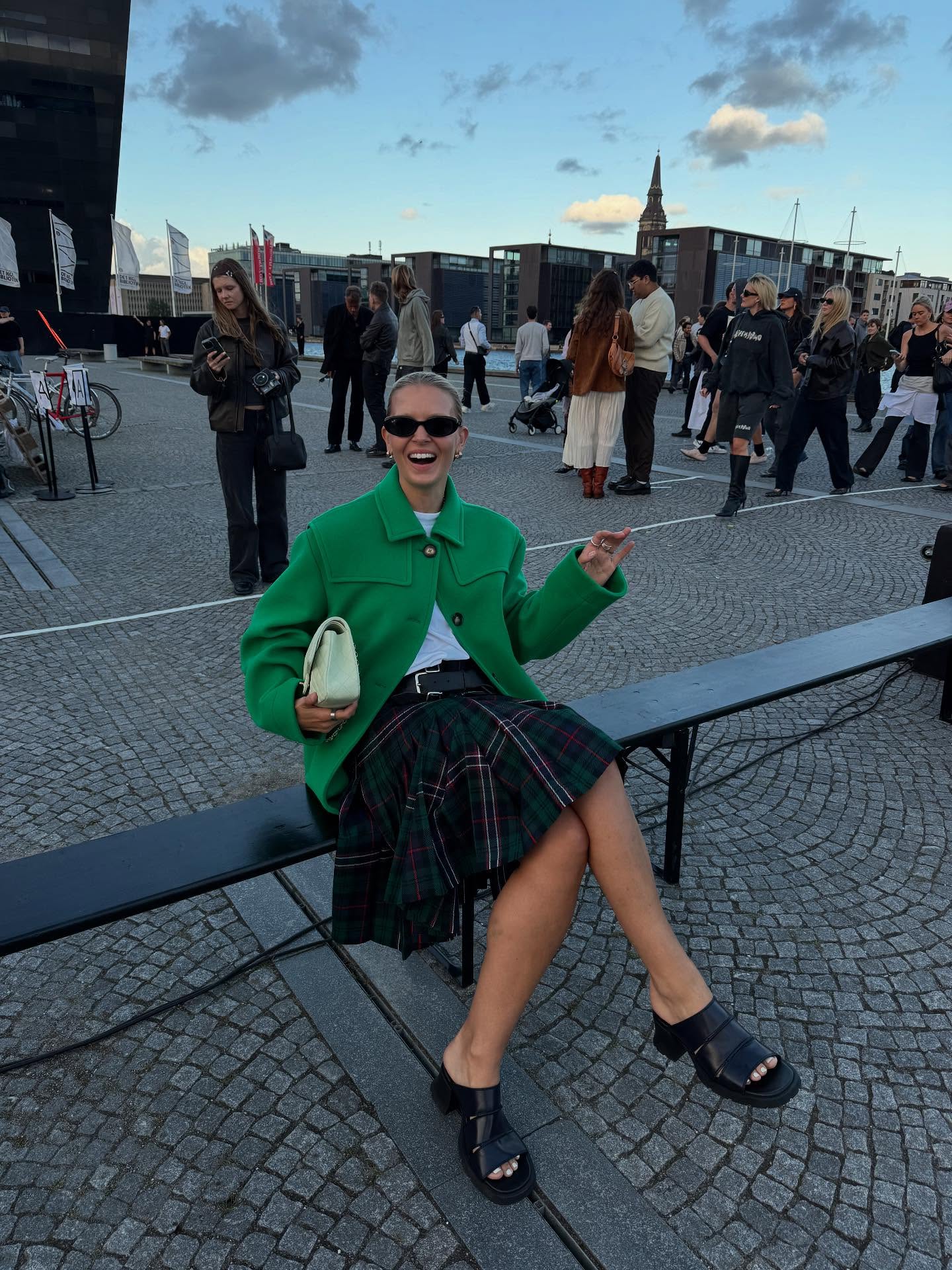
The appeal of the modern kilt also lies in its accessibility. Rather than requiring a complete wardrobe overhaul, a well-crafted wool skirt integrates smoothly into existing cold-weather outfits. It offers the innate versatility of a classic skirt while injecting enough distinct personality to make any ensemble look intentional and well-considered. Whether paired with a chunky knit and knee-high boots or styled alongside a crisp shirt, a tailored blazer, or a simple T-shirt, the garment adapts seamlessly to various aesthetic preferences.
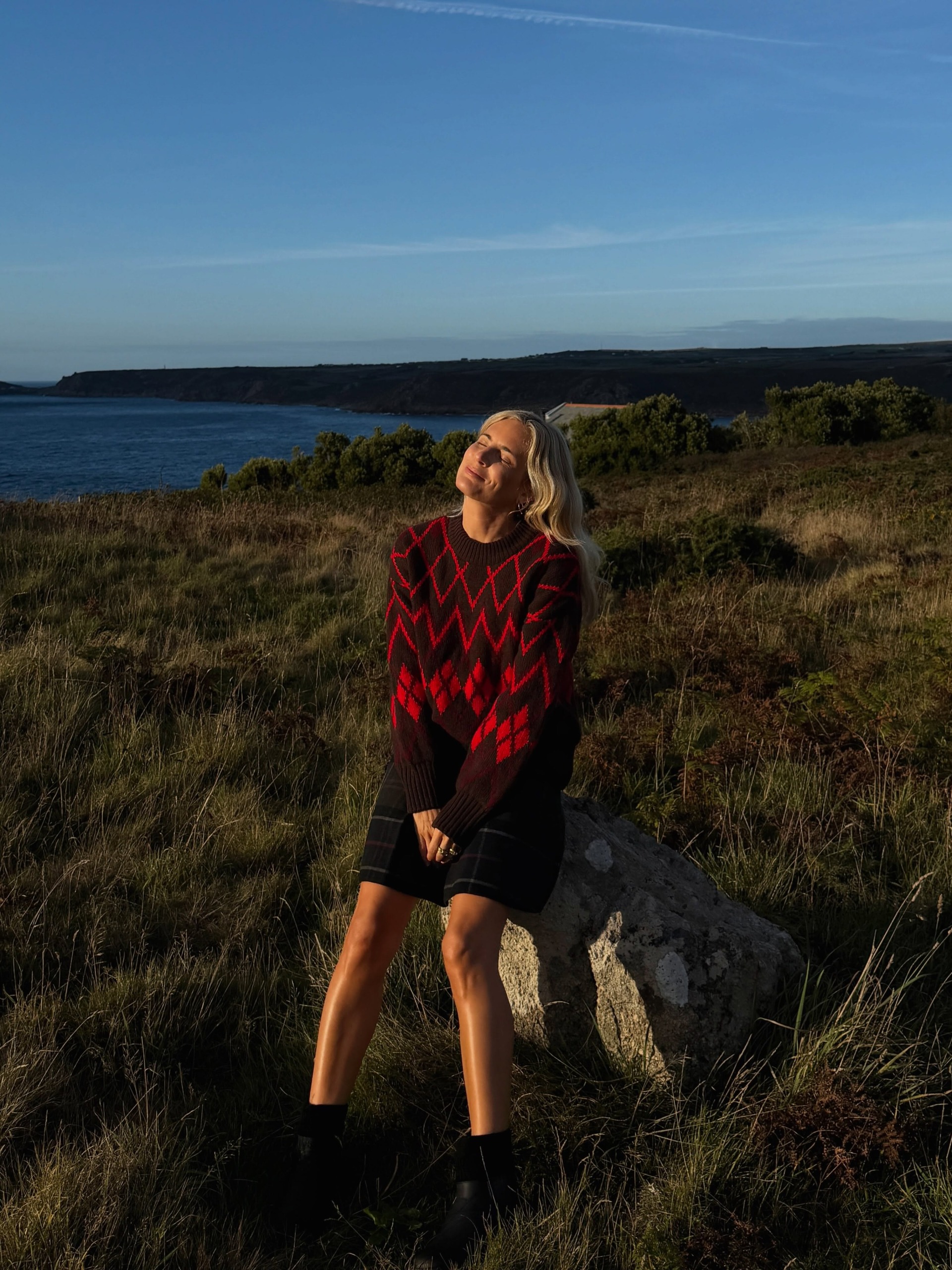
This versatility has been further underscored by high-profile retail moments, including Marks and Spencer’s recent runway debut featuring an elegant black kilt, alongside the continued commercial and cultural momentum of independent labels. Fashion insiders and street-style authorities have quickly demonstrated the broad spectrum of ways the pleated skirt can be adapted for modern wardrobes, moving far beyond traditional expectations to create looks that range from ruggedly casual to urban-chic.
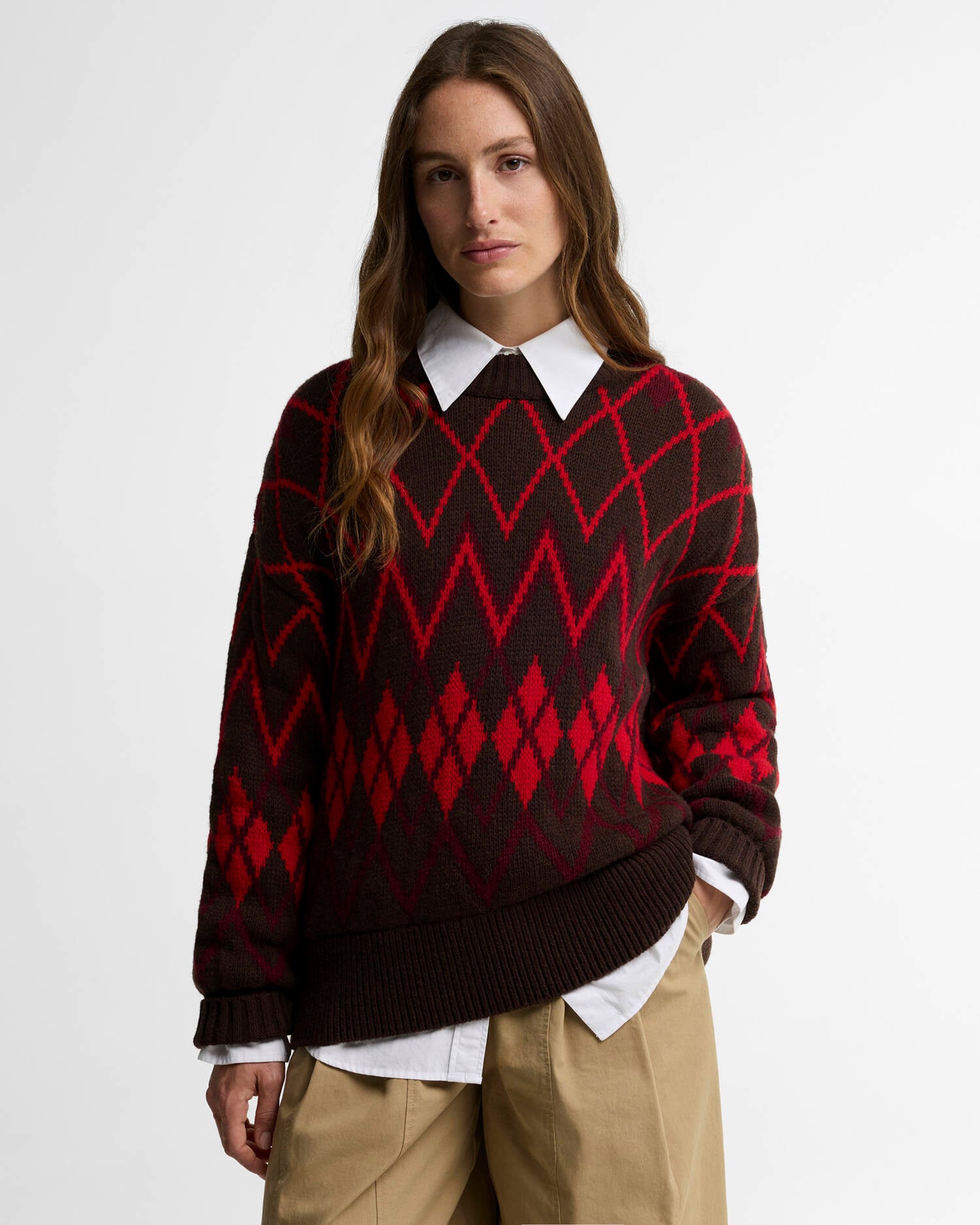
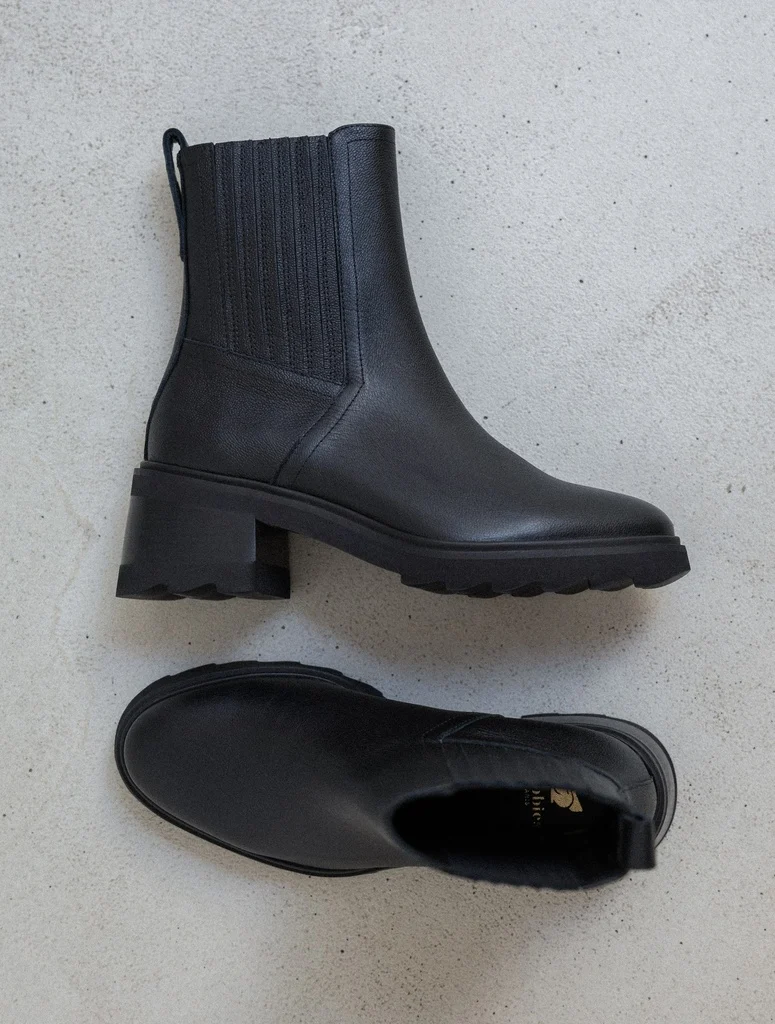
One prominent approach to styling the garment involves pairing a mini kilt with a statement knit and ankle boots. As the weather cools and the end-of-year holidays approach, chunky knitwear becomes a seasonal essential. Style figures such as Lucy Williams have demonstrated how traditional Highland-inspired elements—such as Fair Isle sweaters and textured outerwear—can be successfully translated into city-appropriate attire by opting for shorter hemlines and pairing them with pared-back leather boots. Brands like Barbour have continued to support this aesthetic with authentic crew-neck jumpers, while specialized makers continue to produce lightweight wool gabardine kilts handcrafted in Scotland.
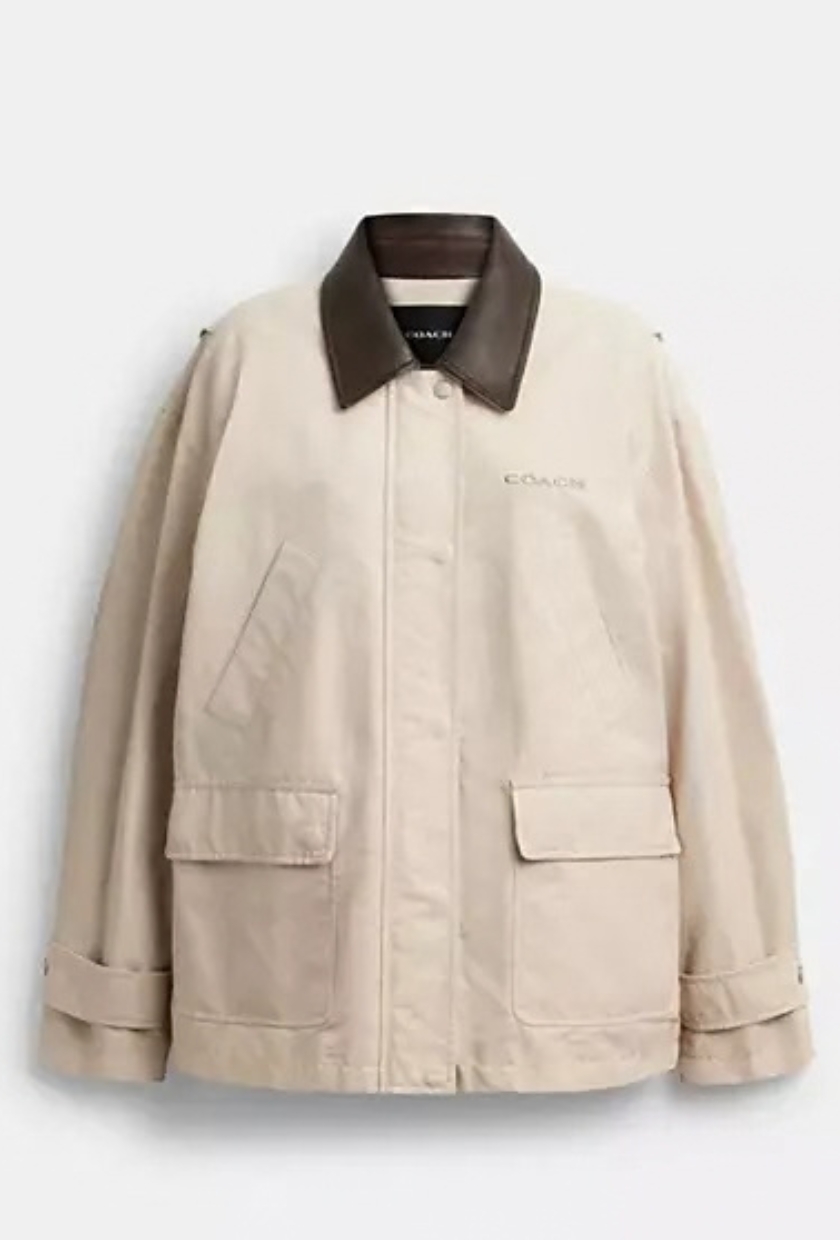
Another favored combination embraces the intersection of outdoor practicality and urban styling by pairing a kilt with a barn jacket and heavy-duty boots. As lightweight utility jackets continue to dominate transitional outerwear trends, they provide an effortless layering option over fine knits and tees. When worn with a longer kilt skirt and chunky boots, the look achieves a refined balance of rugged utility and polished dressing, echoed by offerings from heritage brands and contemporary designers alike.
For those who prefer a more vibrant approach to autumn dressing, fashion personalities like Sarah Corbett-Winder have proven that cold-weather outfits do not need to rely exclusively on neutral tones and classic camel coats. By embracing joyful color-clashing—such as pairing a bright, multicoloured knit cardigan with a vivid tartan kilt—and grounding the ensemble with traditional loafers and white socks, the outfit transforms into a celebration of pattern and texture.
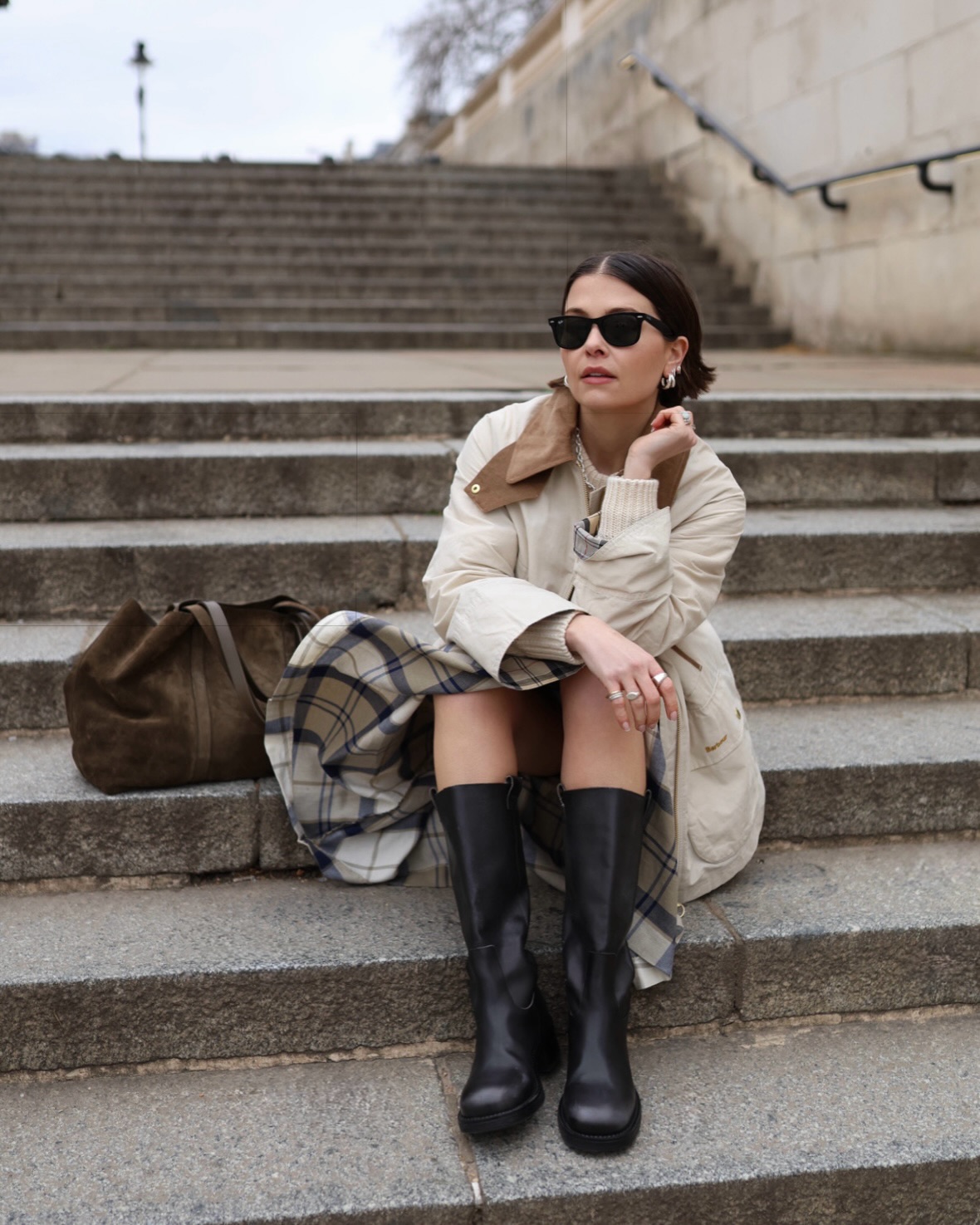
Proportion play also offers a compelling route to modern kilt styling, as demonstrated by figures like Taffy Msipa, who pairs a structured, boxy jacket with a classic long kilt and square-toe boots. The architectural shape of a boxy jacket provides warmth while introducing distinct structure to a relaxed silhouette, with square-toe footwear serving as the contemporary detail that pulls the entire look together.
Similarly, layered ensembles that incorporate miniskirts into colder weather—a method championed by style figures such as Leonie Charlott—demonstrate that seasonal practicality does not require sacrificing personal style. By combining a shirt, a cardigan, and a substantial leather jacket with a kilt, tights, and tall patent boots, the outfit remains warm while offering a dynamic mix of textures and uplifting tartan prints. Even when utilizing dresses that reference traditional tailoring elements, such as those featuring graphic prints and hardware details, the underlying principles of clever layering and color-matching provide a clear blueprint for modern autumn dressing.
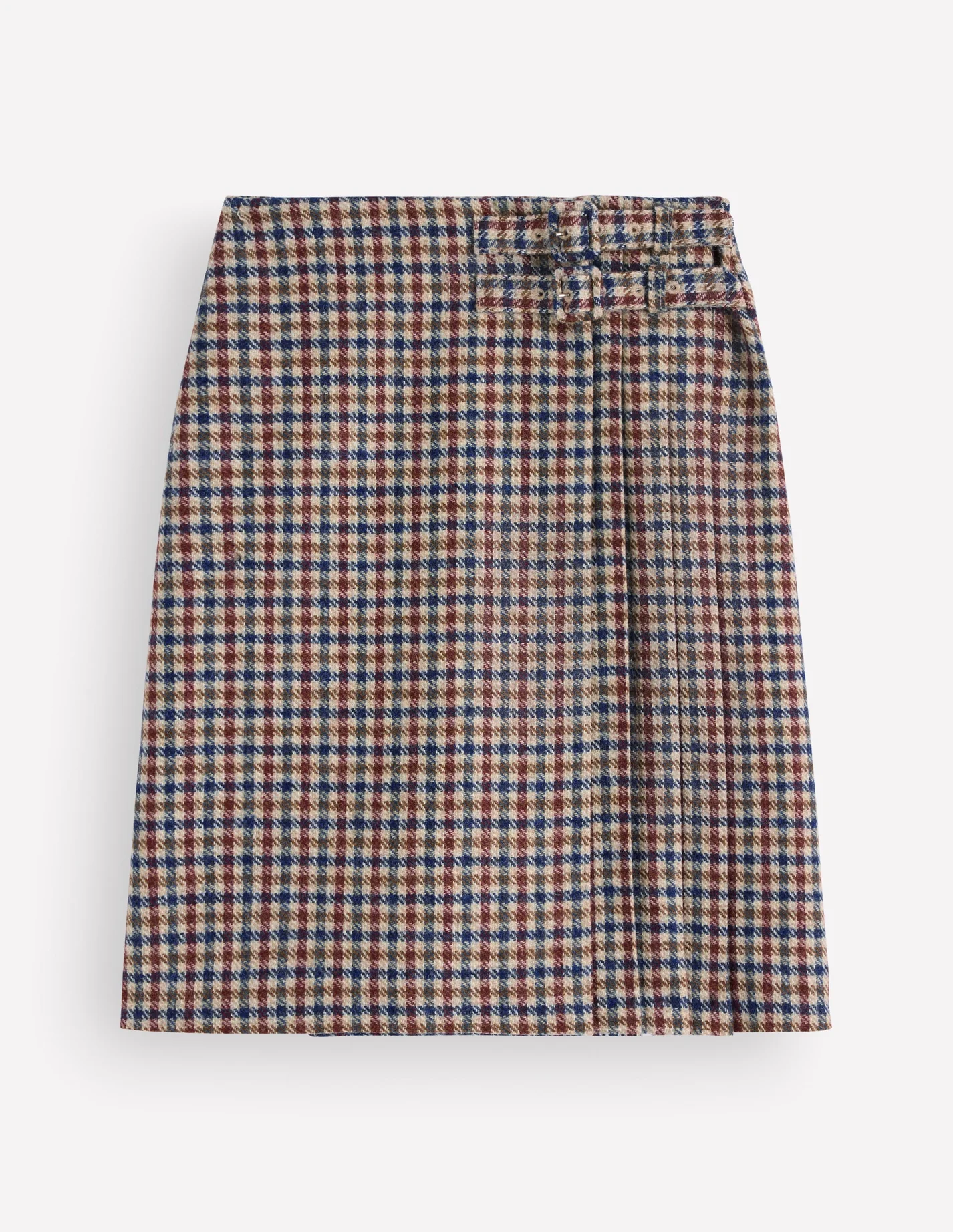
As the kilt continues to secure its position as a defining piece of the season, its return to the mainstream fashion conversation highlights a broader appreciation for garments that carry historical depth while remaining entirely adaptable to modern life. Whether approached through the lens of traditional tartan or reimagined in sleek monochrome, the pleated skirt proves that true style classics never truly leave the wardrobe—they merely find new ways to be worn.