
When it comes to the culinary arts, perfection is rarely a matter of immediate inspiration; more often, it is the result of relentless trial, error, and an almost stubborn refusal to compromise. For home bakers and culinary enthusiasts alike, the question of how long it truly takes to master a single recipe has only one honest answer: as much time as it requires. While some cooks find peace in adjusting their expectations, settling for "close enough," or walking away when a dish proves too elusive, human nature is rarely uniform. For those wired to pursue perfection, letting go of a culinary vision is simply not an option.
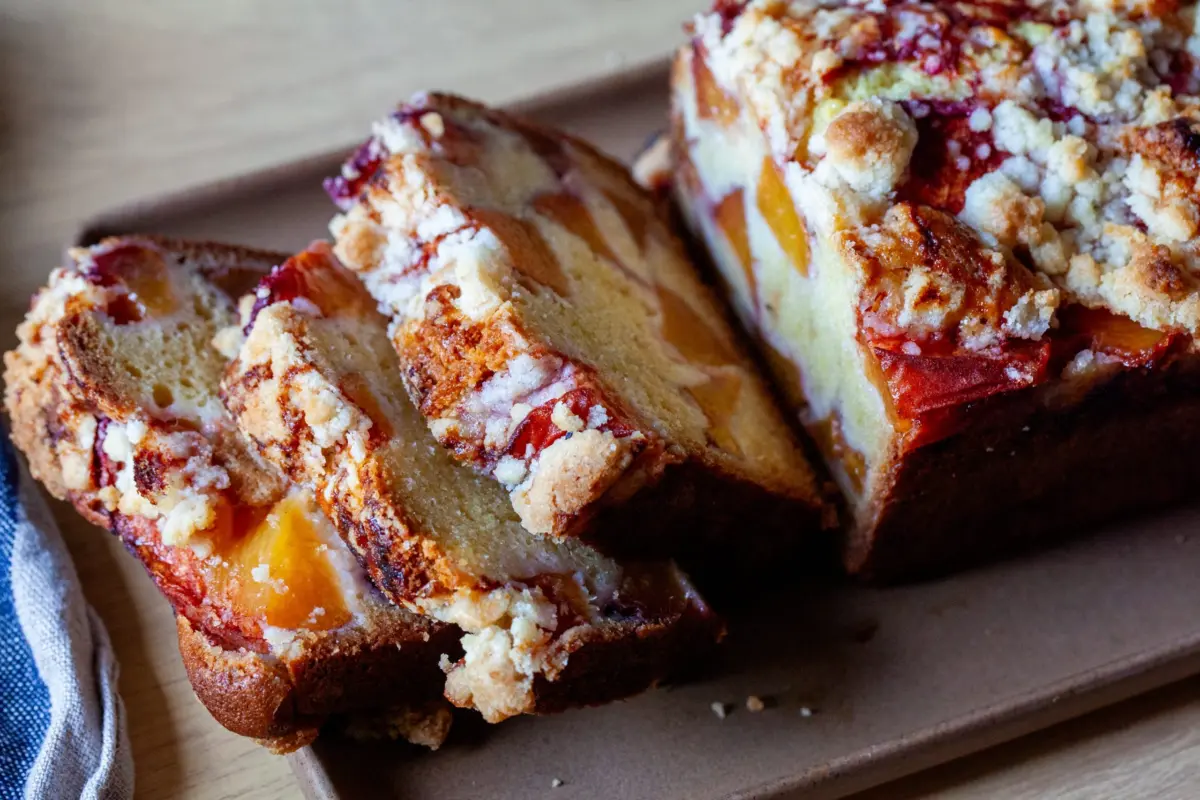
This exact philosophy of uncompromising dedication recently culminated in the debut of a definitive peach cobbler loaf, a creation that required six summers of intense development to get right. Reflecting on the process, the creator admitted that the sheer number of peaches surrendered to previous, less-than-stellar iterations borders on the tragic. Each successive stone fruit season brought a fresh wave of tinkering, accompanied by copious notes that almost universally consisted of variations on a single phrase: "this wasn’t it."

The road to this specific recipe was paved with persistent obstacles inherent to baking with fresh summer fruit. Diced peaches, for instance, frequently baked down into a disappointing, bland texture that lacked structural integrity. Conversely, thinly sliced peaches tended to vanish entirely into the batter, losing both their distinct flavor profile and their visual appeal. Meanwhile, early attempts to introduce spices directly into the batter yielded a dull, beige appearance without enhancing the overall taste. Time and again, these culinary experiments hit an impasse, forcing the baker to fold their cards and wait for the next summer harvest to try again.
Achieving the ultimate peach cobbler loaf required balancing multiple conflicting demands simultaneously, with no room for compromise. The goal was to capture the rustic, comforting charm of a traditional southern peach cobbler—complete with tender, spiced fruit and a rich, buttery topping—while adapting it into the clean, sliceable format of a classic loaf cake. Yet, baking with fresh fruit introduces significant moisture management challenges, particularly when working with juicy summer peaches that release considerable liquid during the baking process.

Timing the release of this long-awaited recipe against the seasonal calendar adds an extra layer of irony, as it arrives just as the traditional peach season is drawing to its close. Nevertheless, the cake itself remains indifferent to the changing calendar. Fully realized and thoroughly tested, the final product stands ready for the oven, offering a rewarding payoff for years of patient experimentation.
Peach Cobbler Loaf
Crucial to the success of this recipe is the precise dimensions of the loaf pan used. Because the batter expands to fill every available space during baking, and because fruit juices can occasionally bubble over the edges, it is strongly recommended to place the loaf pan on a larger baking sheet before putting it in the oven. The standard pan used for this recipe holds six liquid cups, translating to approximately 1420 milliliters, measuring eight by four inches at the bottom and nine by five inches at the top. Bakers utilizing a smaller pan are advised to pour off a muffin cup’s worth of excess batter and bake those portions separately to prevent overflow.

The baking process begins by preheating the oven to 375 degrees Fahrenheit, or 190 degrees Celsius. A loaf pan should be lined with parchment paper, extending it up two sides for easy removal later, while any unlined portions of the pan are lightly coated with nonstick spray. Positioning the loaf pan on a larger sheet pan acts as a necessary safeguard against any potential drips during the baking cycle.
Preparing the cake component starts with finely grating fresh lemon zest into a large bowl and setting it aside. In a separate medium bowl, peach wedges are tossed with the freshly squeezed juice of half a lemon, a dash of cinnamon, and one tablespoon of brown sugar, stirring gently to ensure the fruit is evenly coated before being set aside.

In the large bowl containing the lemon zest, six tablespoons of melted butter are combined with one-third cup of granulated sugar and one-third cup of brown sugar, whisked together until fully integrated. Yogurt or sour cream is then mixed into the base, followed by whole eggs beaten thoroughly into the batter. The surface of the batter is then dusted with baking powder, baking soda, and a pinch of salt, and whisked vigorously to guarantee an even distribution of leavening agents, with a few extra stirs for good measure. Finally, one and a third cups of flour are added, stirring just until the dry ingredients disappear into the batter.
The streusel topping requires melting the remaining two tablespoons of butter in a small bowl, then stirring in two tablespoons of granulated sugar, a pinch of salt, and a quarter cup of flour until coarse, crumbly clusters begin to form.

Assembly of the cake follows a deliberate layering method. Half of the cake batter is poured into the prepared loaf pan and smoothed into an even layer. Half of the prepared peach wedges are arranged over the batter in a single layer. The remaining batter is then carefully spooned over the fruit and smoothed out, followed by the remaining peach slices arranged neatly across the top. Any juices that have collected in the bottom of the peach bowl are poured directly over the fruit, and the entire assembly is finished with an even scattering of the prepared streusel topping.
Baking takes between 60 and 70 minutes. The cake is done when a wooden tester inserted into the center—and specifically tested in a few spots just beneath the top layer of peaches, where unbaked batter has a tendency to linger—comes out clean. Depending on the oven and the moisture content of the fruit, the baking time may occasionally need to be extended by up to five additional minutes. Once removed from the oven, the loaf should be allowed to cool completely on a wire rack.

Serving the cake involves running a knife along any unlined sides of the loaf pan, then using the extended parchment paper handles to lift the entire loaf out cleanly before slicing it into thick, generous portions.
For those planning ahead, this cake offers distinct advantages for advanced preparation. While it is undeniably delicious on its first day out of the oven, it often develops an even richer flavor and superior texture on the second and third days. Storage is best handled right in the pan at room temperature, left unwrapped to preserve the crisp integrity of the streusel topping. Many home bakers find success by tucking the pan inside a microwave or a cold oven to serve as a makeshift bread box, protecting the crust while keeping the interior moist and tender as the days progress.