
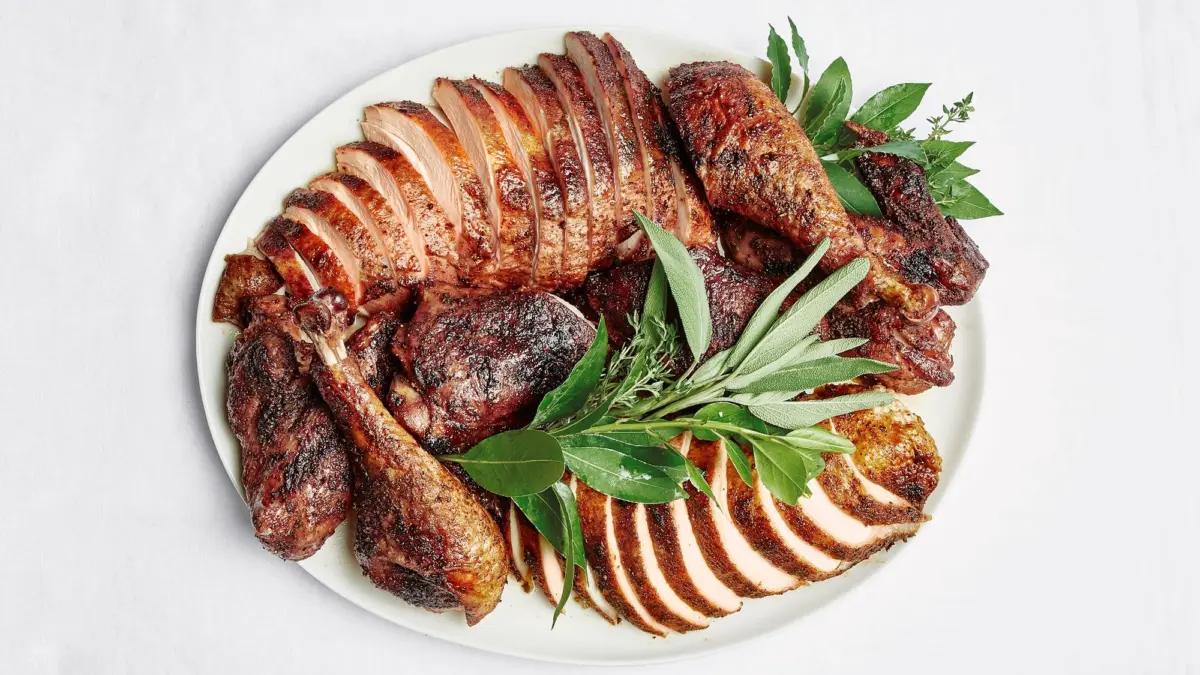
For generations, the traditional Thanksgiving turkey has been treated as an untouchable holiday centerpiece, roasted whole in all its majestic, stubborn glory. Yet, anyone who has ever hosted a holiday dinner knows the dirty secret of the whole-roasted bird: it is a culinary impossibility. While the delicate white meat of the breast reaches a safe internal temperature, it invariably dries out. Meanwhile, the dark meat tucked away in the thighs and legs often remains stubbornly tough and undercooked unless the bird is left in the oven long enough to turn the breast into sawdust.
Culinary experts and home cooks alike have long sought a reliable remedy to this perennial holiday dilemma, striving for a result that yields boldly spiced flavors, a beautifully glossy glaze, and, above all else, a properly cooked bird. The ideal Thanksgiving roast demands juicy breast meat, tender dark meat, and an abundance of deeply browned, flavorful skin. Achieving this elusive balance has sparked endless debate in kitchens across the country, prompting chefs to rethink traditional methodology from the ground up.
Enter a revolutionary approach championed by culinary figures Andy Baraghani and Brad Leone, who offer a remarkably straightforward solution to a notoriously difficult problem. Their answer is as radical as it is effective: instead of roasting the turkey whole, they break the bird down into five distinct pieces—two wings, two legs, and one whole breast. By dismantling the turkey prior to cooking, the home cook gains unprecedented control over the process, allowing each individual section to be monitored and removed when it reaches its own optimal peak of doneness. This eliminates the classic dilemma of dry breast meat and tough, rubbery legs once and for all.
However, restructuring the bird is only half the battle; flavor development remains paramount. Baraghani and Leone ensured their method does not slouch when it comes to taste profile. The process begins 24 to 48 hours before the turkey ever encounters the heat of the oven, utilizing a robust, peppery dry brine. This seasoning blend features essential flavor enhancers such as garlic powder, onion powder, and smoked paprika, which penetrate deep into the flesh to season the meat thoroughly while drawing out excess moisture to set the stage for crisp skin.
Following the dry brining phase comes the application of a meticulously crafted glaze. This component introduces a savory and tangy flavor profile composed of soy sauce, vinegar, brown sugar, orange zest, and aromatic herbs. As the turkey pieces roast, this glaze is brushed onto the surface repeatedly, building a rich, glossy, and deeply burnished finish that caramelizes under the oven heat. Furthermore, the mechanics of the roast play a crucial role in achieving the desired texture. By arranging the turkey pieces on a wire rack set snugly inside a traditional baking sheet, air circulates freely around every inch of the poultry. This setup maximizes the amount of exposed skin available for browning, ensuring a remarkably even and efficient cook overall.
For many home cooks, the thought of butchering a raw, slippery holiday turkey can induce a significant amount of stress. Fortunately, professional assistance is readily available for those who prefer to skip the anatomical exercise. Consumers can easily enlist their local butcher or even the meat counter at the neighborhood supermarket to handle the task. When placing the request, the instructions are specific: ask for a turkey weighing between 12 and 14 pounds to be cut into five distinct pieces, with the thighs left attached to the drumsticks, the breast kept whole, and the backbone completely removed. If the butcher happens to inquire about the unconventional request, cooks can simply explain that they are preparing a notoriously bold recipe popularized by culinary publications. Alternatively, those feeling adventurous and confident in their knife skills can tackle the breakdown at home using comprehensive guides designed to demystify the process.
Spiced and Glazed Roast Turkey Considerations
As with any major culinary undertaking, adopting a new technique raises several practical questions regarding preparation, ingredient selection, and kitchen safety. Navigating these details ensures the final holiday meal meets expectations without any unexpected complications.
A common question among holiday hosts involves the selection of the poultry itself, specifically whether a pre-brined turkey can serve as a substitute in this recipe. Culinary experts strongly advise choosing an unbrined turkey for this specific preparation method. Many standard supermarket birds arrive pre-treated with a salt solution, which is frequently identified on product packaging through labeling terms such as "self-basting," "enhanced," or "contains a solution." Applying the signature peppery dry brine on top of a turkey that has already been chemically enhanced from the warehouse can easily result in a final dish that is overwhelmingly and unpleasantly salty. Checking the product packaging carefully before making a purchase is essential to avoiding this common pitfall.
Another frequent inquiry centers on the preparation of the meat after the resting period, specifically whether the dry brine should be rinsed off the turkey before it enters the oven. The definitive answer from the kitchen is to leave the seasoning firmly in place on the turkey when it is time to coat the bird with oil. While a minor portion of the spice mixture may naturally rub off during handling, that occurrence is entirely normal and expected. There is no culinary reason to rinse the bird, and food safety experts consistently warn that washing raw poultry under a kitchen faucet runs a high risk of splashing and spreading harmful bacteria across surrounding countertops and utensils.
When the roasting process concludes, the question of utilizing the remaining pan drippings naturally arises. While the pan drippings can indeed form the foundation of a traditional gravy, cooks must exercise caution and taste the liquid thoroughly before proceeding. Due to the combination of the seasoned dry brine and the umami-rich, soy-based glaze, the drippings left in the pan can frequently turn out to be quite salty and intensely concentrated in flavor. Cooks should use them sparingly and taste their finished gravy before introducing any additional salt to the mixture. For those seeking a more predictable and streamlined approach, alternative preparations such as make-ahead gravies offer a reliable option that does not rely on pan drippings at all.
Ultimately, mastering the mechanics of turkey preparation—regardless of the bird’s overall size or the specific cooking method preferred—remains the single most effective way to elevate a holiday gathering from a stressful culinary gamble into a guaranteed success.