
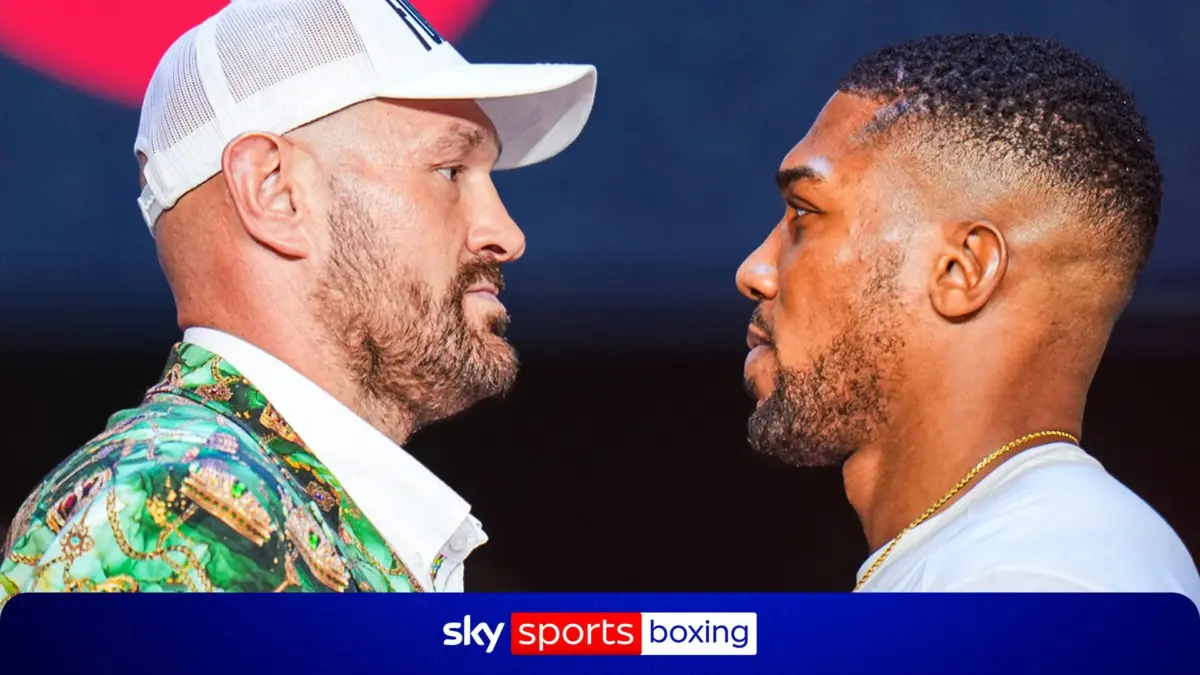
The boxing world has waited years for the ultimate domestic heavyweight showdown, and as the blockbuster fight between Tyson Fury and Anthony Joshua edges closer, anticipation continues to reach fever pitch. With both fighters enduring career twists, high-profile losses, and shifting landscapes within the division, fans across the globe are eager to understand how this monumental matchup came together and what it means for the future of heavyweight boxing.
Addressing the multitude of queries surrounding the bout, boxing experts have broken down the critical talking points, ranging from shared opponents and promotional puzzles to the logistics of international broadcasting and the looming threat of retirement.
Comparing Shared Opponents: Who Fared Best?
When evaluating how Fury and Joshua stack up against common adversaries, the conversation inevitably turns to their respective runs against elite competition. Both British stars have fought unified champion Oleksandr Usyk twice, and both ultimately suffered defeats in all four encounters. Joshua struggled significantly in his first bout against the tactical Ukrainian, though he delivered a notably stronger and more disciplined performance in their direct rematch.
Fury, on the other hand, brought a high level of intrigue and success to the first half of his opening fight with Usyk, utilizing his size and awkward angles to look formidable before Usyk turned the tide. At the absolute elite level against that specific opponent, Fury arguably put in the stronger overall showing across the two bouts.
However, the narrative shifts when examining their respective clashes with former UFC champion Francis Ngannou. While Fury struggled immensely against the heavy-handed newcomer—getting dropped before scraping by with a controversial decision victory—Joshua comprehensively dismantled the former MMA star, making a decisive statement with a resounding knockout.
The history books also feature both men sharing the ring with Wladimir Klitschko, though at different stages of the legendary champion’s career. Joshua faced Klitschko later than Fury did, meeting a slightly older version of the Ukrainian who may have absorbed valuable tactical lessons from his defeat to Fury. While Klitschko arguably gave Joshua a more torrid, back-and-forth war, Fury exerted clinical control to box his way to a disciplined decision victory in Germany. Ultimately, Fury appears to hold a slight edge over Joshua when analyzing their performances against the absolute highest tier of shared opponents, though opinions among analysts remain fiercely divided.
The Promotion Puzzle and the Mystery Championship Belt
Behind the scenes, a fight of this magnitude requires unprecedented cooperation and financial backing. This event is spearheaded by Turki Alalshikh, the chairman of Saudi Arabia’s General Entertainment Authority, who is acting as the primary promoter and financial powerhouse behind the spectacle.
The official press release announcing the bout notably revealed that Alalshikh is working in partnership with Dana White. This collaboration introduces an intriguing dynamic into the boxing ecosystem, raising questions about how White’s involvement intersects with the existing contractual obligations held by Eddie Hearn on behalf of Anthony Joshua and Frank Warren representing Tyson Fury. Despite these complex promotional layers, it is Alalshikh’s substantial financial investment that has successfully brought the two British rivals together.
Adding another layer of intrigue to the matchup is the presence of a championship belt up for grabs. The WBA has sanctioned the bout for a ‘super’ title, an announcement that has left many within the industry searching for answers. The governing body has not publicly explained its reasoning, particularly given that the WBA already maintained a ‘regular’ champion in Murat Gassiev, and neither Fury nor Joshua entered the fight holding the organization’s number-one contender ranking. Ultimately, boxing purists argue that a clash between these two titans transcends any single championship, serving as a battle of pride and legacy that requires no belt on the line to capture the public imagination.
Navigating Legacies, Stakes, and Career Crossroads
With both fighters having suffered significant defeats over the course of their storied careers, the question of who needs the victory more becomes a matter of intense debate. Anthony Joshua boasts an extraordinary resume, having faced and defeated a long list of high-quality contenders throughout his career. However, a notable omission from his record is Deontay Wilder, whom Fury famously faced in a brutal trilogy. Fury has, at various points, held every major heavyweight world title and generally delivered stronger performances across his two fights with Usyk. For the preservation and ultimate polish of his legacy, Anthony Joshua likely enters the ring needing the win more, though arguments can be made persuasively for either side.
Should the fight end in a decisive defeat, the future immediately points toward retirement for the loser, depending heavily on the manner of the loss. Fury has frequently expressed his desire to box on for as long as possible, yet his history of retiring and unretiring suggests that predicting his next move remains a challenge. For Anthony Joshua, a heavy defeat could prompt serious contemplation about hanging up the gloves. Having achieved Olympic gold, two-time unified world heavyweight champion status, and cementing himself as a British boxing superstar, Joshua would walk away knowing he has nothing left to prove to the sport.
Conversely, a rare draw after 12 rounds would almost certainly trigger an immediate rematch clause. A stalemate would provide both camps with a wealth of tactical knowledge, creating a narrative compelling enough to be successfully hyped all over again on the global stage.
Logistics, Training, and the American Audience
For British fans accustomed to traditional primetime television slots, the scheduling of the event presents unique logistical hurdles. To accommodate the massive coast-to-coast Netflix audience in the United States, the fight is slated to take place during the early hours of the morning in the UK.
Adapting to these unorthodox time zones is nothing new for elite camps. Fighters preparing for events in the Middle East often shift their entire biological clocks, waking up late in the afternoon, eating breakfast in the evening, and sparring in the dead of night. Fury is well-positioned for this shift, having already established his training base in the United States and operating comfortably on American time.
Questions surrounding stamina and physical preparation also loom large. Joshua has gone the full 12-round distance on five separate occasions, demonstrating that he possesses the engine required championship rounds. While Joshua carries a more heavily musclebound physique compared to Fury’s natural, fluid rhythm, Fury does not typically set a relentless, suffocating pace. For Fury to exploit any potential stamina advantage, he would need to force Joshua to think constantly and fight at an uncomfortable, accelerated tempo.
Furthermore, the debate over punching power remains a central theme. While critics once claimed Fury lacked the concussive power of a true one-punch knockout artist, he emphatically shattered those assumptions with his destructive displays in his second and third bouts against Deontay Wilder. Joshua, meanwhile, has shown vulnerability to being hurt and dropped throughout his career, making Fury a very real and present danger should he catch his compatriot clean.
Undercard Speculation and the Road Ahead
As preparations continue, discussions regarding the supporting cast of the event are beginning to take shape. While official confirmations are still pending, Dana White has reportedly been looking to secure a high-profile clash between Jai Opetaia and Deontay Wilder for the bill. Both Queensberry Promotions and Matchroom are expected to feature their own fighters on the undercard, with local fans eagerly hoping to see Welsh boxers showcased on the prestigious night.
As the fighters step through their final training camps and the promotional tour ramps up, the historic collision between Tyson Fury and Anthony Joshua stands ready to deliver one of the most-watched and debated chapters in modern heavyweight history.