
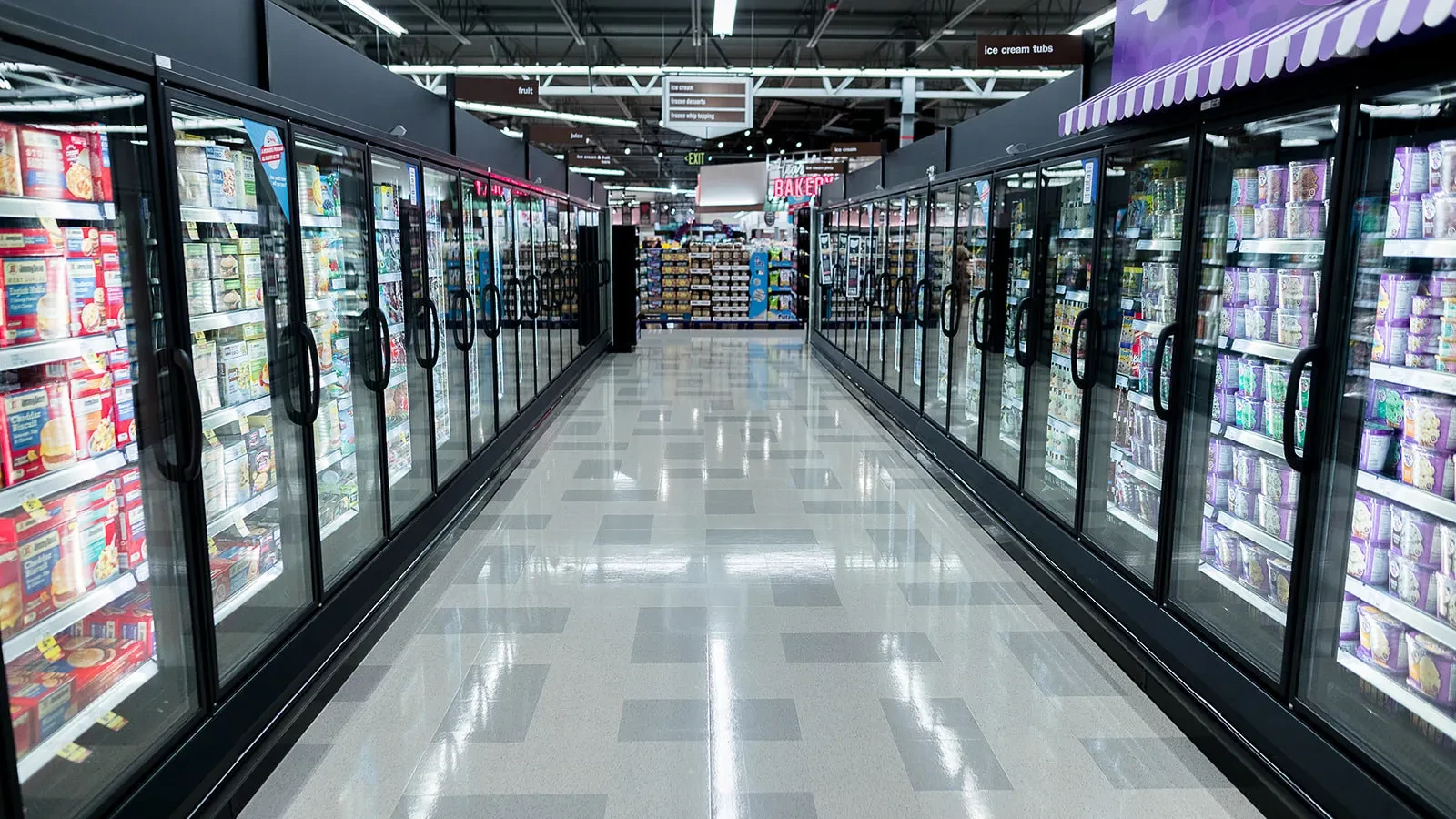
WASHINGTON — In the wake of a sophisticated and destructive wave of cyberattacks targeting commercial supermarkets and cold storage facilities across Europe, the United States federal government is urgently calling on domestic businesses to implement immediate security measures to protect their internet-linked industrial control systems.
The federal warning, issued through a joint government statement, emphasizes that malicious actors are increasingly exploiting vulnerabilities in commercial refrigeration and temperature-monitoring infrastructure. According to the advisory, hackers can manipulate programmable controllers connected to these systems, deliberately altering internal temperatures. Such unauthorized interference creates severe physical and economic hazards, including potential fire risks, catastrophic inventory and food spoilage, millions of dollars in structural and product damage, and indirect health risks to consumers who might unknowingly ingest items kept in unsafe storage conditions. Furthermore, the attacks strip operators of vital visibility, blinding them to real-time temperature fluctuations within their facilities.
To mitigate these escalating threats, U.S. authorities are strongly urging commercial property owners, supermarket operators, and industrial logistics managers to take immediate defensive action. Recommended steps include disconnecting control system devices from the public internet, ensuring that all device firmware and software are consistently updated to patch known vulnerabilities, and establishing protocols for monitoring and immediately reporting any unexpected system activity or unauthorized access attempts.

The urgency behind the American directive stems from alarming incidents abroad that have exposed the critical vulnerabilities of modern, highly connected supply chains. In early October, cybersecurity investigators reported that hackers successfully breached programmable logic controllers regulating commercial refrigeration systems across hundreds of grocery stores in France. In those coordinated intrusions, malicious actors drastically escalated internal temperatures to an astonishing 120 degrees Fahrenheit. The resulting thermal spikes triggered localized fires, destroyed massive quantities of perishable food inventory, and inflicted millions of dollars in financial losses on retail operators.
Just weeks after the initial French supermarket intrusions, a second wave of cyberattacks struck major grocery chains across multiple European countries. In these incidents, hackers targeted dozens of internet-exposed refrigeration devices, stealthily resetting climate controls to a defrost mode that compromised the integrity of perishable goods on a broad scale. The persistence and precision of these attacks demonstrated a troubling capability by malicious actors to weaponize standard commercial infrastructure for disruption, extortion, or chaos.

The threat landscape expanded further when cybercriminals set their sights on critical public health infrastructure. In a separate incident investigated by European authorities, an unknown hacker successfully compromised refrigeration systems operated by the French Blood Establishment, the national organization responsible for managing and distributing the country’s blood supply. The intruder manipulated temperature controls within cold storage rooms across three distinct operational sites, threatening the viability of sensitive medical supplies and forcing emergency responses from health officials.
Thursday’s joint U.S. advisory underscores the cross-sector implications of these threats, highlighting that the danger extends far beyond traditional retail grocery. The statement was backed by multiple federal bodies, including the United States Department of Agriculture (USDA), the Department of Health and Human Services (HHS), and the Department of Transportation (DOT). These agencies oversee critical infrastructure sectors that rely extensively on industrial refrigeration, cold chain monitoring, climate-controlled warehousing, and temperature-sensitive transportation networks.
By mobilizing multiple federal agencies, the government aims to signal to commercial operators that securing internet-linked operational technology is no longer merely an IT concern, but a matter of national supply chain resilience and public safety. As international investigative bodies continue to probe the European incidents, U.S. regulators are pressing domestic companies to harden their defenses before similar vulnerabilities can be exploited on American soil.