
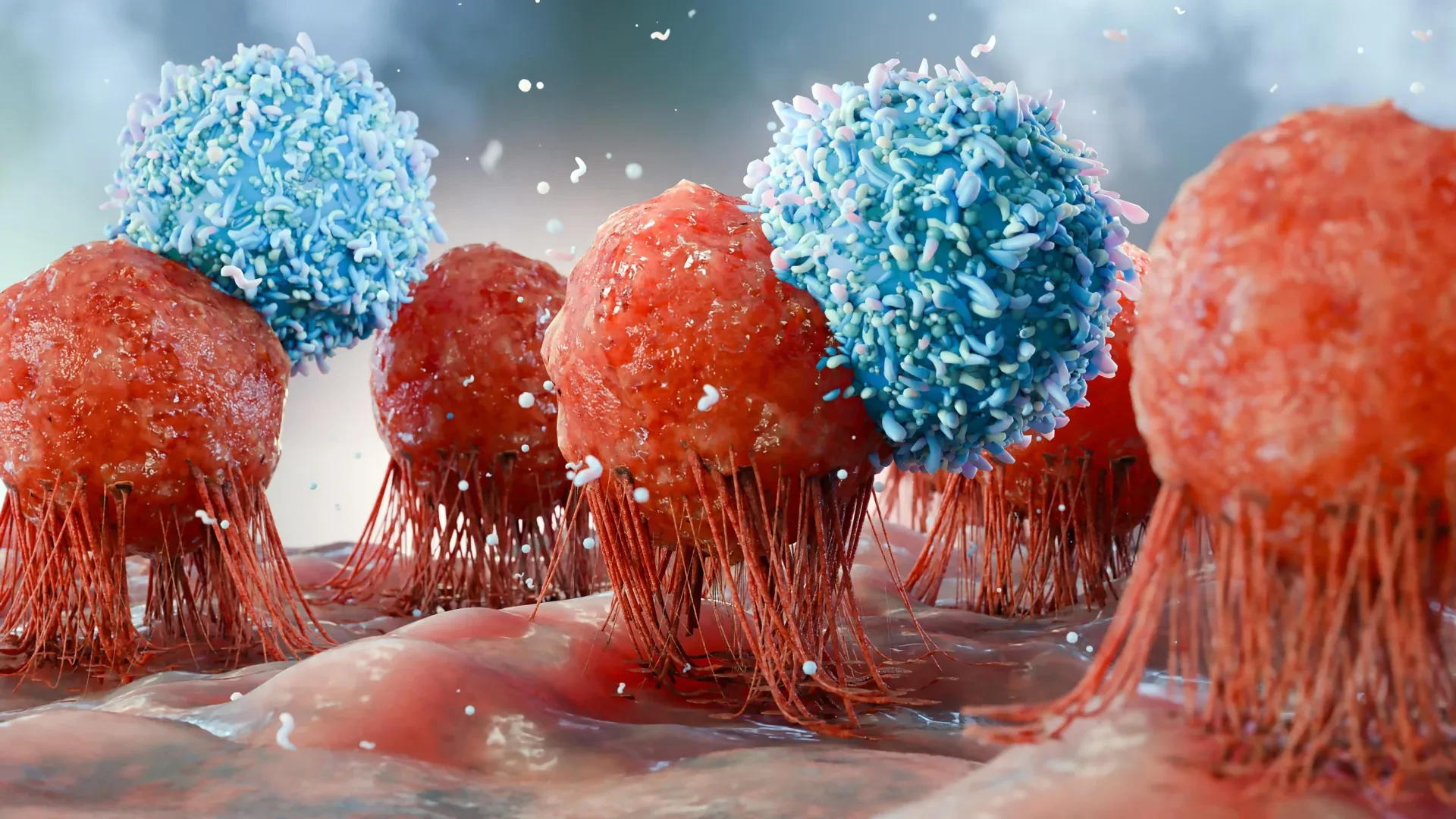
The study, which introduces a new paradigm for how blood and immune cells develop and function, was published in the journal Cell. This innovative approach could directly address and overcome some of the most persistent hurdles in modern cancer treatment, including the severe difficulties associated with manufacturing sufficient quantities of therapeutic immune cells, keeping them viable and active once inside the human body, and effectively targeting hard-to-treat solid tumor masses.
Challenging Long-Held Scientific Dogmas About Cell Development
At the heart of the discovery is a specific population of immature immune cells known as granulocyte-monocyte progenitors, or GMPs. Under normal physiological conditions, GMPs reside further along the cellular developmental pathway and are committed to giving rise to macrophages and other essential immune defenders that protect the body from invading pathogens and coordinate systemic immune responses.
Historically, the prevailing view within stem cell biology and hematology has been that long-term self-renewal—the ability of cells to repeatedly divide while preserving their original identity and properties—is a unique hallmark reserved primarily for hematopoietic stem cells. These master stem cells sit at the top of the blood-forming hierarchy and can differentiate into every major type of blood and immune cell. Progenitor cells like GMPs, by contrast, were widely thought to possess a strictly limited lifespan and a diminishing capacity to multiply before maturing and losing their foundational traits.
The USC Stem Cell-led team upended this long-standing assumption by demonstrating that GMPs can retain robust self-renewal capabilities under carefully optimized and controlled laboratory conditions. Instead of rapidly maturing into end-stage cells, the progenitors continued to multiply extensively while faithfully maintaining their core identity and their unique capacity to generate functional, active immune cells down the line.
"The prevailing view has been that long-term self-renewal in the blood system is primarily a property of the hematopoietic stem cells that can generate any type of blood or immune cell," said the study’s corresponding author, Qi-Long Ying, MD, PhD, a professor of stem cell biology and regenerative medicine at the Keck School of Medicine of USC. "We found that, under the right conditions, GMPs can also self-renew, dividing extensively while keeping their identity and ability to produce functional immune cells. That gives us a scalable starting point for engineering cell therapies for cancer, infectious disease and potentially many other conditions."
This fundamental shift in understanding provides researchers with an infinitely renewable and scalable starting material. Rather than relying on limited samples of mature cells, scientists can now cultivate and engineer these precursor cells in large batches, opening up new avenues for advanced therapeutic development.
Harnessing the Versatility of Macrophages Against Tumors
To appreciate the significance of utilizing GMPs, it is necessary to examine the therapeutic potential and historical limitations of the cells they ultimately produce: macrophages. Derived from Greek words meaning "big eaters," macrophages are among the immune system’s most adaptable and powerful defenders. They possess the physical ability to migrate into tissues, surround, engulf, and destroy bacteria, cellular debris, and malignant cells. Furthermore, macrophages play a critical role in orchestrating broader immune responses by releasing biochemical signals that guide and recruit neighboring immune cells.
For cancer immunotherapy, macrophages represent an extraordinarily attractive vehicle, particularly for tackling solid tumors. While existing engineered cell therapies—such as CAR-T cell treatments—have achieved remarkable success against certain leukemias and lymphomas, treating solid organ tumors has remained a stubborn challenge. Because macrophages naturally migrate deep into complex tissue environments and can infiltrate solid tumor microenvironments, they offer a completely different strategic route for attacking hard-to-reach cancers.
However, translating macrophages into practical, commercial medical treatments has faced severe biological and logistical roadblocks. Once macrophages reach full maturity, their ability to proliferate outside the body drops precipitously, making it nearly impossible to manufacture them in the massive quantities required for a clinical dose. They are also notoriously difficult to modify genetically, and they suffer significant damage during standard freezing, cryopreservation, and storage processes, severely complicating manufacturing and distribution networks.
Even when successfully administered to a patient, mature macrophages present delivery challenges. They frequently become trapped in filtering organs like the lungs and liver rather than distributing evenly throughout the body, and their relatively rapid natural clearance limits how long an infusion remains therapeutically effective. By choosing to work upstream at the level of GMP progenitor cells rather than trying to manufacture mature macrophages directly, the USC researchers successfully bypassed these limitations.
A Defined Chemical Environment for Continuous Expansion
To unlock the potential of GMPs, first author Shi Yue, MD, working in Ying’s laboratory, developed a precisely defined chemical cocktail. This specialized mixture of growth factors and nutrients allowed isolated GMPs to survive, thrive, and multiply continuously in laboratory cultures for extended periods without losing their biological integrity.
Crucially, the chemical environment prevented the progenitor cells from prematurely differentiating into mature immune cells, thereby preserving an actively dividing, renewable population of precursors. Even after undergoing massive expansion cycles in the lab, the GMPs retained their precise molecular fingerprints and maintained their full developmental competence to generate functional macrophages and related immune lineages upon command.
To ensure the reproducibility and broader reliability of this manufacturing breakthrough, the USC team collaborated with researchers in the laboratory of Ravi Majeti, MD, PhD, at Stanford University. The Stanford group independently demonstrated that GMPs could be successfully maintained for prolonged periods and efficiently engineered, providing vital external validation for the technique’s robustness and clinical translation potential.
"This method for the expansion and engineering of GMPs opens the door to numerous translational applications, much like T cell expansion and engineering," noted Majeti, who serves as the Director of the Institute for Stem Cell Biology and Regenerative Medicine at Stanford University. "We have already demonstrated engineering of these cells to drive multiple potent functions, and there is a lot more to be explored."
Programming Progenitors to Recognize and Destroy Malignant Cells
With a reliable and scalable supply of expandable progenitor cells established, the research team turned their attention to programming the cells to actively hunt down and destroy cancer.
The scientists utilized genetic engineering techniques to equip the GMPs with chimeric antigen receptors, commonly known as CARs. These specialized, artificial receptors are designed to bind specifically to target molecular markers displayed on the surface of cancer cells, effectively steering the resulting immune progeny directly toward tumors. While CAR technology is already a cornerstone of modern T cell-based immunotherapy, applying the strategy to progenitor cells that give rise to macrophages represents an innovative expansion of the field.
To amplify the therapeutic impact, the researchers went a step further by engineering some of the progenitor cells to express an additional immune-activating signal. This molecular enhancement was specifically designed to recruit, engage, and stimulate neighboring immune cells—including endogenous T cells—thereby mounting a coordinated, multi-pronged attack against the cancer.
An especially promising aspect of this secondary modification is its potential to function effectively even when the genetic profile of the donor cells does not closely match that of the recipient patient. This characteristic hints at the future possibility of developing "off-the-shelf" cellular therapies. Unlike personalized immunotherapies that require complex, expensive, and time-consuming processing of an individual patient’s own cells, off-the-shelf treatments could be manufactured in advance in large, standardized batches from healthy donors and kept ready for immediate clinical use across multiple patients.
Preclinical Testing Demonstrates Promising Anti-Tumor Activity in Mice
To evaluate the real-world therapeutic value of their engineered progenitor platform, the researchers conducted a series of rigorous preclinical experiments in murine models.
When the engineered GMPs were introduced into mice, the cells successfully homed to and established themselves within the bone marrow and other primary hematopoietic niches. These natural biological microenvironments served as ongoing manufacturing hubs where the implanted progenitors continuously generated fresh waves of engineered macrophages and related immune defenders.
This mechanism offered a stark and advantageous contrast to traditional therapies utilizing mature macrophages. Rather than relying on a static infusion of cells that rapidly clears from circulation, the progenitor-based approach established a self-renewing, internal supply chain capable of replenishing the therapeutic cell population over time. This continuous replenishment strategy helps resolve the rapid clearance and short half-life issues that have historically hindered macrophage-based clinical trials.
When tested in mouse models representing both aggressive blood cancers and stubborn solid tumors, the CAR-expressing GMPs successfully slowed disease progression across the board. The therapeutic efficacy was noticeably enhanced when the progenitor cells carried both the CAR receptor and the secondary immune-activating signal, confirming that stimulating a broader, systemic immune response significantly improves tumor control.
While these preclinical outcomes are highly encouraging, researchers emphasize that the work remains in the laboratory phase. Extensive further study, optimization, and rigorous clinical trials will be necessary to determine whether engineered GMPs can be safely and effectively transitioned to human treatments, particularly given the complexities of introducing self-renewing cellular therapies into patients.
Expanding Horizons Beyond Oncology
Beyond its immediate implications for cancer treatment, the USC discovery holds promise for a wide array of immune-related disorders characterized by functional deficits or genetic defects in the immune system.
In a separate proof-of-concept experiment, the research team investigated the platform’s potential in addressing chronic granulomatous disease. This severe, inherited genetic disorder impairs the ability of specific immune cells to produce reactive oxygen species needed to kill harmful microbes, leaving affected individuals highly vulnerable to recurrent, severe bacterial and fungal infections.
When the researchers administered their engineered GMPs to mouse models of chronic granulomatous disease, the treatment successfully restored the animals’ ability to combat and eliminate dangerous bacterial pathogens. This successful restoration suggests that renewable, genetically engineered immune cell progenitors could eventually serve as transformative treatments for inherited immune deficiencies and stubborn infectious diseases that resist conventional anti-microbial therapies.
Ultimately, the broader lesson emerging from the research is that the developmental maturity stage of an immune cell may be just as critical to the success of a cellular therapy as the specific genetic modifications engineered into it. By intervening earlier in the developmental hierarchy, before cells reach terminal differentiation, scientists may unlock a new generation of immunotherapies that are simpler to manufacture, more adaptable, and capable of maintaining a sustainable, long-term supply of specialized disease-fighting defenders.
"Our study suggests that the future of immunotherapy may depend not only on designing better CAR receptors, but also on choosing the right developmental stage of the cell," Ying concluded.