
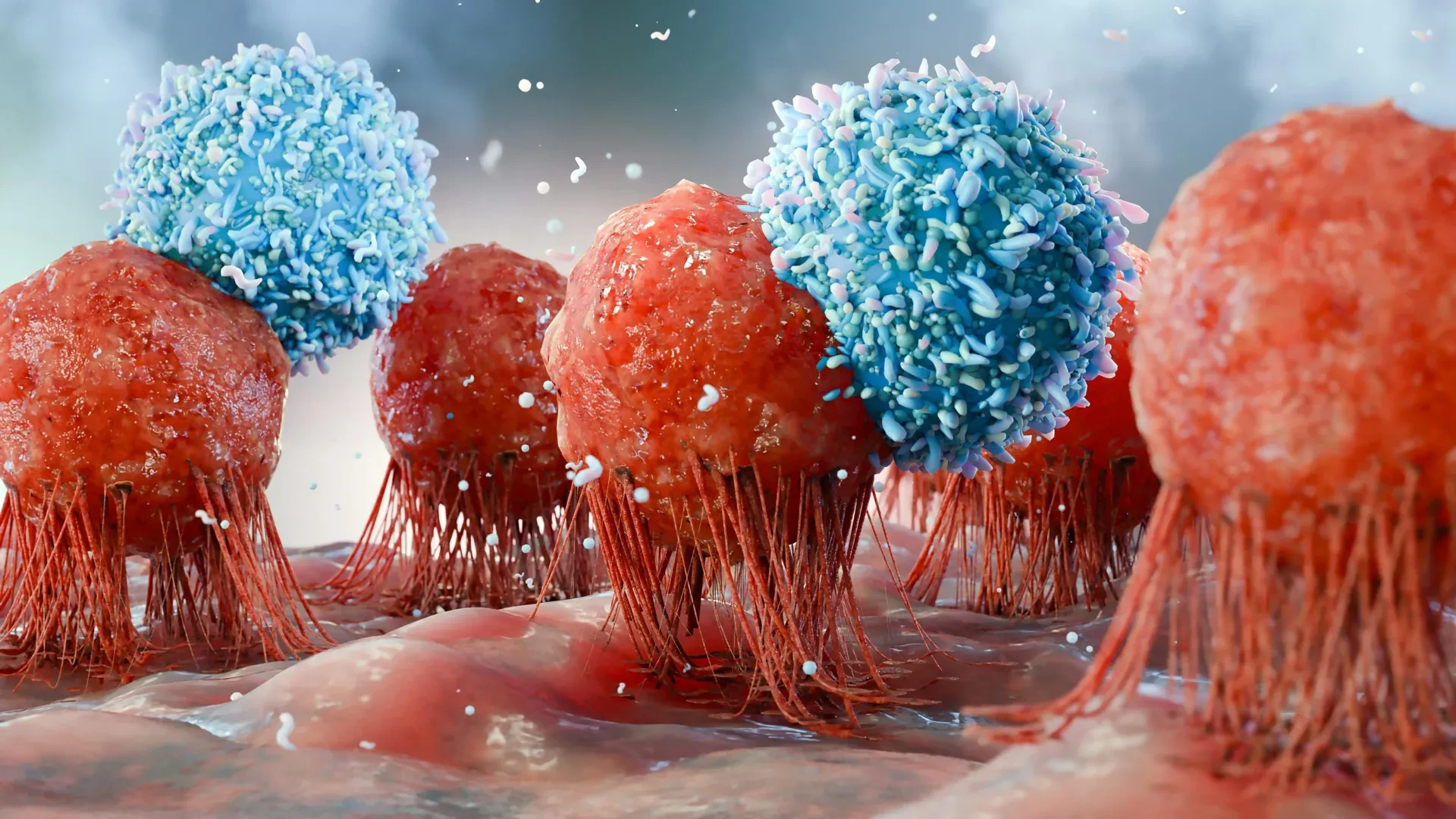
The landmark findings, detailed in a study published in the prestigious scientific journal Cell, address some of the most persistent and formidable bottlenecks in modern cancer immunotherapy. For years, researchers have struggled with the severe limitations of manufacturing an adequate volume of functional immune cells outside the human body and keeping those cells active, stable, and potent once they are administered to a patient. In rigorous preclinical experiments involving mice, the newly engineered cells successfully established themselves within the bone marrow, continuously produced fresh waves of active immune cells, and effectively slowed the progression of both aggressive blood cancers and complex solid tumors.
The multi-institutional research effort was led by a team at USC Stem Cell, which focused heavily on a specific population of immature immune cells known as granulocyte-monocyte progenitors, or GMPs. Under normal physiological conditions, these progenitor cells naturally develop into macrophages and various other essential immune cells that serve to protect the human body against harmful infections and orchestrate complex immune responses. Through careful experimentation, the researchers discovered that GMPs could be cultivated and expanded extensively within a laboratory setting while successfully retaining their fundamental biological capacity to mature into fully functioning immune cells. Furthermore, these cells proved highly receptive to genetic modification, allowing scientists to program them to recognize specific cancer-related molecular markers and simultaneously strengthen broader, systemic immune responses.
Dr. Qi-Long Ying, the corresponding author of the paper and a professor of stem cell biology and regenerative medicine at the Keck School of Medicine of USC, highlighted the broad significance of the work. "The study establishes a scalable and engineerable GMP platform for cellular immunotherapy and introduces concepts that we believe could have broad implications for both cancer immunotherapy and stem cell biology," Ying explained.
Beyond its immediate and highly promising applications in oncology, the discovery challenges long-held biological dogmas regarding the developmental pathways of blood and immune cells. In standard stem cell biology, the extraordinary capacity for long-term self-renewal—the ability of a cell to repeatedly divide while faithfully maintaining its original, uncommitted properties—has traditionally been attributed almost exclusively to hematopoietic stem cells. These master stem cells reside in the bone marrow and are responsible for generating every major type of blood and immune cell found in the body.
Progenitor cells, by contrast, occupy a more advanced stage along the developmental continuum. Because they are already committed to producing a more restricted, limited range of daughter cells, they have historically been viewed by the scientific community as possessing a markedly diminished capacity for long-term self-renewal. However, the USC research team successfully demonstrated that under tightly regulated, carefully controlled laboratory conditions, GMPs can defy this traditional paradigm. Instead of rapidly and irreversibly maturing into terminally differentiated cell types, the progenitor cells continued to multiply exponentially while preserving their unique identity and retaining their robust capacity to generate functional immune cells upon demand.
"The prevailing view has been that long-term self-renewal in the blood system is primarily a property of the hematopoietic stem cells that can generate any type of blood or immune cell," Ying noted. "We found that, under the right conditions, GMPs can also self-renew, dividing extensively while keeping their identity and ability to produce functional immune cells. That gives us a scalable starting point for engineering cell therapies for cancer, infectious disease and potentially many other conditions." This unexpected characteristic could prove vital for clinical applications that demand immense, reliable supplies of custom-engineered immune cells.
To understand the therapeutic value of this breakthrough, it is helpful to examine the unique role that macrophages play in human immunology. Macrophages derive their name from Greek roots translating to "big eaters," a descriptive title that honors their remarkable ability to physically surround, engulf, and destroy bacteria, cellular debris, foreign pathogens, and other unwanted materials. Beyond their role as biological cleanup crews, macrophages act as master coordinators of the immune response. They secrete chemical signals that actively influence the behavior of surrounding immune cells, and certain specialized subsets can actively infiltrate tumor environments to attack cancer cells directly, making them exceptionally attractive candidates for innovative immunotherapies.
Solid tumors—cancers that form distinct masses in vital organs and tissues—have long presented a daunting challenge for cell-based treatments. While therapies utilizing engineered T cells have achieved remarkable successes against certain liquid tumors like leukemias and lymphomas, penetrating and eradicating solid tumors has proven significantly more difficult. Macrophages offer a compelling alternative strategy because they possess a natural biological tendency to migrate directly into tissues and infiltrate solid tumor masses.
However, translating macrophages into practical, off-the-shelf medical treatments has historically been hampered by severe technical hurdles. Once macrophages reach full maturity, they become notoriously difficult to multiply in large quantities outside the living body. They also resist genetic modification, are highly vulnerable to damage during freezing and long-term storage, and present logistical nightmares for pharmaceutical production and clinical distribution. Furthermore, when mature macrophages are infused into a patient, they tend to sequester rapidly in clearance organs such as the lungs and liver rather than dispersing widely throughout the body, and their relatively brief lifespan severely limits the duration of their therapeutic impact.
Seeking to bypass these stubborn physiological limitations, the USC scientists resolved to intervene at an earlier, more malleable stage of cellular development. Led by first author Dr. Shi Yue from Ying’s laboratory, the team concentrated their efforts on GMPs, recognizing their inherent potential to give rise to therapeutic macrophages. By formulating a precisely defined chemical cocktail, the researchers created a specialized microenvironment that allowed GMPs to survive, thrive, and multiply continuously in the laboratory for extended periods. This specific biochemical mixture successfully blocked the progenitor cells from prematurely differentiating into mature immune cells, thereby preserving a perpetually renewable pool of healthy precursors.
Even after undergoing extensive rounds of laboratory expansion, the GMPs faithfully maintained their defining molecular characteristics. Crucially, when reintroduced to the appropriate biological signals, they retained their full ability to develop into functional macrophages and related immune cells. This innovative strategy establishes a paradigm where large quantities of engineered immune cells can be manufactured continuously from an expandable starting population, eliminating the inefficient and costly requirement of repeatedly harvesting and preparing mature cells from individual patients.
To validate the reproducibility and robustness of their discovery, the USC team partnered with independent investigators in the laboratory of Dr. Ravi Majeti at Stanford University. The Stanford researchers independently demonstrated that GMPs could indeed be maintained for extended periods and successfully subjected to genetic engineering, lending substantial external credibility to the technique and reinforcing its viability for future clinical translation. Dr. Majeti, who serves as the Director of the Institute for Stem Cell Biology and Regenerative Medicine at Stanford University, emphasized the broad scope of the breakthrough. "This method for the expansion and engineering of GMPs opens the door to numerous translational applications, much like T cell expansion and engineering," Majeti said. "We have already demonstrated engineering of these cells to drive multiple potent functions, and there is a lot more to be explored."
Building upon this foundation, the research team investigated whether these expandable progenitor cells could be effectively programmed to seek out and destroy cancer cells. The scientists genetically engineered the GMPs to express chimeric antigen receptors, commonly known as CARs. These specialized synthetic receptors allow immune cells to lock onto specific molecular markers displayed exclusively on the surface of cancer cells, thereby directing their destructive activity straight toward the tumor. While CAR technology is already a cornerstone of modern cancer immunotherapy—most notably in T cell therapies—the USC study represents a significant expansion of the technology into progenitor and macrophage-based platforms.
In addition to the CAR modification, the researchers equipped several of the progenitor cells with an extra, complementary immune-activating signal. This deliberate design feature was engineered to recruit, stimulate, and rally nearby immune cells, including native T cells, to join the fight, generating a much more formidable and coordinated antitumor assault. Interestingly, this added signal provided another profound clinical advantage: it remained fully effective even when the immune characteristics of the donor cells did not precisely match those of the recipient. This finding hints at the future possibility of developing standardized, "off-the-shelf" immunotherapies manufactured in advance from healthy donors, contrasting sharply with personalized cell therapies that require painstaking, custom preparation using each individual patient’s own biological material.
When the expanded and genetically engineered GMPs—derived from both murine and human sources—were tested in living mice, the results demonstrated clear therapeutic potential. Upon administration, the progenitor cells successfully homed to the bone marrow and other primary blood-forming niches within the animals. These physiological microenvironments provided a sustainable home where the GMPs could continuously generate fresh supplies of engineered macrophages and related immune defenders from within the body.
This self-replenishing mechanism solved one of the most frustrating problems plaguing traditional macrophage therapies, where infused cells vanish rapidly from circulation. Instead of relying on a finite injection of mature cells that degrade over time, the progenitor-based approach established a renewable, internal manufacturing plant for the patient’s immune system. When evaluated in mouse models afflicted with both aggressive blood cancers and stubborn solid tumors, the CAR-expressing GMPs consistently slowed disease progression. The therapeutic benefits were even more pronounced when the progenitors carried the dual modification of both CAR receptors and the secondary immune-activating signal, which successfully provoked a broader and more resilient antitumor immune response.
Although these preclinical findings offer considerable optimism, researchers emphasize that the work remains in the experimental stage. Rigorous further study, safety evaluations, and clinical trials will be strictly required to determine whether engineered GMPs can be deployed safely and effectively in human patients, particularly over extended treatment regimens where cellular persistence is desired.
Beyond oncology, the USC team also explored whether their innovative approach could be adapted to treat other complex medical conditions characterized by dysfunctional immune defenses. In a separate set of experiments using mouse models, the investigators turned their attention to chronic granulomatous disease, a severe, inherited genetic disorder that cripples the ability of specific immune cells to neutralize dangerous microbes and fungi. Patients suffering from this condition face a lifelong vulnerability to recurrent, severe infections because their immune systems cannot effectively eliminate certain pathogens.
When the researchers administered engineered GMPs to mice exhibiting the genetic disorder, the treatment successfully restored the animals’ compromised ability to combat active bacterial infections. This striking result suggests that renewable, genetically engineered immune cell progenitors might eventually find valuable clinical applications far beyond cancer treatment, extending into the realms of inherited immune deficiencies and stubborn infectious diseases.
Ultimately, the overarching lesson of the study highlights the profound importance of cellular developmental timing in modern medicine. The findings suggest that the future of advanced cellular immunotherapy may depend just as heavily on choosing the optimal developmental stage of a cell as it does on designing sophisticated receptor modifications. By engineering cells before they complete their maturation process, scientists may unlock a new generation of medical therapies that are significantly easier to manufacture, structurally adaptable, and capable of maintaining a continuous, self-sustaining supply of specialized defenders within the human body.
"Our study suggests that the future of immunotherapy may depend not only on designing better CAR receptors, but also on choosing the right developmental stage of the cell," Ying concluded.