
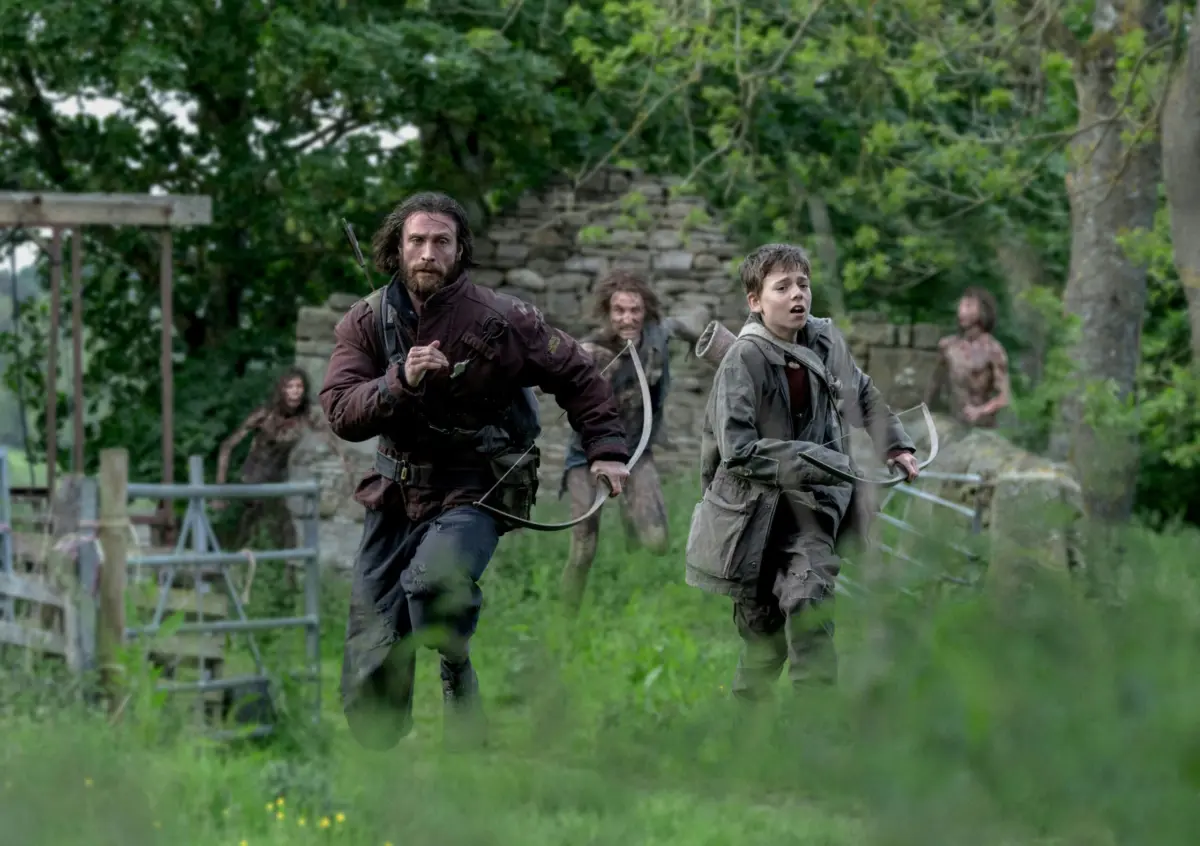
While avoiding major plot spoilers, it is worth noting the way the story speaks directly to the modern condition of masculinity—wading through lost men, toxic lies, and not-so-symbolic alpha males, embodied most terrifyingly by one truly horrific zombie. It is thoughtful, fresh, and deeply resonant. Within the context of the current cultural landscape for boys and men today, it stands out as precisely the kind of bold exploration that society could really use to spark broader conversations.
This cultural moment arrives as public discourse surrounding the state of manhood intensifies across media platforms. Just two months ago, Scott Galloway, a professor of marketing at New York University and a media tour de force affectionately known on his podcast as Prof G, took to the daytime talk show The View to talk, as he so often does, about the evolving definition of masculinity.
Addressing the panel and studio audience, Galloway offered a perspective that was met with a surprising degree of total agreement. "I like the idea of restoring an aspirational vision of masculinity," he told the room. "I don’t think there’s anything wrong with leaning into your femininity or masculinity if it feels natural."
In his view, this constructive and aspirational vision of masculinity is anchored by three foundational pillars: the provider, the procreator, and the protector.
When addressing the role of the provider, Galloway emphasized economic responsibility and emotional maturity. "Every man at the outset of his career should take economic responsibility for his household," he stated during his appearance. He added that sometimes fulfilling this duty means "getting out of the way" of a more successful partner, while at other times it calls for stepping up and taking charge.
Regarding procreation, Galloway suggested that men should learn to channel "that fire of desire" in ways that elevate their character, making them "better men—kinder, stronger, thinking about how you dress… showering, for God’s sake."
Finally, Galloway argued that within an aspirational vision of masculinity, a man’s "default operating system is protection." He described this as a much more gentle and empathetic pillar than it might initially sound on its face. "A lot of women don’t feel safe on the subway," he explained, pointing out how common it is for women walking down the street to cross to the opposite sidewalk to avoid men. He attributes this pervasive sense of unease to men eschewing their fundamental duty as protectors. Furthermore, Galloway noted that this protective instinct extends beyond the physical realm. "When you see a group being demonized, your default setting as a man is you move to protection."
In 28 Years Later, young Spike finds himself chasing this exact conceptual view of masculinity headlong through a series of grueling trials. He acts as the provider by chasing down the critical health care his mother desperately needs while his father remains neglectful and absent. He acts as the protector by shielding her from the relentless zombie threat and safeguarding his own mind from local indoctrination. While he is not yet chasing procreation at just 12 years old, he actively rejects his father’s philandering and irresponsible example. The fact that Spike must navigate these challenges within a brutal, post-apocalyptic landscape in many ways brings a harsh clarity to his vision. When worldly comforts are stripped away entirely, moral clarity inevitably arises.
Interestingly, Danny Boyle and Prof G share a common cultural thread: they are both speaking to the broadest possible audiences about complex topics that so many men historically limit to private conversations with other men. With 28 Years Later raking in over $100 million at the box office already and The View commanding its own massive, diverse daytime television audience, it is refreshing to see such meaningful discussions spilling out into the open public square.
Masculinity is making a noticeable comeback in cultural conversations, and it is finally time to talk about it openly.