
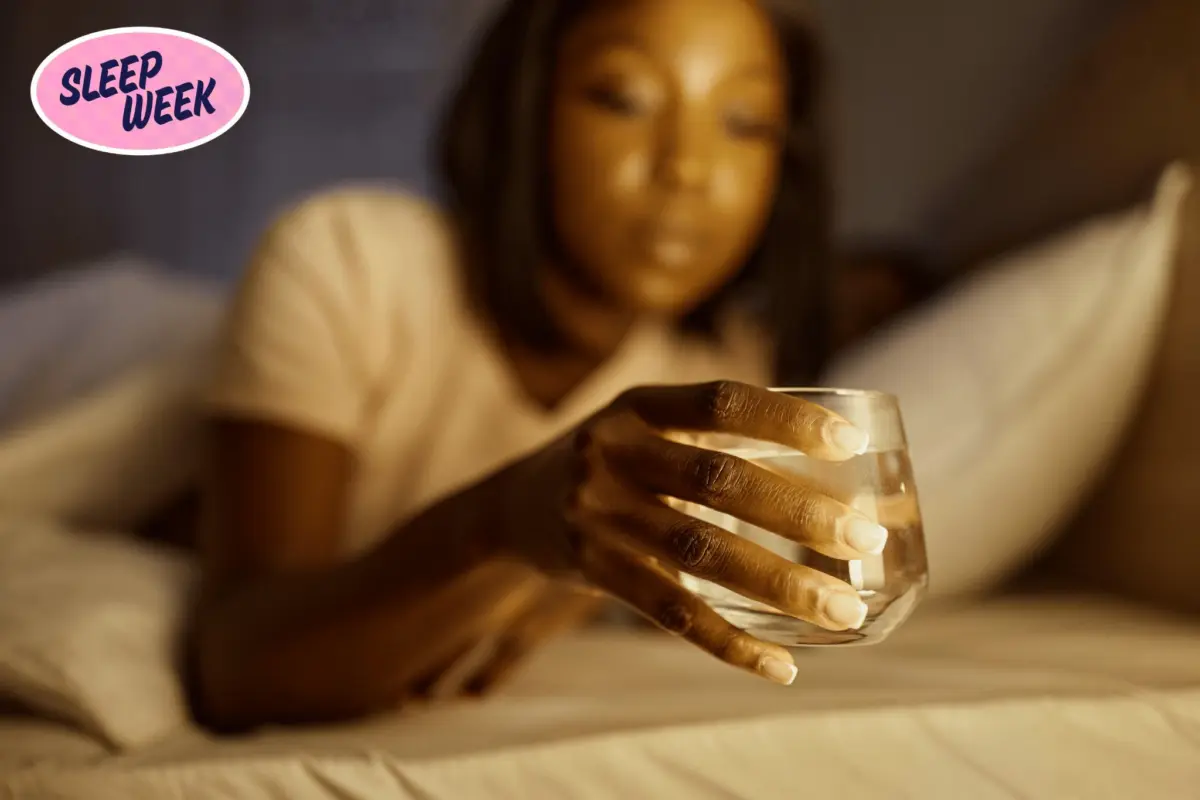
Sleep deprivation is a form of torture, a harsh truth that every adult eventually discovers the hard way. While parents experience an intense, unrelenting form of sleep deprivation when bringing home a newborn and navigating the subsequent years of early childhood, some individuals find that sleep never came easily to begin with. Long before babies ever entered the picture, certain people were already well-acquainted with the wee hours of the morning, intimately familiar with what it feels like to be wide awake all night, every night.
Reflecting on childhood, memories often feature long, agonizing stretches of time spent lying awake in bed before finally drifting off. Racing thoughts about everything and nothing would dominate the quiet hours. Many children resort to coping mechanisms: dream catchers hung above beds to ward off nightmares, worry dolls placed under pillows to hold anxieties until morning, or bedroom television volumes turned down low to a comforting, familiar show. At sleepovers, chronic insomniacs are invariably the last to fall asleep, if they manage to stay overnight at all.
For many, formal anxiety diagnoses do not arrive until college or later years, but gaining insight into the brain eventually provides a clearer understanding of why restful sleep remains so elusive. When a person’s nervous system is perpetually stuck in a fight-or-flight mode, waking up at the slightest sound and struggling to wind down at the end of the day becomes a nightly battle.
By 2019, after spending hours every night waiting for sleep to arrive while a partner was already fast asleep, the frustration reaches a critical breaking point. Countless alternative methods are often attempted—guided meditations featuring squawking seagulls, binaural beats, and exhaustive daytime exercise aimed at physical depletion—yet insomnia frequently reaches a frustrating new intensity. This chronic lack of sleep severely exacerbates anxiety and depression, leaving individuals looking and feeling utterly bedraggled. Seeking medical intervention often leads to a prescription for trazodone.
While trazodone is technically an antidepressant rather than a true sedative, it is frequently prescribed off-label to treat insomnia because it induces a similar relaxing, drowsy sensation. Doctors often reassure patients that it is not a controlled substance and carries a very low risk of addiction, though mentally, patients might start to feel a psychological reliance on it to sleep. If a patient dislikes feeling dependent, alternatives can be explored. Yet, when patients ask if the medication is going to be discontinued or if it poses long-term health risks, the reassuring answer is almost always no. For chronic sufferers, a psychological reliance is a small price to pay for a full night of rest, leading many to take it every single night without looking back.
Research has shown repeatedly that regularly sleeping well is a fundamental quality-of-life indicator. A persistent lack of sleep negatively impacts every system of the human body, weakening the immune system, worsening mental health, and increasing the risk of countless medical conditions ranging from high cholesterol to Alzheimer’s disease. Statistically, women are twice as likely to experience insomnia as men. Experts attribute this disparity to natural hormonal fluctuations throughout the month, the heavy mental load women often carry within families, and a higher vulnerability to mood disorders.
Yet, even though these medical facts are widely known, utilizing sleep aids—whether prescription medications or over-the-counter supplements like melatonin—remains heavily stigmatized. British researchers who conducted focus groups with individuals using prescription sleep medications and supplements discovered a profound level of internalized stigma. Even when sitting in a room full of peers who also relied on sleep aids, participants were exceedingly careful and deliberate in how they justified their need for medication.
Participants consistently framed their reliance around specific narratives: they felt they were "deserving" because chronic pain or anxiety made unmedicated sleep impossible; they were "compliant" by taking medications strictly as prescribed or labeled; and they were "responsible" by constantly monitoring themselves for signs of misuse. They also expressed extreme guilt over occasionally needing higher doses or alternative medications when their usual prescriptions failed to work.
When readers were recently surveyed on social media about whether they take anything to help them fall asleep at night, those same feelings of stigma surfaced immediately. Multiple respondents admitted to taking over-the-counter medications like Gravol during bouts of severe insomnia, describing it as a horrid habit or a last resort reserved for when things got truly desperate. Others confessed to relying on quarters of an Ambien tablet, calling the dependency terrible, or noting that they had not experienced an unmedicated sleep in over seven years.
Of course, many respondents felt no shame whatsoever. When asked if they take anything to fall asleep, simple and direct answers like "WINE" reflected a blunt honesty. Other respondents openly cited trazodone, Unisom, or various sleep aids. Cannabis, whether consumed via vape or gummy, is also an extremely popular option. Additionally, a significant number of replies pointed to magnesium and progesterone intake to manage perimenopause symptoms, noting that hormone replacement therapy (HRT) was finally the breakthrough that allowed them to sleep through the night.
Yet, one particular response captures the complex sentiment surrounding the entire subject: "Oh lord I’m so medicated. But it’s working."
Even on days when a person feels they should not need external help to sleep—wondering if they could wellness-hack or optimize their way out of taking a pill every night—the stark reality remains that chronic sleep deprivation is dangerous. Individuals who struggle with sleep night after night understand how rapidly both mental and physical health can plummet. Insomnia decimates quality of life, locking personality and joy away behind an inaccessible wall, while simultaneously eroding longevity and personal relationships.
While it is important to acknowledge that not everyone manages their sleep in a healthy way or maintains a faultless relationship with substances, validation is desperately needed. Not getting enough sleep is, in fact, torturous. More mothers need to hear that they deserve to sleep well and that their healthcare providers want to hear from them if they feel abnormally tired during the day. Ultimately, women need to internalize the idea that living in the modern world is challenging enough; individuals should at least be permitted to face each new day without feeling like a mere shell of themselves. And that is why countless individuals are entirely unashamed of their nightly medication routines.