
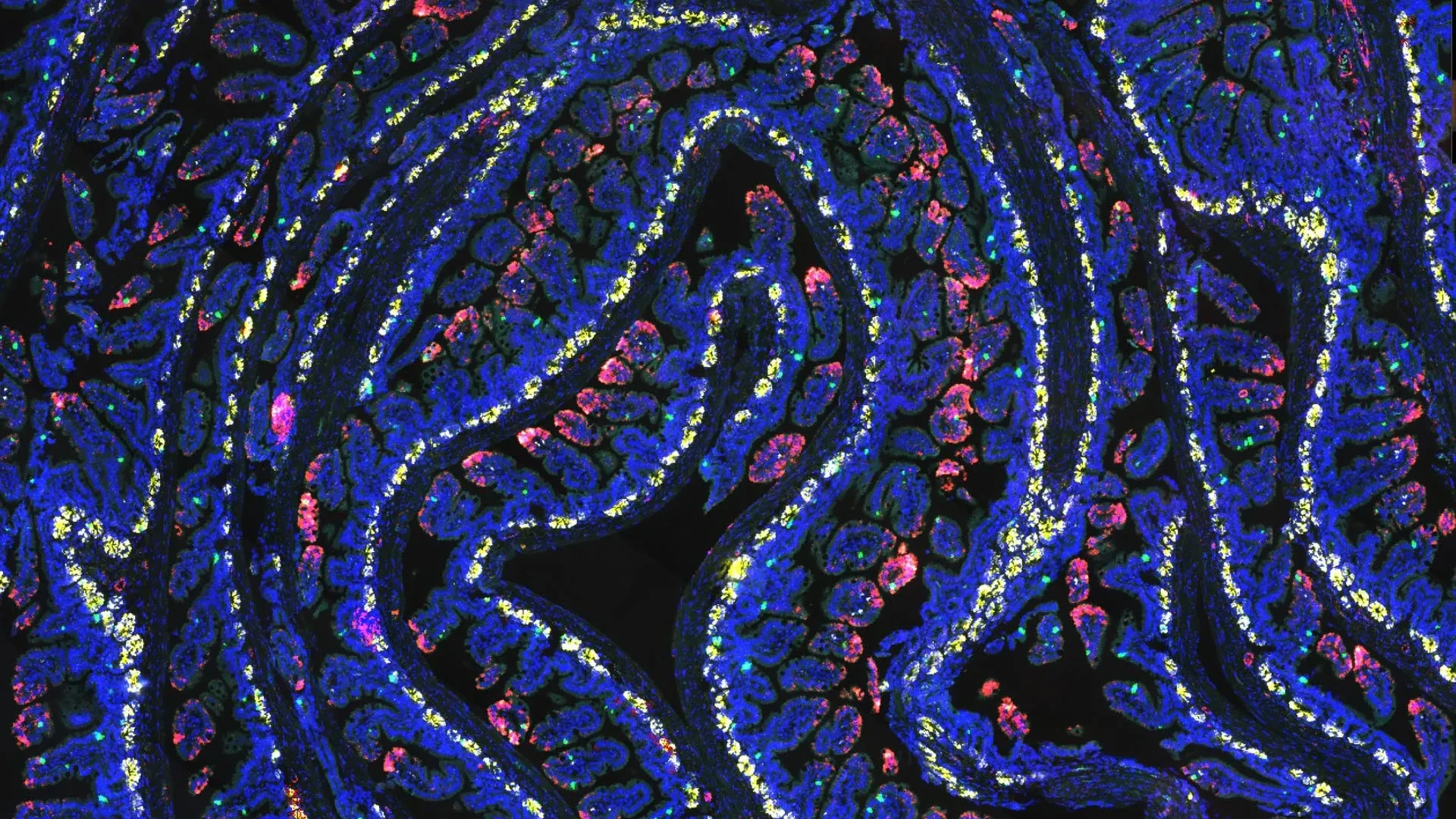
A 24-hour fast may help prepare the intestines to recover from the damaging effects of radiation therapy, but scientists have discovered that a particular gut bacterium plays a crucial role in making this biological defense mechanism possible. New preclinical research from The University of Texas MD Anderson Cancer Center has successfully revealed how periods of fasting and beneficial microbes work together in tandem to activate the human body’s natural tissue repair mechanisms.
The findings, which hold significant promise for oncology, could eventually lead to entirely new ways to protect healthy tissue during cancer treatment. By improving the intestine’s innate ability to bounce back and recover from radiation exposure, researchers ultimately hope to reduce severe, debilitating side effects and potentially make radiation therapy both safer and more effective for patients battling various forms of disease.
Published in the Proceedings of the National Academy of Sciences, the study was co-led by Helen Piwnica-Worms, Ph.D., professor of Experimental Radiation Oncology, and Kunal Rai, Ph.D., professor of Genomic Medicine at the prominent cancer center.
"Fasting helps prepare intestinal cells to respond more quickly and effectively after injury, almost like training the cells with an emergency preparedness plan," Piwnica-Worms explained. "This study helps explain how that plan is organized and identifies a key bacterium involved in coordinating the response."
Why Radiation Therapy Can Damage the Intestines
Radiation therapy remains a cornerstone of modern oncology and is widely utilized to treat a broad spectrum of cancers located in the abdomen, including pancreatic, colorectal, and gynecologic malignancies. Although high-energy radiation is remarkably effective at destroying cancer cells and shrinking tumors, it inherently carries collateral damage, often harming nearby healthy tissue in the process.
The small intestine is particularly vulnerable to this type of treatment because its delicate cellular lining is exceptionally sensitive to radiation exposure. When this vital protective lining becomes damaged by therapeutic beams, patients frequently experience a cascade of distressing symptoms, including severe nausea, chronic diarrhea, and painful infections.
In more extreme cases, severe injuries to the intestinal lining can cause life-threatening complications that require immediate medical intervention. Beyond immediate patient suffering, these physiological risks can severely restrict the total amount of radiation physicians can safely administer, potentially compromising treatment options and limiting overall therapeutic efficacy.
Previous preclinical research originating from the Piwnica-Worms Laboratory demonstrated that subjecting models to a fast prior to radiation exposure helped the intestines recover much more effectively afterward. However, despite observing this phenomenon, researchers had not yet fully determined the precise biological mechanisms driving why going without food produced such a marked protective effect.
The latest study provides an essential, missing piece of that complex scientific puzzle by identifying a specific gut bacterium and detailing the precise cellular pathways through which it helps intestinal cells prepare for impending injury.
How a 24-Hour Fast Activates Gut Repair
To uncover these hidden mechanisms, the researchers closely examined the physiological shifts occurring within the digestive tract during periods of nutritional deprivation. They found that a strict 24-hour fast substantially increased the abundance of a specific, beneficial bacterium known as Akkermansia muciniphila, frequently referred to simply as AKK, residing within the small intestine.
This specialized microbe naturally produces a metabolic substance called propionate. Propionate acts as a chemical messenger, helping to trigger profound changes inside intestinal cells that render them significantly better prepared to regenerate following radiation damage.
Propionate works in direct concert with other metabolic changes induced by fasting to modify vital proteins known as histones. These structural proteins serve as the physical spools around which DNA is tightly packaged inside living cells. Small chemical markers that are added to these histones can heavily influence which specific genes become actively transcribed without altering the underlying, permanent DNA sequence itself.
These targeted chemical modifications make portions of the cellular DNA far more accessible, allowing cells to rapidly switch on genes deeply involved in tissue regeneration and cellular repair. During the fasting window, a specific population of intestinal cells carrying these primed repair programs becomes notably more abundant throughout the tissue.
In effect, fasting helps prime these resilient cells with the exact biological instructions they will require if an unexpected injury occurs. When the intestines are subsequently exposed to high doses of radiation, these pre-conditioned cells can rapidly expand and help rebuild the compromised intestinal lining much faster than unprimed tissue.
One Gut Bacterium Proves Essential for Recovery
To rigorously test whether AKK was truly indispensable to this regenerative process, the research team selectively removed the bacterium from the experimental models. Strikingly, without the presence of the microbe, fasting no longer produced the same protective, regenerative benefits.
Even more revealing, the protective physiological response triumphantly returned only when the bacterium was successfully restored in combination with the fasting protocol. This crucial control demonstrated definitively that neither component alone was sufficient to reproduce the full, robust protective effect observed throughout the study.
The results strongly suggest that fasting does far more than just temporarily alter the gut’s overall metabolism. Working hand-in-hand with AKK, it fundamentally alters the activity profile of intestinal cells long before radiation exposure ever occurs, placing them into a specialized, resilient state that supports vastly more efficient recovery after physical damage is sustained.
By uncovering this intricate connection between nutrition, resident gut bacteria, and cellular regeneration, the researchers have successfully identified a potential new paradigm for strengthening the body’s natural response to tissue injury. This discovery could prove especially valuable for protecting delicate healthy organs during the grueling course of cancer treatment.
Could Gut Bacteria Make Cancer Treatment Safer?
Although the laboratory results are remarkably promising, the research remains strictly in the preclinical stage. Additional rigorous studies will be required to determine whether this exact same protective mechanism operates identically in humans and whether it can safely and effectively improve clinical outcomes for patients actively receiving radiation therapy.
One exciting possibility is that this newly discovered molecular pathway could eventually be harnessed to help other healthy human tissues recover from the systemic toll of cancer treatment. Researchers are particularly interested in exploring tissues characterized by rapidly dividing cells, including bone marrow, which are also notoriously prone to suffering severe treatment-related damage.
If future clinical investigations successfully support these foundational findings, upcoming clinical trials could eventually explore whether safely activating this natural repair mechanism directly benefits patients undergoing challenging abdominal radiation therapy.
Importantly, this discovery may also provide alternative ways to achieve these exact same protective effects without ever requiring patients to undergo difficult periods of fasting. Novel treatments involving administered beneficial bacteria or the specific metabolic molecules they produce could potentially stimulate similar tissue repair processes while entirely avoiding the practical hardships and nutritional challenges of food restriction during active cancer care.
"Fasting is not always practical for cancer patients, and this work supports several other potential ways to enhance recovery after treatment," Rai noted. "Whether through dietary interventions, targeted microbes or their metabolites, the goal is to help repair healthy tissue more effectively while patients receive the cancer therapies they need."
The research was generously funded by the National Cancer Institute (NCI), a division of the National Institutes of Health (NIH), alongside the Cancer Prevention and Research Institute of Texas (CPRIT).