
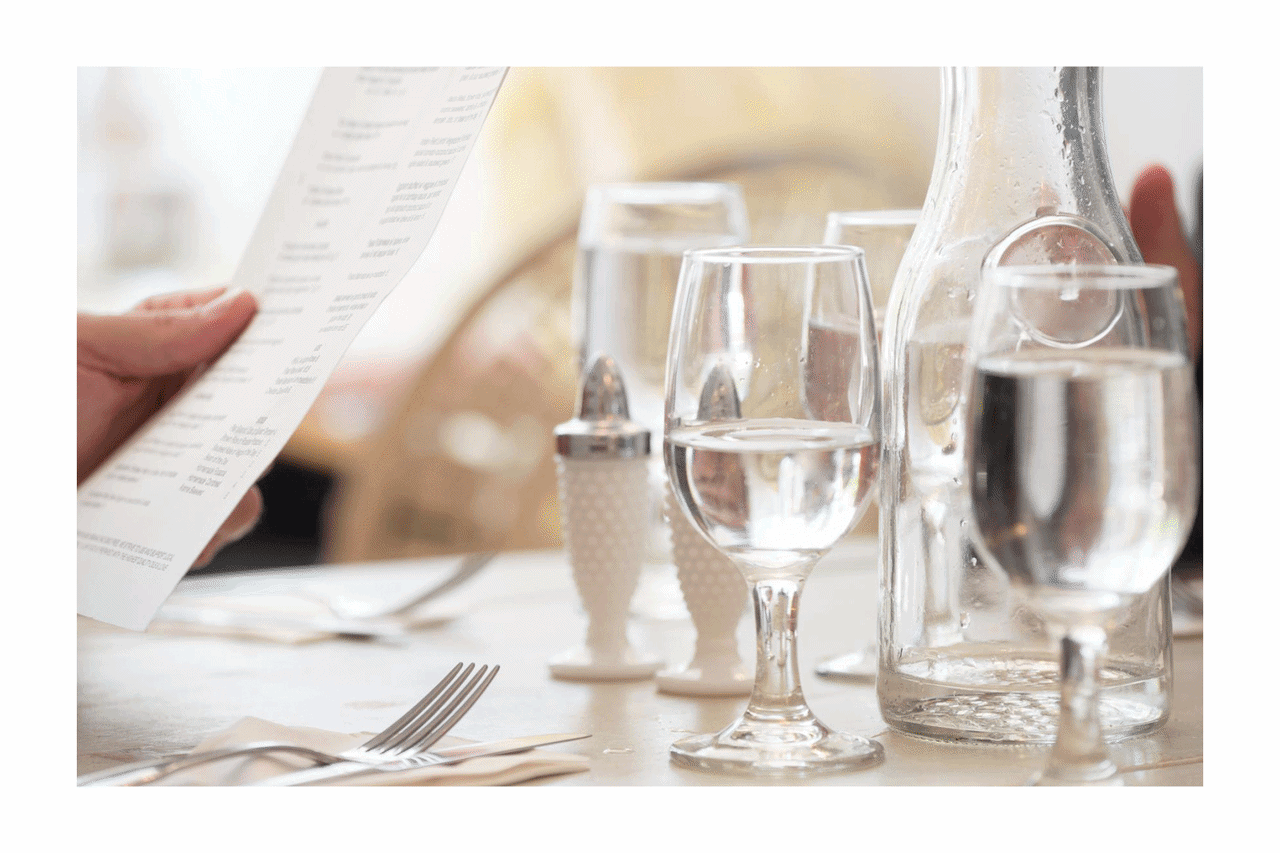
All this week, the Eater Today newsletter has been dedicated to editor hot takes, offering a way to release the pressure valve of crankiness that comes with sweating your way through the end of summer. As part of that ongoing series examining modern dining culture, the debate over how restaurants handle our most basic hydration needs has taken center stage.
Filtered tap. Please, just bring filtered tap.
More and more often, a meal—even at ostensibly casual restaurants—begins not only with an attempted upsell, but with a question that has come to be dreaded because of the weird stigma attached to the inevitable response.
You sit down at your table. Your server materializes. The question arrives: “Still or sparkling?” A beat follows. “Or filtered tap?”
Ninety-nine percent of the time, diners want filtered tap. They do not want to pay $11 for Evian, which tastes worse than filtered tap in most major cities—often tasting vaguely like water from a hotel pool—and reaches room temperature at an alarming rate. Should a diner yearn for a bottle of Pellegrino, they are well aware that it can be summoned at any point during the meal. But it is the framing of the ask that troubles so many patrons, suggesting that filtered tap is the inferior, lowly choice, as though the server has been asked to go out back and fill the glasses with a hose in the alley. Cheers to Khushbu Shah—cookbook author, Eater reporter, and former Food & Wine restaurant editor—who named her newsletter Tap Is Fine!, a perfect name that commands universal envy among food writers.
It is a strange way to begin an experience ostensibly centered on hospitality. Before a customer has even had a chance to look at the menu, order a guava mezcal margarita, or fully settle into a chair, they are being asked whether they would like to turn the most basic necessity on the table into a line item on the bill. Restaurants have plenty of opportunities to sell things—that is, fundamentally, why people go out to eat—but surely the first sip of water can remain outside the machinery of the upsell.
The growing prevalence of this question feels suspiciously like diners are wriggling under the thumb of Big Sparkling Water. While some people occasionally partake in a canned sparkling water brand like Spindrift, many have not personally fallen victim to the seltzer fixation sweeping the nation, even as they see the squeeze of its fizzy grip everywhere. One former restaurant industry worker once shared that a colleague drank a case of La Croix every single day. While it is hard to make a case that drinking lots of sparkling water is bad, aside from maybe resulting in a lot of gassy people who have to keep an eye on their dental enamel, the mania for it irks many observers.
Admittedly, some of this annoyance may stem from a broader frustration with people who think they are above tap water. A Brita pitcher in the kitchen is great; many people at home exclusively drink the filtered tap from their refrigerators. But looking back, living situations frequently highlight these cultural divides over water. Sharing a tiny Brooklyn apartment a decade ago with a roommate who would drink only Smartwater—insisting it had a preferable taste over tap and better nutritional value—created a memorable domestic flashpoint. The apartment’s garbage can filled rapidly with empty plastic bottles day after day, and the roommate did not seem especially interested in taking out the trash more frequently as a consequence. Frankly, after a harrowing incident involving rats near the building’s dumpster, neither was anyone else. Between the single-use plastic and an unwavering, unsubstantiated belief in bottled water’s superiority, Smartwater became a persistent source of household tension.
The reality is that in America, most tap water is fine. In New York City, it is basically the nectar of the gods. In Los Angeles, its reputation—which many find accurate—is that it is sometimes unpleasant straight from the tap, though it is surprising to remember that a couple of decades ago, Los Angeles tap water used to win awards for its flavor. But that is precisely what the filter is for.
Here is a radical proposal: Just bring filtered tap, ideally with ice, since this is not Europe. For the bottle experience, put a carafe on the table, fill everyone’s glasses, and let diners begin their evening without making hydration their first purchasing decision. If water conservation is a major concern, as it is in some regions, ask simply, “Would you like some water?” without any implication that it should be bottled. List mineral and sparkling water options on the menu with their respective prices, exactly like any other beverage.
Nobody is deprived of Pellegrino. Nobody is being forced to drink municipal sewer water—advocating for the filter remains standard practice. And nobody has to sheepishly say “tap is fine” with any ounce of embarrassment, regardless of the restaurant’s level of prestige. If you are part of the seltzer cabal, order it as you would any other beverage from the menu.
In fact, filtered tap isn’t merely fine. Modern plumbing and filtration are true wonders of civilization. You turn on a faucet, and clean, potable, decent-tasting water comes out. It is time to free diners from the water upsell, allowing everyone to sit down and be delighted to receive filtered tap.