
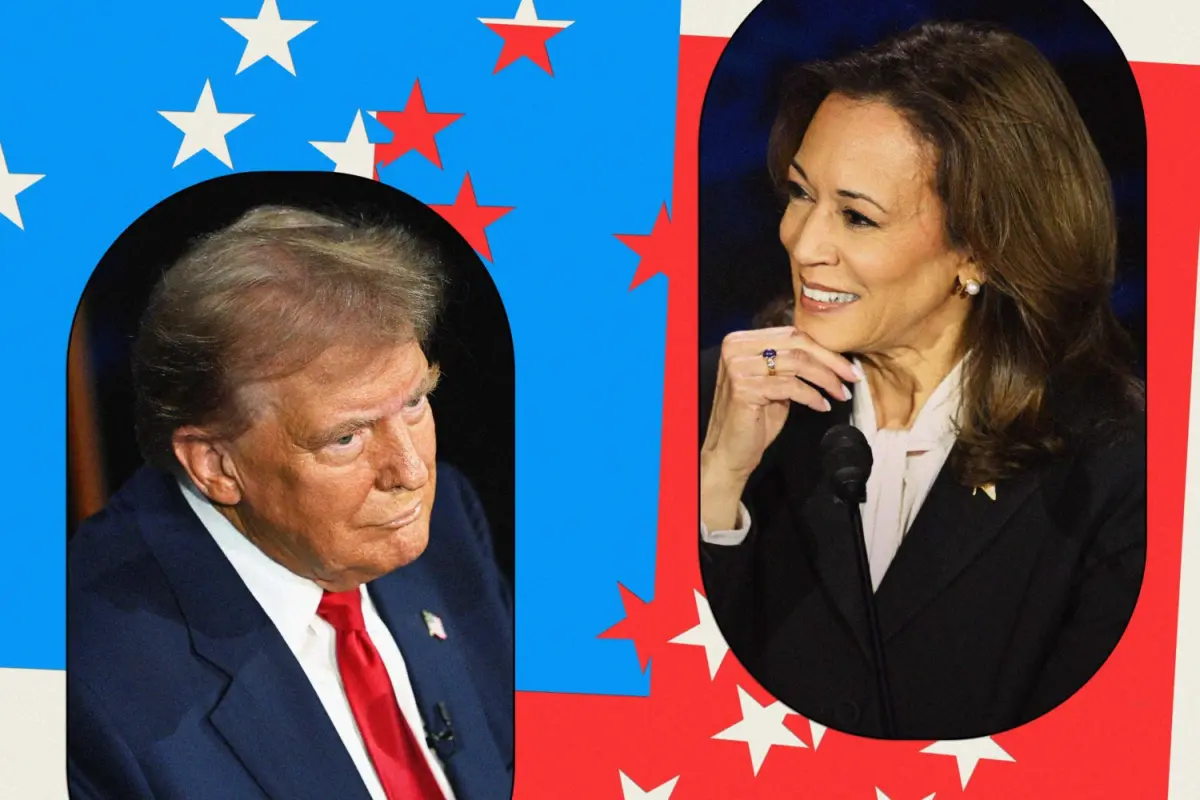
As the United States barrels through another high-stakes presidential election cycle, voters are once again being bombarded by a familiar barrage of political messaging. From campaign rallies in key swing states to targeted digital advertisements, candidates from both sides of the aisle are fiercely debating the state of the economy. For financially literate individuals, however, much of this ongoing political theater—characterized by the familiar rivalry between the Democratic and Republican platforms—demands very little of our daily attention. Standard civic engagement involves conducting personal research, casting a ballot, and then swiftly returning our focus to matters within our immediate circle of control.
Yet, amidst the routine bickering over policy and partisanship, one critical domain persistently demands correction: money, the broader economy, and the overarching wealth of the nation. Politicians have historically struggled with technical subjects spanning science, technology, and economics, but the discourse during the current election cycle has reached a particularly superficial level. In their efforts to sway undecided voters, candidates increasingly rely on ideas driven by irrational emotions rather than sound economic fundamentals.
A striking example of this dynamic involves opposition candidates attacking the incumbent administration over a perceived "bad economy." In stark contrast to these political narratives, the U.S. economy is objectively stronger than it has ever been, accompanied by historically low unemployment rates. It is challenging to conceptualize a more robust macroeconomic environment. In fact, the recent bout of higher inflation serves as a clear indicator that economic activity was proceeding at a rapid pace, necessitating a deliberate intervention via higher interest rates to apply the brakes.
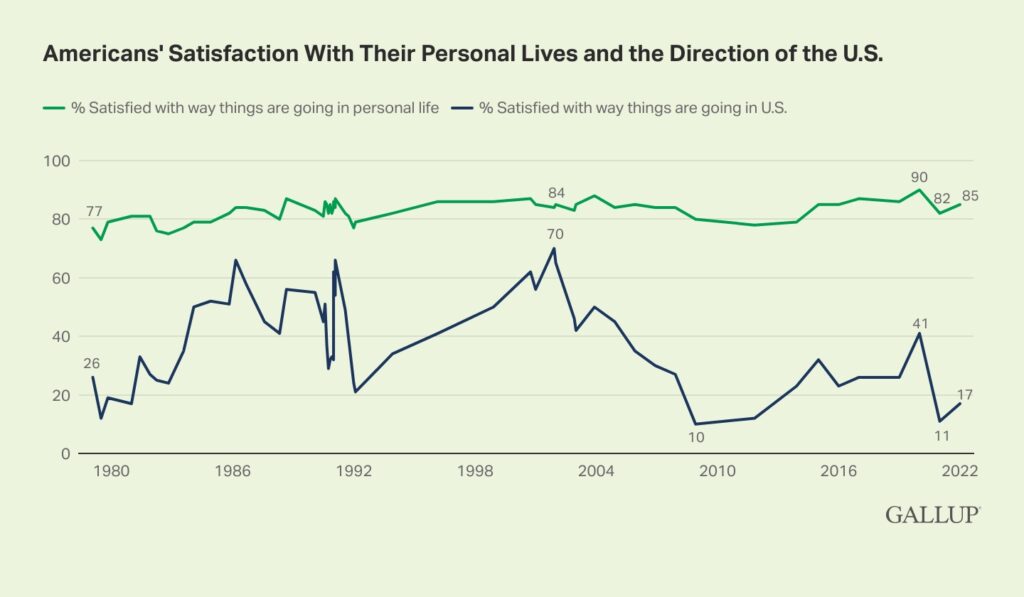
Despite these positive indicators, public perception remains remarkably pessimistic. Recent Gallup polling data illustrates a profound disconnect between personal financial reality and broader economic sentiment. While roughly 85 percent of respondents report that they are personally doing very well, only 17 percent believe the national economy is performing well. Statistically, this widespread disconnect is a mathematical impossibility; if the vast majority of individuals are thriving financially, that condition precisely defines a healthy economy. This widespread divergence in perception correlates closely with the modern proliferation of social media misinformation.

Rather than serving as conduits for accurate information, politicians and sensationalized media outlets frequently move in the opposite direction. While it is always an option to tune out the political noise entirely, maintaining an accurate understanding of economics carries tangible benefits. The more precisely one understands the true mechanics of the financial system, the better positioned individuals are to build and preserve wealth.
The President Does Not Control the Economy
A cornerstone of modern campaign rhetoric is the notion that the sitting president bears direct responsibility for macroeconomic conditions. When a recession strikes, the opposition party invariably blames the White House. Conversely, when the economy experiences a period of robust expansion, the current administration is quick to claim personal credit for the success. In reality, the U.S. economy is far too massive—and thankfully far too decentralized—for any single political figure to control or fundamentally direct.
The American economy functions as a colossal machine that continually converts human labor and raw materials into tangible goods and services, ranging from consumer electronics and medical facilities to everyday commodities. Although the United States represents the largest individual economy, accounting for approximately 26 percent of global economic activity, it remains deeply intertwined with the remaining 74 percent of economic production generated by the rest of the world’s population.
When economic systems experience inevitable boom-and-bust cycles, these fluctuations are primarily driven by psychological waves of irrational exuberance and greed, such as the pre-2007 housing boom, followed by predictable periods of extreme fear and pessimism, exemplified by the financial crisis of 2008 through 2012. While governmental policies—including tax structures and regulatory frameworks—play a contributing role, the downstream effects of these policies are frequently delayed and unpredictable. Consequently, establishing a direct, immediate causal link between today’s executive branch and today’s macroeconomic indicators is fundamentally flawed. The government may adjust the rudder of a massive ship, but in the short term, the economy inevitably lurches in response to broader oceanic currents and storms.
The Illusion of Presidential Influence Over Interest Rates
Another recurring theme in campaign messaging involves candidates expressing profound sympathy for middle-class Americans grappling with higher borrowing costs on credit cards, auto loans, and mortgages, while vowing to personally force interest rates down. In some instances, political figures have openly criticized independent Federal Reserve board members, even floating proposals to assert direct executive control over the central bank.
In practice, monetary policy serves as a vital regulatory mechanism rather than a political tool to be wielded by a sitting executive. When economic momentum slows and unemployment rises, strategic reductions in interest rates provide a necessary stimulus to employment and equity valuations. Conversely, when economic activity overheats, rapid inflation can destabilize the financial system. Allowing a president direct control over these monetary levers, as historical examples in other nations demonstrate, would introduce catastrophic volatility into the financial markets.
Navigating Inflation, Wages, and Corporate Realities
Campaign arguments surrounding recent inflationary pressures often overlook fundamental economic metrics. Following the disruptions of the COVID-19 pandemic, the economy experienced a period of rapid inflation driven by a rare convergence of supply chain bottlenecks, factory closures, remote work shifts, low interest rates, and robust demand fueled by government stimulus spending. As global supply chains normalized, inflation subsided to standard historical levels.
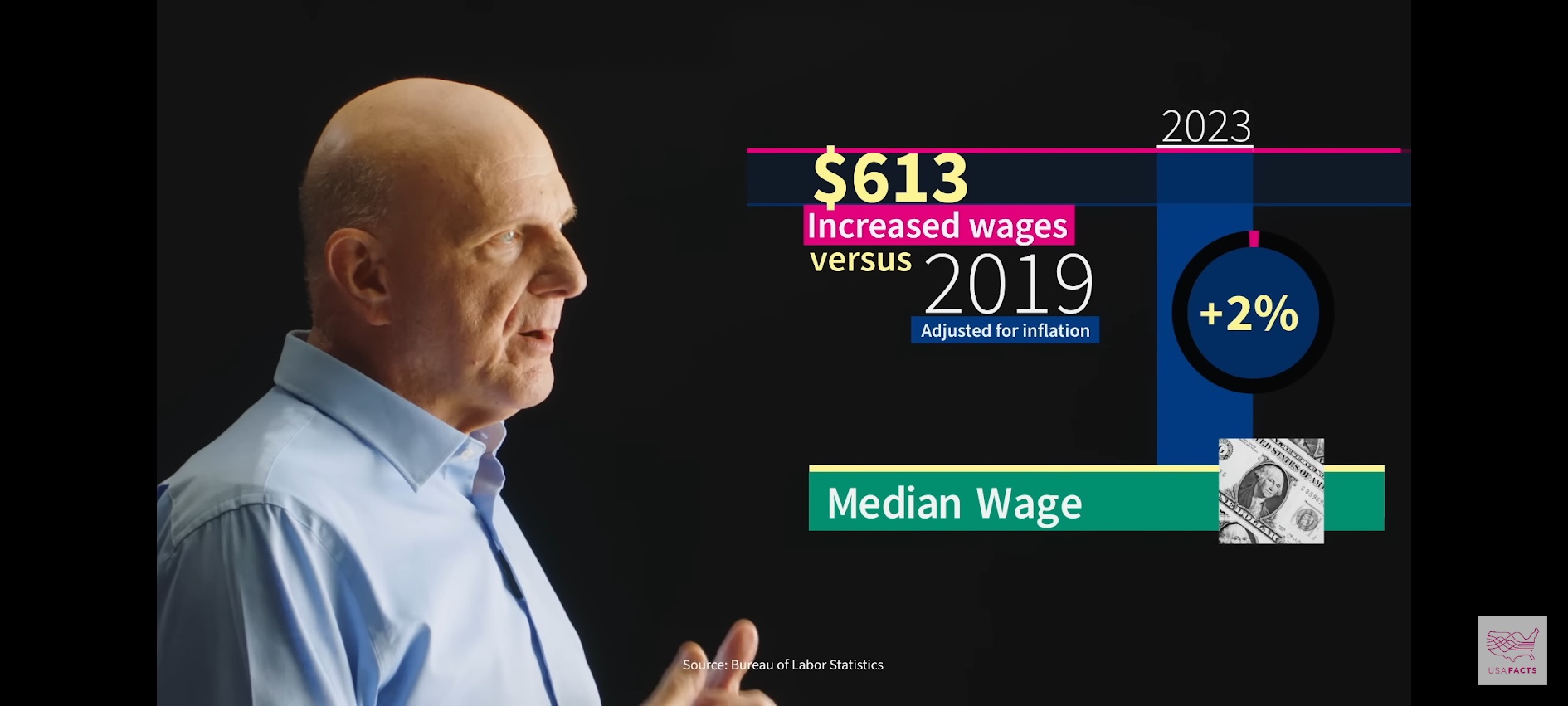
Significantly, aggregate wage growth has outpaced inflation over the long term, leaving the broader workforce in a stronger financial position than before the pandemic. Since 2019, overall consumer prices have risen by roughly 19 percent, while cumulative wages have increased by approximately 21 percent. Despite this net positive trajectory, political candidates continue to frame inflation as an ongoing crisis, frequently promising impossible solutions such as artificially rolling back consumer prices. This rhetoric has unfortunately convinced portions of the electorate to conflate rising nominal wages and prices with a failing economy.
Simultaneously, politicians frequently point to corporate greed as the primary driver of price increases. However comprehensive economic analyses, including extensive research from organizations like NPR, indicate that major sectors—such as grocery retail—did not capture windfall profit margins during the post-pandemic inflationary period. Competitive market dynamics ultimately constrain excessive price gouging, as businesses operate within an ecosystem bounded by consumer choice and competition.
The Complex Realities of Housing Markets
Among the most tangible economic shifts over the past decade is the dramatic appreciation of residential real estate prices and rental rates, which have outpaced general inflation and wage growth. Concurrently, rising interest rates have elevated borrowing costs for prospective homebuyers, creating a compounding challenge of high purchase prices paired with expensive mortgages.
Despite these genuine hurdles, proposed political solutions frequently rely on counterproductive measures, such as demand-side subsidies for first-time homebuyers or politically motivated interest rate interventions. Economists and housing experts increasingly emphasize that the sustainable solution lies in expanding the physical supply of housing. This outcome requires systematically dismantling regulatory roadblocks that inhibit residential construction, including streamlining the permitting process, modernizing building codes, reforming restrictive suburban zoning laws, and reevaluating parking mandates and land-use restrictions.
Gasoline Prices and the Broader Context of Consumer Spending
Gasoline prices remain a perennial focal point of political campaigns despite representing a relatively minor component of household expenditures. When adjusted for inflation, gasoline prices remain comparable to historical levels seen in the mid-twentieth century, generally hovering in the three-to-four-dollar range per gallon in modern currency values.
Even within the context of relatively inefficient vehicle fleets, the average household dedicates a modest percentage of disposable income to fuel purchases. Furthermore, the broader transportation landscape has evolved significantly with the mainstream adoption of electric vehicles, which increasingly compete directly with traditional internal combustion engine vehicles on upfront purchase price, maintenance costs, and overall operating efficiency.
Ultimately, modern political debates often fixate on macroeconomic indicators and consumer anxiety that overlook the reality of sustained material abundance. While income and wealth distribution remain important considerations addressed through progressive taxation and social policy, the persistent political focus on short-term economic grievances frequently obscures the broader principles of long-term financial independence and personal well-being.