
By Staff Reporters
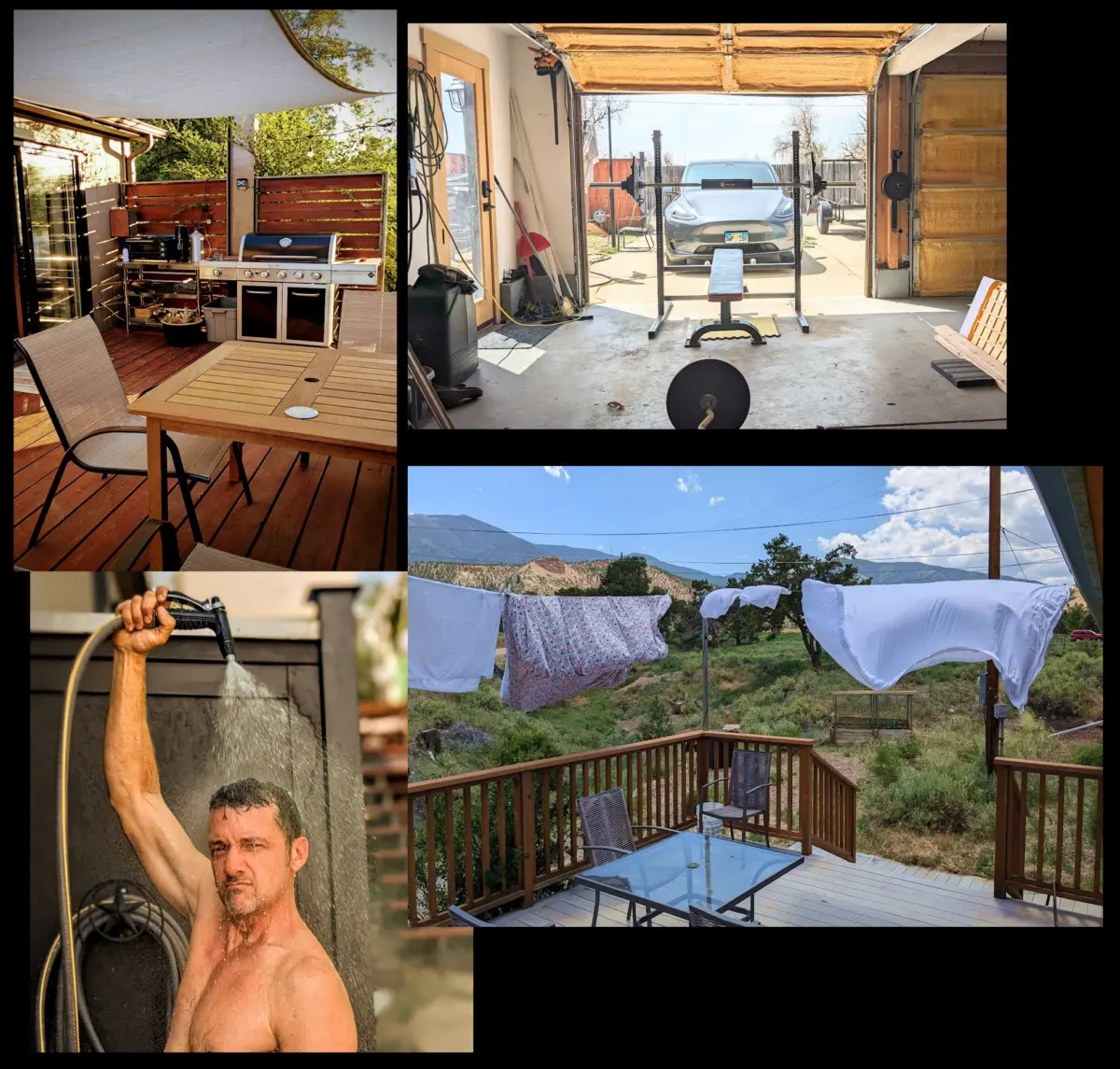
WASHINGTON — In the digital age of personal finance commentary, few figures loom as large or polarize as sharply as the man behind the persona known as Mr. Money Mustache. For over a decade, his blog has preached the gospel of radical self-sufficiency, early retirement, and aggressive saving through lifestyle design. But as the years have passed and his net worth has inevitably scaled upward alongside the broader markets, a familiar refrain has begun to circulate among online critics: He used to read Mr. Money Mustache until he got all rich and fancy so that he no longer understands the common person’s plight.
The common critique suggests that financial independence serves as a terminal velocity—once achieved, the principles of frugality are discarded, replaced by the luxury lifestyle that wealth affords. Yet, a closer examination of the day-to-day existence practiced by veteran members of the personal finance movement, often referred to as "Mustachians," reveals a persistent adherence to the core tenets that started the phenomenon in the first place.
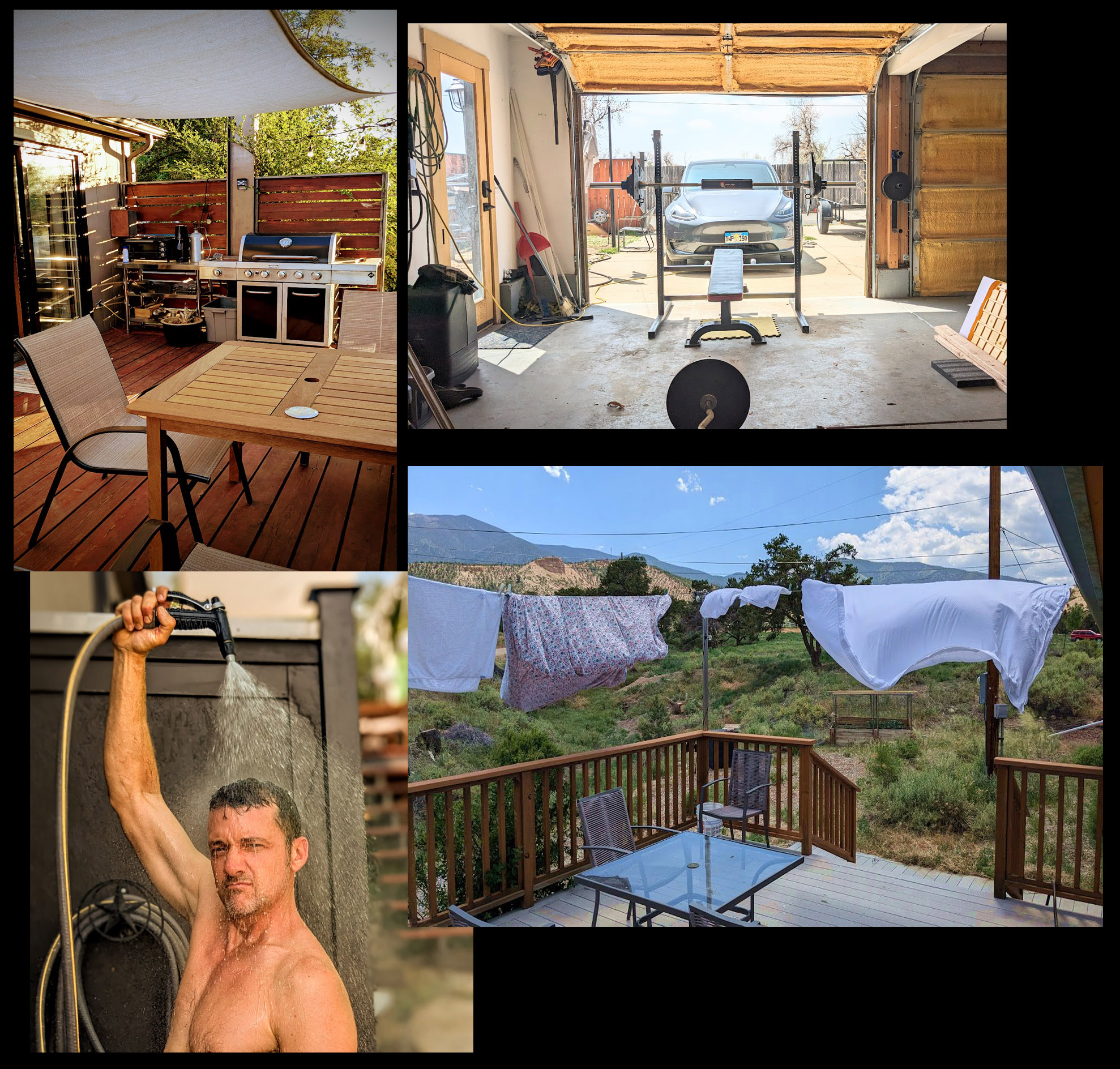
Far from abandoning thrift, the philosophy’s most prominent proponents argue that the financial architecture of their lives has remained remarkably stable. The secret, they contend, is not rooted in a temporary stint of deprivation endured just to reach a predetermined savings rate or early retirement milestone. Instead, it is built on a fundamental alignment between everyday habits, personal enjoyment, and financial efficiency.
The Divergence of Modern Financial Philosophies
To understand why long-term practitioners of this lifestyle continue to pinch pennies long after the necessity has faded, industry observers often point to a widening ideological chasm between standard financial guidance and what has evolved into Mustachianism.
Traditional financial advice frequently frames frugality as a heavy burden. It encourages individuals to slash spending and make painful sacrifices until a target savings percentage is unlocked. Beyond that threshold, traditional planners often argue that thrift ceases to matter, ceding ground entirely to personal choice. Under this conventional model, a higher income simply means the luxury of making fewer sacrifices, paving the way for expansive, high-consumption retirement models often marketed as "FatFIRE."
In contrast, the philosophy championed by Mr. Money Mustache views spending reduction not as a sacrifice, but as a byproduct of cultivating efficiency, creativity, self-awareness, and continuous self-improvement. Adherents argue that these traits naturally lower monthly expenses over time while simultaneously enhancing overall life satisfaction. When the lifestyle itself becomes the reward, rising net worths do little to alter the underlying mechanics of daily living.
Critics frequently express skepticism, suggesting that the public personas of financial influencers bear little resemblance to their actual routines behind closed doors. However, a breakdown of modern routines practiced by veterans of the movement highlights a series of deliberate choices that blend personal fulfillment with substantial financial preservation. Economists and financial analysts studying the movement note that when quantified over multi-decade periods, these seemingly minor behavioral quirks compound into hundreds of thousands of dollars in preserved wealth.
Reclaiming Self-Sufficiency Through Home Construction and Repair
At the heart of the lifestyle is a deep-seated belief in self-sufficiency—specifically, the idea that individuals should strive to become producers of the things they most enjoy consuming, rather than remaining entirely dependent on external service providers.
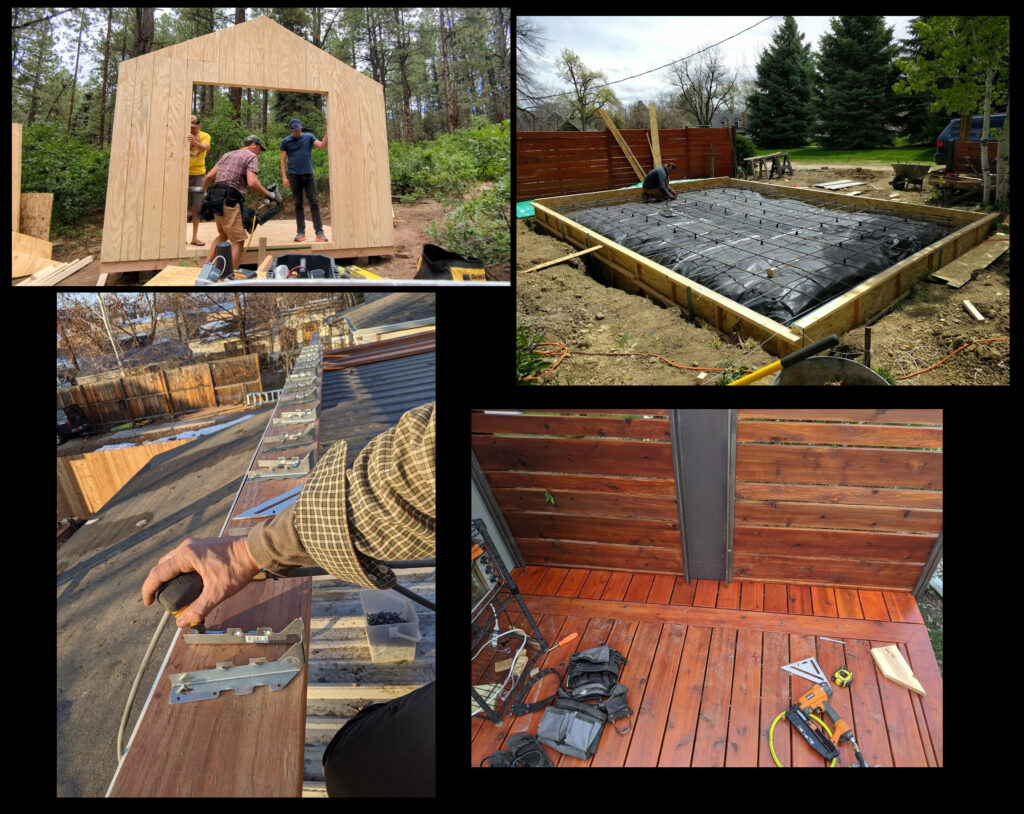
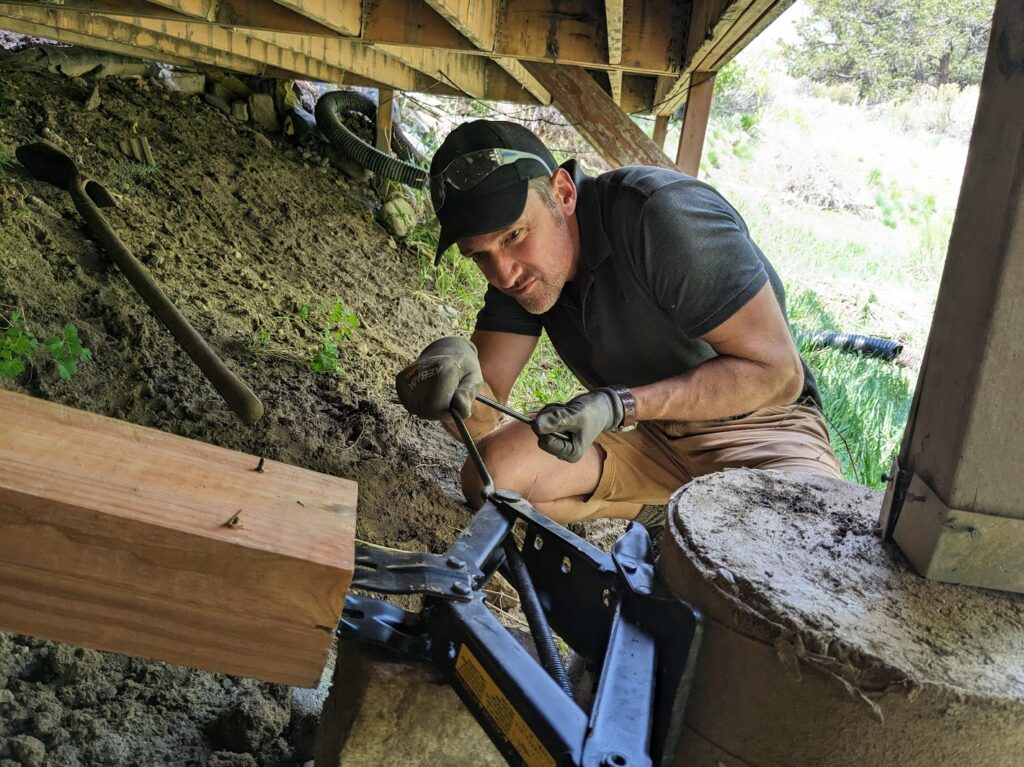
For the movement’s founder, this ethos manifests most visibly in a lifelong passion for real estate and construction. Rather than hiring outside contractors for every renovation, remodeling project, or maintenance issue, he dedicates a significant portion of his free time to redesigning old buildings, transforming them into functional, aesthetically pleasing spaces both for himself and his community.
This hands-on approach to property management does more than just cut out labor costs; it fundamentally alters an individual’s relationship with their living space, replacing anxiety and dependence with empowerment. When estimated across a standard ten-year horizon, mastering home maintenance and executing DIY construction projects can compound into hundreds of thousands of dollars in preserved capital—figures that rival the median retirement savings of many American households.
The Collaborative Economy and Community Sharing
Another cornerstone of the lifestyle involves a deliberate rejection of immediate consumer gratification. While accumulated wealth affords the ability to purchase high-end items for rapid home delivery, veterans of the movement frequently choose an alternative route: sourcing, sharing, and repurposing goods through local community networks.
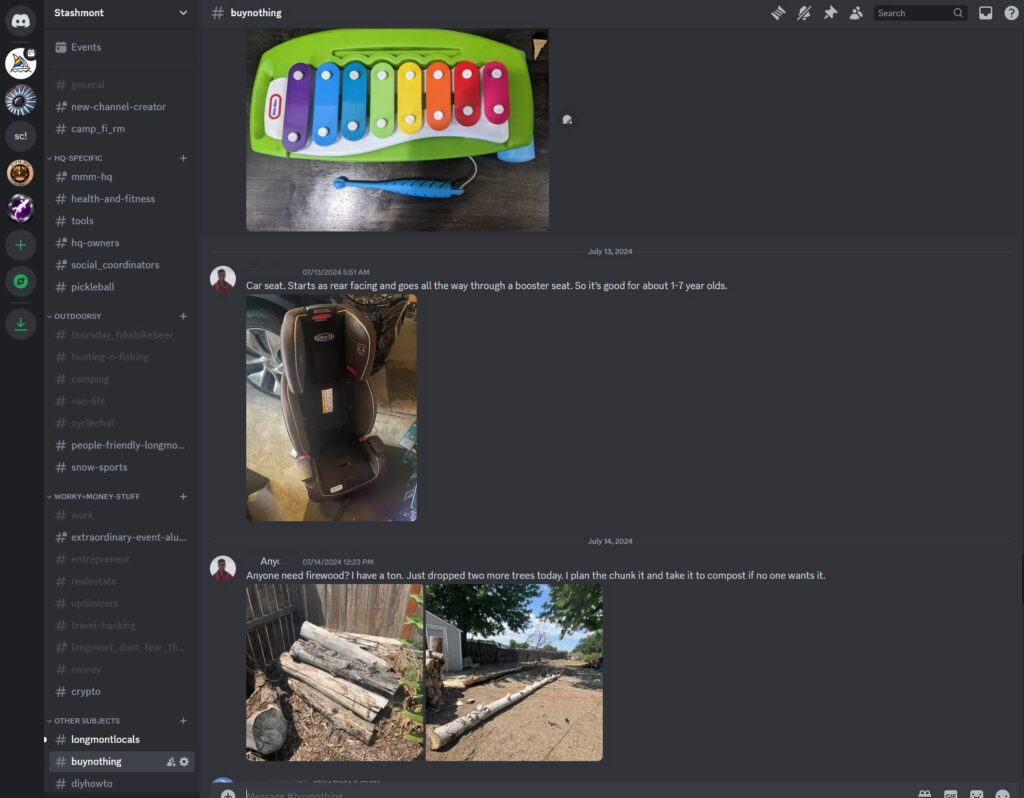
Platforms such as Craigslist, Facebook Marketplace, and localized Buy Nothing groups have transformed how these communities acquire everyday goods. Rather than fueling consumer demand for newly manufactured products, participants engage in a circular economy that fosters local friendships and mutual aid. In many established enclaves, private digital communication channels serve as hubs where neighbors coordinate major do-it-yourself projects, trade specialized tools, and exchange items at zero cost.
This reliance on community networks rather than retail outlets yields steady, recurrent savings that, when invested over a decade, contribute substantially to long-term financial resilience without diminishing the quality of daily life.
Prioritizing Active Transportation and Physical Exertion
Transportation remains one of the largest expenditure categories for the typical household, and the Mustachian framework has long targeted car dependency as a primary drain on resources. Operating a personal automobile incurs steep ongoing costs, including fuel, insurance, maintenance, and rapid depreciation.

By utilizing bicycles or walking for the vast majority of local trips, practitioners significantly reduce their reliance on motorized vehicles. While urban design and residential proximity influence the exact mileage logged via active transport, the financial savings are only part of the equation.
Crucially, integrating physical exertion into daily errands yields profound secondary benefits for long-term health and wellness. Choosing muscle over motor—whether through cycling to routine appointments, taking stairs instead of elevators, handling manual labor around the home, or eschewing motorized conveniences—directly combats the sedentary habits associated with modern chronic illnesses. Economists note that while calculating the exact monetary value of preventative health is complex, the reduction in lifetime medical expenditures and the preservation of vitality over decades represent a massive economic advantage.
Energy Efficiency and Domestic Simplicity
The pursuit of efficiency often extends directly into the management of household energy consumption. By viewing a residence not merely as a passive shelter, but as an active laboratory for passive solar design, insulation improvements, and seasonal adjustments, homeowners can dramatically lower their monthly utility outlays.

Modifications as straightforward as optimizing southern exposure with well-placed windows, utilizing natural ventilation, and streamlining domestic routines to sync with the local climate can slash gas and electricity bills to a fraction of the regional average. For those with an engineering mindset, these projects offer intrinsic creative satisfaction, proving that lower resource consumption often correlates with a more engaging and mindful relationship with one’s immediate environment.
Redefining Leisure Through Local Living
Perhaps one of the most culturally disruptive aspects of the long-term frugality movement is its approach to leisure and travel. In a culture that frequently equates high status and relaxation with distant vacations, frequent flights, and tourism-heavy lifestyles, veteran practitioners often champion the art of staying put.
By cultivating a vibrant, connected home life and finding daily recreation in local surroundings—such as nearby natural features, community events, and neighborhood gatherings—individuals can significantly reduce their spending on high-cost travel without sacrificing quality of life. This deliberate choice to prioritize local engagement over constant transit yields a dual dividend: substantial direct financial savings on travel and hospitality, alongside deeper community ties and reduced travel-related stress.
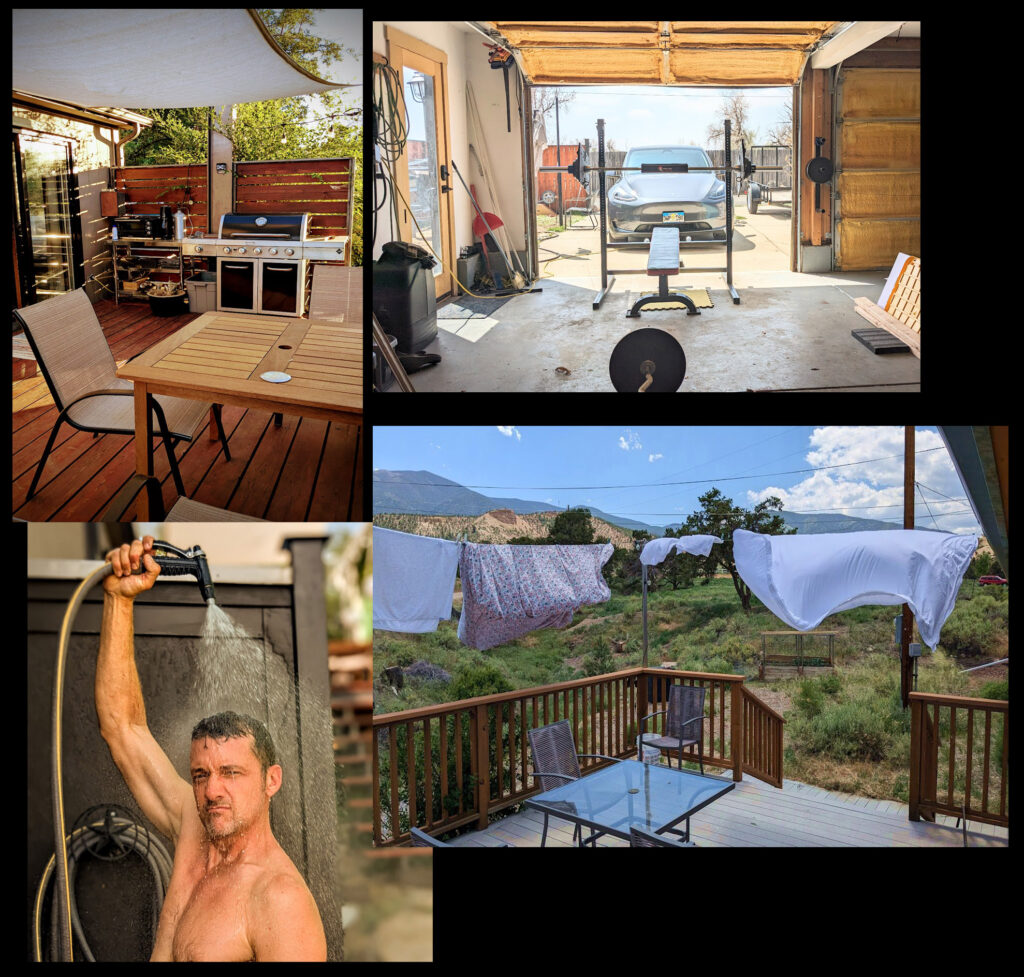
When analysts aggregate the cumulative impact of these integrated habits—ranging from active transportation and DIY home maintenance to localized living and energy conservation—the figures routinely scale into the hundreds of thousands of dollars over a ten-year span. For proponents of the movement, these numbers serve as empirical proof that financial independence is not a license for unchecked consumption, but an invitation to live more intentionally, efficiently, and resourcefully.