
Popular direct-to-consumer apparel brand Reformation has kicked off its life as a publicly traded company on strong footing, posting a notable 24% increase in net revenue for the second quarter of the fiscal year. The robust financial performance offers an encouraging signal for the sustainability-focused fashion label, which officially made its debut on public markets earlier this summer following months of high-profile anticipation across the retail industry.
The strong quarterly showing comes on the heels of Reformation’s initial public offering in July. When the company first announced its public intentions, leadership initially targeted a coveted $1 billion valuation. However, when shares finally hit the trading floor, initial market activity saw valuations land toward the lower end of the company’s previously projected price range. The conservative market reception initially reflected a degree of caution and healthy skepticism from Wall Street, which has traditionally approached newly public apparel and retail companies with a measure of financial prudence given the sector’s historical volatility.
Despite the initial hesitancy from public market investors, financial analysts are increasingly pointing to Reformation’s strong operational fundamentals as a reason for optimism. In a research note published on Friday, analysts at William Blair expressed growing confidence in the brand’s long-term trajectory, highlighting future store expansion opportunities and potential category extensions as primary catalysts for continued growth.
"While we understand some skepticism around any newly public apparel retailer, between these drivers and the clear visibility in the model, we have deeper conviction in out-year estimates, and the compelling opportunity for shares at these levels," the William Blair analysts wrote in their note to clients. At the same time, the financial analysts acknowledged the inherent challenges tied to the business model, noting that "we see the largest risk as volatility in the model, which comes with short lead times that are more reactionary in nature."
The unique structure of Reformation’s supply chain and merchandise production has been a central component of its business narrative, frequently highlighted by company executives during investor presentations and regulatory filings. Unlike many traditional apparel competitors that lock in massive inventory bets up to 12 months in advance of a season—often leading to excess stock, deep markdowns, or missed trends—Reformation has built its operational foundation on agility, speed, and responsiveness to real-time consumer demand.

Reformation CEO Hali Borenstein elaborated on this operational strategy during a conference call with analysts on Thursday, emphasizing how the brand’s supply chain functions as a core competitive advantage. "Rather than making large inventory bets up to 12 months in advance like many brands, we respond to what customers actually tell us they want," Borenstein told analysts. "Our supply chain is built for speed, sustainability, and quality. We produce more than 50% of our products in 60 days or less, and approximately 90% of DTC revenue comes from styles with proven performance behind it."
This demand-driven model allows the company to minimize waste, support its overarching sustainability commitments, and mitigate the markdown risks that frequently plague traditional apparel retailers. By testing styles in smaller initial batches and rapidly scaling production only for items that demonstrate immediate consumer traction, Reformation has managed to cultivate strong full-price sell-through rates.
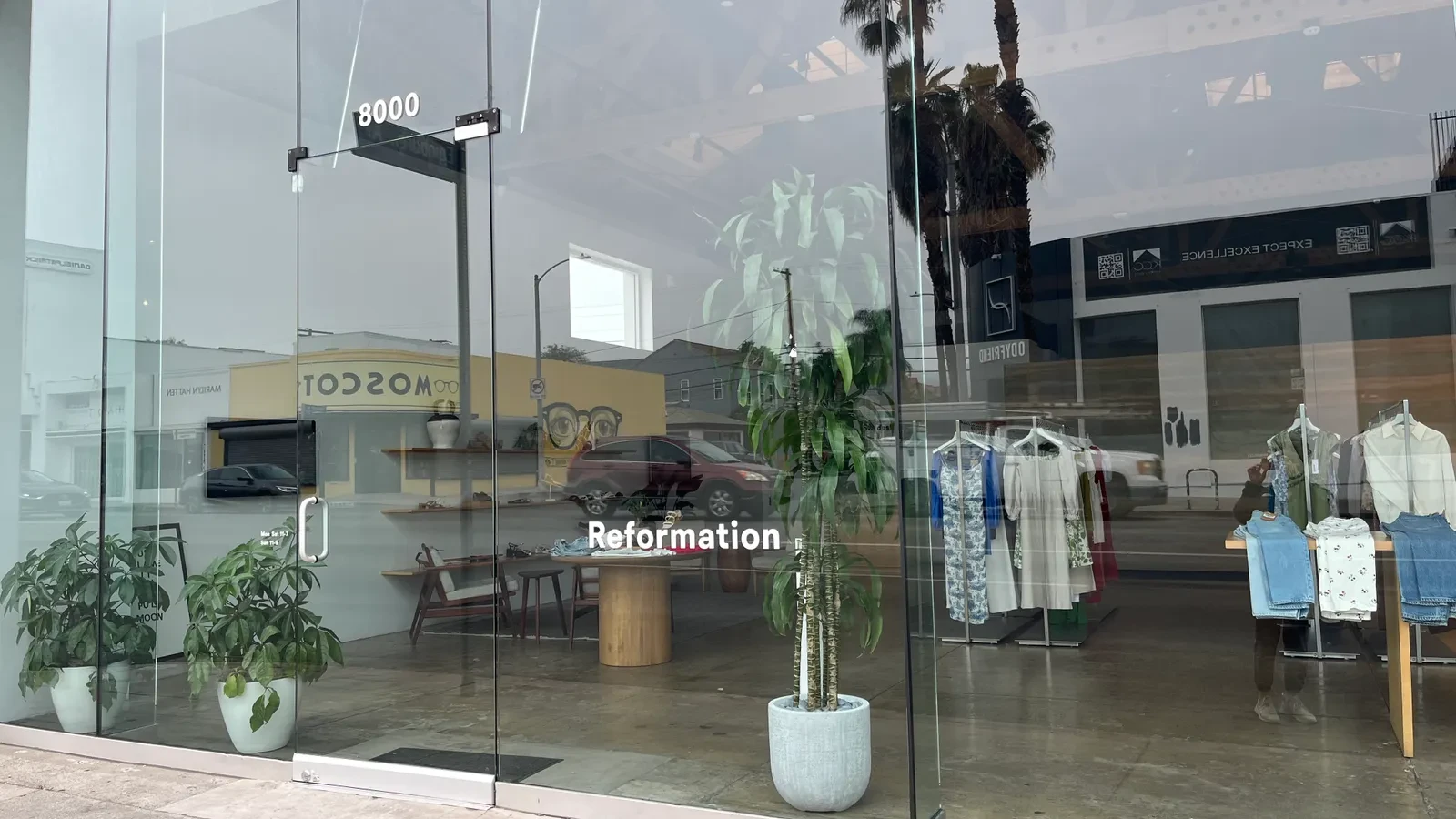
Beyond its digital and supply chain operations, Reformation is actively pursuing a brick-and-mortar expansion strategy to capture additional market share and introduce its aesthetic to new geographic regions. According to the company’s Q2 earnings disclosures, the brand operated a total of 70 physical retail stores at the close of the second quarter. Looking ahead, executive leadership believes there is a clear, viable path to more than doubling that retail footprint over the next five years.

Providing further details on the physical store pipeline during Thursday’s earnings call, Reformation Chief Financial Officer Joshua Moore outlined the company’s immediate development schedule. Moore noted that the brand expects to open between nine and 10 new storefronts during the second half of the year. This steady pace of retail development will bring the total number of new store openings to between 15 and 16 for the full 2026 fiscal year, reinforcing management’s commitment to scaling its physical presence alongside its thriving direct-to-consumer e-commerce operations.