
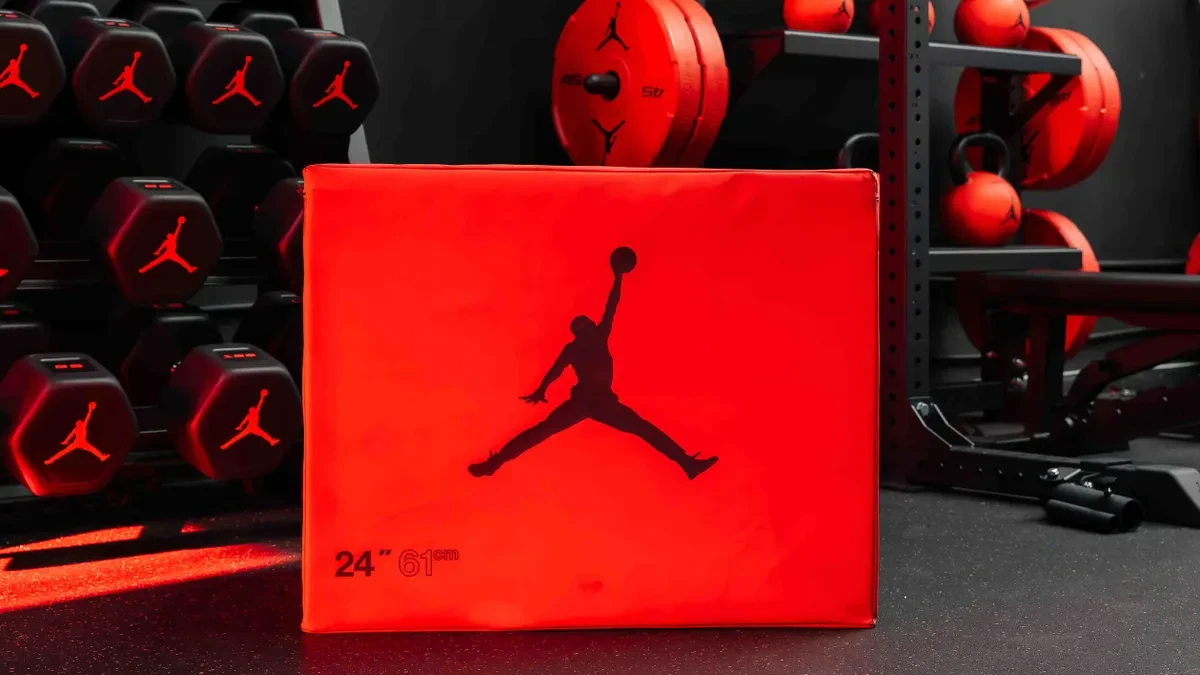
The Jordan brand is officially pushing deeper into the fitness equipment market with the rollout of a new line of strength training products inspired by the legacy and competitive drive of Michael Jordan. The newly unveiled collection, dubbed Jordan Strength, incorporates distinctive design references to Michael Jordan’s legendary six NBA championships. According to the company, the collection is tailored to serve a wide range of consumers, from dedicated fitness enthusiasts building out home gyms to professional athletes training in top-tier athletic facilities.
This major product expansion represents a significant strategic step for the brand as it seeks to extend its reach far beyond its historically dominant position in the footwear market, specifically the iconic Air Jordan sneaker franchises. While the jump into high-end strength training equipment introduces an exciting new category for the label, the launch arrives at a complex and pivotal moment for its parent company, Nike. The broader corporate landscape features shifting consumer preferences, ongoing inventory rebalancing efforts, sliding financial metrics, and notable corporate realignments that are currently reshaping the retail giant’s operational future.
Expanding the Jordan Ecosystem Beyond Sneakers
With the introduction of the Jordan Strength equipment line, Nike and the Jordan brand are actively testing new avenues for growth outside of apparel and footwear. The collection is designed to capture the attention of fitness consumers who value the aesthetic, prestige, and cultural weight associated with the Jumpman logo, applying those brand attributes to heavy-duty workout gear. By targeting both home gym owners and commercial training facilities, the brand hopes to integrate itself deeper into the daily lifestyle and training routines of its global consumer base.
The aesthetic details woven into the equipment serve as a direct nod to Michael Jordan’s unmatched championship pedigree, infusing high-performance training gear with historical sports storytelling. This move aligns with a broader industry trend where major athletic brands attempt to build comprehensive lifestyle ecosystems rather than relying solely on footwear drops. However, this diversification effort also unfolds against a backdrop of necessary inventory corrections and shifting demand within Nike’s core lifestyle and streetwear segments.
Navigating Inventory Rebalancing and Streetwear Headwinds
Last year, Nike leadership, including CEO Elliott Hill, outlined a comprehensive strategy focused on making progress in rebalancing the company’s footwear inventory. For years, Nike’s product assortment had become heavily overindexed with classic, time-tested footwear franchises such as the Air Force 1, Air Jordan, and Dunk lines. While these legacy styles drove monumental revenues for decades, market saturation and changing consumer tastes eventually created challenges in maintaining steady sell-through rates across the global marketplace.
During the company’s latest earnings call, CEO Elliott Hill offered a transparent assessment of the brand’s current positioning, noting that the enterprise is not yet living up to its full potential. Hill specifically pointed to challenges within Nike Sportswear and Jordan Streetwear, where ongoing hurdles in sell-through have exerted downward pressure on current discounting strategies and impacted future order books.
The company expects Jordan Streetwear to continue experiencing negative growth trends throughout the remainder of the fiscal year, though corporate leadership anticipates gradual improvements during the back half of the period. These localized pressures reflect a broader transition period as Nike attempts to streamline its offerings, reduce heavy reliance on legacy sneakers, and introduce fresher, more diversified product stories to the market.
Financial Pressures and Broad Market Realignment
The challenges facing Nike’s core product lines are mirrored in its broader financial performance and recent market valuation shifts. In the company’s fourth-quarter financial report, overall revenue declined by 1% year over year to settle at $11 billion, while revenue for the full fiscal year remained entirely flat at $46 billion. In response to these persistent macroeconomic and operational headwinds, Nike adjusted its forward-looking guidance downward for the first half of the upcoming fiscal year, signaling expectations for a revenue drop ranging between low- and mid-single-digits.

Compounding these financial realities, market indices have also reacted to the brand’s evolving status within the retail sector. Nike is transitioning out of the S&P 100, though the company will maintain its position on the wider S&P 500 index. Market analysts have noted that this demotion underscores the company’s broader problems and its temporary loss of valuation as executive leadership works diligently to steer the business back onto a stable, growth-oriented track. Retail experts have pointed out that regaining momentum will require disciplined execution across product innovation, supply chain management, and marketplace positioning.
Reshaping the Physical Retail Footprint
Parallel to its product expansion and inventory adjustments, Nike is actively reimagining its physical retail footprint to align with future market demands. In recent months, the company has quietly initiated the closure of several neighborhood local stores, including locations associated with the Nike Live Well Collective concept, across various markets nationwide.
A company spokesperson confirmed that these strategic closures are part of a larger, deliberate initiative designed to create what Nike defines as the future marketplace. By pruning underperforming physical locations and focusing resources on high-impact retail experiences, digital channels, and specialized product categories like the new Jordan Strength line, the company is attempting to position itself for sustainable, long-term relevance in an increasingly competitive global retail landscape.