
The brutal reality of Russia’s war of aggression against Ukraine has long spilled far beyond traditional battlefields, infiltrating every facet of daily life, including the nation’s sporting arenas. While high-profile international athletes sometimes navigate the conflict from the secure comforts of North America—such as Washington Capitals star Alexander Ovechkin recently appearing in a controversial propaganda video voicing support for Russian President Vladimir Putin—others are living the devastating daily impacts of the invasion on the ground.
Among them is former NHL star Dmitri Khristich. A native of Kyiv, the 57-year-old hockey veteran has spent recent years coaching the Ukrainian men’s national hockey team. In an exclusive, wide-ranging interview with The Hockey News, Khristich painted a stark, unflinching picture of what it means to lead athletes through air raids, missile strikes, and the constant, crushing uncertainty of a war for survival.
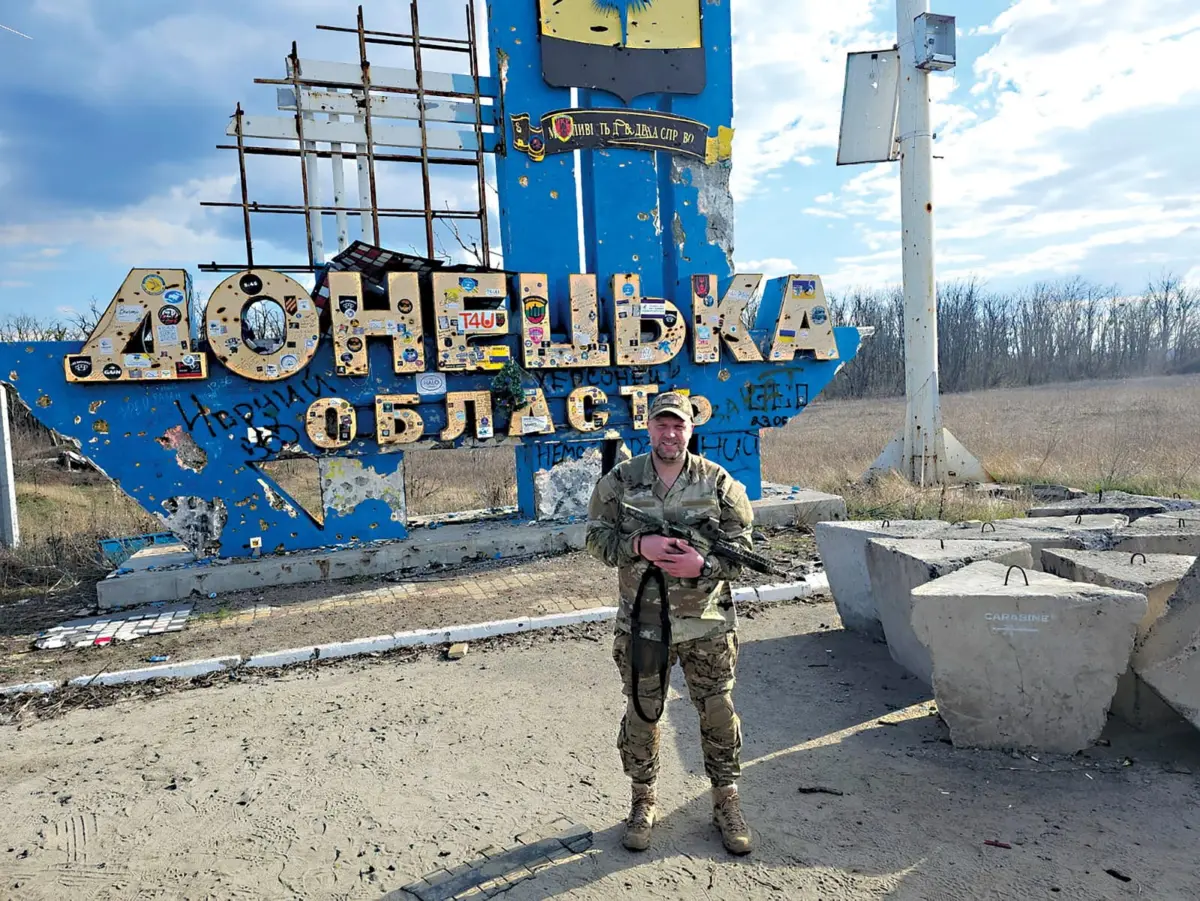
Unlike athletes residing abroad, Khristich has experienced the realities of daily drone threats firsthand. He has watched with profound pain as members of his national hockey program have been recruited into the armed forces, swapping their hockey sticks and skates for tactical gear, guns, and armored vests in a conflict that has claimed countless lives. For the Ukrainian people, Khristich emphasizes, this is not a war of choice—it is a battle for absolute existence.
From the quiet resilience of everyday citizens to the unique, inspirational role that hockey has played for a nation under siege, Khristich discussed the profound transformation that swept across his homeland when the invasion began in 2022.
Bearing the Weight of Leadership Under Siege
Reflecting on the emotional and physical toll of the conflict, Khristich noted that the war has deeply affected every single Ukrainian citizen. For him personally, the crisis transformed his relationship with his homeland during the most difficult chapter in its modern history.
"The war has been extremely difficult for every Ukrainian and for me personally, because Ukraine is not simply the country where I was born and where I started my hockey career," Khristich told The Hockey News. "It became an even more important part of my life during the most difficult time in its history. I became the head coach of the national team during one of the most difficult periods for the development of the country and, of course, for hockey in my country. And being the national team coach carries a very special responsibility during times like these."
Despite the pervasive destruction, Khristich’s most enduring impression is the extraordinary response of ordinary people. Millions have had their homes ruined, families torn apart, and livelihoods completely upended. Yet, they persist—working, volunteering, supporting one another, and holding steadfast to a belief in Ukraine’s future.
"I have seen incredible courage from people who never thought of themselves as heroes," Khristich said. "Soldiers are defending the country, but so are doctors, teachers, volunteers, entrepreneurs, athletes, and the parents of young hockey players who simply continue living and supporting their communities despite everything happening around them."
That same indomitable spirit manifested within the hockey community. Players attempted to focus on their training while living amidst air raids, shelling, and profound personal loss. Some players entered military service, others suffered severe injuries on the front lines, and many young Ukrainians lost their lives entirely.
Yet, when those athletes pulled on the blue and yellow jersey, they carried a symbolic weight far beyond a standard athletic competition. They represented their families, their fallen friends, and an entire nation refusing to be erased. Consequently, coaching a national team during wartime requires an approach entirely detached from traditional sports psychology. A coach must serve as a pillar of strength, helping players unearth the psychological endurance required to represent their country when it needs them most.
Hockey as a Lifeline for a Nation Under Siege
While professional sports are frequently viewed in peacetime as a mere diversion or an escape from everyday stress, sports in wartime take on an entirely different dimension. For Ukraine, the national hockey team became a powerful unifying force and a public declaration of endurance.
"Before the war, you could think about hockey simply as a competition: who wins, who loses, who scores," Khristich explained. "लेकिन [But] during the war, the Ukrainian national team became one of the ways Ukrainians could see their country continuing to live, compete, and represent itself internationally."
The practical hurdles of maintaining a competitive program under wartime conditions were immense. Domestic hockey infrastructure was routinely fractured by active bombing and shelling. National championship games were frequently interrupted, training windows were severely restricted, and key roster members were regularly called away to active military duty.

Khristich pointed to national team goaltender Eduard Zakharchenko, who played more than 40 games for Ukraine before being recruited into the army, as just one example among many. Competing internationally against nations with vastly superior financial backing, modern facilities, and deeper player pools meant Ukraine could not prepare through conventional means.
"My job as coach was not only to prepare the team tactically or improve the players’ physical condition for games," Khristich said. "I also had to understand what players were experiencing as human beings. You cannot coach Ukrainian players during a war in exactly the same way you coach a team in normal circumstances."
Even so, the presence of the team on the international stage carried an immeasurable psychological value. It provided a focal point for unity and demonstrated to the world that Ukraine remained active, resilient, and defiant.
Human Connection Across the Hockey World
While athletes across various global leagues often prefer to distance themselves from political discourse, Khristich notes that for Ukrainians, survival and existence leave no room to separate daily life from geopolitics. When your country is under assault, your teammates’ families are hiding from missiles, and your peers are bleeding on battlefields, political realities become deeply personal human tragedies.
Khristich highlighted figures like Oleksandr Matviychuk, a former player on the Ukrainian national team from previous generations who voluntarily joined the armed forces and suffered severe facial injuries on the front lines. The sacrifices made by members of the Ukrainian hockey community have cemented a solemn chapter in the sport’s modern history.
Rather than dictating what political stances international athletes should adopt, Khristich appeals directly to their humanity and empathy.
"I would not tell NHL players what political position they have to take," Khristich said. "I would simply ask them to understand what is happening regarding this inhuman aggression. That kind of human connection can be incredibly powerful… for Ukrainians, knowing that NHL players and the international hockey community see them, understand them, and stand with them means a lot. You don’t have to be a politician to be a human being."
Surviving the Everyday Reality of War
Conveying the reality of a typical day in modern Ukraine remains difficult for those removed from the conflict zone. Khristich emphasizes that predictability no longer exists in a country facing the most devastating military conflict in Europe since the Second World War.
"There is no completely typical day in Ukraine anymore, because you never know what the next day or even the next hour will bring," Khristich described. "People have awful conditions in the most devastating war since World War II right in their cities. You listen for air-raid alerts. You know that missiles and drones threaten cities every night. You think about your family, your children, and friends. You worry a lot about people who are serving in the military."
The unnatural disruption of basic milestones—such as children growing up listening to air-raid sirens, or elite young athletes forced to halt athletic pursuits for military deployment—highlights the tragedy inflicted upon civilian life. Yet, despite these conditions, the overriding characteristic of Ukrainian society remains an unyielding refusal to stop living.
"In the 21st century, children should not know what an air-raid siren means," Khristich said. "A talented hockey player should not have to think about whether he or his teammate has been called into military service. Families should not have to plan their lives around missile attacks. But Ukrainians continue. They continue working. They continue playing hockey. They continue educating their children. They continue building businesses. They continue helping the army and helping each other."
A New Chapter for Ukrainian Hockey
Having recently stepped down from his post as the head coach of Ukraine’s national team, Khristich looks back on a tenure defined by extraordinary challenges and historic accomplishments. Under his leadership, the program achieved a remarkable upward trajectory, climbing step-by-step from the lower tiers of international competition back into the Elite Division.
Achieving such milestones against the backdrop of an active invasion is a feat that hockey experts four years ago would have deemed nearly impossible, given the disparities in infrastructure, financing, and player development systems. Yet, Khristich does not view his departure from the bench as the end of his relationship with the sport in his homeland. Instead, he sees it as the transition into a broader role aimed at supporting the future growth and survival of Ukrainian hockey as the nation looks toward peace and rebuilding.