
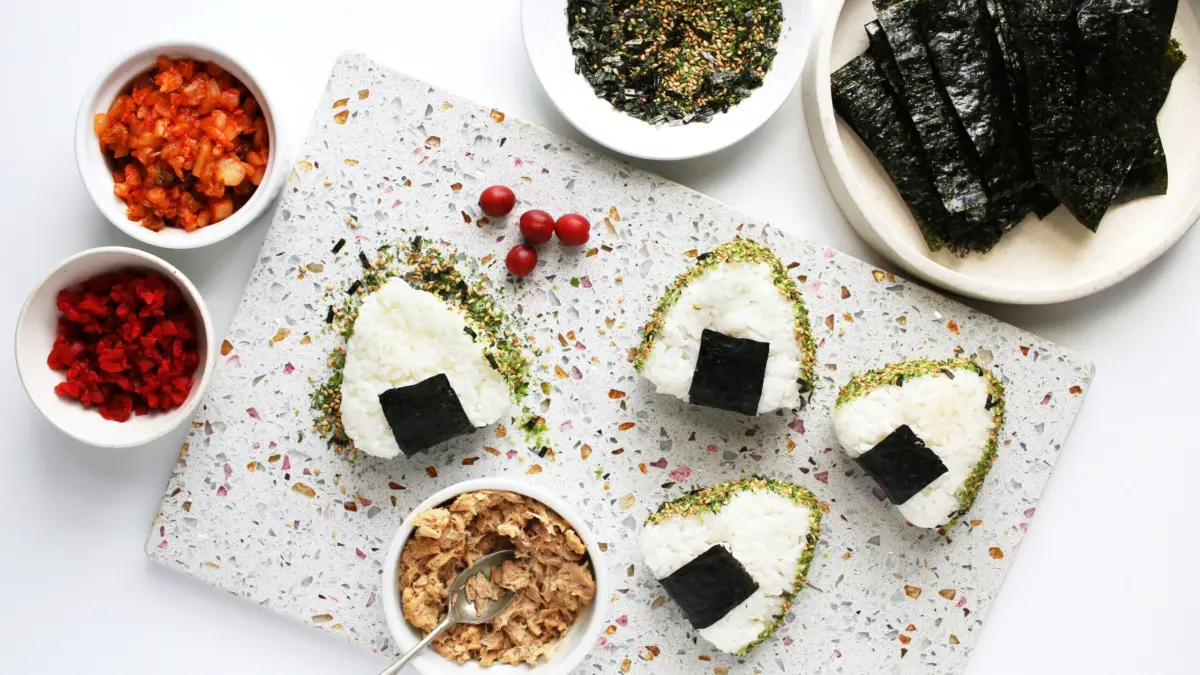
Across Japan, the humble onigiri stands as a towering pillar of convenience, culinary ingenuity, and comforting tradition. Stuffed with savory fillings and wrapped in crisp sheets of nori seaweed, these portable Japanese rice balls are meticulously engineered for eating on the go. While they remain an absolute staple of every convenience store shelf from Hokkaido to Okinawa, they are just as naturally at home when carefully tucked into a midday lunch box or packed into a basket for a weekend picnic in the park.
Despite their seemingly simple appearance—often taking the form of a neat triangle or a soft cylindrical shape—crafting the ideal onigiri relies on a precise understanding of technique and ingredient selection. At the very heart of any successful batch is properly cooked Japanese short-grain rice. Often labeled simply as sushi rice in supermarkets across the United States and other international markets, this specific variety possesses the unique starch and textural qualities required for the dish. When cooked correctly, the individual grains naturally cling together with enough tenacity for the onigiri to hold their structural shape, whereas long-grain alternatives like jasmine or basmati simply lack the necessary stickiness.
Culinary experts note that the preparation process begins long before the rice ever touches the stove. Rinsing the raw grains thoroughly under cold water removes excess surface starch, and allowing the rice to soak before cooking ensures that every single grain cooks evenly from the center out. Once the rice is tender and steaming, the timing of the shaping process becomes critical. Shaping the rice while it is still slightly warm helps the starches bind the grains together securely. To prevent the sticky rice from clinging stubbornly to skin instead of itself, cooks traditional employ damp, salted hands. This simple measure eliminates the need for any specialized kitchen gadgets, proving that high-tech tools like rice cookers or plastic onigiri molds are entirely optional when pursuing authentic results.
While traditional iterations often feature simple, time-honored fillings, contemporary culinary exploration has opened the door to a wide spectrum of flavor profiles. A versatile approach to homemade onigiri highlights three distinct filling options, catering to varying palates. For those who favor a rich, comforting profile, creamy tuna mayo offers a velvety contrast to the tender rice. Alternatively, umeboshi—traditional Japanese pickled plums—provides a sharp, tart, and deeply salty punch that cuts cleanly through the richness of the grains. For a bolder, contemporary kick, spicy kimchi introduces a vibrant, fermented heat.
Once home cooks and culinary enthusiasts have mastered the foundational physical technique of shaping the rice, the culinary canvas opens up considerably. Chefs and home cooks alike are encouraged to experiment with a diverse array of alternative fillings, ranging from cooked flaky salmon and spicy tuna variants to briny cod roe, leftover shredded chicken salad, or delicate crab meat. However, experienced practitioners advise exercising caution regarding moisture levels. The golden rule of filling selection is to avoid anything excessively wet or watery, as high-moisture ingredients can compromise the structural integrity of the rice ball, making it remarkably difficult to shape and prone to falling apart during handling.
Onigiri FAQs
What kind of rice is best for onigiri?
Japanese short-grain rice, which is frequently labeled as sushi rice in supermarkets across the United States, stands out as the undisputed best choice for this culinary tradition. When this specific variety of rice is cooked properly, the individual grains cling together with just the right amount of adhesion for the finished onigiri to maintain its structural shape. In contrast, long-grain rice varieties, such as jasmine or basmati, feature different starch compositions and will not hold together with the necessary cohesion.
How do you keep onigiri from falling apart?
The secret to preventing onigiri from disintegrating lies in timing and pressure. Cooks must shape the onigiri while the rice is still warm, employing a delicate balance of firm yet gentle pressure to coax the grains into a cohesive form. While working through a batch, it is essential to keep the remaining unshaped rice covered so that it does not lose its warmth or dry out prematurely. Additionally, wetting the hands with the salted water mixture specified in the recipe prevents the rice from sticking to the skin rather than to itself.
What can you put inside onigiri?
While a standard preparation might showcase options like creamy tuna mayo, tart and salty umeboshi, or spicy kimchi, the culinary possibilities extend far beyond these choices. Cooked salmon, spicy tuna mixtures, cod roe, leftover chicken salad, and crab meat are all entirely appropriate candidates for fillings. Regardless of the specific ingredients chosen, cooks must consistently avoid excessively wet or liquid-heavy fillings, which introduce too much moisture and make the onigiri significantly harder to shape and transport.
Can you make onigiri ahead of time?
These portable rice balls lend themselves remarkably well to advance preparation, as they can be successfully made up to two days in advance. To store them properly, each individual onigiri should be wrapped tightly and placed in the refrigerator. However, preserving the characteristic crisp texture of the nori wrapper requires strategic timing. The nori should be left off entirely until the moment right before eating; otherwise, the seaweed will inevitably soften and lose its crunch as it absorbs the ambient moisture released by the rice over time in cold storage.