
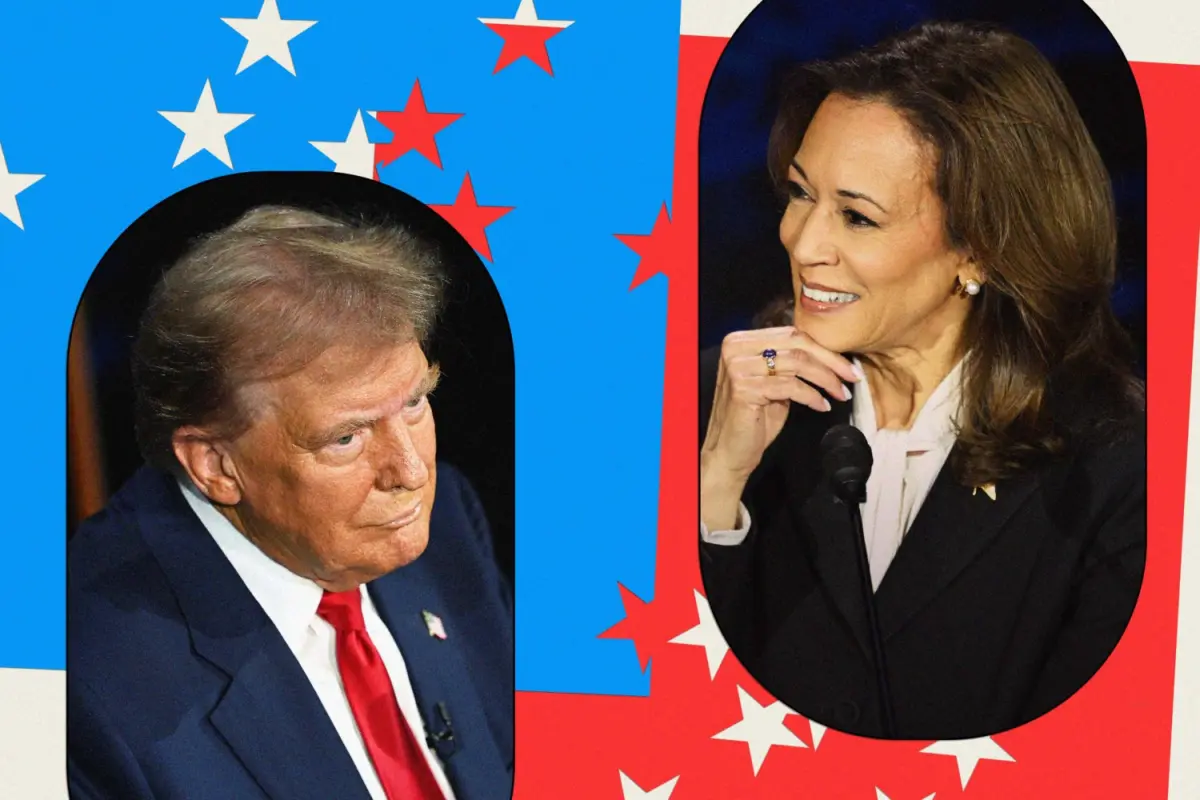
As the United States barrels toward another high-stakes presidential election, candidates from both sides of the aisle are once again locking horns over the state of the nation’s finances. For the financially savvy, however, the ongoing political theater between competing campaigns should rarely consume much bandwidth. While conducting research and casting a ballot remain civic duties, seasoned observers quickly move past the rhetoric to focus on matters well within their own personal circle of control.
Yet, amid the relentless bickering over taxes, trade, and spending, one critical domain demands a thorough setting of the record straight: the actual state of money, the broader economy, and the true wealth of the nation. Politicians have historically fallen short when it comes to navigating complex technical subjects such as science, technology, and economics. During the current election cycle, however, the public discourse has arguably devolved even further. Candidates eager to sway undecided voters in crucial swing states have increasingly leaned into narratives driven by irrational emotions and political expediency rather than sound economic fundamentals.
A prime example of this phenomenon is the frequent attack from opposition figures claiming that the country is currently suffering through a "bad economy." In reality, objective macroeconomic data reveals that the United States economy is remarkably robust, boasting some of the lowest unemployment rates ever recorded in modern history. It is difficult to envision a significantly healthier baseline macroeconomic environment. Indeed, the recent bout of higher inflation experienced over the past few years was largely a symptom of things running perhaps a bit too well, necessitating a deliberate application of the brakes via higher interest rates managed by the Federal Reserve.
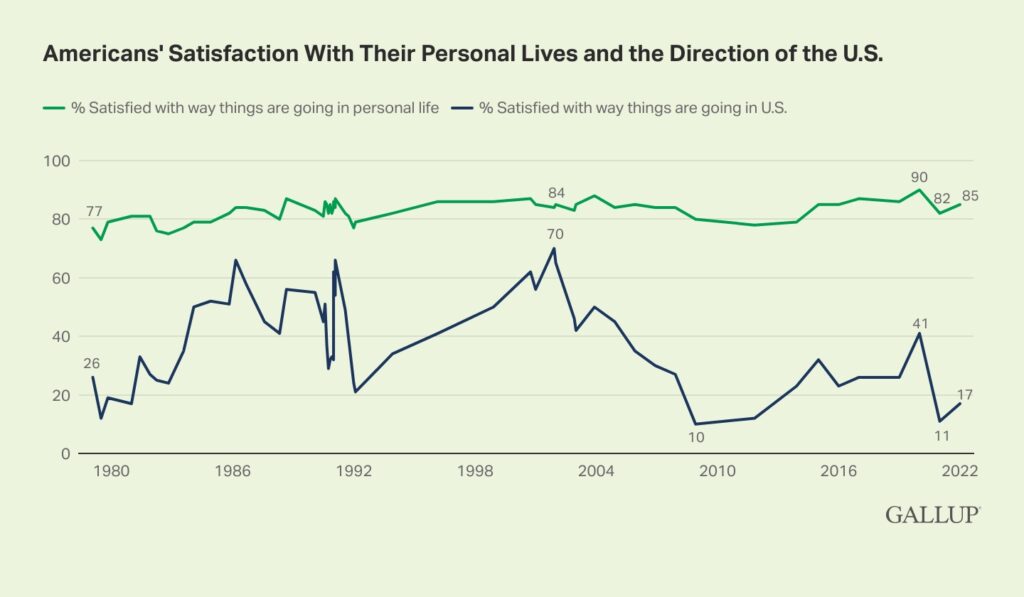
Despite these positive underlying metrics, public perception remains heavily skewed. According to recent Gallup polling data, while an overwhelming majority of individuals report that they are personally doing quite well financially, very few hold a favorable view of the national economy as a whole. Most people tend to attribute their personal financial stability to their own good fortune while assuming the macroeconomy is failing. Mathematically, this widespread disconnect is impossible; if the vast majority of citizens are thriving, that condition serves as the very definition of a healthy economy. This widespread divergence between personal reality and public perception correlates closely with the modern proliferation of social media misinformation and politically motivated narrative-shaping.

When political figures and mainstream news outlets amplify misinformation instead of accurate data, everyday citizens lose out on the clarity needed to make sound financial decisions. Understanding how the economic engine truly operates is not merely an academic exercise; knowledge translates directly to financial empowerment and long-term wealth building. To help clear away the partisan fog, several pervasive economic myths promoted during election season deserve a rigorous examination.
The President Controls the Economy
Whenever an economic downturn strikes, the opposition party is quick to lay the blame directly at the feet of the sitting president. Conversely, when the economy enters an expansionary phase, incumbent leaders are eager to take personal credit for the boom. In truth, the United States economy is far too massive—and thankfully far too free—for any single president to control or even heavily influence in the short term.
The American economy functions as a colossal, decentralized machine that continuously converts labor and raw materials into vital goods and services, ranging from everyday consumer products to advanced medical care and infrastructure. Although the United States remains the single largest national economy, accounting for roughly twenty-six percent of global economic activity, it is still heavily impacted by the remaining seventy-four percent of economic output generated by billions of people across the rest of the planet.
Normal economic cycles characterized by periods of expansion followed by inevitable corrections are primarily driven by human psychology—moments of irrational exuberance and speculative greed, such as the housing boom leading up to 2007, followed by periods of acute fear and pessimism, such as the subsequent financial crisis. While government policies involving taxation and regulatory frameworks do exert an influence, the effects of these policies are frequently delayed and unpredictable. Drawing a direct, simplistic line of cause and effect between a current administration and the day-to-day fluctuations of the market ignores the vast complexity of global commerce.
The President Controls Interest Rates
Another recurring theme on the campaign trail involves candidates expressing deep sympathy for middle-class Americans grappling with higher borrowing costs on credit cards, auto loans, and mortgages, often accompanied by promises to personally lower interest rates. Some political figures have even gone so far as to publicly pressure independent central bank officials and suggest potential restructuring of the Federal Reserve to exert direct executive control over monetary policy.
In a functional democracy, leaving monetary policy directly in the hands of a sitting president would introduce catastrophic risks, as historical examples from other nations readily demonstrate. Instead, monetary policy serves as a necessary set of economic stabilization tools. When economic activity slows and unemployment rises, strategic reductions in interest rates provide a helpful stimulus to hiring and asset prices. Conversely, when the economy overheats, raising rates helps cool inflationary pressures. These levers are designed to be operated by independent experts shielded from short-term political pressures.
Inflation Has Ruined American Prosperity
Political campaigns frequently lean heavily on the narrative that recent inflation has permanently degraded the standard of living for American workers, with candidates promising to magically reverse price increases if elected. Following the disruptions of the COVID-19 pandemic, the global economy experienced a rapid surge in inflation driven by severe supply chain bottlenecks, factory shutdowns, shifts toward remote work, and substantial fiscal stimulus combined with historically low interest rates. Over time, these supply and demand imbalances have largely corrected, bringing inflation back down toward more normalized historical levels.
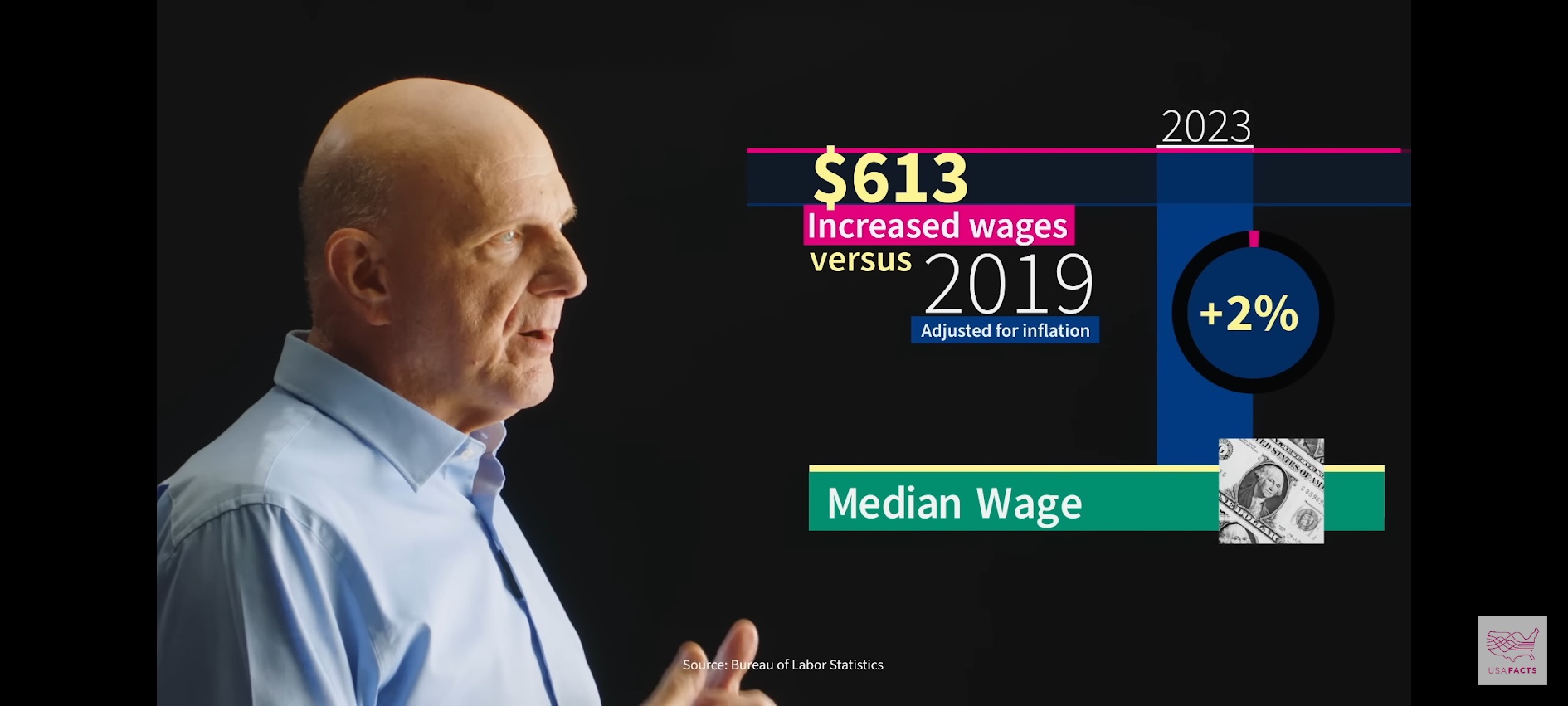
More importantly, aggregate wage data demonstrates that overall compensation has outpaced inflation over the long term. Since 2019, while general consumer prices have risen significantly, overall wages have climbed at an even faster rate, meaning the average worker is financially better off than they were prior to the pandemic. Despite this reality, political rhetoric continues to frame higher price levels as an unmitigated disaster while making unrealistic promises to force prices backward—effectively conflating rising nominal wages and prices with a failing economic system. Furthermore, populist claims blaming corporate greed and opportunistic price-gouging for inflation have repeatedly been refuted by independent economic analyses, including comprehensive studies of grocery sectors showing that standard retail profit margins remained largely stable throughout the inflationary period.
The President Controls Housing Prices
A genuine economic challenge facing many Americans over the past decade has been the rapid appreciation of housing prices and rental rates, which have outpaced both general inflation and wage growth in many metropolitan areas. Simultaneously, rising interest rates designed to combat inflation have compounded affordability challenges for prospective homebuyers by increasing monthly mortgage servicing costs.
Despite these complex dynamics, campaign proposals frequently lean toward superficial fixes, such as demand-side subsidies for first-time buyers or artificial interventions in mortgage rates, which economists warn could inadvertently exacerbate price pressures. The fundamental root of the housing affordability crisis is a structural supply shortage. Experts suggest that meaningful relief will only arrive when regulatory roadblocks facing homebuilders are dismantled. Streamlining the permitting process, modernizing restrictive building codes, eliminating outdated suburban-style single-family zoning mandates, and reducing parking minimums could dramatically lower construction costs and expand housing inventory more effectively than any federal executive order.
The President Controls Gas Prices
Gasoline prices have long served as a perennial fixture of political rhetoric, with candidates debating whether prices are too high and arguing over executive policies related to domestic fossil fuel production and leasing. In reality, when adjusted for inflation, retail gasoline prices remain comparable to historical levels seen decades ago. Furthermore, gasoline expenditures account for a relatively modest share of overall household disposable income for most families, with many consumers spending significantly more on total vehicle ownership, financing, and maintenance than on the fuel itself.
With the rapid maturation of the electric vehicle market, internal combustion engines are gradually being superseded by cleaner, more efficient technologies. Modern electric vehicles offer competitive acquisition costs, drastically lower maintenance requirements, and freedom from the volatility of fossil fuel markets. In this light, treating the daily fluctuation of gasoline prices as a primary indicator of national economic health overlooks broader technological shifts already underway across the transportation sector.
The Economy Is Something to Worry About
Stepping back from the daily partisan talking points reveals a broader truth: the endless fretting over marginal economic indicators ignores the remarkable level of material abundance already achieved in modern society. When advanced industrial nations debate the finer points of economic growth, the discussion often resembles an abundance of comfort rather than a struggle for basic survival. While economic inequality remains a legitimate challenge requiring thoughtful policy responses such as progressive taxation to foster social cohesion, accumulating wealth beyond the threshold of basic security yields diminishing returns in terms of human happiness.
Ultimately, individual well-being is shaped far more by personal mindset, community connection, and developed life skills than by the daily oscillations of the stock market or the outcome of a national election. Savvy observers recognize the theatrical nature of political campaigns, cast their informed votes, and redirect their attention toward constructive pursuits well within their own influence until the political cycle repeats.