
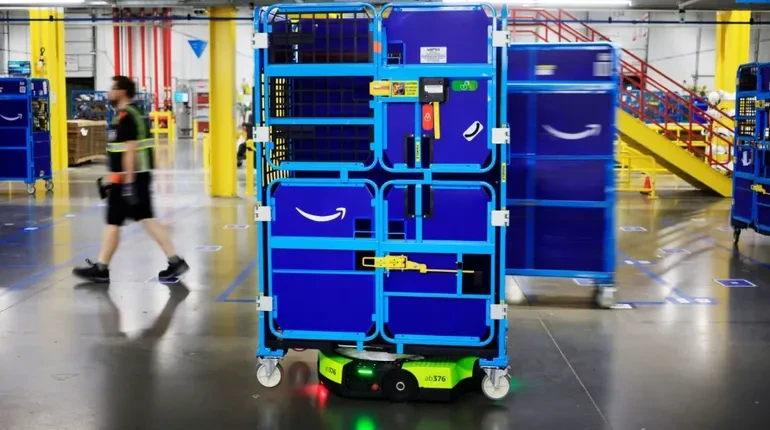
Amazon has announced a significant update to its compensation and employee benefits package, raising its minimum starting wage to push the company’s average starting pay to approximately $24 per hour. The move comes as major employers face mounting pressure to support workers through shifting economic conditions, rising living costs, and persistent inflation that has begun to outpace wage growth across the broader United States economy.
The announcement details a comprehensive expansion of support for frontline workers, blending direct pay increases with long-term financial wellness services and everyday cost-saving perks. Alongside the wage adjustments, the company is rolling out new financial tools and grocery-related benefits designed to alleviate household budgeting pressures for its massive workforce.
Financial and Grocery Benefits Roll Out Across the Workforce
The company’s newly announced financial benefits are slated to roll out later this year, with broader availability scaling toward 2027. Among the key offerings is a specialized banking service tailored for employees that requires no credit history to open checking and savings accounts. In addition to basic banking, the service provides access to auto loans, home loans, and other essential credit products that can often be difficult for hourly or entry-level workers to secure through traditional financial institutions.
This new banking initiative builds upon Amazon’s existing Brightside Financial Care service, a free program that allows employees to connect directly with professional financial assistants to help manage debt, build savings, and plan for the future.
On the retail front, Amazon is introducing new grocery benefits that can be combined seamlessly with existing Prime member discounts. Eligible employees already receive a free Amazon Prime membership as part of their standard benefits package, and the integration of these grocery perks aims to provide direct relief on weekly household food expenditures.
Economic Pressures and Consumer Financial Health
These expanded corporate benefits arrive as the American consumer faces increasing financial headwinds. While overall retail spending has remained relatively healthy so far, supported by resilient job numbers and accumulated savings from previous years, a growing number of economists and market experts believe that a tipping point may be on the horizon.
Earlier this year, inflation began to outpace wage growth for the first time in three years, driven largely by persistent increases in the costs of essential goods such as groceries and fuel. These everyday expenses form a disproportionate share of spending for lower- and middle-income households, leaving less room for discretionary purchases.
The broader macroeconomic environment is drawing cautious commentary from financial analysts who closely monitor consumer behavior. Heather Long, Chief Economist at the Navy Federal Credit Union, addressed the shifting landscape following the release of recent monthly retail sales data from the U.S. Commerce Department.
"A consumer spending slowdown is likely later this year and into early 2027 as middle-income and lower-income households feel the pinch from higher gas and grocery prices," Long said in emailed comments. "Real incomes are flat or declining for many and they will have to cut back on something."
By raising average starting wages to approximately $24 per hour and introducing targeted financial and grocery benefits, Amazon is positioning its compensation package to help shield its hourly workforce from these widening economic pressures. The combination of higher baseline earnings, accessible banking services, and everyday grocery savings reflects an evolving corporate strategy aimed at talent retention and employee financial resilience during a period of macroeconomic uncertainty.