
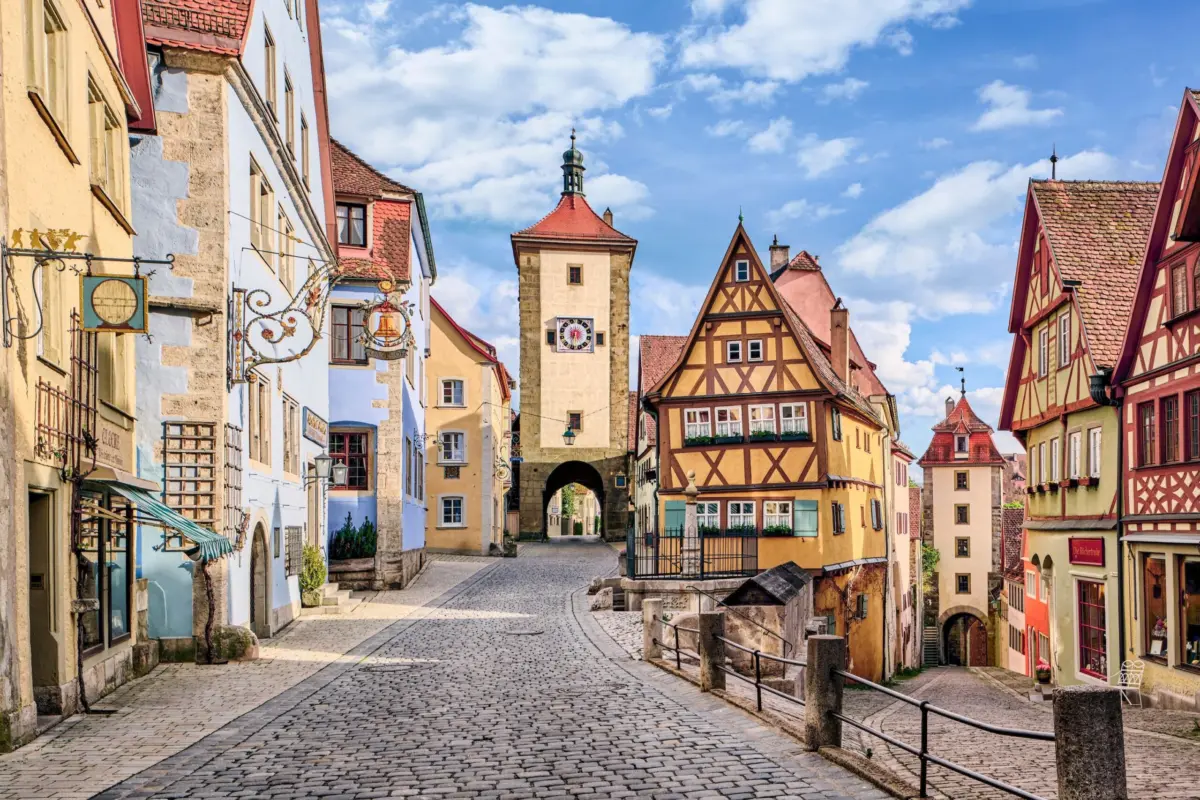
Visiting one of the most picturesque villages in the world often feels like stepping backward through the pages of history. From distinctive, centuries-old architecture to the breathtaking natural scenery that frames these settlements, the appeal is undeniable. However, it has become increasingly difficult to feel genuinely transported when a traveler’s view is blocked by throngs of other tourists nursing the exact same ambition: capturing a quiet slice of small-town charm.
While renowned global hot spots such as Oia on the sun-drenched cliffs of Greece or Positano hugging the Amalfi Coast of Italy have rightfully captured the world’s imagination, their sheer popularity often undermines the serenity they promise. Fortunately, for those willing to trade convenience for character, a collection of gorgeous, relatively under-the-radar destinations remains largely undisturbed by mass tourism. These hidden hamlets allow visitors to experience the authentic rhythm of local life, striking architectural heritage, and sweeping panoramic views without elbowing through crowded plazas.

While some of these extraordinary locations sit a bit further off the beaten path than the heavily trafficked destinations featured in standard travel guides, the journey offers rich rewards. Travelers who venture beyond the typical tourist corridors are met with undisturbed natural wonders, profound historical contexts, and architectural marvels that reflect the unique cultures that birthed them. From English hamlets that look as though they were plucked straight from the pages of a fairy tale to vibrant, color-packed towns tucked away in the landscapes of South America, the globe is dotted with remarkable settlements waiting to be appreciated for their tranquility and design.

The desire to escape over-tourism is not merely a preference for peace and quiet; it is fundamentally about preservation. When famous architectural landmarks and fragile historic villages become oversaturated, both the physical infrastructure and the local way of life experience immense strain. By seeking out lesser-known alternatives, travelers not only protect these delicate environments from degradation but also unlock a more meaningful and immersive cultural experience. Instead of navigating endless lines of tour buses and generic souvenir shops, visitors to secluded villages find themselves engaging with local artisans, walking along quiet cobblestone paths, and observing authentic daily routines that have endured for generations.

The architectural diversity found across these hidden locations highlights the incredible ingenuity of historic builders adapting to their specific geographies. In certain regions, rugged mountain terrain dictated the use of heavy stones and steeply pitched roofs designed to withstand harsh winters, resulting in imposing yet remarkably harmonious clusters of buildings. In other, more tropical environments, local materials such as indigenous woods, adobe, and vibrant mineral-based paints were utilized to create striking visual contrasts against lush green backdrops or deep blue skies. These design choices were rarely aesthetic exercises alone; they were practical responses to climate, resource availability, and community needs, making each village a masterclass in vernacular architecture.

As modern travel trends continue to evolve, the appreciation for off-the-beaten-path destinations is experiencing a steady rise. Travelers are increasingly prioritizing depth over breadth, choosing to spend time in places that offer genuine connection and historical resonance rather than ticking off checklist landmarks. This shift supports sustainable tourism models that benefit local economies directly, allowing small communities to maintain their historic character without falling victim to the commercialization that alters more mainstream destinations.

Ultimately, the allure of these seventeen remarkable villages lies in their ability to offer a dual escape: a physical retreat into stunning natural and architectural landscapes, and a mental retreat from the fast-paced noise of modern life. Whether characterized by the quiet hum of rural European countryside or the vibrant cultural expressions found in Latin American communities, these destinations remind us of the enduring beauty of human habitation built in balance with the surrounding world. For those willing to look past the heavily marketed brochures and venture into the quieter corners of the globe, an unforgettable world of character, history, and serenity awaits discovery.