
As the seasons shift and culinary habits settle into the comfortable routines of middle age—marked by an unexpected enthusiasm for backyard bird feeders, a passing curiosity for beekeeping trends, and heated household debates over pillow ergonomics—culinary opinions tend to sharpen. Among the most fiercely contested battlegrounds in home cooking is a seemingly simple American classic: chicken salad. For many, the dish is a source of quiet culinary trauma, haunted by questionable poultry origins, unwelcome additions of raisins and curry powder, or mayonnaise-to-meat ratios that lean closer to a swimming pool than a light coating.
Yet, for those willing to look past decades of questionable deli counters and bland picnics, perfecting chicken salad has become a quiet obsession. The pursuit of the ideal version requires navigating a minefield of textures, temperatures, and condiments. While traditional wisdom often dictates that the best version is the one made privately in one’s own kitchen, the urge to codify and share the definitive recipe remains irresistible.

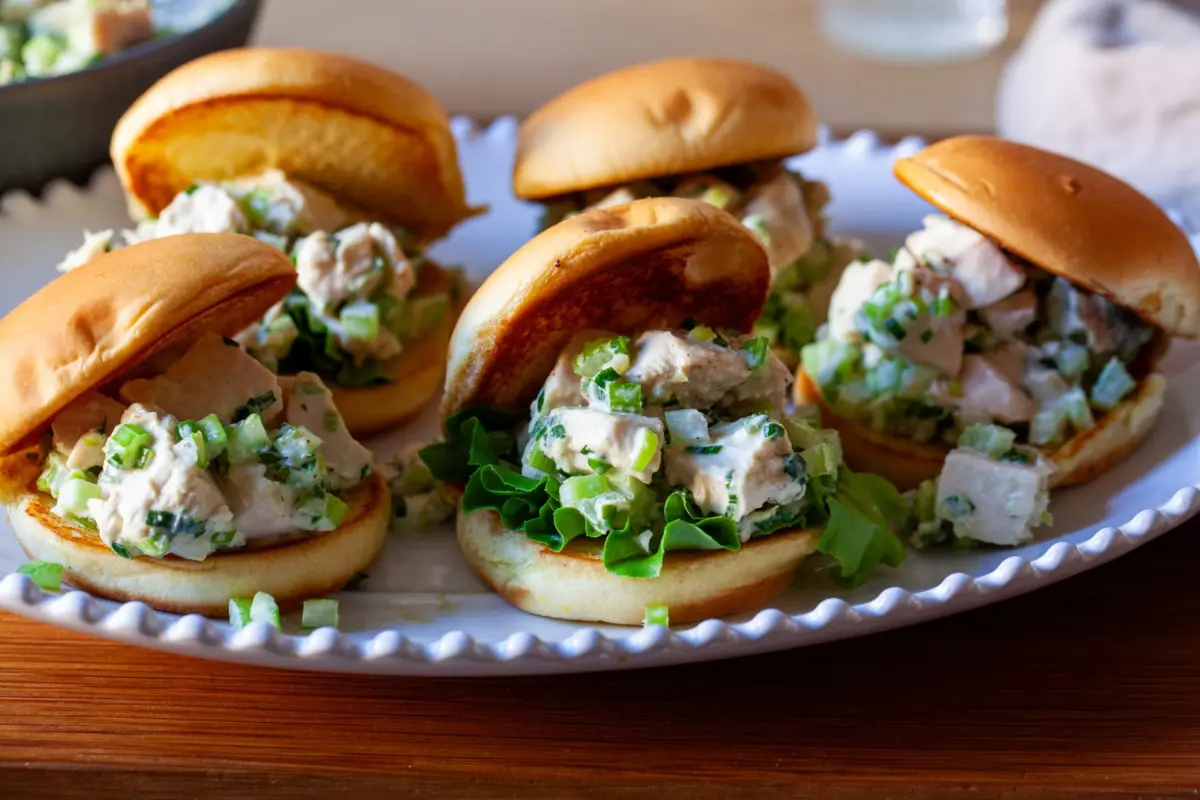
At the core of this particular culinary philosophy is a radical rejection of minimalism, starting with the vegetable component. Traditional recipes often treat celery as a reluctant background extra, diced so finely it disappears into the emulsion. The definitive approach, however, leans entirely into the crunch. It champions a ratio that is nearly half celery, transforming the dish from a soft, monotonous paste into something vibrant, fresh, and structurally dynamic. It is a bold declaration that is unlikely to win over everyone, but for texture enthusiasts, it changes the entire character of the dish.
The foundation of the recipe begins long before the chopping board, starting with the choice of protein. While modern convenience heavily favors boneless, skinless chicken breasts for their speed and ease of preparation, they fall short in the most crucial department: moisture and depth of flavor. To achieve a truly superior chicken salad, the process demands bone-in, skin-on chicken breasts. This traditional cut ensures that the meat retains its natural juices during cooking, resulting in a richer, more robust flavor profile that boneless cuts simply cannot replicate.

Rather than discarding the skin—a common practice in health-conscious kitchens—this approach repurposes it into a savory garnish. By returning the seasoned skin to a hot oven until it renders completely and turns golden and crisp, home cooks can create a homemade, culinary equivalent of a potato chip. Sliced into thin strips, these crispy shards can be used to top the finished sandwich, adding an unexpected layer of savory crunch that bridges the gap between comfort food and gourmet preparation.
Equally important to the texture is the timing of the seasoning. Professional kitchens and home cooks alike often commit the error of seasoning a dish only at the very end of the process. The definitive method breaks from this convention by seasoning the diced chicken directly, immediately after cutting and before any binding agents are introduced. This technique allows the salt to penetrate the meat fibers, wiring the flavor directly into the foundation of the dish. Because traditional Dijon mustard and commercially jarred mayonnaise already contain significant amounts of sodium, seasoning the chicken early often eliminates the need for any additional salt adjustments later in the workflow.

Flavor aromatics are kept deliberately restrained. While culinary trends often encourage an array of fresh herbs, this recipe relies exclusively on finely minced scallions. They provide a mild, clean onion bite that enhances the chicken without overpowering the palate, bypassing the aggressive notes of raw yellow onions or the distraction of heavy herbs.
When it comes to assembly, the delivery system is just as crucial as the filling. The preferred method utilizes slider rolls, still hinged together, which are toasted in a skillet with a small amount of butter until the edges are golden and crisp. This warm, toasted bread serves as a sturdy vessel for a layer of crisp lettuce, a generous scoop of the high-crunch chicken salad, and personalized toppings ranging from thinly sliced pickles to quick red pickled onions, alongside the aforementioned crispy chicken skin strips.

These elements culminate in what has evolved into a monthly household tradition—a relaxed, customizable dinner format designed to accommodate the chaotic schedules of family life. By setting out bowls of various toppings, pickles, and ruffled potato chips, everyone at the table can construct their own ideal sandwich.
Chicken Salad for Celery Enthusiasts
For those looking to replicate the method from scratch using raw poultry, the process begins by heating the oven to 350 degrees Fahrenheit. Chicken breasts are coated lightly in olive oil and seasoned generously on both sides with salt and freshly ground black pepper. Placed in a baking pan designed to capture the natural drippings, the meat roasts for 40 to 45 minutes until the internal temperature reaches 150 to 155 degrees Fahrenheit.

Once cooled to room temperature, the meat is removed from the bones and cut into three-quarter-inch pieces. Transferred to a large mixing bowl, the diced chicken is seasoned with additional salt and black pepper, and any reserved pan juices are poured directly back over the meat to lock in moisture. The heavy proportion of celery and minced scallions is then folded in.
A dollop of Dijon mustard is stirred into the mixture, ensuring even distribution across the chicken and vegetables, followed by mayonnaise to bring the emulsion together. The balance of mustard and mayonnaise can be adjusted to personal preference. For those incorporating the crispy skin garnish, the reserved skin is flattened on a baking sheet, seasoned with salt, and baked at 400 degrees Fahrenheit for 5 to 10 minutes until darkened and crisp, then sliced into strips for serving.