
Project as Residents in Cheek Push Back
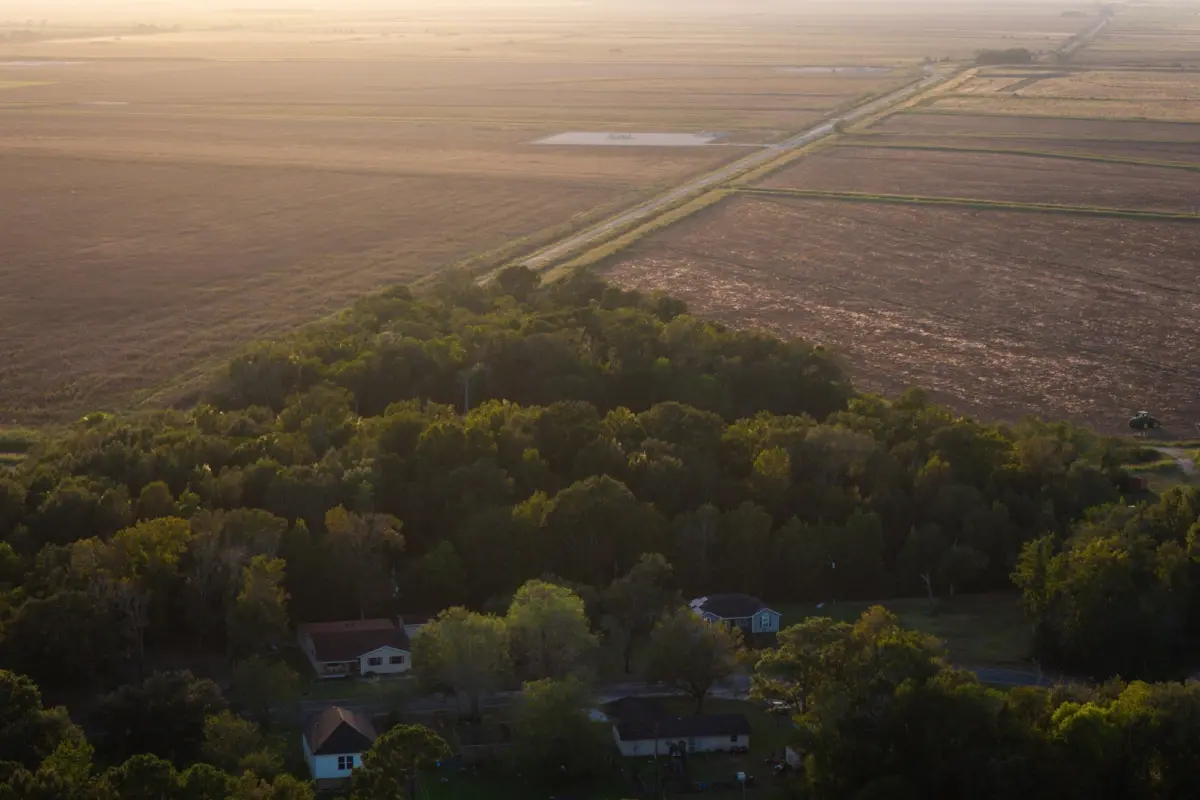
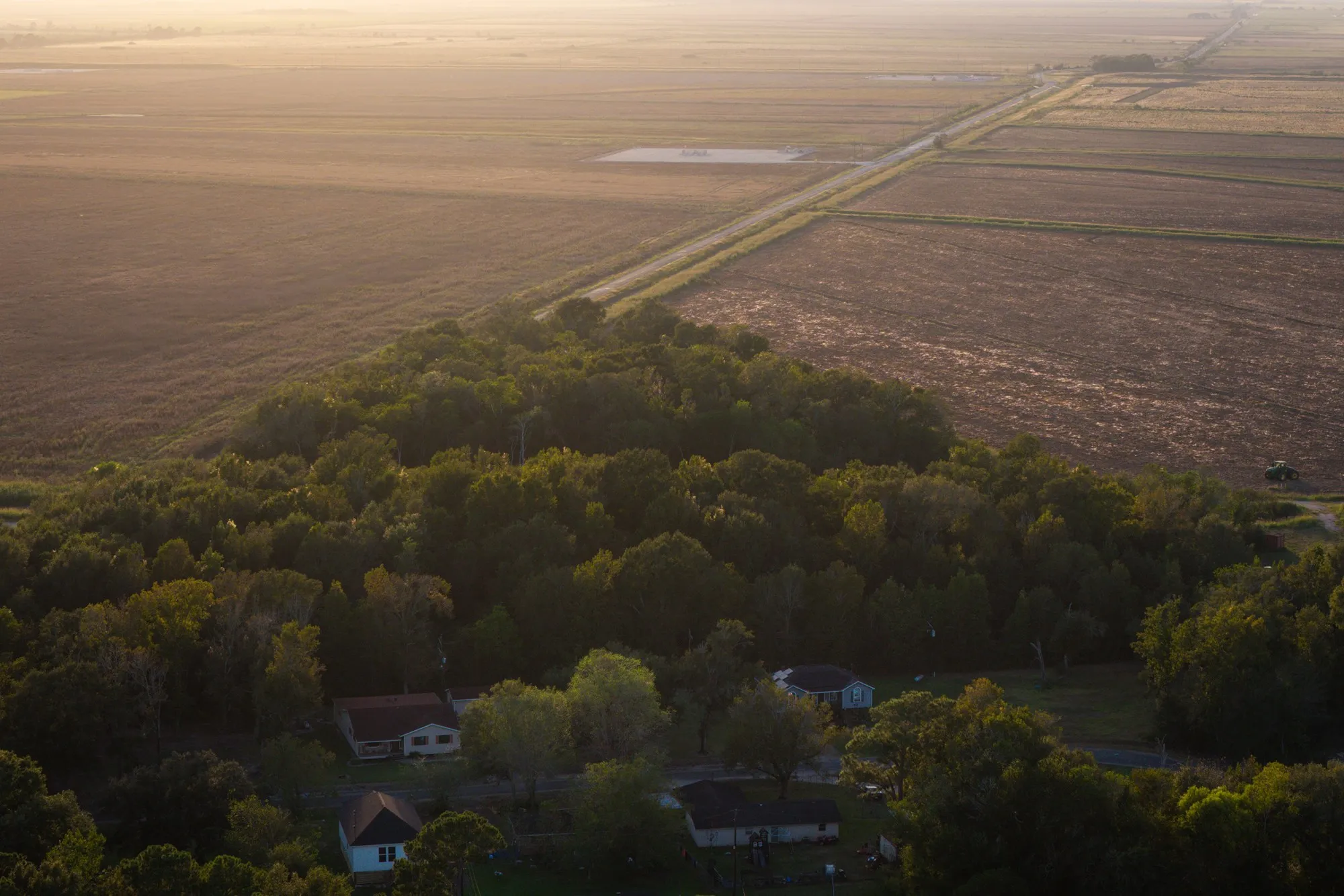
On a rural, two-lane road outside the Southeast Texas community of Cheek, an energy giant is preparing to embark on an industrial endeavor that could reshape the state’s energy landscape. Exxon Mobil is setting the stage to pump millions of metric tons of carbon dioxide thousands of feet underground, permanently locking the gas away in sub-surface rock formations to prevent it from contributing to global warming. When operational, the project will stand as the first of its kind to start running in Texas, marking a monumental milestone for an oil and gas industry that has heavily touted carbon capture and storage (CCS) as an indispensable tool for mitigating heavy industrial emissions.
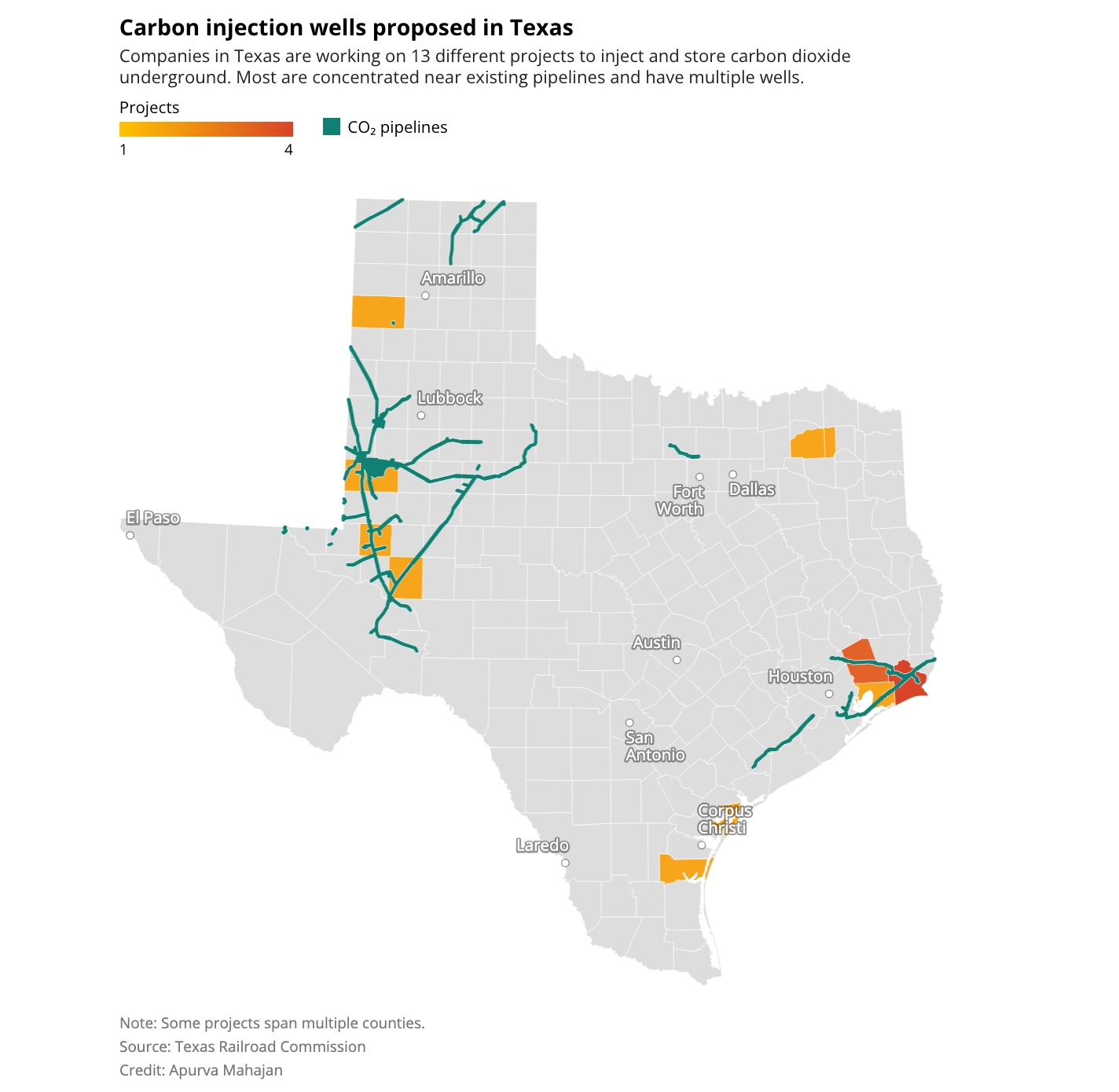
The initiative follows years of aggressive lobbying and policy maneuvering by state lawmakers and industry advocates. Recognizing the lucrative potential of federal tax credits and the specific geologic advantages of the Texas Gulf Coast—which boasts existing carbon pipeline networks and dense clusters of industrial emitters—policymakers pushed hard to secure primary oversight of these operations. Last year, the U.S. Environmental Protection Agency granted the Texas Railroad Commission, the state’s primary oil and gas regulator, authority over Class VI carbon storage wells. Buoyed by this federal sign-off, the commission approved Exxon Mobil’s East Texas permit this past September.
Yet, even as state regulators and industry leaders celebrate the milestone, local residents are pushing back. The community of Cheek, a predominantly Black, working-class, and elderly unincorporated area just west of Beaumont, has demanded that commissioners reconsider the permit. Residents argue they are being asked to shoulder the environmental and safety burdens of an experimental climate strategy without adequate protection or respect.
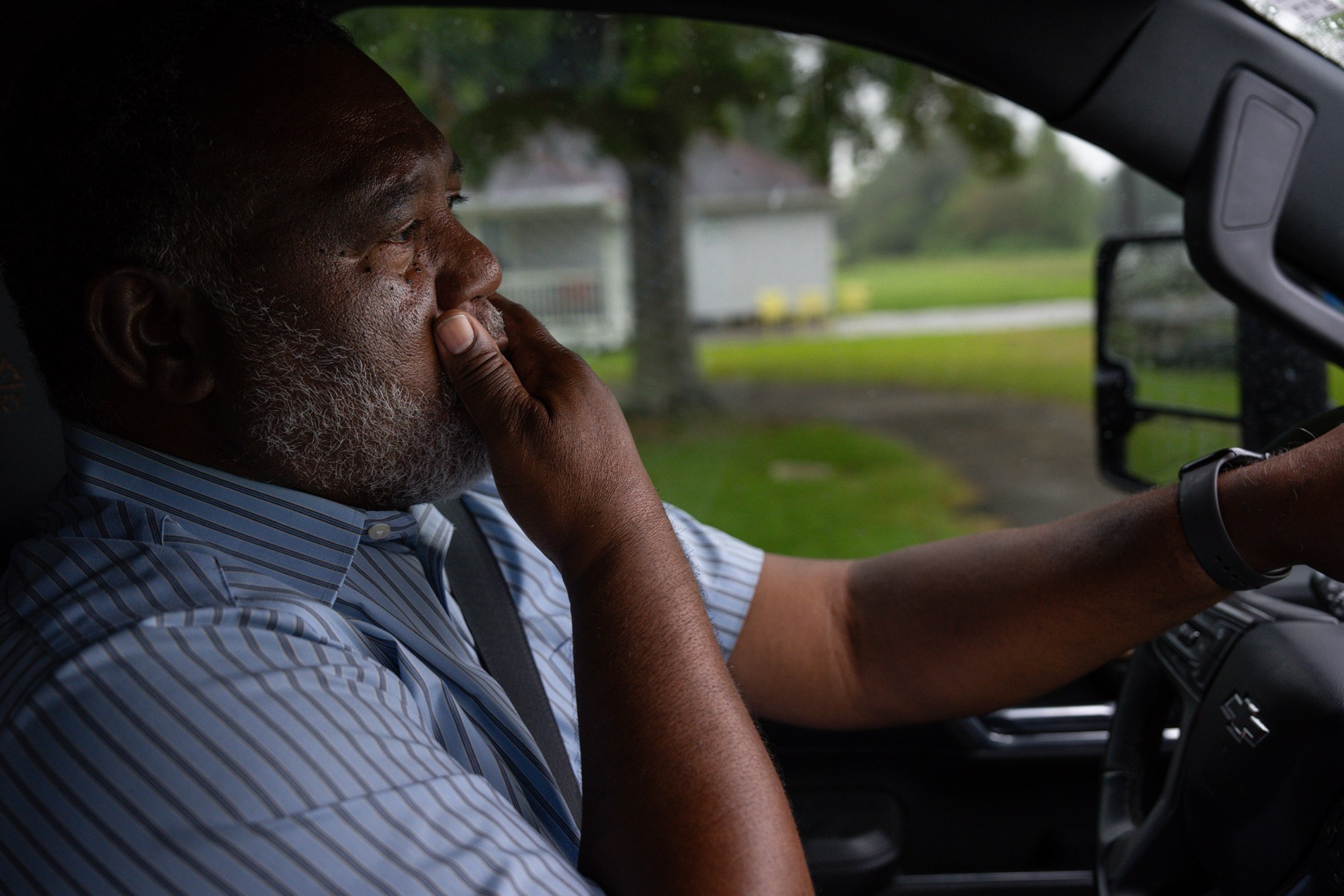
"We’re just shocked that they would want to do this so close to homes," said Douglas Cormier, the 67-year-old president of the Cheek Texas Community Association. Cormier, who grew up in the rural town, lives there alongside his wife, daughters, and grandchildren, embodying the deep generational roots that define the area.
Growing Safety Concerns and Environmental Justice Debates
The apprehension in Cheek is rooted in both global uncertainty and historical precedent. Across the United States, only a small fraction of proposed carbon storage wells have been permitted and brought online, and the nascent industry has already faced serious safety failures. In 2020, a carbon dioxide pipeline ruptured in Mississippi following heavy rain and a subsequent landslide, releasing a massive vapor cloud that hospitalized dozens of residents and left local first responders scrambling because they had not been briefed on the chemical risks. Meanwhile, an Illinois carbon storage facility experienced a fluid leak into unauthorized underground zones, a failure that local residents largely discovered through news reports rather than official warnings.
Residents in Cheek fear similar catastrophes. They worry that injected carbon dioxide could migrate into shallow aquifers, lowering water pH levels, leaching toxic heavy metals into drinking supplies, and permanently compromising their primary water source. Others fear catastrophic pipeline ruptures or surface-level venting that could create suffocating, oxygen-depleted air plumes capable of immobilizing people and stalling combustion engines needed for evacuation.
These anxieties have drawn sharp divisions among climate experts, policy advocates, and community organizers. While major environmental groups like the Environmental Defense Fund acknowledge that carbon management infrastructure is likely necessary to achieve aggressive climate goals, they stress that community safety concerns must be treated as paramount. Conversely, prominent scientists and researchers have sharply criticized the technology. Harvard University history of science professor Naomi Oreskes has dismissed carbon capture and storage as "mostly a dangerous distraction" from the urgent need to transition away from fossil fuels entirely. Recent investigative reporting by outlets like Driled and ProPublica similarly concluded that capturing and storing emissions at the scale required to avert catastrophic global warming would demand unfeasible resources. In Texas alone, economic and logistical hurdles have already caused companies to cancel or pause nearly a third of 19 proposed carbon storage projects.
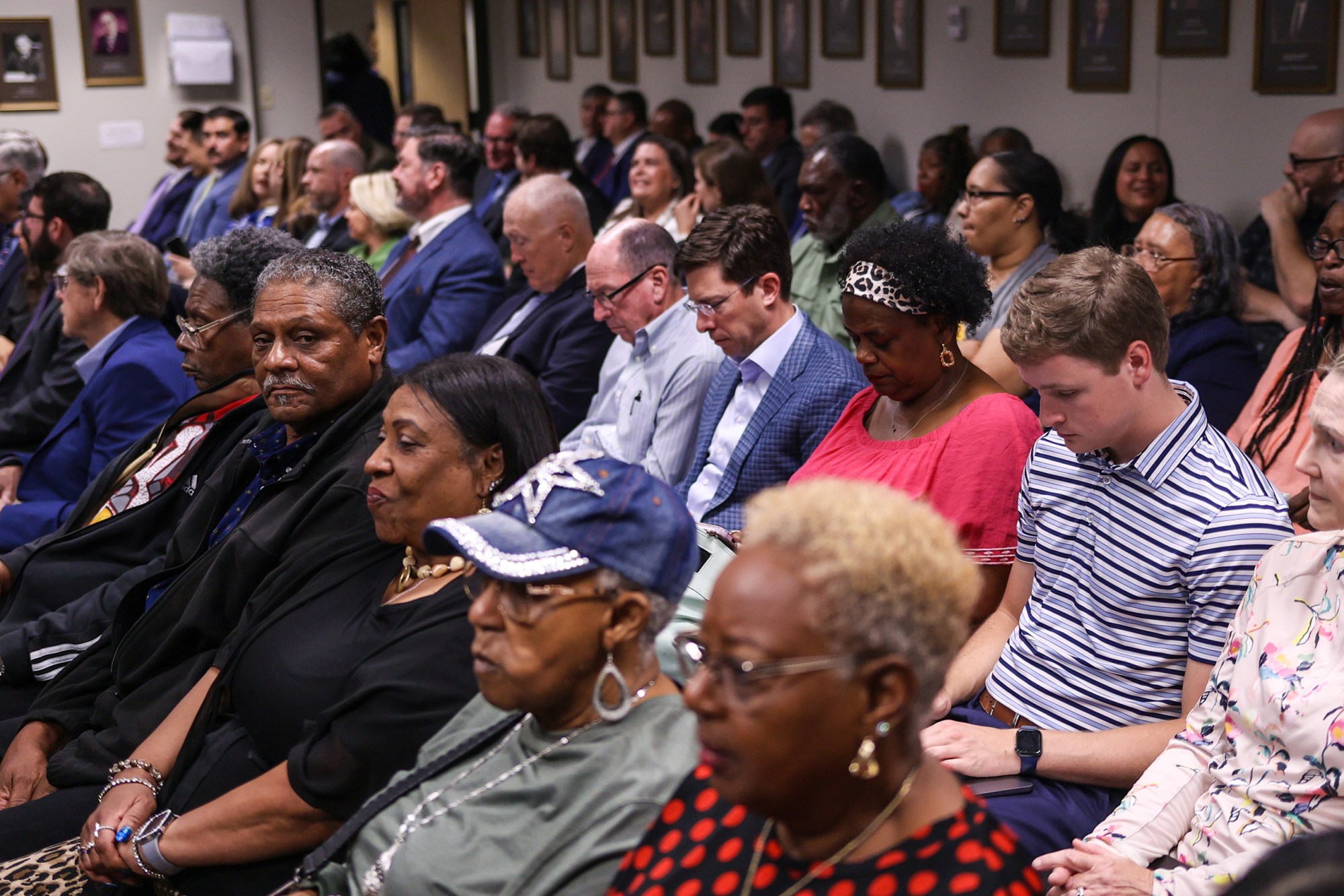
Despite these headwinds, supporters maintain that carbon capture is a crucial pillar of an "all-of-the-above" energy strategy. Proponents emphasize that Texas has a multi-decade track record of safely managing underground injection wells for enhanced oil recovery—a process where carbon dioxide is pumped into depleted reservoirs to extract remaining crude.
"This has been put in place now for over 50 years," said Scott Castleman, a spokesperson for the Gulf Coast Carbon Capture and Storage Alliance, which represents major energy firms including Calpine, Chevron, and Exxon Mobil. "Certainly, there is more discussion and opportunity for this industry to scale, and so that’s where you’re starting to see projects and interest in areas that may not have seen this before."
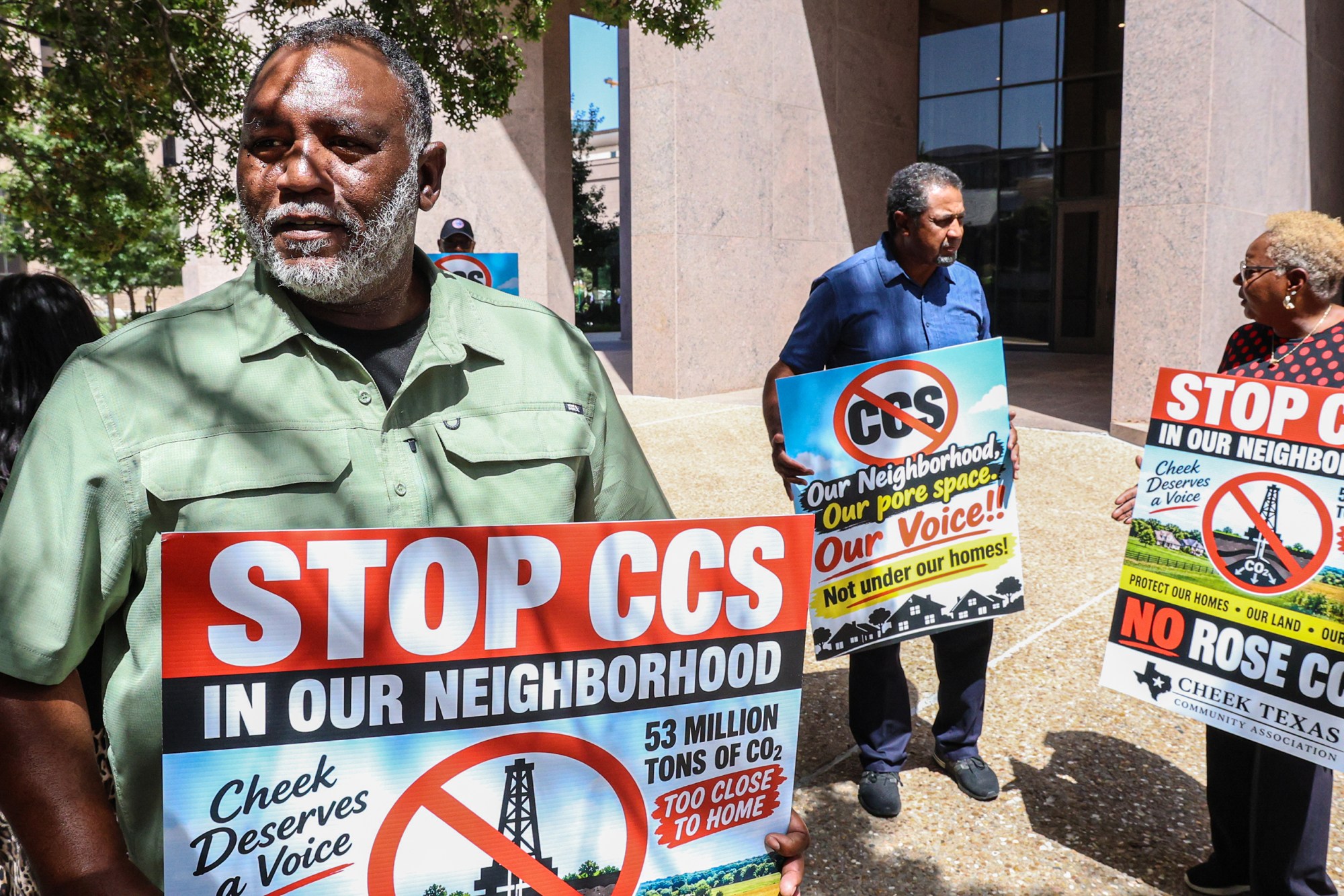
Regulatory Battles and Local Resistance
The path to approval for Exxon Mobil’s East Texas project—internally designated as the "Rose" project—exposed deep fractures between state regulators, industry proponents, and local communities. Backed by nonprofit legal organizations like Earthjustice, the Cheek Texas Community Association challenged the permit during a state administrative hearing in March. Attorneys argued that Exxon Mobil had failed to comprehensively monitor the underground carbon plume and had not done enough to safeguard local water resources.
The debate also reignited familiar environmental justice concerns. Residents pointed out that industrial facilities and hazardous waste projects have historically been sited in lower-income communities of color, where political resistance is presumed to be lower.
"I’m just thinking they found an area where they can do it and not expect a lot of resistance," said James Strambler, a 70-year-old former IBM technician who moved to Cheek in 2017.
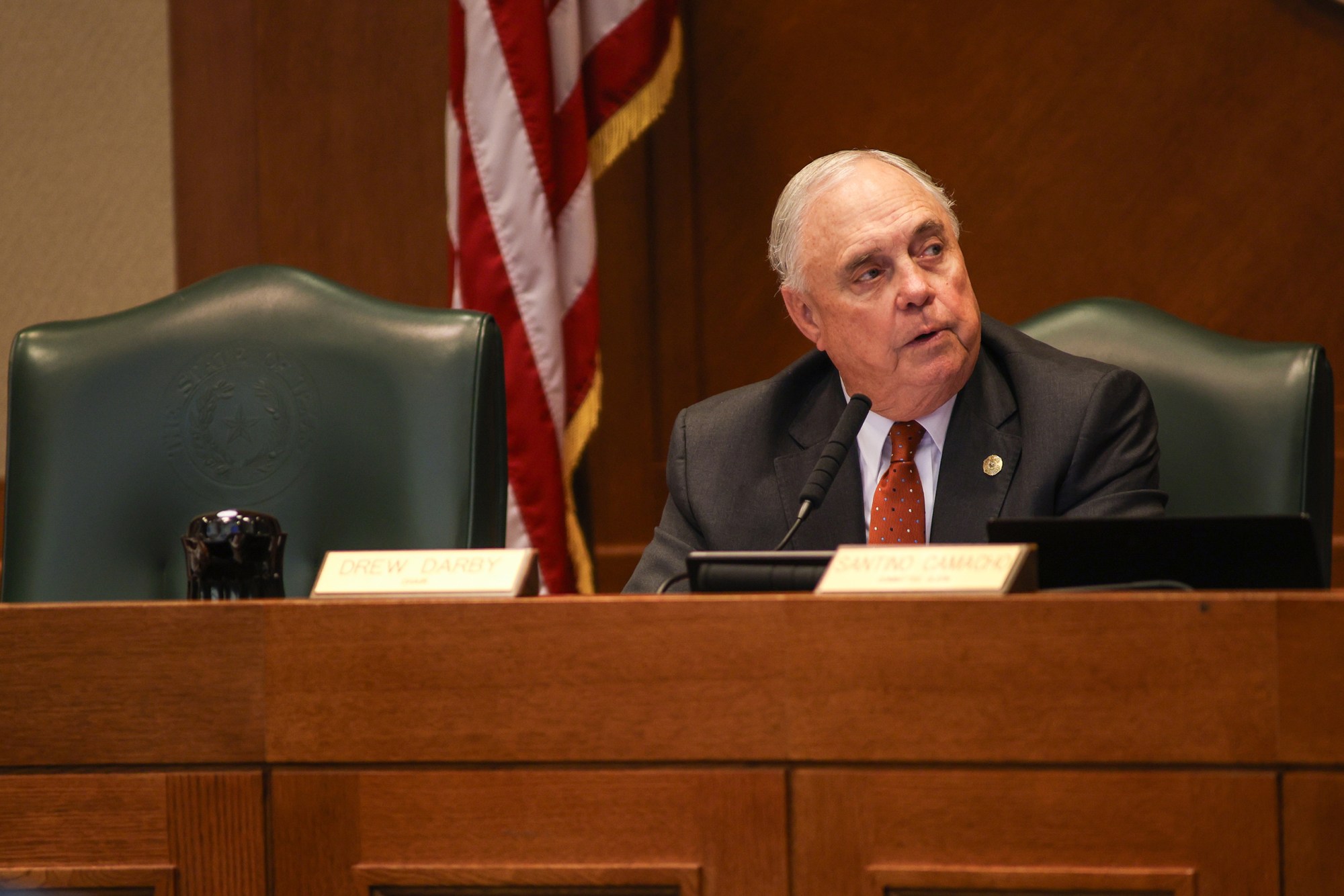
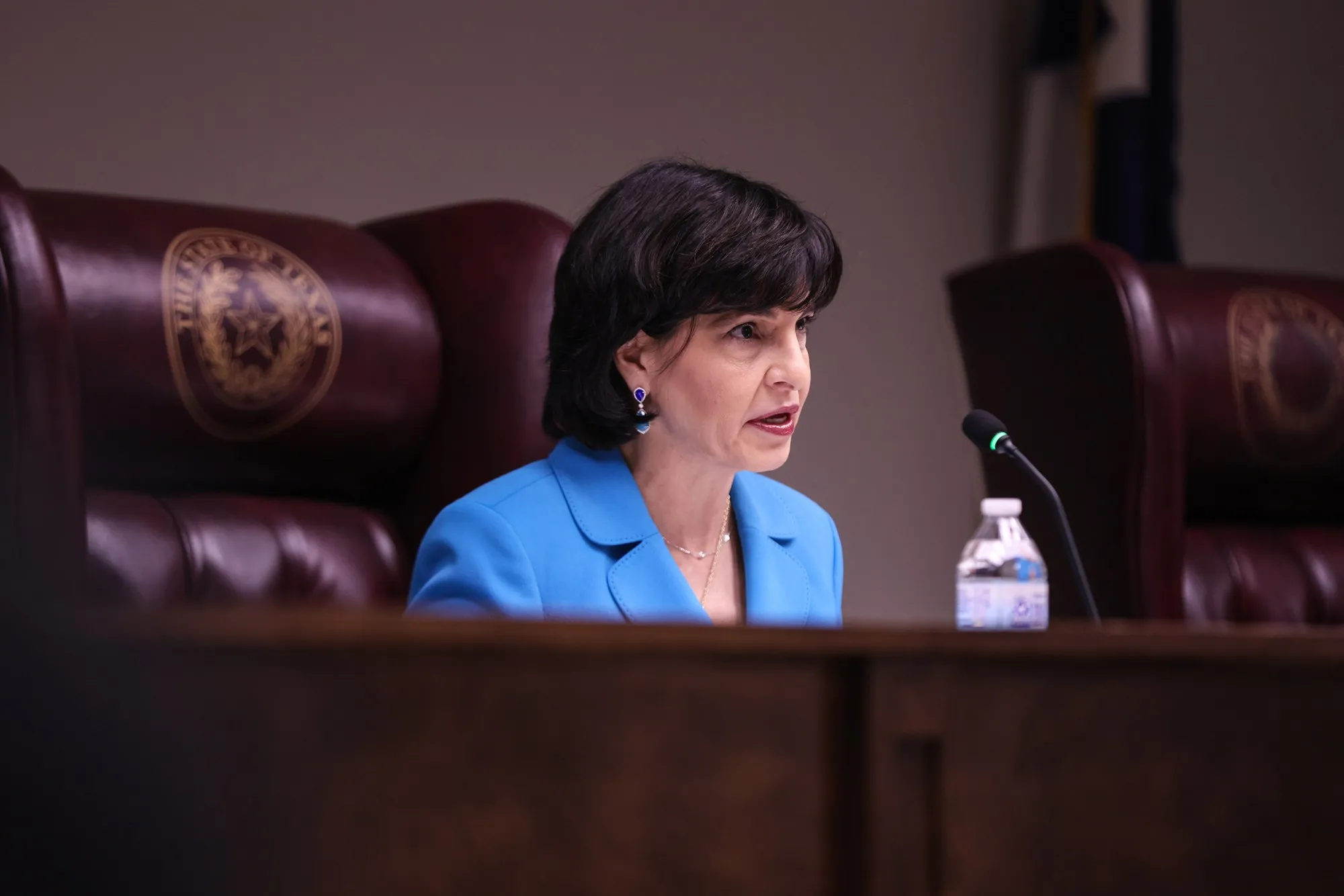
The political pressure surrounding the project was palpable at the state Capitol in Austin. State Representative Drew Darby, a San Angelo Republican who leads the House Energy Resources Committee, urged regulators during a September hearing to advance carbon capture projects at the "utmost pace while protecting the public." Yet, friction emerged even among conservative state officials. Railroad Commission Chair Christi Craddick publicly scolded Exxon Mobil representatives during the proceedings for failing to engage constructively with Cheek residents after the community retained legal counsel.
"Give them information," Craddick instructed the company. "Be there for their safety. Give ’em a fire truck if that’s what they want."
Despite those sharp remarks, Craddick ultimately joined the majority in voting to approve the permit. Commissioner Wayne Christian, a vocal critic of the state’s carbon storage push, cast a dissenting vote, arguing that the projects lacked sufficient safety guarantees. Christian, who has frequently voiced skepticism regarding mainstream climate science, expressed direct concern over the safety profile of the injection system. Meanwhile, newly elected Railroad Commissioner Jon Rosenthal is slated to join the three-member panel, inheriting a regulatory backlog of pending CCS applications.
Expanding Footprints and Ongoing Skepticism
Even as Cheek residents process the commission’s decision, Exxon Mobil is advancing similar infrastructure nearby. The company’s second major East Texas initiative, dubbed the "Sunflower" project, is located in the neighboring community of Nome. As the Railroad Commission collects public comments and holds hearings on the Sunflower proposal, local dynamics are playing out with distinct variations.
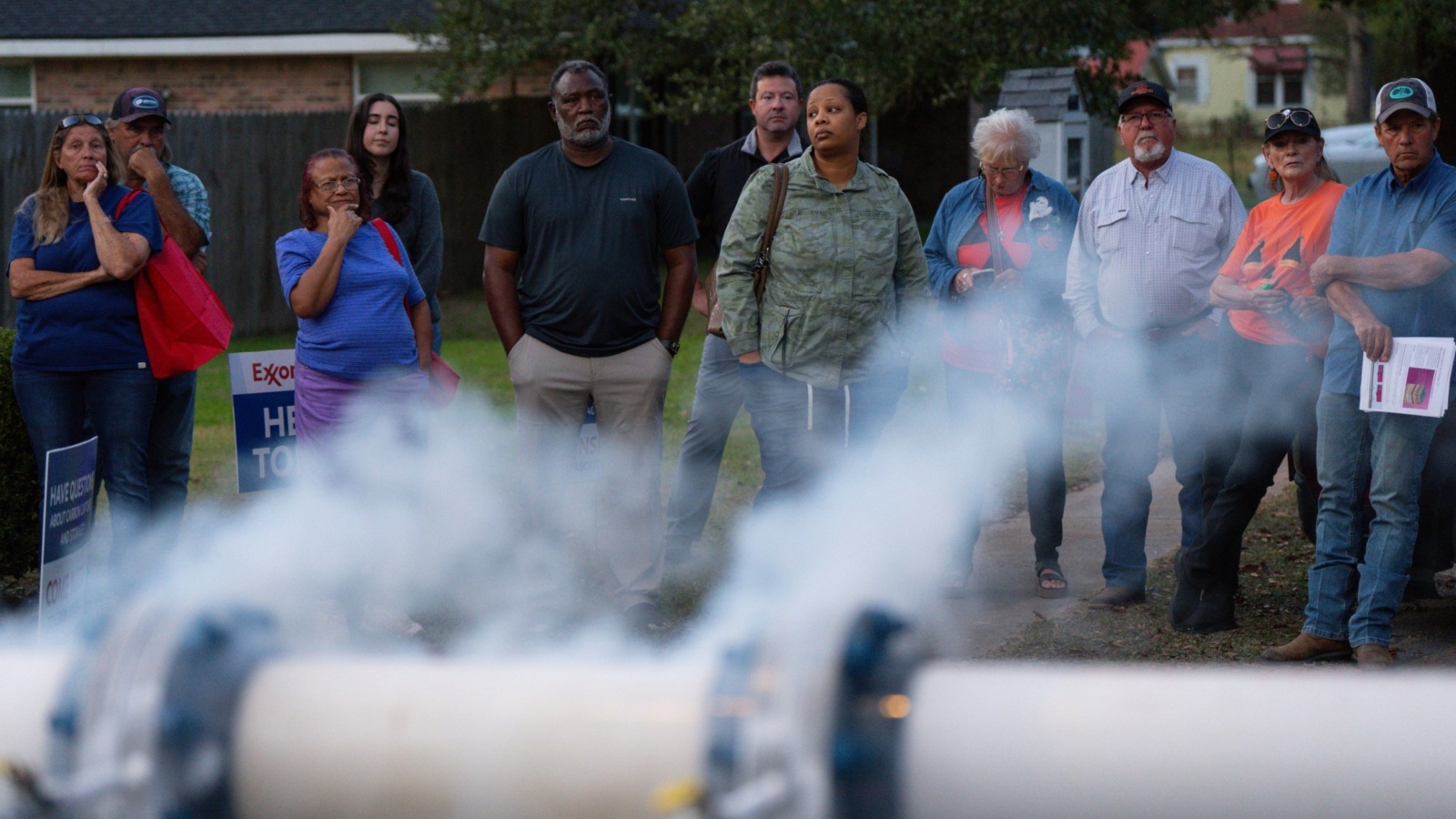
Exxon Mobil has leaned heavily into community engagement in Nome, hosting open houses at City Hall complete with catered food, safety pamphlets, and live demonstrations of carbon dioxide venting to illustrate how the gas disperses under controlled conditions. During one such demonstration, company presenters released a visible white puff of CO2 from a test line while cheering employees and local officials discussed the economic vitality the project could bring to an agricultural town facing tough financial realities.
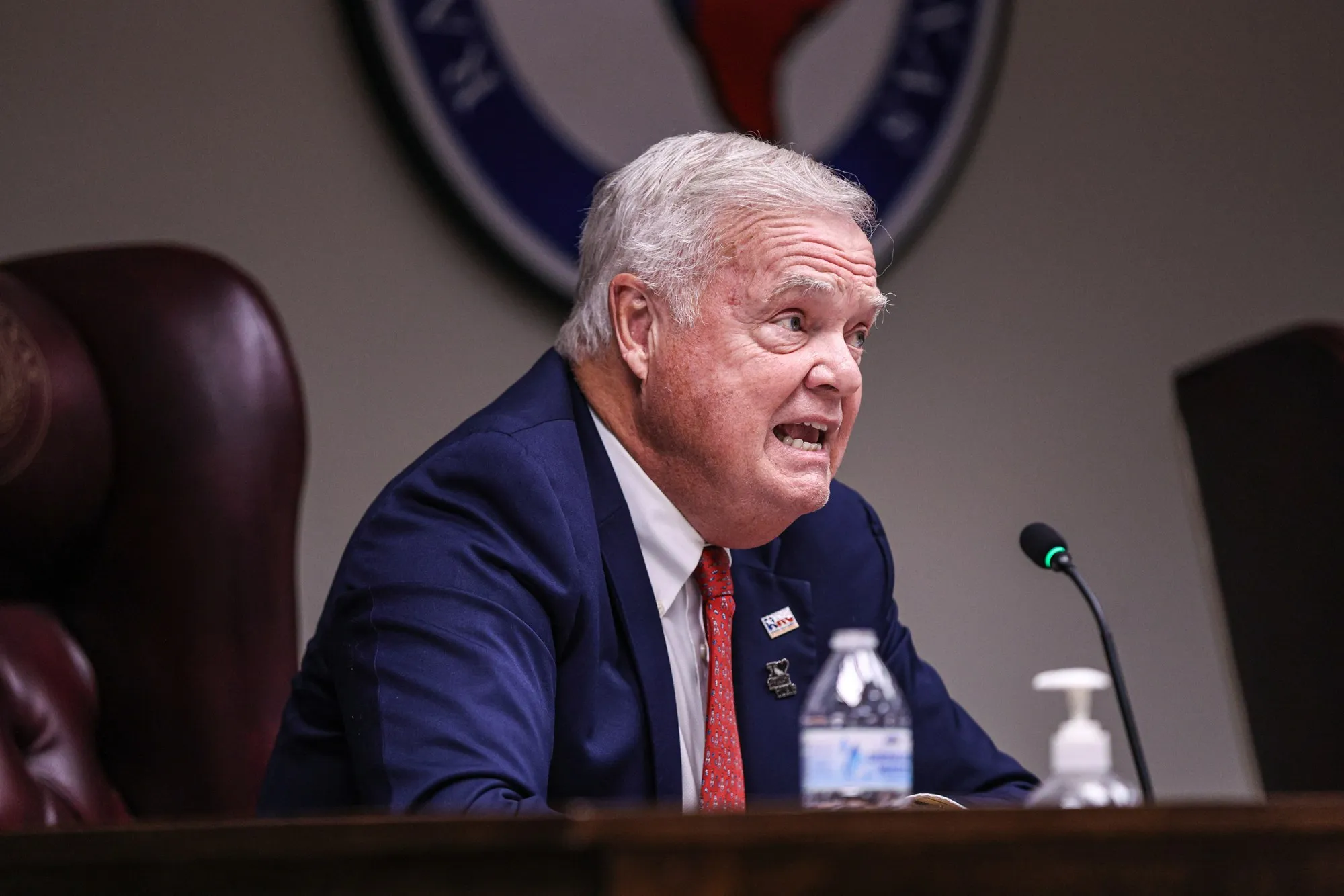
Nome Mayor Kerry Abney, wearing an Exxon Mobil cap, voiced strong support for the project, noting that visiting workers boost local sales tax revenue and create economic opportunities. Local landowners, such as 72-year-old rice and turf farmer Mike Doguet—whose property sits directly across the street from a proposed injection well site—expressed confidence in the company’s safety protocols.
"In my mind, it’s going to encourage new industry. It’s going to be good for the environment. It’s all positive to me," Doguet said, adding that he sees no negative outcomes.
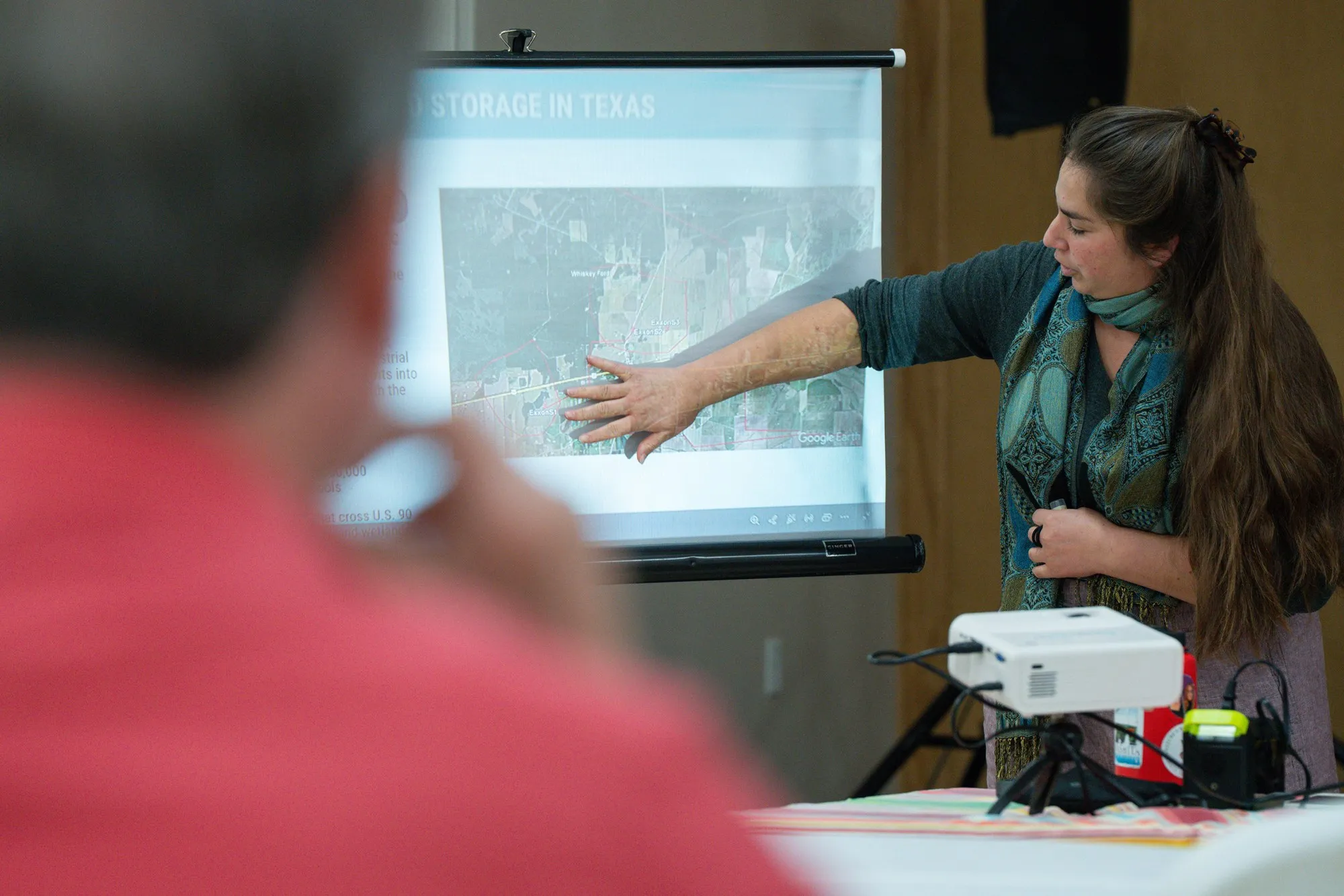
Yet, skepticism from neighboring communities remains a formidable counterweight. Visitors from Cheek attended Nome informational meetings to caution local residents, warning of invisible risks, potential aquifer contamination, and emergency response deficiencies. While energy executives and industry groups maintain that comprehensive monitoring, automatic shut-off valves, and strict federal and state standards render the operations secure, critics argue that the long-term environmental hazards simply outweigh the corporate and state benefits.
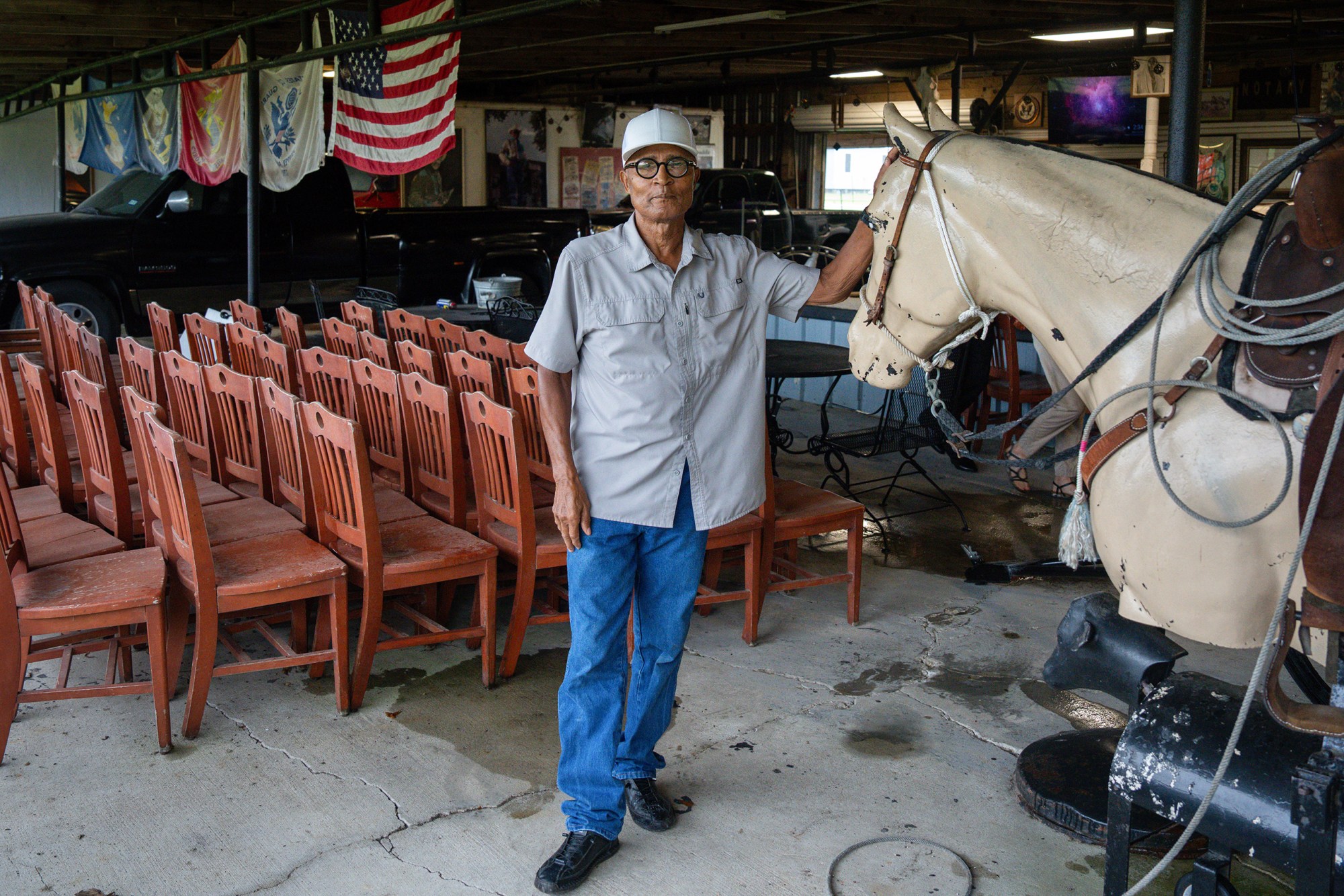
For long-time Cheek residents like 81-year-old Preston Frank, who built a self-made museum preserving the community’s decades-long rodeo history and generational land ownership, the fight is fundamentally about preserving heritage and property value.
"That’s the reason why we’ve been fighting Exxon Mobil," Frank said. "We don’t want them coming in here and diminishing the value of the land."