
Early on a Saturday morning in May, Ruben Juarez boarded the 45-minute flight from Oʻahu to Maui, a journey he had made dozens of times over the previous three years. Yet, this particular trip carried a heavier weight.
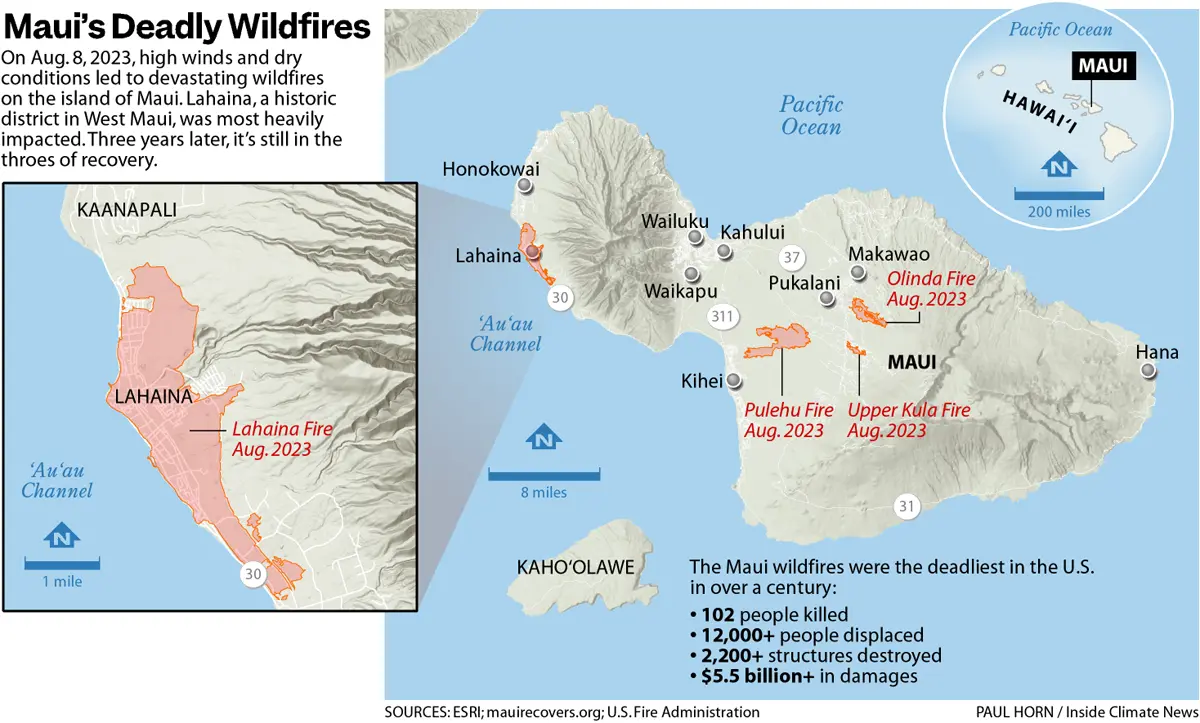
Landing at Kahului Airport alongside his partner, Alika Maunakea, Juarez drove down the long, winding highway bordered by the piercing blue expanse of the Pacific Ocean until they arrived at the Lahaina Comprehensive Health Center. A cool ocean breeze drifted in from less than half a mile below as they directed a team of Ph.D. students and local healthcare providers in setting up stations for blood collection, comprehensive lung function tests, and mental health check-ins. Then, they waited for the fire survivors to arrive.
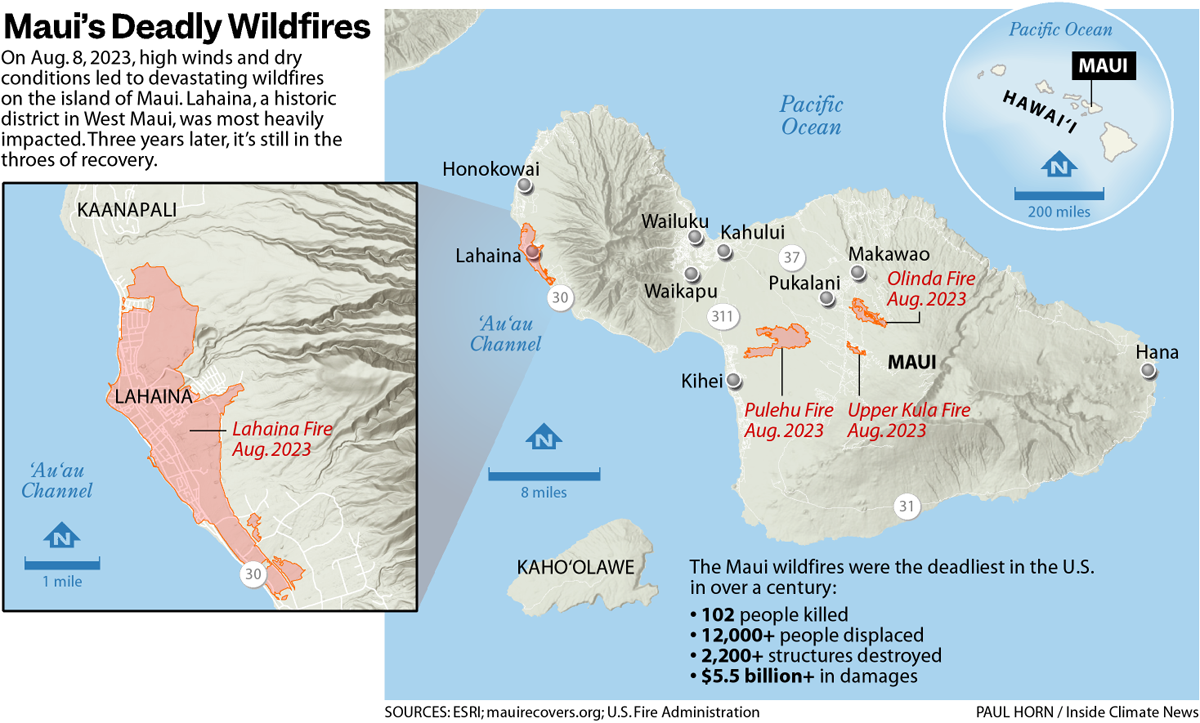
On August 8, 2023, Maui was struck by the deadliest wildfires the United States has witnessed in over a century. The disaster claimed at least 102 lives, displaced nearly 13,000 residents, and reduced more than 2,200 buildings to ash. Three years later, only 15 percent of those structures have been rebuilt, leaving a landscape still grappling with the physical and psychological scars of the catastrophe.
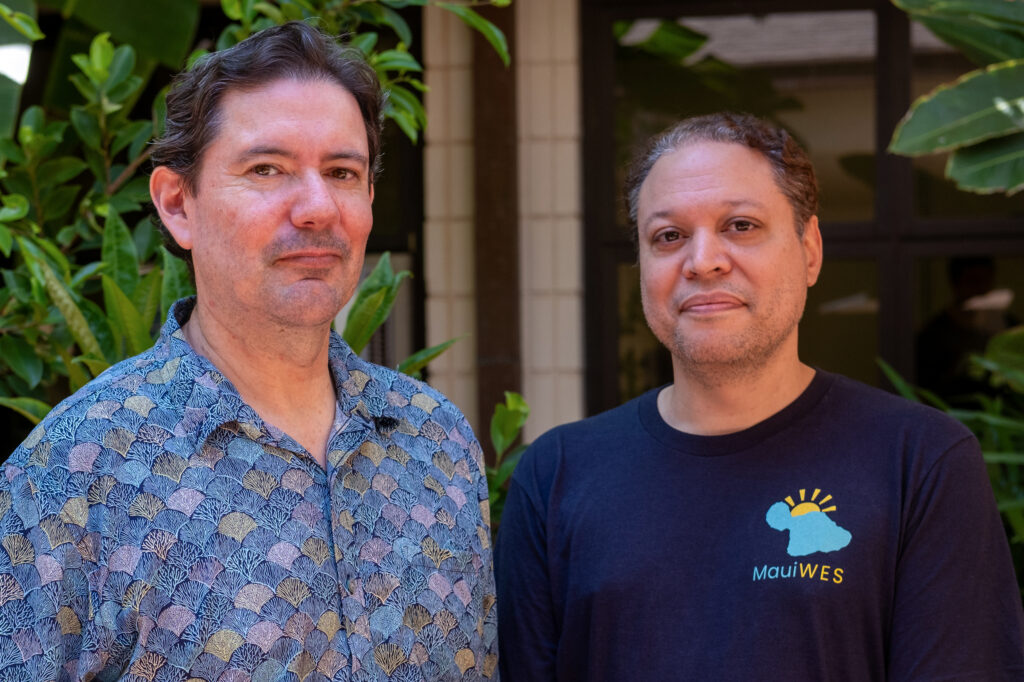
Juarez, an economist, and Maunakea, a biomedical scientist, never anticipated dedicating their careers to disaster recovery. But in the immediate wake of the fires, they were thrust into the breach by the overwhelming, immediate scale of human need across the island. The two University of Hawaiʻi professors conceived the Maui Wildfire Exposure Study, known as MauiWES, as a rapid-response initiative designed to rigorously track the long-term health impacts of the fires on survivors.
Three years and 2,500 participants later, the study has evolved far beyond a conventional academic research project. It functions as an integrated web of community organizations working in tandem to provide participants with more than just free medical testing—offering therapy, food assistance, cash support, and vital connections to doctors and insurance providers. For many residents, the intervention has been nothing short of life-saving.
Researchers and public health experts across the country have taken notice. David Eisenman, a longtime disaster researcher at the University of California, Los Angeles, described the study’s holistic approach as "singular."
A Precarious Financial Future
Despite its resounding community impact, the foundational support required to sustain the effort for a decade faced a perilous crossroads. Grant applications submitted to federal agencies had been met with silence for months, and just two weeks before Juarez and Maunakea landed on Maui, critical state funding they had been counting on fell through.
Now, they found themselves at what could potentially be their final large-scale event dedicated to evaluating survivor health and identifying ongoing needs. Juarez was visibly distraught, feeling as though the endeavor was coming to an end. Maunakea, traditionally the pessimist of the pair, stubbornly refused to accept that outcome. He maintained that the study simply had to continue because the community need was too vast, vowing that they would find a way forward.
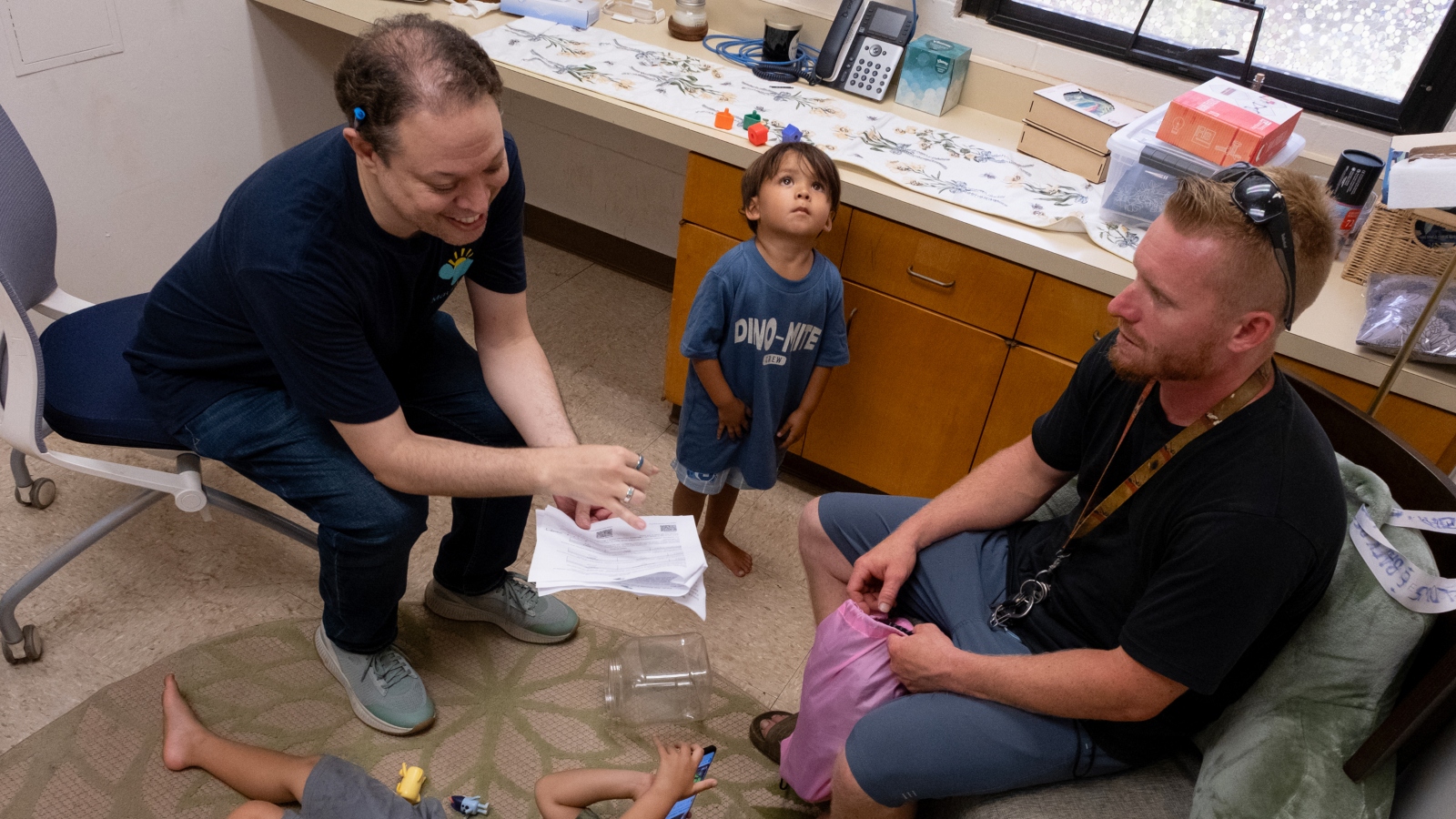
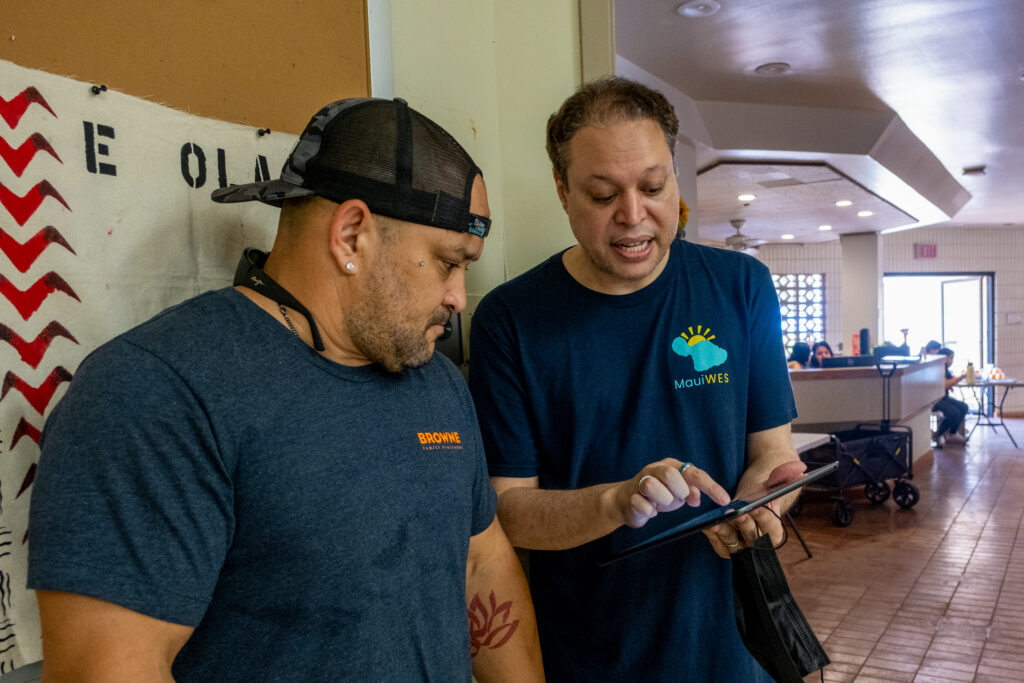
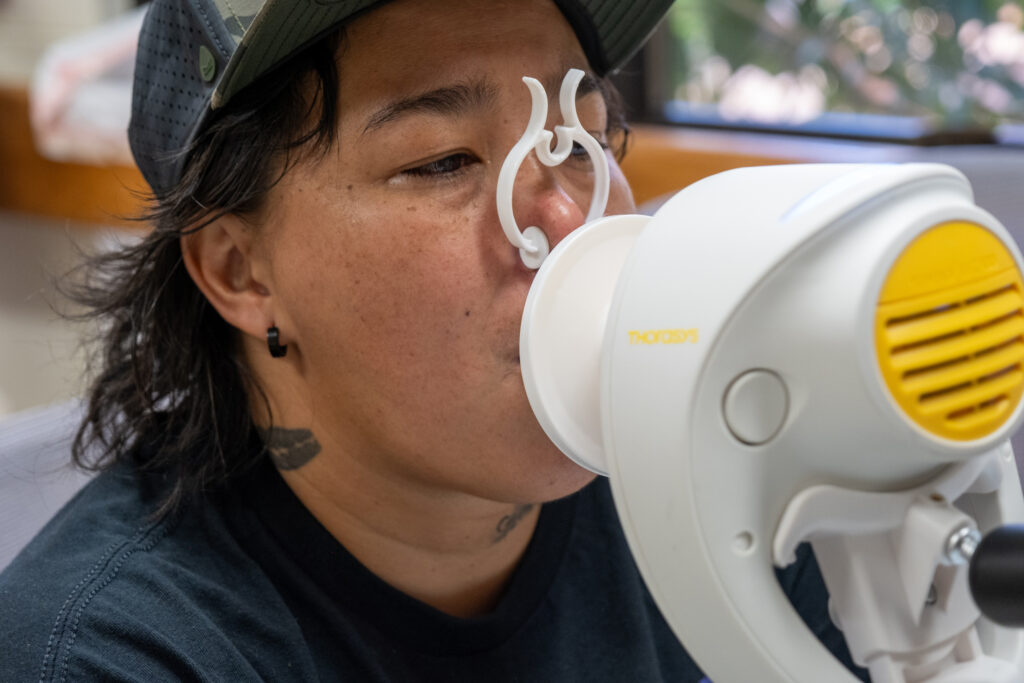
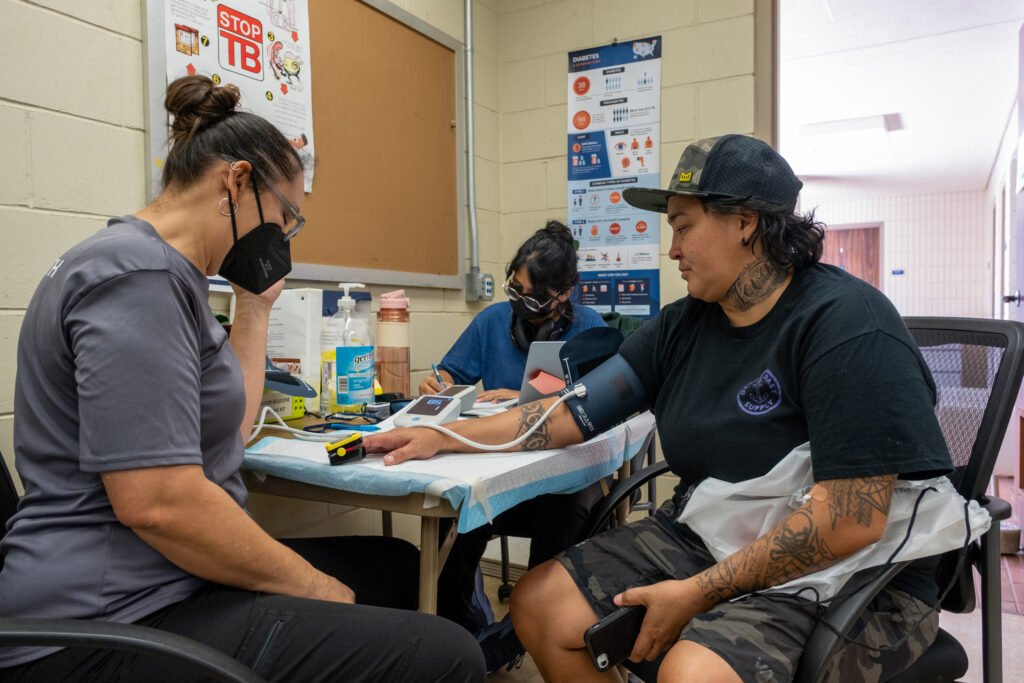
At the health center that Saturday morning, Maunakea greeted Lisa and Nilsson Panis, siblings born and raised in Lahaina. As he checked them into the study, he outlined the comprehensive battery of assessments awaiting them: urine samples to track environmental exposures, saliva collection for biomarkers of stress and aging, blood tests for metabolic function, dual assessments of lung health, recordings of blood pressure, height, and weight, and a thorough mental health screening.
Upon completing the evaluations, participants met with a volunteer physician to review their test results and walked away with $100 as compensation for their time. "We’re trying to do this every year," Maunakea told the Panises, determined to honor that commitment.
The lobby of the health center featured a dark stain on its ceiling, the result of a water leak just a month prior. Operated by the state’s Department of Health and loaned to MauiWES for the weekend, the building sits near the base of the sprawling West Maui mountains. Recent Kona low storms had swept water damage into newly rebuilt homes and construction sites, triggering millions of dollars in county-wide damage while simultaneously sparking an unusually verdant spring. While the lush greenery and blooming flowers provided a picturesque backdrop, hydrologists noted that early moisture often fuels rapid grass and brush growth, creating an abundance of dry tinder later in the year that heightens future wildfire risks.
Documenting Community Trauma and Occupational Exposure
Lisa Panis had a scheduled appointment that day, but she hoped the team might squeeze in her older brother as well. In a fluorescently lit room adjacent to the main lobby, she introduced Nilsson to Maunakea, explaining that he had served as a first responder following the wildfires, clearing debris within the hazardous burn zone. Maunakea immediately instructed the student staff to register him alongside Nilsson’s girlfriend, another survivor.
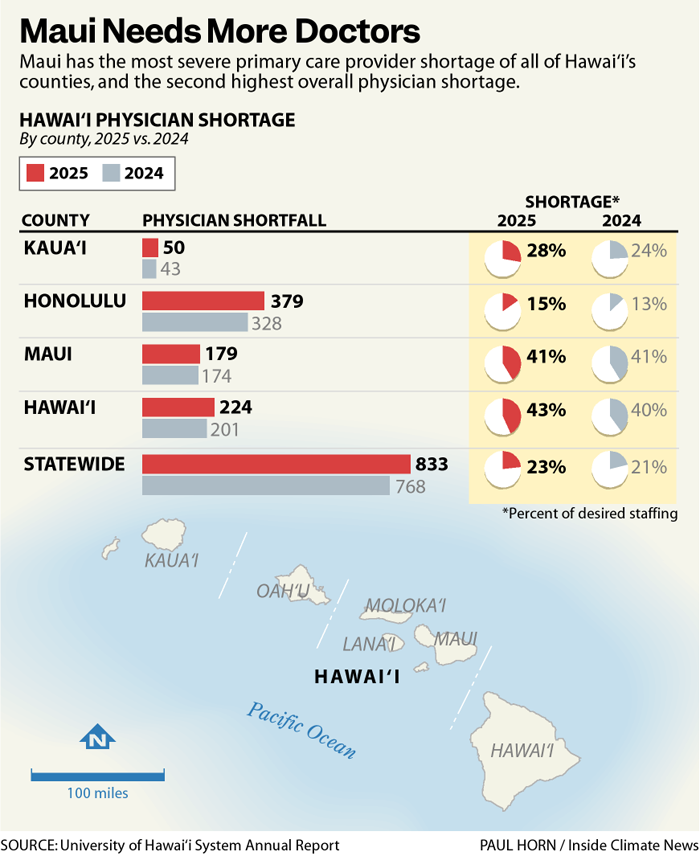
Despite limited resources and an uncertain funding climate, Maunakea and Juarez were reluctant to turn anyone away, particularly on an island already suffering from a severe shortage of healthcare providers.
Maunakea listened as Nilsson detailed his grueling schedule in the months following the disaster: 12-hour days, seven days a week, clearing the burn zone for a construction company. Though he wore full-body protective gear, he returned home every evening coated in toxic grime. Convinced that inhaling ash and handling contaminated debris had taken a toll on his health, Nilsson acknowledged the limitations of their cleanup methods. "We tried to push all the dust down with water," he told Maunakea, "but you cannot get everything."
The Panis siblings are descendants of Filipino immigrants who arrived on the island more than a century ago to work on sugar plantations under grueling conditions and meager pay. Those agricultural operations diverted water away from Lahaina’s once-fertile hills, setting the stage for modern wildfire risks that have since been magnified by climate change and compounded by decades of local disenfranchisement tied to the rise of the tourism industry.
On the day of the fires, Nilsson was scheduled to fly back from Las Vegas to scatter the ashes of two siblings who had passed away weeks apart that spring. Lisa was staying with an aunt whose home was ultimately destroyed. She vividly recalled standing on the field next to the post office where she and her brothers once played football, watching flames consume the town around her.
Following check-in, the siblings moved through the medical assembly line of urine and blood tests, vital sign checks, and spirometer lung function tests. Nearby, Juarez coached participants through the lung evaluations in Spanish, operating as one of several interpreters fluent in English, Spanish, and Tagalog.
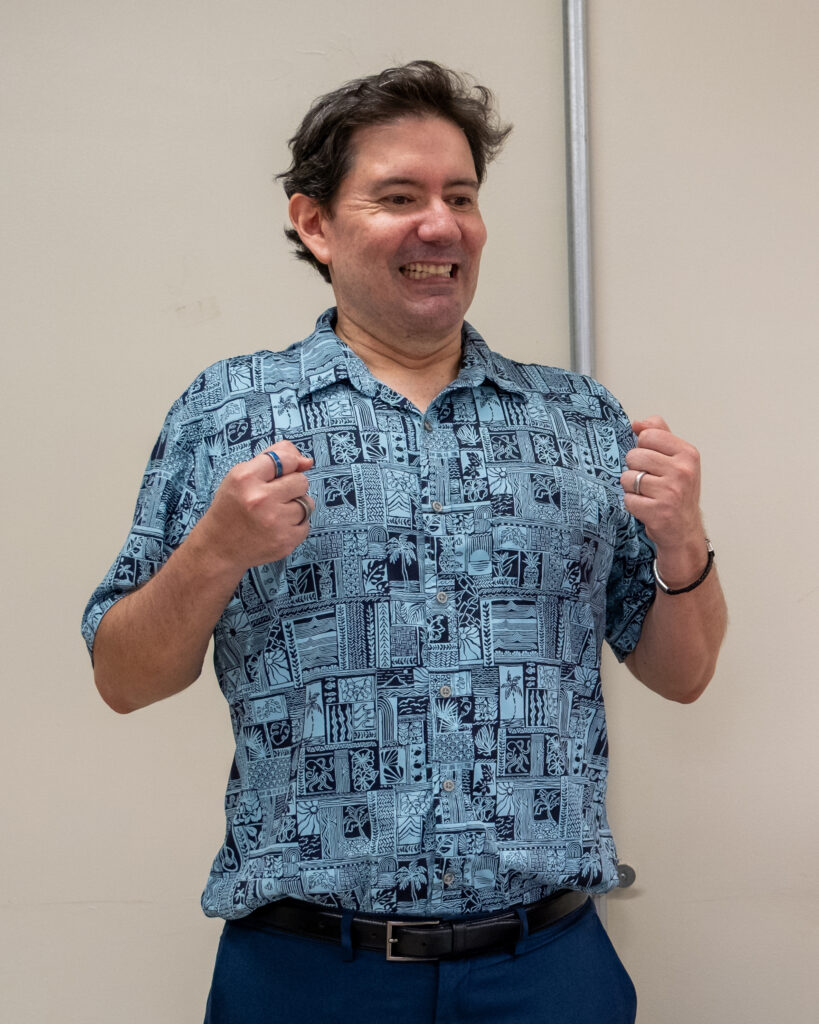
Juarez’s involvement in Maui’s recovery stems from his deep ties to Lahaina’s immigrant community, where roughly one-third of residents were born outside the United States. Having moved from Mexico to Houston for doctoral studies at Rice University before relocating to Oʻahu, Juarez met Maunakea while living in faculty housing. While Juarez initially focused his research on social networks and Maunakea on health disparities, the post-disaster reality drew them into community-centered recovery efforts.
The Intersections of Care and Advocacy
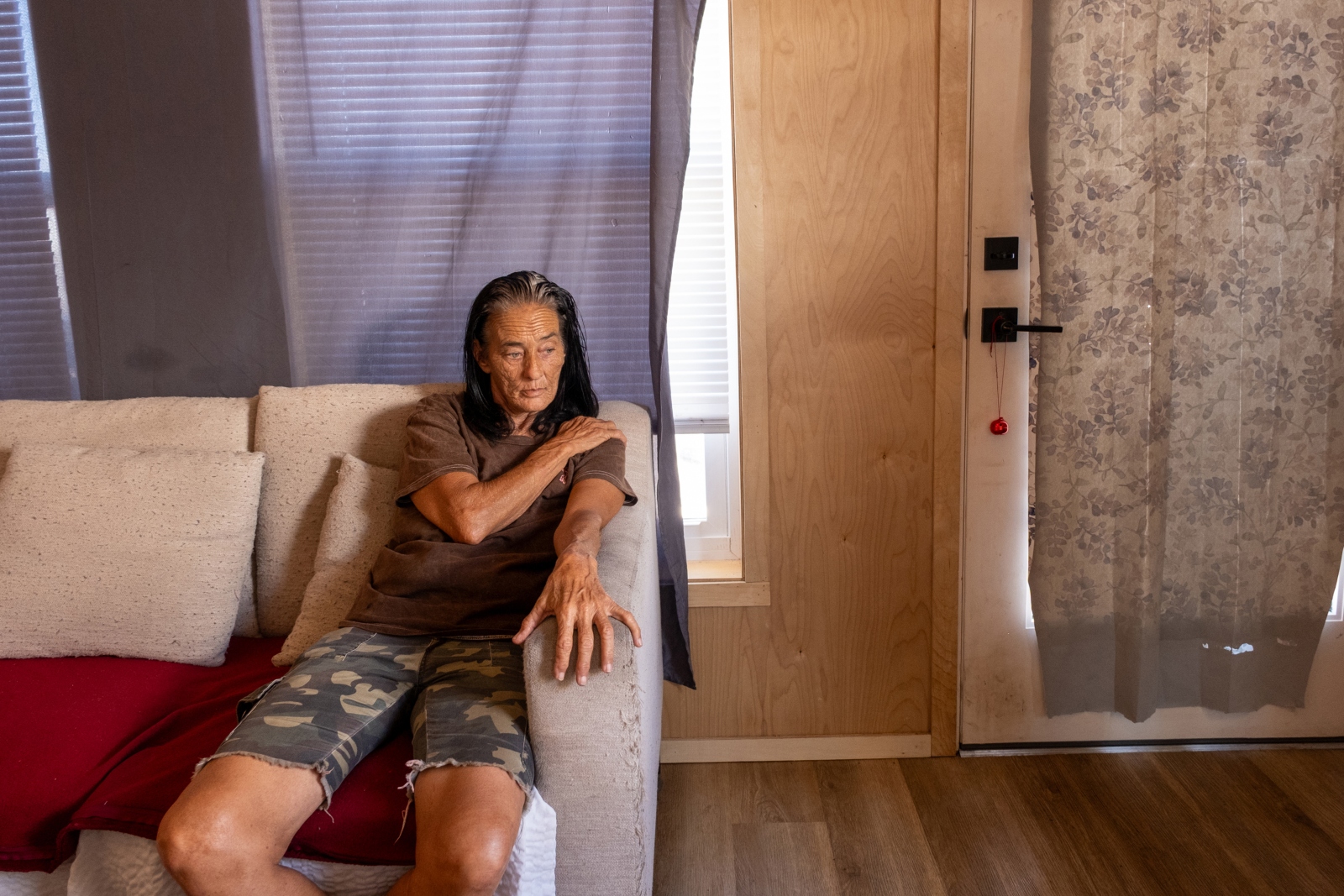
For many study participants, the local grounding of MauiWES provided a crucial sense of trust that external practitioners often lacked. Mikey Burke, a Native Hawaiian mother of four who grew up in West Maui, recalled the influx of mainland mental health professionals who roamed hotel lobbies where displaced families were housed. While well-intentioned, those clinicians often felt unapproachable compared to local organizations like the Maui Medic Healers Hui, which collaborated closely with MauiWES.
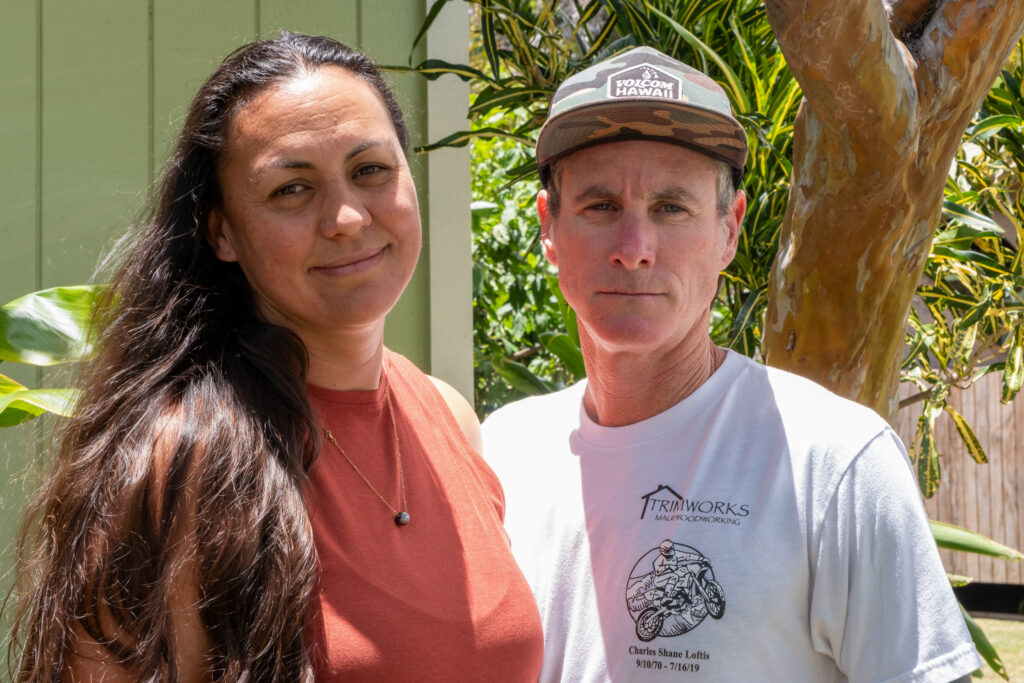
After losing their home, Burke, her husband Rob, and their four young sons bounced between temporary shelters, family homes, and rentals. Recognizing that her twin boys, who were eight at the time of the fire, were exhibiting severe post-traumatic stress disorder, Burke found immediate relief when MauiWES screened the children and connected them with free, local therapists.
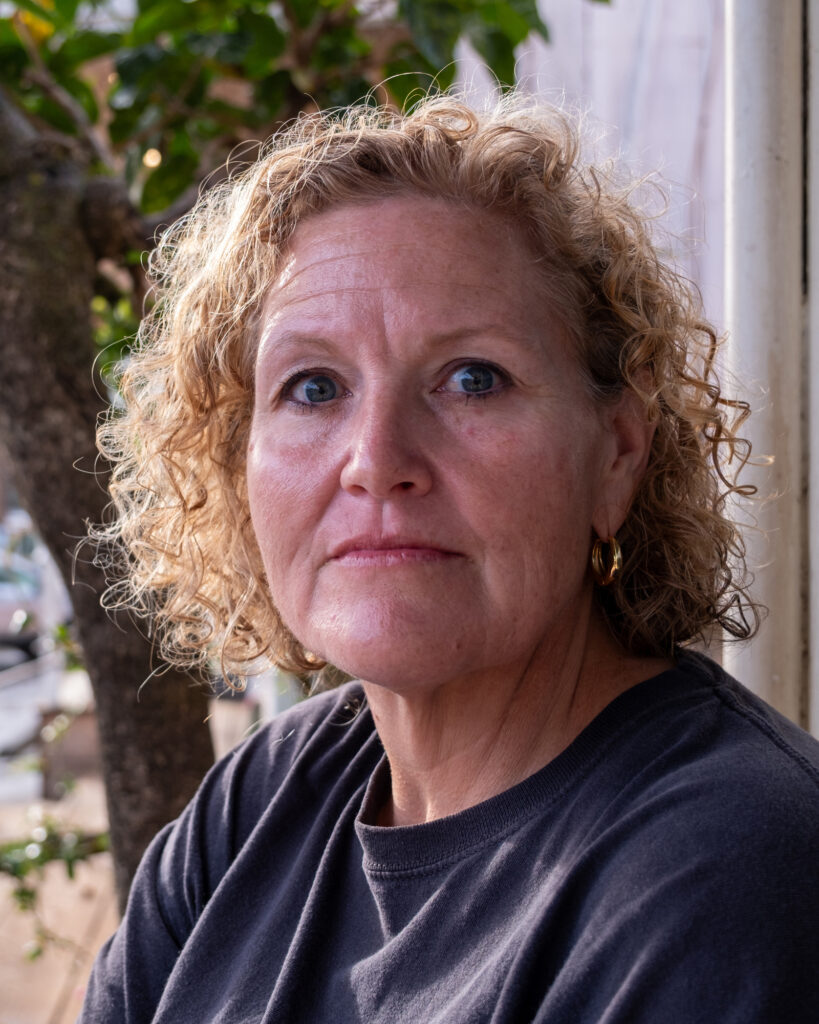
The study consistently documented widespread emotional distress and trauma among both adults and children across the island. Furthermore, in an environment characterized by an acute physician shortage, MauiWES served as the first point of medical contact for many survivors.
In August 2024, Amy Jackson, a former trauma nurse, discovered through MauiWES screening that her hemoglobin count had dropped to dangerously unrecorded levels. Urged by the team to seek immediate emergency care, Jackson later learned from hospital physicians that she was critically ill and credits the study with saving her life.
Similarly, when an undocumented immigrant presented with severe lung infection symptoms in early 2024—and remained ineligible for state insurance due to job loss from the fires—Juarez coordinated with Roots Reborn to secure emergency private insurance coverage through Kaiser Permanente. Juarez estimates that more than 200 participants have been successfully connected with private insurance through such grassroots interventions.
Scientific Friction With the State
As the study progressed, its findings began to diverge sharply from the official narrative put forward by the state Department of Health. While an initial health department screening of 557 residents for lead in May 2024 led agency director Kenneth Fink to state that widespread toxic exposures from ash were unlikely, MauiWES identified elevated levels of heavy metals—including arsenic, nickel, cadmium, mercury, and lead—associated with heart and lung issues and cancer risks in a cohort exceeding 1,200 survivors.
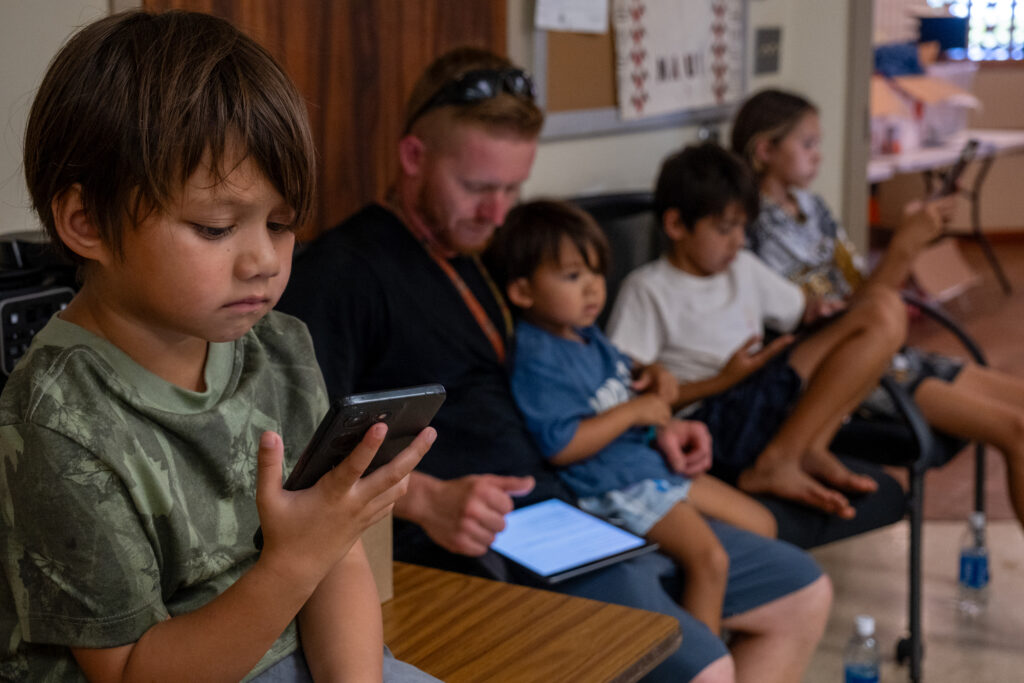
Public records obtained via Inside Climate News revealed that health department officials grew increasingly defensive following public reports of the university’s preliminary findings. Internal emails showed state toxicologist John Jacob writing, "The panic has begun!" and expressing a desire not to validate university findings that contradicted the agency’s official stance.
In October, the Department of Health formally criticized MauiWES for utilizing convenience sampling rather than a randomized cohort and questioned its heavy metal findings. The University of Hawaiʻi defended the research, clarifying that the study did not claim a definitive causal relationship between the fires and the detected metals. Independent academic experts consulted by media outlets noted that the state’s dismissal of burn-zone hazards based on limited lead sampling lacked sufficient justification.
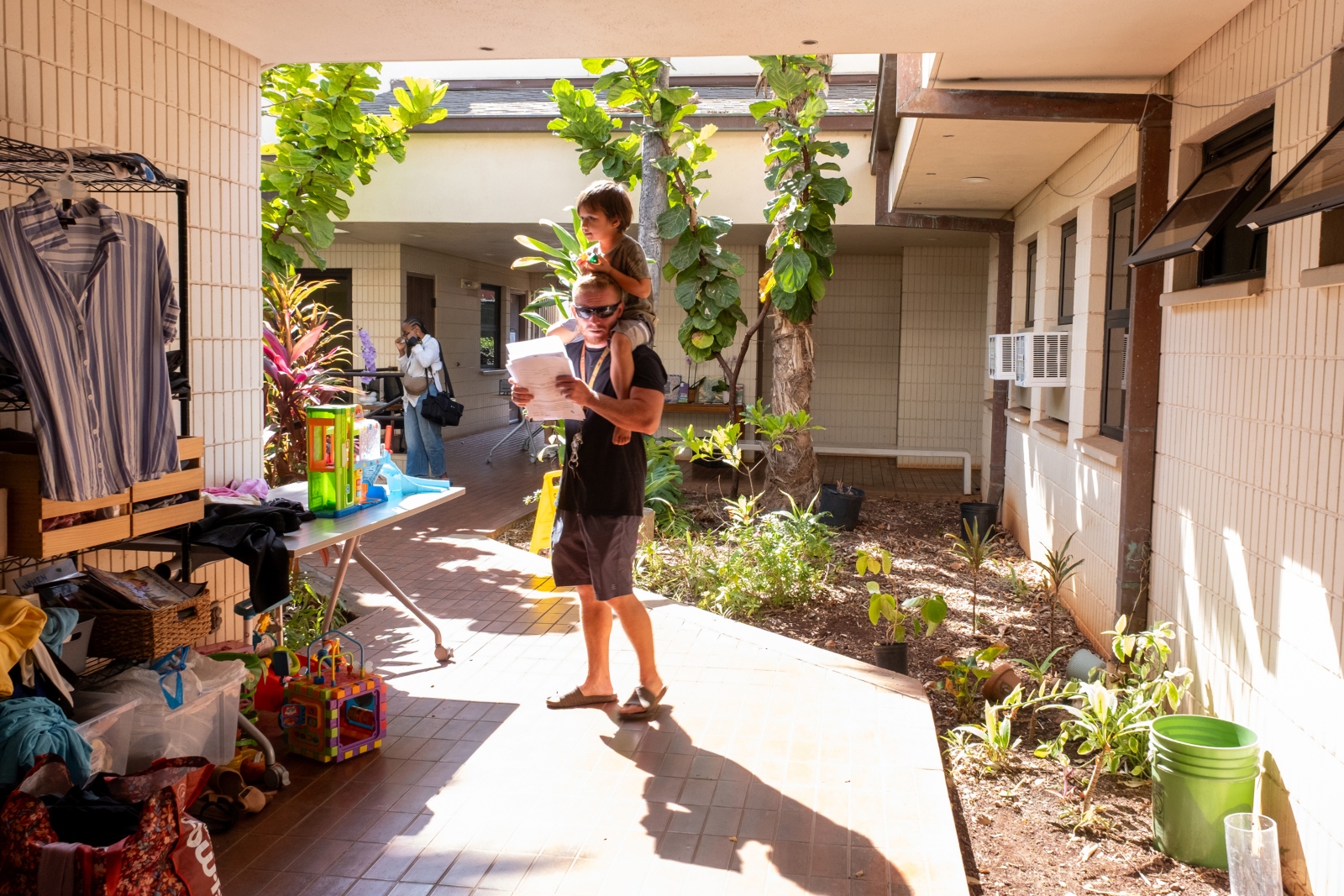
Despite these bureaucratic frictions, a Department of Health subagency ultimately submitted supportive testimony for legislative funding bills. However, when those funding efforts stalled in the legislature alongside languishing federal grant applications, the long-term viability of MauiWES appeared increasingly uncertain.
As the weekend collection event drew to a close on Sunday evening, staff members packed testing equipment ahead of flights back to Oʻahu, while clinical psychologist Christopher Knightsbridge remained behind to continue direct patient care. Observing the ongoing trauma and heavy metal test results that mirrored participants’ persistent neighborhood-level exposures, Knightsbridge and his colleagues remained convinced that the community required expanded, sustained support rather than contraction.
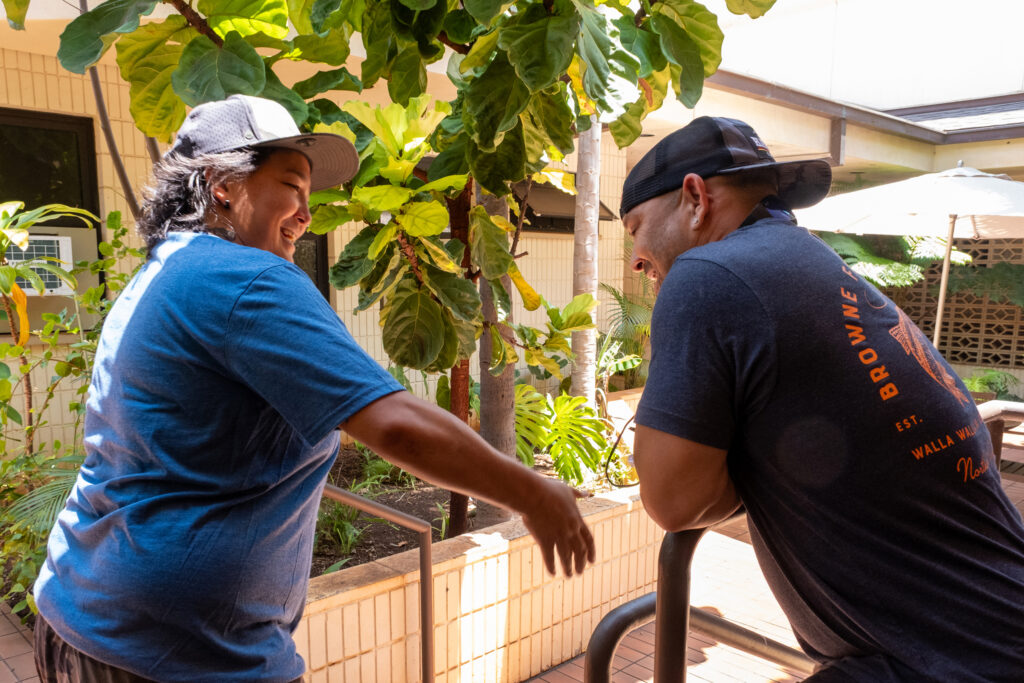
Despite the financial cliffs and institutional resistance, Maunakea remained resolute. Drawing on Hawaiian cultural principles of communal resilience and shared responsibility, he maintained that the study’s continuation was an absolute necessity for community survival.
"We’re going to find a way," Maunakea emphasized, expressing confidence that the work demanded by the community would endure.