
For nearly two decades, the name Pete Adeney—better known to millions of readers as the personal finance blogger "Mr. Money Mustache"—has been synonymous with extreme frugality, early retirement, and a deep-seated disdain for car culture. Adeney built his entire digital brand on the premise that modern society wastes staggering amounts of money on automobiles they cannot afford and uses them far more often than necessary. For 18 years, that philosophy funded the glorious freedom of his early retirement, anchored by a fiercely disciplined lifestyle that prioritized modest spending and robust investments.
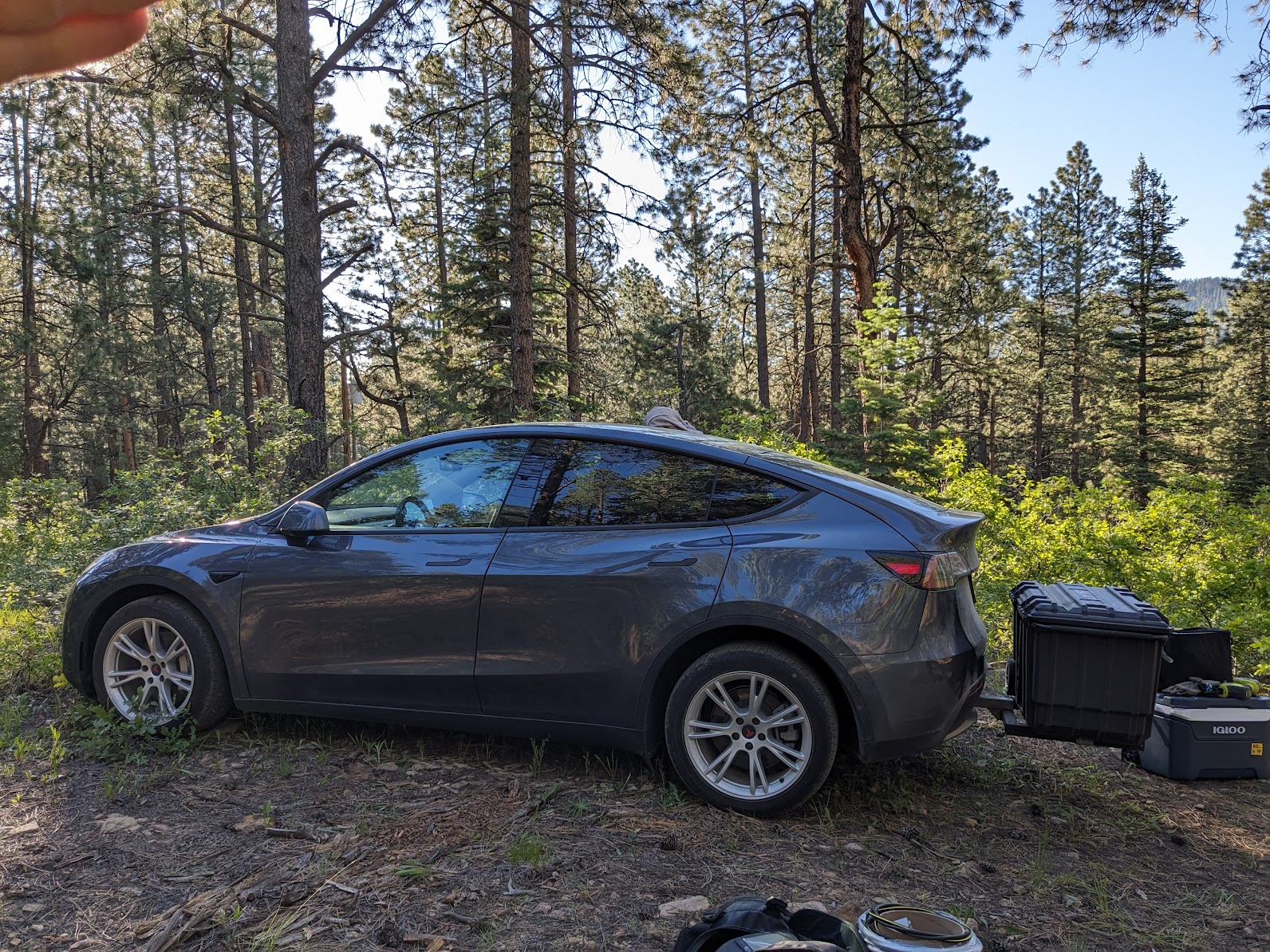
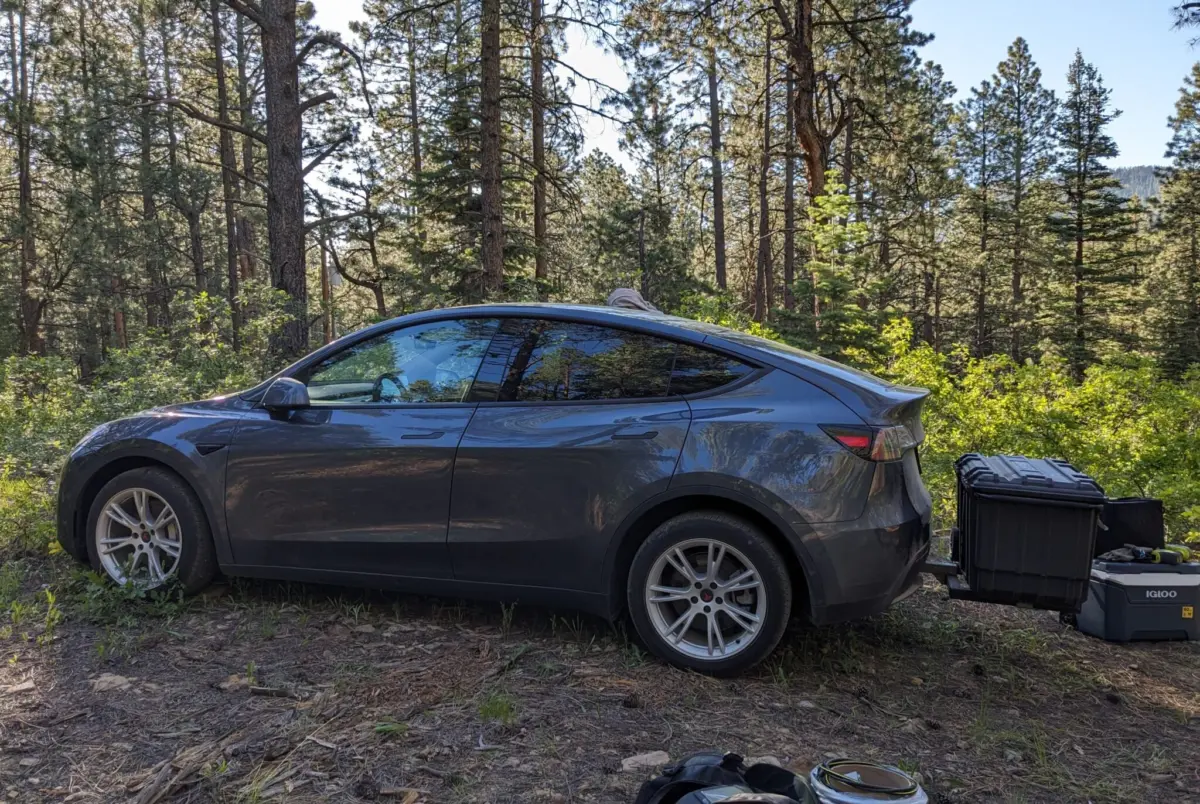
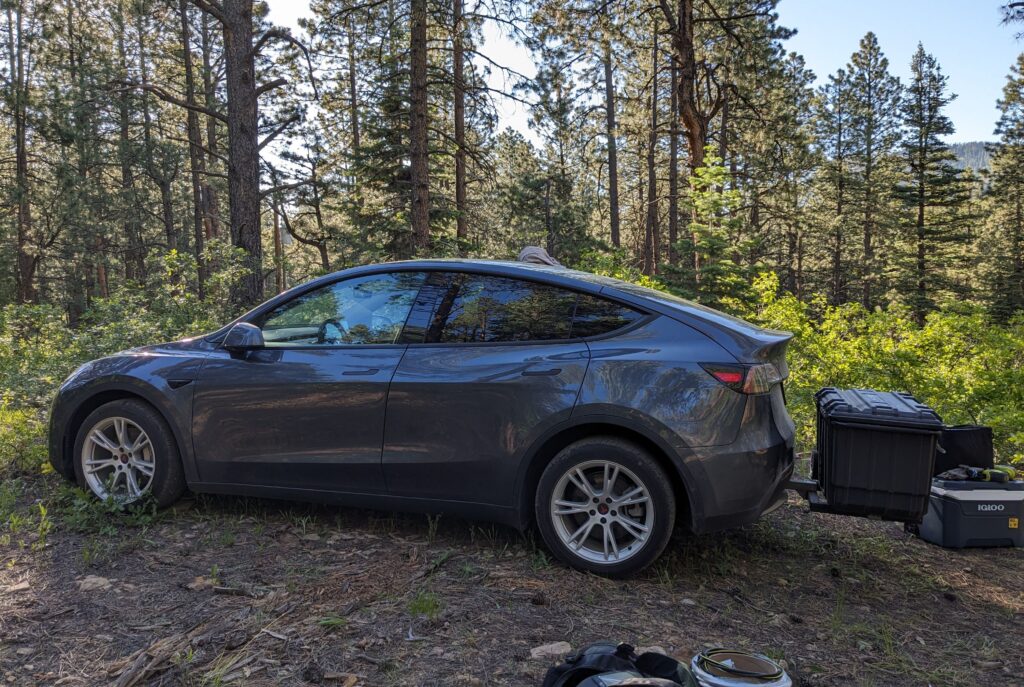
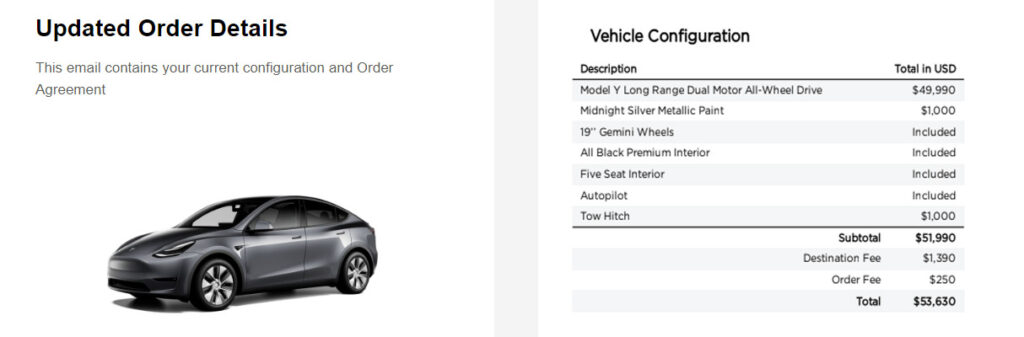
That is why Adeney’s recent decision to navigate the bureaucratic hoops required to purchase a brand-new, luxury 2023 Tesla Model Y has sent shockwaves through the personal finance community. The vehicle is a high-end, all-wheel-drive crossover packed with technology, boasting acceleration faster than a Lamborghini and enough computer power to run a small data center. After applying all applicable taxes and federal tax credits, the net cost of the vehicle sits at approximately $52,000.
For a man who has preached the gospel of secondhand thrift, the price tag represents a staggering leap from the vehicle it replaces. His previous transport was a classic Honda minivan purchased off Craigslist twelve years ago for just $4,500. That trusty van served him faithfully until shortly before his upgrade, traversing mountains and deserts across the country while hauling materials to help rebuild houses in his neighborhood. Ultimately, the vintage vehicle met its match when it suffered a final, hot, and smelly transmission failure on a mountain pass while Adeney was returning from a project in Salida, Colorado.
The juxtaposition between his past lifestyle choices and his current garage has generated no shortage of self-mockery from the blogger himself. Naturally frugal readers can easily relate to the internal conflict, questioning whether the financial icon has truly lost his mind. Yet, Adeney insists that his core commitment to frugality and healthy self-mockery remains entirely intact. After all, it was this exact worldview that allowed him to procrastinate on purchasing an expensive electric vehicle for four years, even as friends and internet commentators repeatedly urged him to loosen his purse strings and treat himself.
Reflecting on the purchase, Adeney frequently returns to a classic piece of life wisdom: "What got you here, won’t get you where you’re going." For individuals who have spent a lifetime grinding through tough jobs and adhering to strict financial discipline, the habits that build wealth can eventually morph into an unhealthy scarcity mindset. A recent routine trip to a standard grocery store vividly illustrated this internal psychological battle for the blogger.
While shopping for breakfast bread to serve visiting friends, Adeney confronted a loaf of Dave’s Killer Bread priced at an eye-watering $6.99—significantly higher than the $4.50 he was accustomed to paying at wholesale clubs. His initial reaction was one of pure indignation, launching into a mental debate about whether he should boycott the store, hunt for alternative brands, or substitute the item entirely. Fortunately, reason eventually prevailed. He realized that waking up in the future to check his bank account would never bring the realization that an extra $2.49 made him a happier person.
Later that evening, Adeney shared the anecdote with a visiting friend who had also achieved early retirement through decades of hard work and disciplined saving. Despite possessing a net worth several times larger than Adeney’s, his friend admitted to experiencing the exact same mental roadblocks when attempting to splurge on himself. While both men readily donate significant sums to charitable causes and support local community initiatives, they historically struggled with minor luxuries, such as opting for an airport rideshare over a much slower public bus.
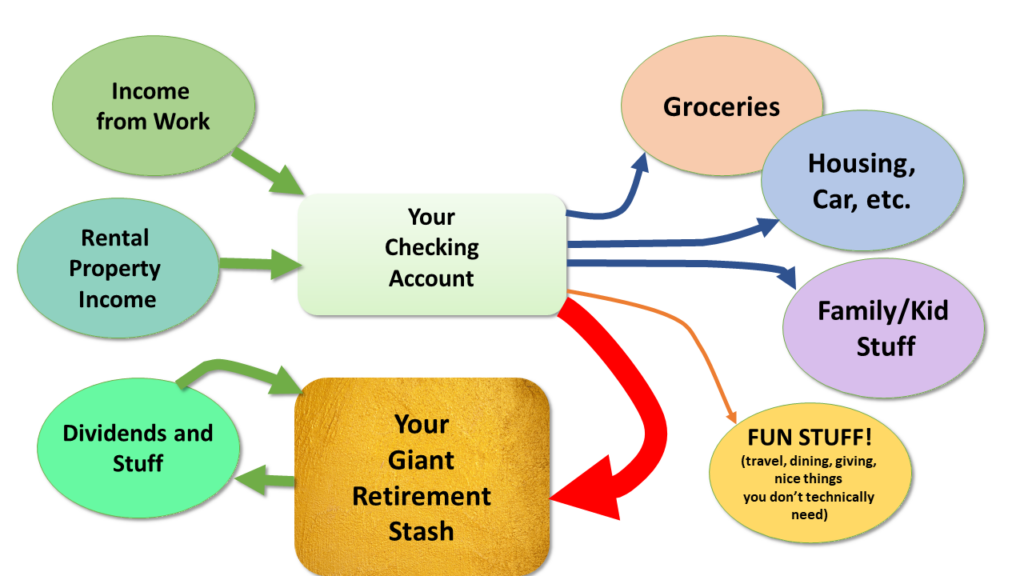
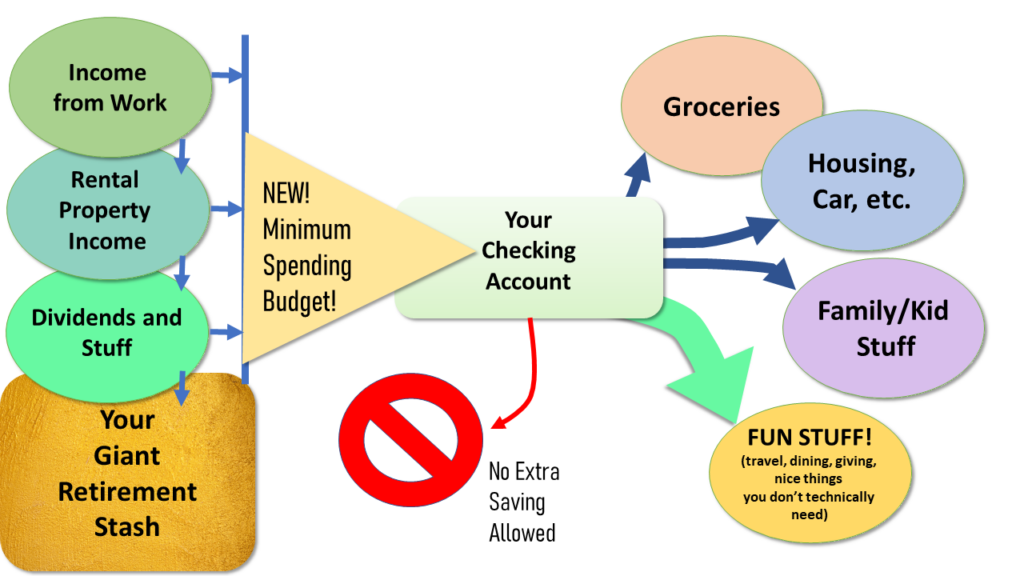
This shared realization prompted the formation of three guiding principles designed to help lifelong savers enjoy their life savings while they are still alive, rather than hoarding numbers on a screen indefinitely. The first concept centers around establishing a realistic minimum spending budget. Many financially independent individuals who amass a nest egg worth millions continue to live on less than $40,000 per year while residing in mortgage-free homes. Standard withdrawal guidelines, such as the 4% rule, dictate that such a person could safely spend upwards of $80,000 annually from their investments alone, even without factoring in side businesses, inheritances, or social security. Establishing a deliberate minimum spending floor helps correct the imbalance of a withered "fun money" budget against an endlessly growing investment portfolio.
The second principle involves creating a dedicated spending account specifically earmarked for guilt-free indulgence. Because lifelong habits are exceptionally difficult to break, treating oneself to frivolous items can trigger deep psychological resistance. To bypass this mental block, savers can intentionally decouple their personal identity from the funds, making their own money feel less like hard-earned capital and more like an anonymous corporate expense account, similar to how professionals spend freely while traveling on business trips without obsessing over every restaurant bill.
The third strategy emphasizes the value of a splurge accountability buddy. Surrounding oneself with peers who are battling the same psychological conditioning allows frugal individuals to call out unnecessary cheapness and actively encourage worthwhile splurges. Adeney notes that fellow online entrepreneurs and close friends, such as Carl from the site 1500 Days, have recently gone through similar transitions, trading in aging vehicles for modern electric cars like the Chevrolet Bolt and enjoying the tangible benefits of technological progress.
For Adeney, stepping up to a $50,000 electric vehicle translates to an estimated increase of about $10,000 per year in operating and ownership costs compared to his old van. However, given that his previous spending deficit far exceeded that amount, the upgrade serves as a manageable first step toward experiential living. Because the Tesla’s primary mission involves facilitating epic camping trips, road adventures, and cross-country travel, it is expected to naturally encourage further spending on hotels, dining, and shared experiences with friends.

Inevitably, lifestyle upgrades among prominent financial commentators draw sharp criticism from critics arguing that such funds would be better directed toward charity or distributed to those in need. Adeney acknowledges that wealth brings a responsibility to give generously, pointing to his own public record of donating over $500,000 to charitable causes throughout his blogging career. However, he warns against the counterproductive nature of internet shaming and the toxic cycle of a scarcity mindset, where individuals view every personal indulgence as a catastrophic threat to their financial security.
Ultimately, Adeney’s transition to the Tesla Model Y represents more than just a car purchase; it marks a deliberate philosophical adjustment. While maintaining responsible stewardship of investments and continuing philanthropic efforts, he argues that it is entirely acceptable to allocate a portion of earned wealth toward personal comfort and memorable experiences. Whether that means paying a bit extra for airline seating to avoid boarding congestion or finally embracing the quiet, instant torque of an electric vehicle on a mountain pass, the goal is to balance financial responsibility with the enjoyment of a life well-lived. To document this transition and explore the realities of long-term electric vehicle ownership, Adeney has launched an ongoing tracker page titled "The Model Y Experiment," where he plans to share regular updates, maintenance findings, and travel logs from the road ahead.