
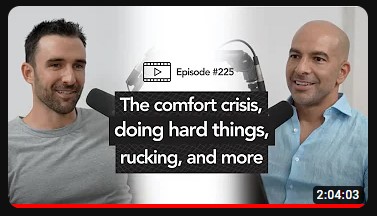
It often begins with a cultural touchstone, a podcast interview that catches your attention on an ordinary day. For one prominent voice in the personal finance and lifestyle movement known as "Mustachianism," that catalyst was an episode of Peter Attia’s health and wellness podcast. The guest was a young, accomplished author promoting a new book with a striking title that immediately demanded a second look: The Comfort Crisis.
The phrase serves as a concise summary of a core philosophy that advocates have tried to articulate for more than a decade. While mainstream media headlines constantly warn of nationwide personal debt crises, health epidemics, and economic struggles suggesting that modern life is unbearably difficult, the reality often points in the exact opposite direction. For many citizens in developed nations, the prevailing issue is not hardship, but a ridiculous overindulgence in comfort and convenience. The true danger lies in failing to recognize this abundance and the subtle, cumulative damage it inflicts on physical and mental well-being.

The book that captured this ethos was written by Michael Easter, a former journalist for Men’s Health who once battled a severe struggle with alcohol, mirroring a long family history of addiction. Having successfully navigated his own recovery, Easter brings a unique perspective to the universal battle between comfort and hardship. His background in overcoming hollow comforts provides a sharp lens through which to examine modern society’s broader relationship with ease and endurance.
The Mechanics of Modern Discontent and the Search for Problems
What makes The Comfort Crisis resonate with readers is its engaging narrative structure. Much like popular science writing at its best, the book weaves a dual narrative, alternating between the author’s participation in an intensely demanding caribou hunting expedition in the remote wilderness of Alaska and the scientific, psychological, and cultural commentary that explains the ordeal. This approach allows readers to process and apply the underlying lessons to their everyday lives.

Consider the behavior of overly comfortable suburbanites who populate local civic boards or neighborhood forums, frequently complaining about minor grievances like unmanaged lawns or trivial neighborhood rules. Scientific research cited in the book offers a surprising explanation for this phenomenon: the innate human tendency to continuously scan the environment for problems, regardless of how safe and secure that environment actually is.
In studies where researchers instructed participants to search for threats within an environment that gradually became safer, researchers observed a telling pattern. When the original threats were removed, the human brain did not simply relax or become more satisfied. Instead, subjects began looking for a wider range of alternative problems, lowering their threshold for what constitutes a threat. Essentially, when modern lives become virtually problem-free, people often fail to appreciate their good fortune and instead invent grievances to fill the void.
This psychological adaptation explains how trivial cultural or political disputes gain traction in society, creating manufactured divisions over issues that would scarcely register as problems in harsher environments. Conversely, people surviving in genuinely difficult circumstances often display higher resilience and lower frequencies of petty complaining. Interviews with residents living in active conflict zones or first-generation immigrants who adapted to rigorous early conditions often reveal a stark contrast to the complacency frequently found in subsequent generations of affluent societies.
Nature, Physical Exertion, and Biological Wiring
Beyond the psychological trap of manufactured worry, the book explores humanity’s biological response to nature and physical exertion. There is an intrinsic connection embedded in human biology that responds powerfully to natural environments, offering restorative benefits that cannot be replicated in artificial settings. Studies have demonstrated that even placing a single houseplant into a hospital room measurably improves recovery times for patients across a wide spectrum of ailments. The restorative effects of immersing oneself in a living forest for hours or days are profound by comparison.

The literature also addresses the human adaptation regarding effort and reward, highlighting a well-documented psychological principle: the harder an individual works to achieve a goal, the greater the subsequent satisfaction and happiness. Yet, this is paired with a distinct biological aversion to physical exertion. Statistics show that the vast majority of people default to escalators rather than stairs when given the choice, illustrating a deep-seated predisposition toward comfort despite the immense long-term health costs of a sedentary lifestyle.
Regular physical movement—particularly heavy exertion and weight-bearing exercise in outdoor environments—drastically reduces the probability and severity of numerous physical and mental ailments. Critics of modern habits point out the paradox of a society that spends leisure time sitting indoors watching entertainment, only to seek out complex medical interventions for lifestyle-induced ailments later on. Experts suggest that prioritizing the fundamentals—frequent outdoor exposure, rigorous physical movement, reduced sedentary time, and minimizing processed foods and alcohol—remains the most effective baseline for human health before turning to specialized treatments.

Putting Principles into Practice in the Mountains
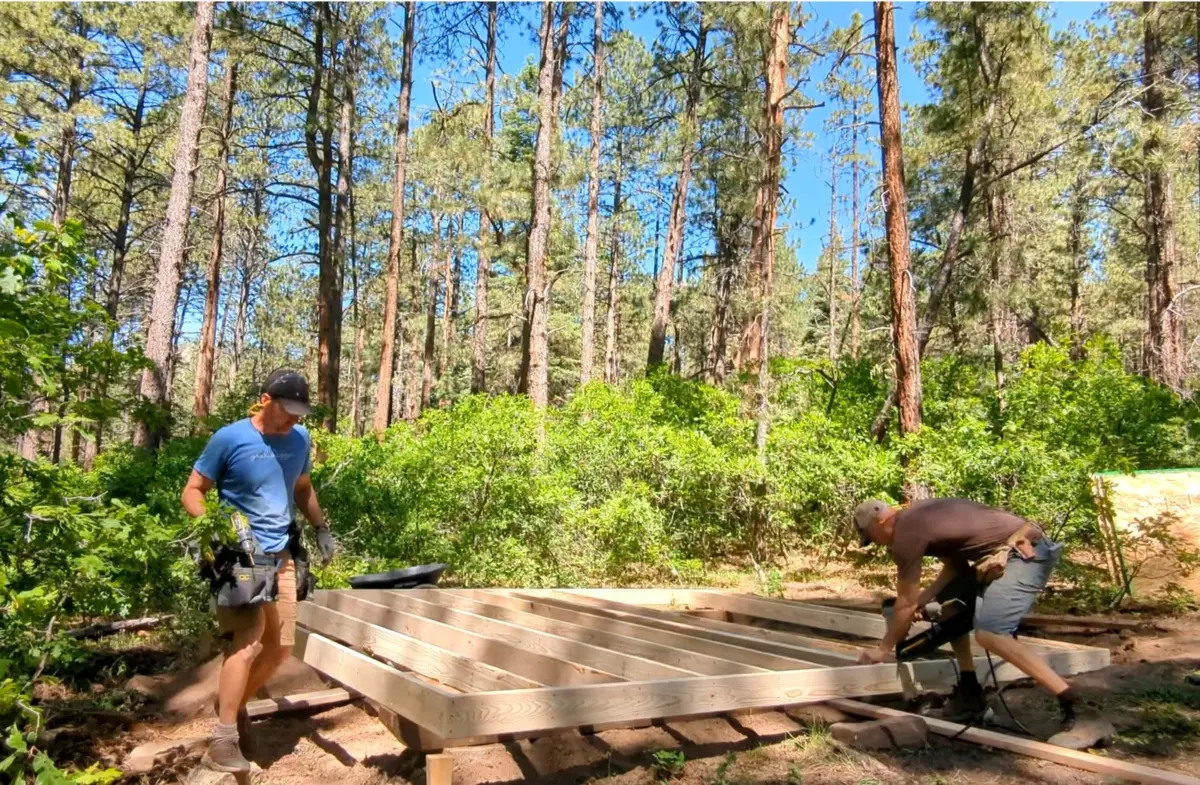
The theoretical insights of the book often find validation in real-world experiences. For one observer, the lessons arrived amidst a solo journey into the mountains of southwestern Colorado, packing a minimalist setup into a vehicle to tackle concurrent construction projects involving a mini-resort property and a remote cabin in Durango.
The trip immediately presented a series of minor obstacles, including a torrential mountain rainstorm, an inadvertent traffic infraction witnessed by local law enforcement, and a flying pebble that instantly cracked a brand-new windshield. Though entirely minor in the grand scheme of human suffering, these inconveniences initially caused stress, underscoring how accustomed modern individuals have become to frictionless environments.

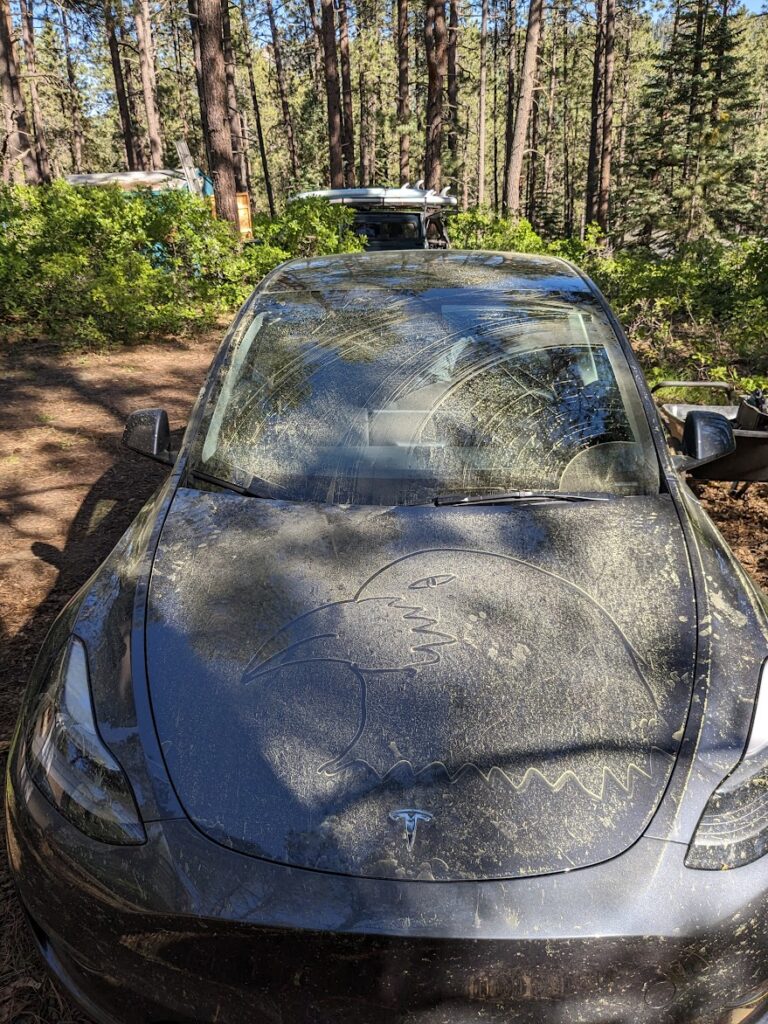
As the journey continued into the high desert environment of Durango during the peak of summer, the conditions grew genuinely demanding. Working outdoors without indoor plumbing, managing limited water supplies, dealing with scorching heat, enduring endless tree pollen, and sleeping out of a vehicle far from home provided a stark contrast to suburban convenience. Yet, rather than inducing depression, the physical hardship fostered a growing sense of resilience and capability.
A spontaneous afternoon excursion onto the remote Lemon Reservoir further tested these concepts. Setting out on paddleboards without phones or amenities into a stiff headwind and choppy whitecaps, the journey was initially daunting. However, guided by the realization that difficulty often signals growth, the paddlers pressed forward to explore a secluded, moss-covered meadow before allowing the wind to gently carry them back across the expanse. The experience reinforced the idea that discomfort, when embraced willingly, often yields the most memorable and serene moments of life.
Purposeful Hardship Versus Excessive Convenience
Conversations within the financial independence community frequently touch on the balance between disciplined saving and the enjoyment of life. While financial minimalists occasionally face critique for being overly frugal, the broader cultural drift toward excessive comfort presents an equally significant risk to human vitality.
Spending money on meaningful adventures, personal growth, generosity, and community betterment aligns with a healthy philosophy. However, society makes it remarkably easy to accumulate conveniences that quietly erode personal resilience. The ultimate takeaway for those navigating modern life is to remain vigilant against the creep of unnecessary ease—investing in durable tools for growth rather than softer chairs that invite stagnation.