
The core tenets of Financial Independence, Retire Early (FIRE) are facing renewed scrutiny as a new generation of aspiring savers questions whether the movement’s foundational advice remains viable in today’s economic landscape.
The debate was brought to the forefront following a reader comment left on a prominent personal finance platform, sparking a broader discussion about whether classic Mustachian principles—such as house hacking, purchasing fixer-uppers, or capitalizing on massive tech salaries—have been rendered obsolete by post-pandemic economic realities.
The reader argued that the current economic climate presents unprecedented barriers for those who missed the window to buy affordable real estate before 2019. According to the critique, traditional advice surrounding property acquisition has grown increasingly out of reach due to soaring prices and elevated interest rates. Furthermore, stringent local zoning laws often prohibit creative housing solutions like accessory dwelling units or multi-unit conversions, leaving younger demographics feeling alienated by strategies tailored to a bygone era.

Rather than dismissing the critique, financial commentators and long-term proponents of the movement have paused to evaluate whether core principles of Mustachianism are genuinely losing relevance or if the pushback stems from common financial hurdles and the friction of adapting to economic shifts.
History shows that the FIRE movement has weathered multiple paradigm shifts over the decades. Yet, the current environment presents distinct challenges, particularly concerning household income disparities and the staggering escalation of the U.S. housing market over the past four years.
While high-paying sectors like technology continue to command significant compensation packages, experts note that skyrocketing earnings have never been the primary focus of sustainable financial independence models. Proponents emphasize that income alone is rarely a solution to financial stress, pointing to the existence of high-earning professionals who manage to exhaust substantial salaries without building commensurate wealth. Mathematically, sustained high earnings over a multi-decade career should yield significant savings unless offset by an equally aggressive trajectory of lifestyle inflation.
Consequently, the core philosophy relies heavily on streamlining consumption, eliminating waste, and prioritizing purposeful spending rather than simply chasing higher wage brackets. These efficiency skills remain critical across all income levels, serving as an essential toolkit for navigating tighter economic margins.
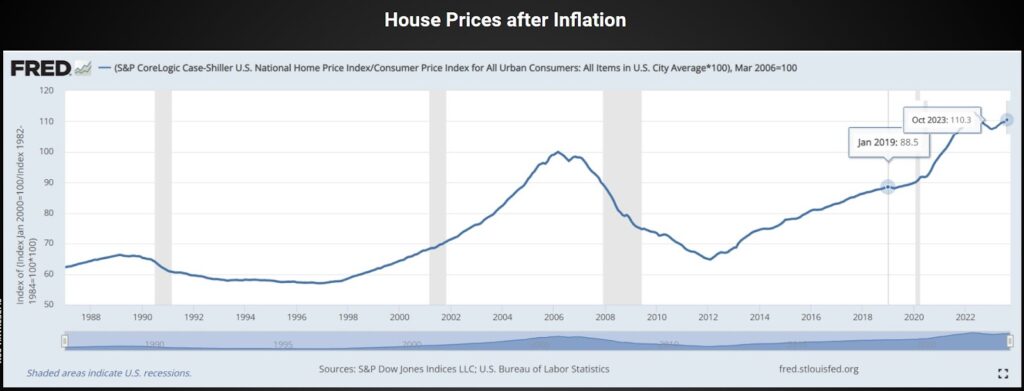
The more pressing concern for modern practitioners centers on the accessibility and cost of housing. Data from the Federal Reserve Bank of St. Louis indicates that inflation-adjusted U.S. home prices have climbed roughly 25% relative to average wages and general consumer goods since early 2019. However, a broader historical lens reveals that current valuations sit only about 10% higher than the previous peak recorded in early 2006, nearly two decades ago. While this appreciation represents a significant hurdle for prospective buyers, analysts argue it is not an insurmountable obstacle to achieving financial independence.
Nevertheless, national averages obscure drastic regional variations, especially in popular metropolitan areas and growing cities where home prices have vastly outpaced local wage growth. In regions like Longmont, Colorado, median home prices have tripled since the early 2010s, far exceeding the pace of average salary increases and pricing many local buyers out of the market.
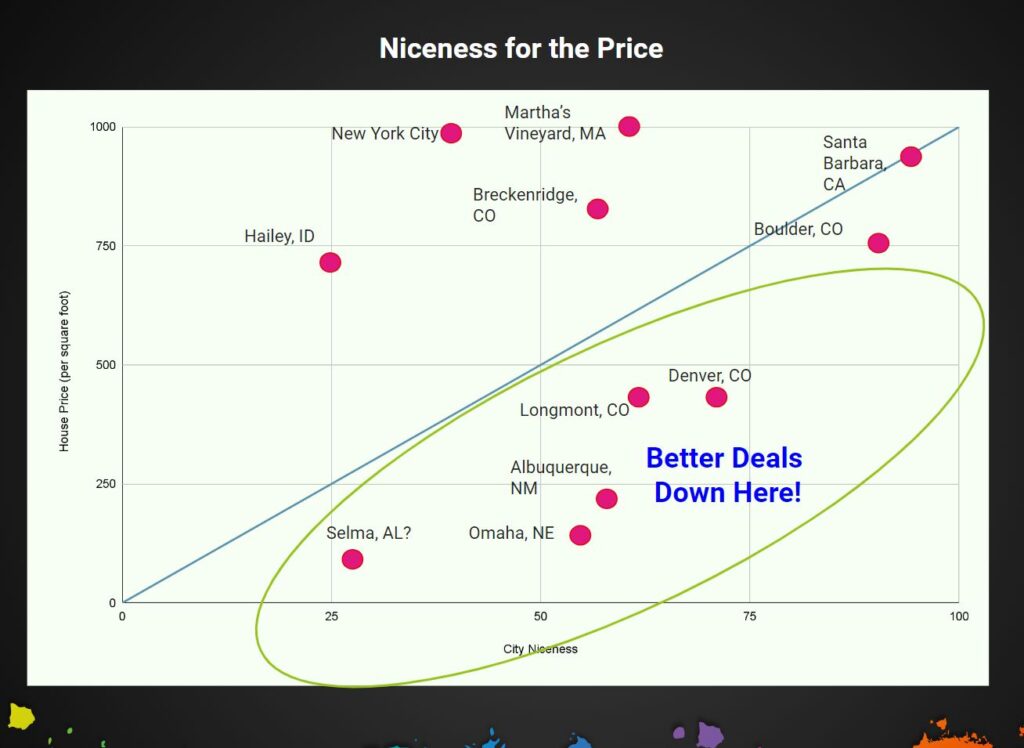
Addressing these regional cost disparities requires a strategic shift in perspective, encouraging individuals to view housing as a standard manufactured product subject to traditional supply and demand dynamics. Proponents argue that geographic ties, while emotionally significant, should not blind aspiring homeowners to market realities. Just as residing in a high-cost technology hub does not entitle an individual to perpetual luxury goods, birth location does not guarantee housing affordability within a specific municipal boundary.
Evaluating housing choices demands a rigorous financial analysis of renting versus buying, alongside a willingness to explore alternative markets. While emotional bonds to a hometown are powerful, a generalized reluctance to relocate often creates an irrational geographic distribution of real estate valuations, resulting in extreme costs in select areas and remarkable affordability elsewhere.
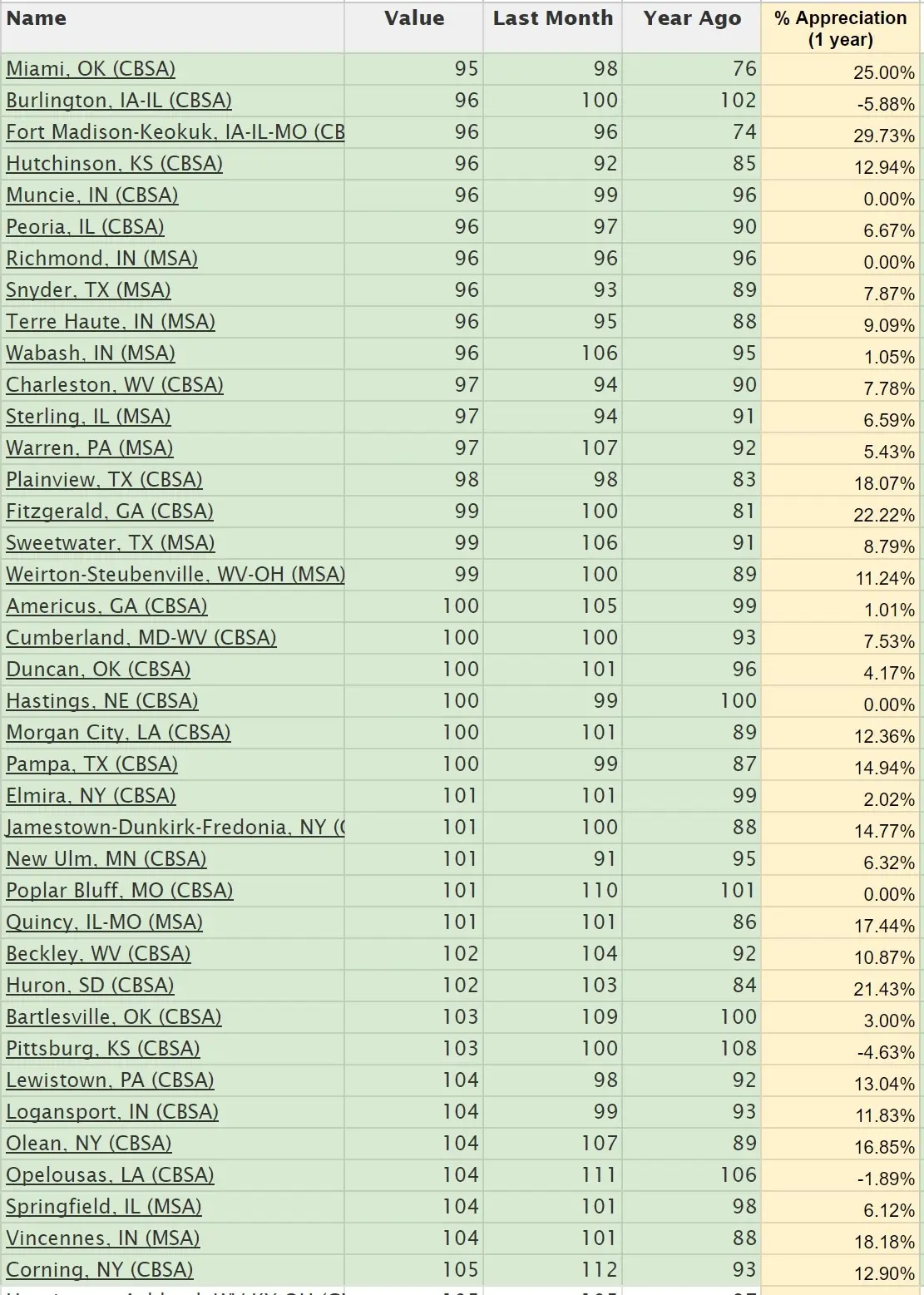
Comparative regional data illustrates that viable alternatives frequently exist for those willing to look beyond high-demand enclaves. Economic research tools and localized cost-per-square-foot metrics highlight stark contrasts in purchasing power across the United States. For instance, mid-tier metropolitan areas often offer favorable climate conditions and robust community amenities at a fraction of the cost found in primary coastal or mountain tech hubs.
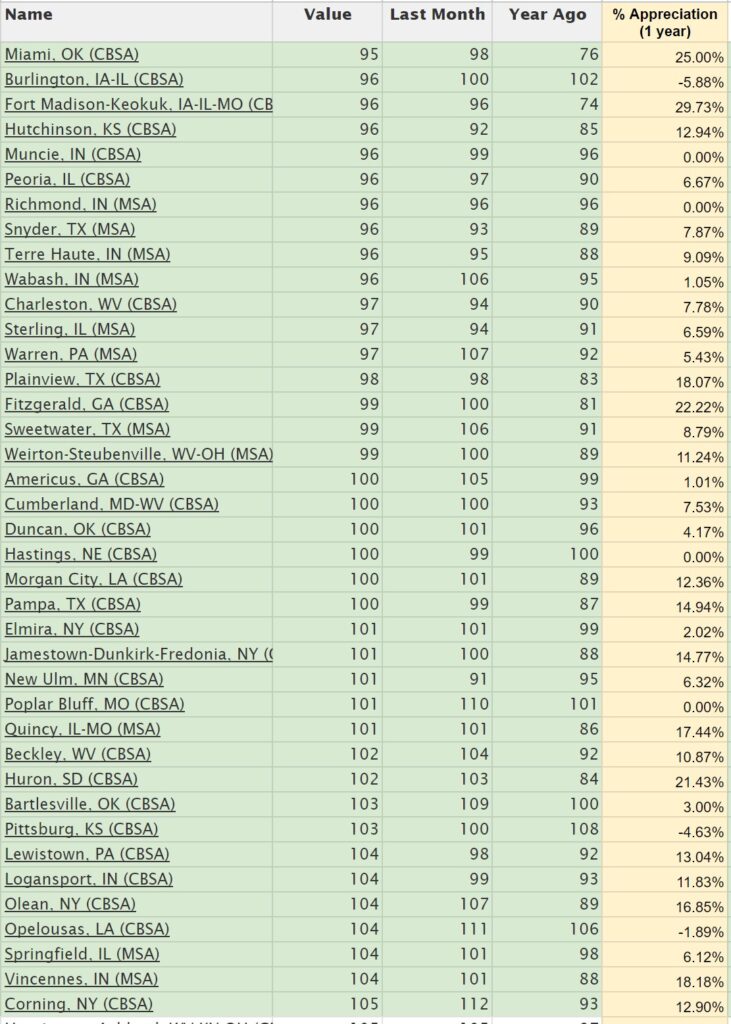
Evaluating global options through specialized lifestyle calculators further expands these possibilities, allowing individuals to weigh total monthly budgets against temperature preferences, population density, and infrastructure quality across North America and South America. While international relocation introduces administrative hurdles—such as navigating foreign legal systems, residency requirements, and cross-border logistics—advocates argue that these challenges pale in comparison to the long-term cost of remaining in an unaffordable region or extending a career by over a decade to service high living expenses.
Ultimately, the overarching philosophy encourages individuals to view physical environment and residential placement as deliberate choices rather than fixed constraints. Whether through minor localized adjustments or broader geographic relocations, optimizing housing costs remains one of the most effective levers for accelerating financial independence and achieving long-term personal satisfaction.