
As another U.S. presidential election cycle reaches its peak, the familiar political theater of the Harris versus Trump matchup dominates the national conversation. For financially minded individuals, particularly those following the tenets of the "Mustachian" philosophy, ongoing political battles rarely warrant deep anxiety. The standard approach involves conducting thorough research, casting a ballot, and swiftly pivoting focus back to personal spheres of control.
However, when political rhetoric veers heavily into the territory of economic misinformation, a clearer look at the underlying data becomes necessary. Politicians are rarely experts in technical fields like science, technology, or economics. During election years, the discourse frequently drops to a lower common denominator as candidates attempt to manipulate undecided voters in key swing states with narratives based on emotional appeals rather than sound macroeconomic reality.
A primary example of this dynamic is the persistent narrative pushed by opposition figures that the current U.S. economy is fundamentally broken and suffering under mismanagement. In stark contrast to these gloomy political talking points, the United States economy remains remarkably robust, boasting near-record low unemployment levels. It is difficult to imagine a more favorable baseline condition, and the recent bout of higher inflation is widely understood by economists as a byproduct of a system running perhaps too hot, requiring a deliberate application of brakes through higher interest rates.
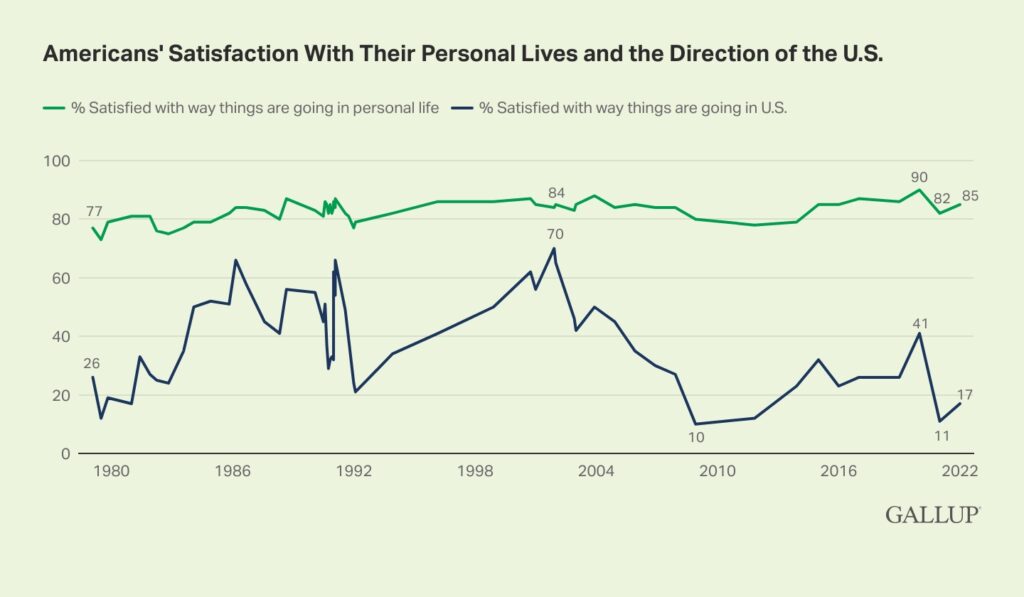
Despite these positive economic indicators, public perception remains remarkably pessimistic. Recent Gallup polling data reveals a striking paradox: while the vast majority of respondents report that they personally are doing quite well financially, only a tiny fraction believe the broader national economy is performing well. This disconnect is mathematically impossible, as a thriving majority constitutes the very definition of a healthy economy. Observers note that this widespread divergence between personal reality and public perception correlates strongly with the modern proliferation of social media misinformation and sensationalized news reporting.
While citizens can simply tune out the political noise and continue with their daily lives, understanding the true mechanics of economics carries tangible power. A more accurate comprehension of how the financial system operates ultimately leads to better personal decision-making and long-term financial health. Examining the core economic arguments frequently deployed by political figures reveals a series of persistent misconceptions about the American financial landscape.

The President and the Myth of Total Control
A cornerstone of campaign messaging is the idea that the sitting president bears direct responsibility for the state of the economy. When a recession strikes, the opposition party places the blame squarely on the Oval Office. Conversely, when the economy booms, the incumbent administration eagerly takes credit for the success. In reality, the U.S. economy is far too vast, complex, and fundamentally free for any single political leader to control or heavily influence in the short term.
The domestic economy operates as a massive, decentralized machine converting labor and raw materials into goods and services ranging from consumer electronics to critical healthcare infrastructure. Although the United States remains the largest single national economy, representing roughly 26 percent of global economic activity, it remains deeply intertwined with the remaining 74 percent of production driven by billions of people worldwide.
Inevitable economic cycles of expansion and contraction are largely propelled by waves of human behavior, shifting between periods of excessive optimism, such as the housing boom preceding 2007, and moments of acute fear, like the financial crash that followed. While government policy, tax structures, and regulatory frameworks play a contributing role, the effects of these policies are typically delayed and unpredictable. Drawing a direct, causal line between the policies of today’s president and the day-to-day fluctuations of the broader economy oversimplifies a vastly complex global system.
Interest Rates and Monetary Independence
Another recurring theme in campaign speeches involves candidates expressing deep sympathy for middle-class Americans grappling with higher borrowing costs for credit cards, auto loans, and mortgages, accompanied by promises to force interest rates down. Some political figures have even suggested challenging the independence of the Federal Reserve board, raising concerns about the potential politicization of monetary policy.
In a functional democracy, leaving monetary policy directly in the hands of a sitting president risks severe instability, a phenomenon historically observed in nations with heavily politicized central banks. Instead, independent monetary policy serves as a vital regulatory mechanism, utilizing interest rate adjustments to cool down overheating markets or stimulate growth during downturns. Central bankers deploy these tools based on technical economic data rather than electoral timelines.
Inflation, Wages, and Corporate Profit Realities
The narrative surrounding inflation and its impact on household finances is frequently oversimplified on the campaign trail. The post-COVID-19 era did experience a surge in inflation, driven by a unique combination of supply chain disruptions, factory closures, remote work shifts, and massive government stimulus spending coupled with historically low interest rates. Over subsequent years, those supply chains have largely recovered, and inflation has subsided significantly.
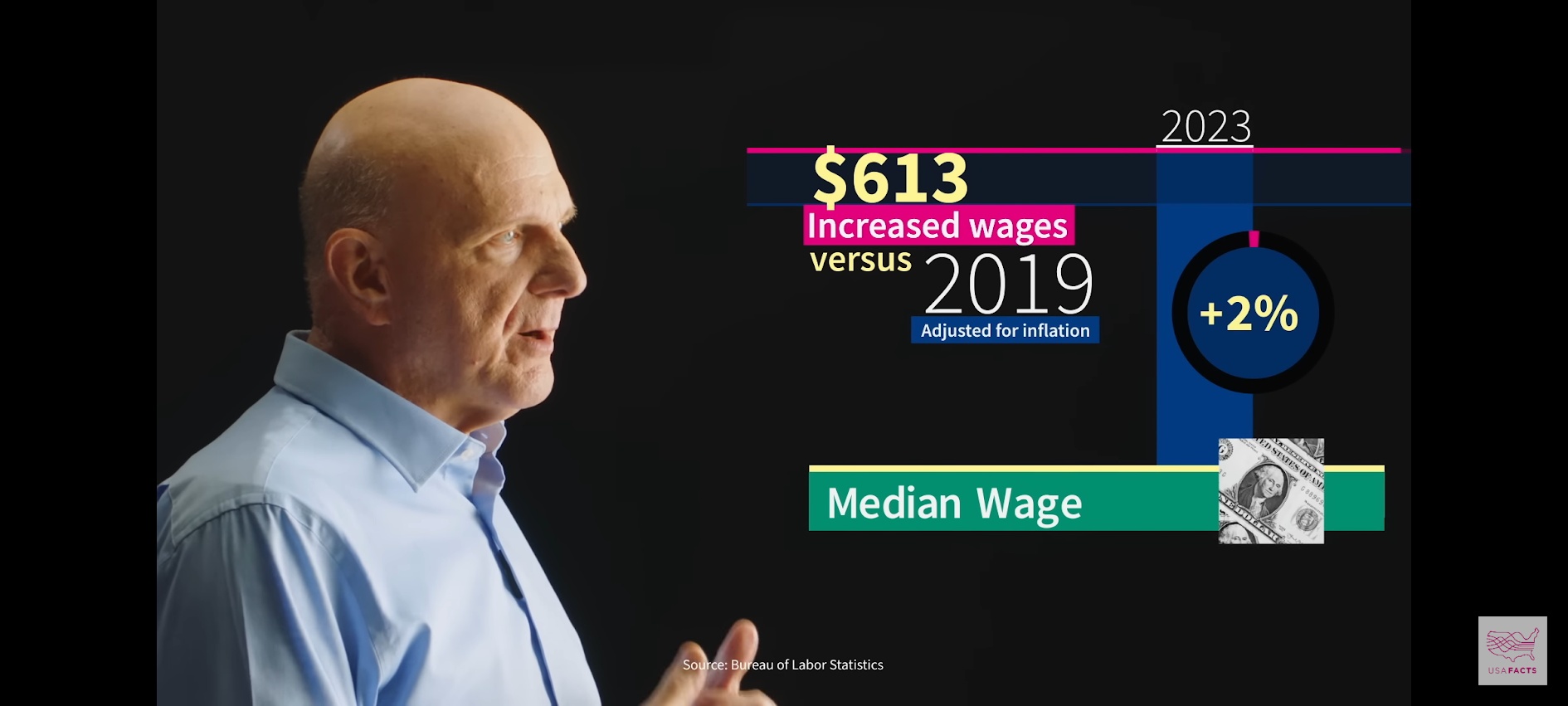
Crucially, wage growth has outpaced overall price increases over the longer term. Since 2019, broad price indexes have risen by approximately 19 percent, while overall wages have climbed by roughly 21 percent. Consequently, average households remain in a stronger overall financial position than they were prior to the pandemic. Despite these statistical realities, political candidates frequently frame inflation as an ongoing crisis, occasionally promising to magically reverse price levels—a development that would generally signal severe economic deflation and hardship.
Concurrently, politicians frequently target "greedy corporations" for allegedly weaponizing inflation to hoard excess profits. However, thorough economic analyses, including comprehensive studies of grocery sector pricing by journalistic outlets like NPR, indicate that standard market competition prevents most retailers from sustaining windfall profit margins during inflationary periods. Price adjustments in a market economy typically reflect underlying cost pressures rather than coordinated corporate profiteering.
Housing Affordability and Supply Constraints
Housing costs represent a genuine departure from broader historical trends, with home prices and rental rates having outpaced both general inflation and wage growth over the past decade. Elevated interest rates intended to combat inflation have compounded the issue, creating a challenging environment characterized by both high sticker prices and expensive borrowing costs.
Despite these real challenges, proposed political remedies often rely on simplistic subsidies or artificial interest rate interventions that threaten to further inflame demand without addressing the root cause. Economists and housing experts widely agree that the sustainable solution lies in expanding the overall supply of housing. Streamlining the permitting process, modernizing restrictive building codes, eliminating suburban parking minimums, and reforming restrictive zoning laws are frequently cited as practical measures to reduce construction costs and normalize the housing market.
Gasoline Prices and the Shift Toward Modern Transportation
Gasoline pricing remains a perennial political talking point, yet it occupies a shrinking footprint in modern household economics. When adjusted for inflation, gasoline prices remain comparable to historical levels seen decades ago, hovering in the standard per-gallon range in real terms.
Furthermore, fuel expenditures represent a relatively modest fraction of disposable income for the average household, particularly when compared to the broader, ongoing costs of vehicle maintenance, insurance, and financing. The broader technological landscape has also shifted dramatically, with electric vehicles increasingly matching or beating the upfront costs and long-term operating expenses of traditional internal combustion vehicles. Within an evolving transportation ecosystem, political debates over gasoline prices increasingly resemble historical arguments over obsolete technologies rather than pressing contemporary concerns.
Refocusing on Personal Priorities Beyond the Ballot Box
Ultimately, the relentless political focus on macroeconomic indicators often obscures a simpler truth: for the vast majority of citizens in developed nations, basic material needs were met decades ago. Modern anxieties regarding the economy frequently mirror a luxury problem of abundance rather than genuine scarcity.
While wealth inequality remains a legitimate societal concern best addressed through progressive taxation and stable social safety nets, accumulating capital beyond the threshold of genuine financial security yields diminishing returns in personal happiness and well-being. True financial stability and peace of mind are rooted far more deeply in individual mindset, practical life skills, and personal resilience than in the fluctuations of political campaigns or national GDP growth.
As the election concludes, voters face the familiar task of evaluating candidates, casting their ballots, and returning their attention to the aspects of life well within their personal circle of control.