
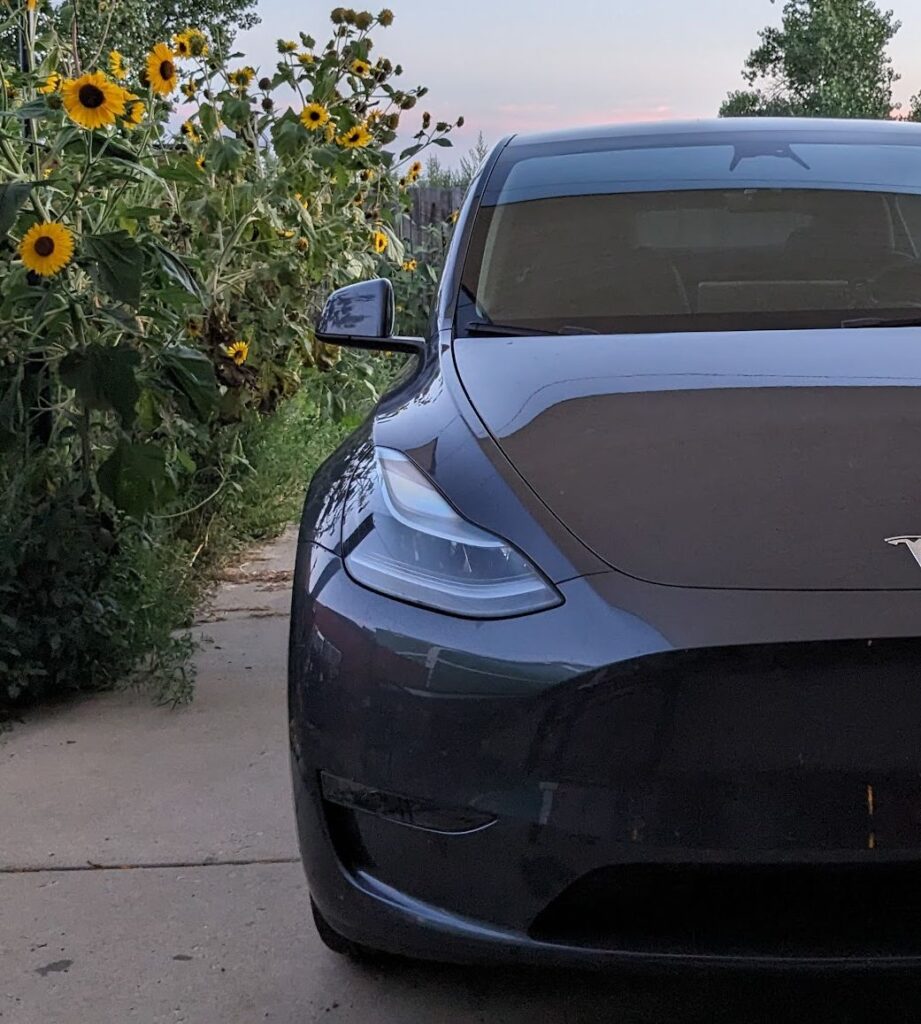
A couple of years ago, prominent financial independence advocate and blogger Mr. Money Mustache raised eyebrows among his dedicated following when he published a candid blog post detailing a deliberate pivot in his lifestyle. Rather than maintaining his famously lean, ultra-frugal habits that defined his early retirement philosophy, he announced he was actively trying to spend a bit more money, starting with the purchase of a brand-new Tesla Model Y.
Reflecting on that decision recently, the writer recalled thinking at the time that he was an enlightened middle-aged individual skillfully adjusting his habits and realigning his lifestyle with the snap of a finger, happily looking onward to decades of a more liberated version of the "Good Life."
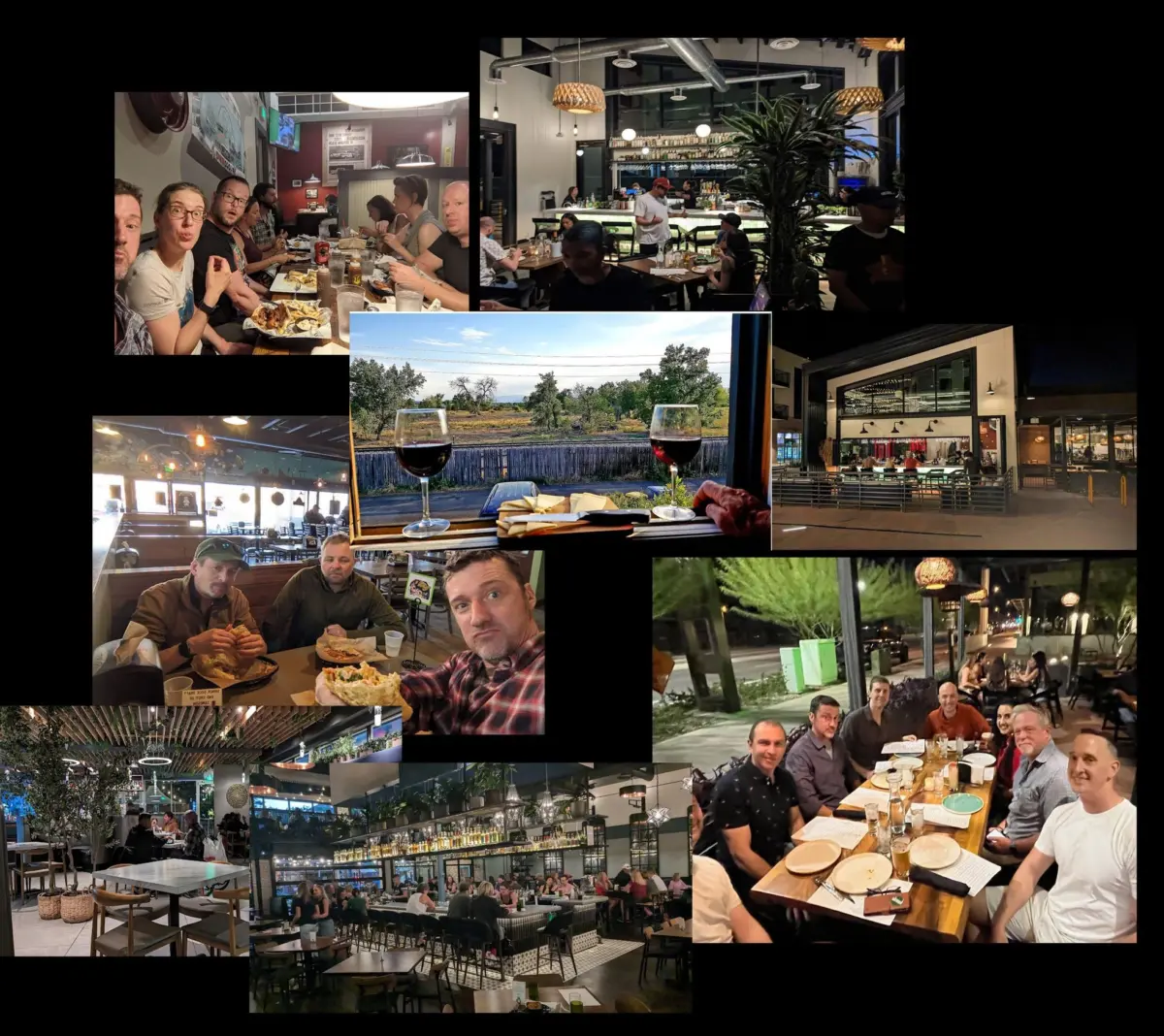
True to that intention, the subsequent two years unfolded with a heightened sense of financial abundance. He immersed himself in a lifestyle of frequent travel and liberal spending that he imagined mirrored the habits of a genuinely wealthy person. Dinners were enjoyed at stylish restaurants, and overnight accommodations were selected based on comfort and aesthetic appeal rather than rock-bottom pricing. He routinely paid extra for upgraded airline seats that offered a reprieve from standard coach discomfort, and he dismissed the cost differential of shopping for groceries at premium locations like Whole Foods rather than sticking exclusively to his usual discount warehouse clubs. In fact, he noted a characteristic embrace of luxury by maintaining memberships at both Sam’s Club and Costco simultaneously.
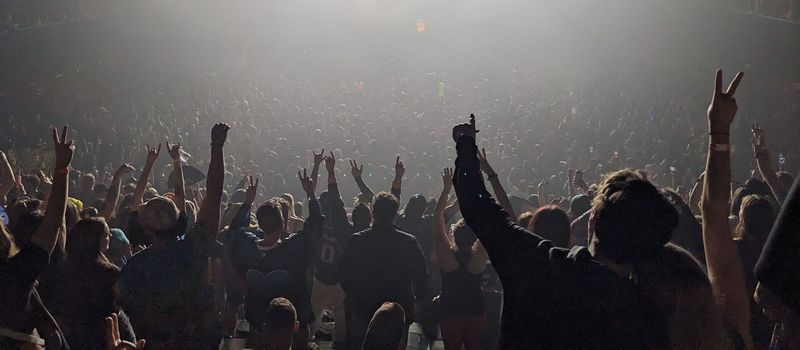
Among the notable highlights of this transitional period were late-night electronic dance music concerts attended alongside his young adult son, alongside trips to three different Meowwolf immersive art venues. This included a spontaneous Christmas Day road trip driving from his winter residence in Tempe, Arizona, up to Las Vegas. Having spent much of the year as a single man, his wide-open schedule allowed him the flexibility to rendezvous with friends, explore unfamiliar destinations, and socialize on a whim, making the months feel like a prolonged, adventurous chapter of personal evolution.
Despite this flashy, carefree spending, the blogger initially assumed his annual budget must have inevitably drifted back into full-scale American consumer territory. However, he was simply enjoying the experience too much to pause and tally up the receipts. It was only recently, during a casual coaching session with a friend where they mutually decided to audit their respective expenses for the past year to compare notes, that the true financial impact came to light.
When he finally sat down to sort the transactions into a spreadsheet and calculate the grand total, the outcome came as a genuine surprise. While his overall expenditures had undeniably increased—most notably within travel-related categories—the macroeconomic effect on his personal balance sheet remained remarkably minimal. Depending on how variables like vehicle acquisition and business-related outlays are accounted for, his total annual spending moved modestly from around $20,000 to approximately $30,000, bolstered by the hidden subsidy of a fully paid-off primary residence.
This level of expenditure remains easily sustainable under the classic financial independence guideline of drawing from a $1 million investment portfolio. Because his actual investment holdings sit considerably higher than that threshold— buoyed by years of robust economic growth and a prolonged stock market rally—he remains comfortably under budget.
Although he lightheartedly admits to having "failed" to genuinely inflate his spending to the levels traditionally recommended for older, wealthy individuals, the outcome has left him satisfied. He reports having experienced significantly more enjoyment through an abundance mindset and intends to continue testing lifestyle experiments in the years ahead. Much like the principles discussed in his previous writings regarding an optimization council, the overarching goal remains comparing notes, sharing strategies, and extracting maximum fulfillment from life. Nearly twenty years into early retirement, this is where his financial journey has landed, though he remains receptive to ongoing feedback and new perspectives.
A detailed review of the financial ledger reveals the breakdown of these expenditures. Out of a total annual outlay of $30,026.76, personal cards accounted for $20,284.67, while business cards covered $9,742.09. Groceries totaled $5,960.39, reflecting food consumed by the author, his young adult son approximately half the time, and occasional visitors. Dining out at restaurants accounted for $2,243.59, reserved strictly for special social occasions rather than routine sustenance. Travel expenses reached $6,158.77, encompassing personal trips as well as business-related travel to events such as Camp Fi and similar professional conferences. Utilities added $1,909.51 to the ledger, while property taxes stood at a surprisingly reasonable $2,577.30, given that neighborhood homes generally appraise between $500,000 and $600,000.
Other categories included $3,554.10 under Amazon and house expenses, though roughly 75% of those business-related costs actually represented construction materials purchased for clients—typically friends—which were subsequently reimbursed via invoice. Spending on alcohol for entertaining amounted to $250.67. Healthcare costs totaled $3,536.66, kept relatively low through a combination of a direct primary care subscription and a health-sharing organization membership, alongside out-of-pocket expenses for advanced screening blood tests utilized for personal learning and health tracking. Automobile expenses accounted for $2,425.21, primarily covering vehicle insurance and registration fees without factoring in depreciation. Phone and internet services cost $1,410.56, driven by an economical gigabit internet connection and a modest monthly mobile phone bill.
Comparing these figures to his previously published spending records from 2019, the totals reflect only a slight upward shift despite the broader inflationary pressures experienced throughout the economy in recent years. While he spent more money on travel and leisure activities, his home renovation expenditures decreased, largely because his frequent travels left him with less time to tackle projects around the house. Additionally, healthcare insurance represents a newly introduced ongoing cost compared to the period when he was entirely self-insured.
Examining the structure of these finances highlights the absence of the single largest expense burden carried by most households: housing costs. Having paid off his mortgage long ago, and given his personal preference for handling home maintenance, repairs, and property upkeep independently, he avoids recurring bills for lawn care, plumbing services, tree pruning, or general handyman labor.
While he acknowledges that this approach is not universally applicable—and concedes that financially, taking out a large mortgage at a historically low 3% interest rate in 2021 and investing the principal into stock index funds would have yielded a higher net worth—the psychological peace of mind derived from being completely debt-free holds immense value for him. Furthermore, eliminating the mortgage requirement brings the secondary benefit of bypassing traditional homeowners insurance, saving an estimated $2,000 annually and effectively boosting the return on his paid-off property.
Regarding healthcare, the author credits continued good health and fortune as primary factors for keeping actual medical treatment costs negligible. Nonetheless, he maintains a two-tiered medical support strategy designed to mimic a robust insurance framework. This consists of a membership with a direct primary care medical clinic costing $107 per month, paired with a high-deductible health-sharing plan through Sedera for $201 monthly. The combined monthly investment of $308 undercuts standard commercial health insurance bronze plans while providing personalized, deductible-free primary care alongside a safety net for major medical emergencies. However, he maintains that he is not an expert in medical economics, prioritizing lifestyle habits that optimize his daily health to maintain his current trajectory.
Reflecting on the broader philosophy of money as a tool for survival and self-actualization, the blogger continues to evaluate whether further changes could enhance his lifestyle. Citing a recognized principle of personal psychology that suggests fixing persistent problems yields greater overall happiness than merely doubling down on areas of life that are already functioning well, he notes that his family, relationships, health, and daily routines require little improvement.

The primary
friction point he identifies is physical space constraints caused by voluminous hobbies like woodworking, construction, and music, which have maxed out his current 440-square-foot, two-car garage workshop. While doubling his workspace to roughly 1,000 square feet would be ideal, his affection for his current neighborhood and view discourages a simple relocation, meaning he intends to optimize his existing setup unless an ideal property becomes available directly on his block. Longer-term aspirations, such as acquiring a remote mountain compound featuring natural cliffs and a stream, remain on a hypothetical wish list. However, because his daily schedule is already fully occupied with fulfilling pursuits and property management responsibilities, taking on additional real estate commitments seems counterproductive unless traded for an existing obligation.
Looking ahead, the financial commentator expressed enthusiasm for diving into the new year with an abundance-focused mindset and a demanding roster of projects. Meanwhile, he noted a timely market consideration regarding electric vehicles, pointing out that potential shifts in government policy could see the elimination of federal EV tax credits, making the current period potentially the most cost-effective window to acquire vehicles like the Tesla Model Y or Model 3 amid record-low new and used pricing.