
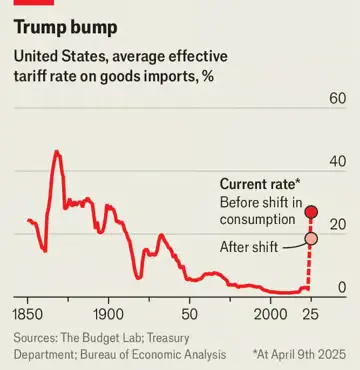
The global financial markets have experienced a turbulent few months, marked by steep drops and subsequent recoveries that have left investors wondering about the trajectory of the broader economy. Following a multi-year climb that peaked in February 2025, the stock market entered a volatile period characterized by sharp fluctuations. At its lowest point during this recent wave of instability, the market shed roughly 20% of its value before mounting a remarkable recovery that brought indices back near their previous highs.
While market volatility is frequently attributed to complex or shifting factors, analysts and market observers point to a singular, dominant catalyst behind the recent turbulence: sweeping trade tariffs and ongoing international policy battles.
As trade discussions continue to evolve under an unpredictable government agenda, the immediate results are already visible across multiple sectors. Businesses are bracing for widespread operational shifts, currencies and interest rates are reacting to policy announcements, and everyday investors planning for long-term financial security are reassessing their portfolios. Public reaction to the economic climate remains sharply divided, with opinions ranging from dismissive attitudes regarding the long-term impact to severe concerns over financial stability.
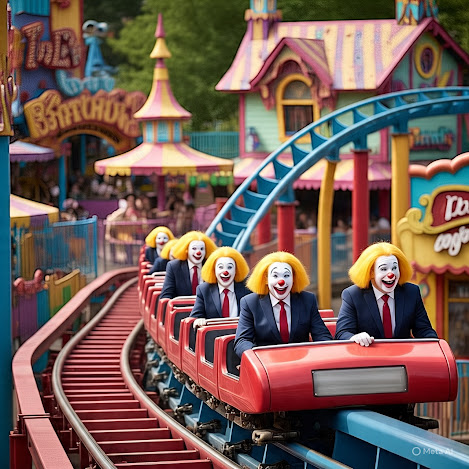
What is a Tariff?
To understand the core of the current economic anxiety, it is essential to examine the fundamental mechanics of a tariff. At its simplest, a tariff functions as a sales tax levied by a national government on goods imported from abroad. These fees are formally paid by the entity handling the importation process—whether it is an individual consumer ordering a specialty item directly from an overseas manufacturer or major corporations importing goods by the cargo shipload.
Ultimately, however, the financial burden of these taxes is passed directly onto the end consumer. When import costs rise, retail corporations naturally adjust their pricing models to protect profit margins. Consequently, everyday shoppers face higher costs on a wide array of retail goods.
Tariffs also impact corporate expenditures on a broader scale. Construction projects—whether a major retailer building a new storefront or an energy company developing critical infrastructure—face inflated costs for imported materials such as steel, copper, and lumber. Because housing development relies heavily on internationally sourced building materials, these taxes inevitably contribute to rising housing costs as well.
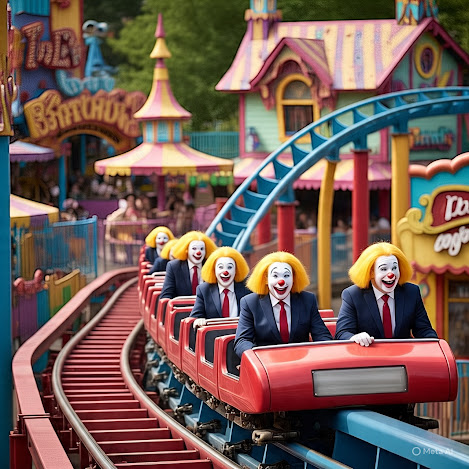
In macroeconomic terms, broad-based tariffs function similarly to a national sales tax, tending to slow overall economic activity and compress consumer spending power. On the fiscal side, the revenue generated flows directly into the government’s budget, which can theoretically aid in deficit reduction. However, economists generally stress that tax levels must remain balanced, fair, and predictable to encourage private sector investment and long-term planning—conditions that critics argue are currently undermined by frequent policy shifts and high-stakes threats from leadership.
Examining the Arguments For and Against Protectionist Policies
Governments occasionally implement tariffs to protect domestic industries from foreign competition. For example, placing a heavy tax on imported automobiles provides a competitive advantage to domestic manufacturers, potentially boosting their sales and expanding their local workforce. While domestic producers and their employees may benefit from such protections, consumers frequently bear the cost through higher prices and a narrower selection of goods.
Protectionist measures can be deployed for strategic national interests, such as safeguarding domestic aerospace and defense manufacturing to ensure national security. Conversely, they can also serve domestic political interests, shielding specific sectors from foreign competition at the expense of broader economic efficiency.

Historical trade policies show that protectionism transcends party lines. Previous administrations have utilized tariffs to target specific components, such as imported solar panel materials and renewable energy infrastructure supplies. Critics note that restricting the flow of affordable energy components can artificially raise living costs and slow industrial growth, as access to cheap energy typically benefits both consumers and the broader commercial sector.
When evaluating the impact on employment, tariffs can generate localized gains in protected industries. If imported goods face substantial penalties, consumers may shift their purchasing toward domestic alternatives. In response, domestic companies may increase production, hire additional workers, and expand facilities.
However, economists emphasize that these concentrated benefits come at a broader systemic cost. When one sector is artificially insulated, the rest of the economy absorbs higher operational expenses. For instance, increased vehicle prices raise logistics and delivery costs for commercial shipping companies, which in turn pass those expenses onto consumers. Furthermore, protected companies face reduced competitive pressure, which can dampen their long-term incentives to innovate and streamline operations.
Navigating the Current Economic Landscape
Despite the broader economic consensus regarding the dampening effects of widespread protectionism, recent policy proposals have featured aggressive tariff threats designed as negotiating tools or strategic levers. This approach has subjected the market to the immediate whims of political announcements, causing sharp downward corrections whenever aggressive tariffs are proposed, followed by market recoveries whenever threats are paused or scaled back.
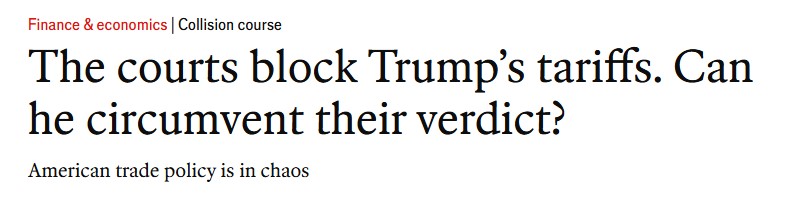
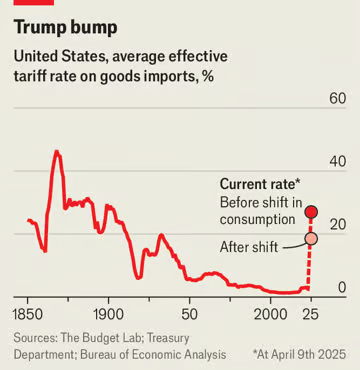
The current United States economy is built upon a foundation of low tariffs and relatively open international trade, a framework that has defined trade policy for decades. Although recent proposals have included extreme figures, the immediate implementation has faced pushback, including legal challenges winding their way through the court system regarding the executive authority to impose sweeping trade restrictions.
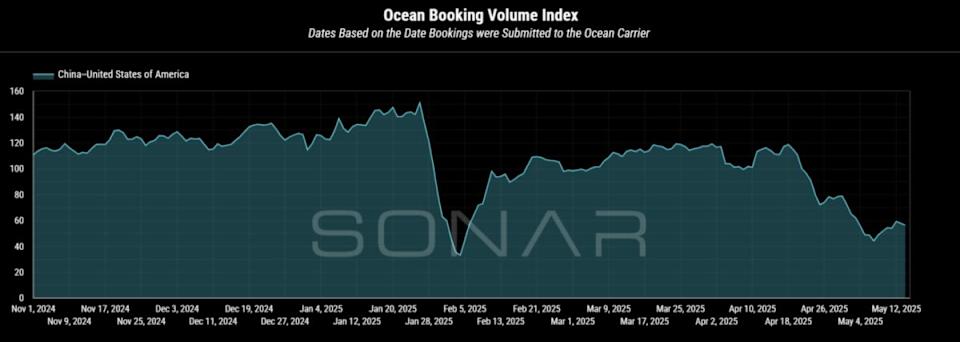
A significant reason why consumers may not have felt the full impact of these policy shifts immediately relates to the scale of international shipping logistics. The American economy operates on extensive supply chains with substantial built-in inventories. When trade tensions escalated, importers proactively placed advanced orders to stockpile goods before tariffs took effect.
As a result, the economy has continued to draw upon these existing stockpiles. However, with ocean shipping indicators showing a significant drop in new import volumes, those accumulated reserves are steadily depleting. Industry analysts suggest that if current trade restrictions remain in place, consumers and businesses may begin experiencing visible price increases and product shortages.
Potential Scenarios for the Future
As financial markets monitor the evolving trade negotiations, economists and investors generally outline a few distinct paths forward depending on how policy decisions unfold.
In a scenario where the currently proposed high tariffs remain permanently in place, the economy would likely undergo a structural realignment. Domestic manufacturing sectors might see sustained investment and growth, but businesses across the board would face permanently higher operational costs. Consumers would absorb these expenses through higher prices on everyday goods, housing, and services, potentially resulting in a slower long-term economic growth rate.
Alternatively, if the high tariffs prove to be temporary negotiating tactics that ultimately yield a return to low-tariff trade agreements, the economic disruption would subside. International supply chains would restabilize, and consumer prices would normalize as competitive market pressures resume across global borders.
Recent market behavior suggests that investors are largely betting on a resolution through diplomatic truces and a return to stable trade relations. Despite the recent volatility and policy shifts, major stock indices have demonstrated resilience, reflecting confidence that the broader framework of international commerce will ultimately prevail.
For long-term investors, navigating these periods of uncertainty relies heavily on maintaining a disciplined perspective and avoiding reactionary decisions driven by sensationalized headlines. As financial markets continue to process the daily news cycle, the fundamental mechanics of global trade and economic resilience remain the primary drivers of long-term prosperity.