
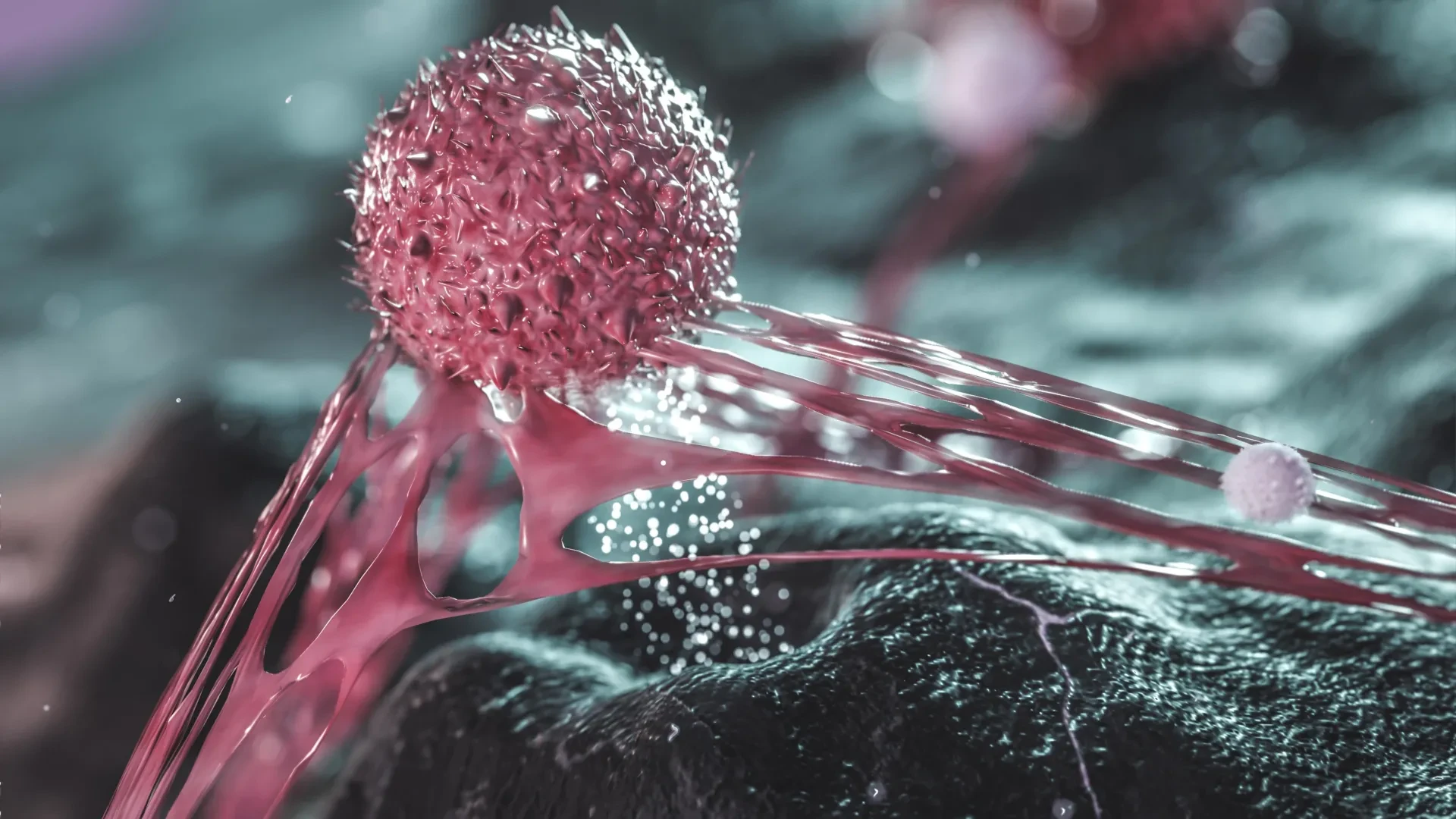
A common sugar found in a wide variety of everyday foods and sweetened beverages may play a startling and unexpected role in helping aggressive ovarian cancer spread throughout the body. In a breakthrough study published in the journal Nature Aging, researchers at The Wistar Institute have discovered that cancer cells managing to survive grueling rounds of chemotherapy can actively release fructose. This simple sugar does more than just provide energy; it acts as a critical biological signal that encourages nearby, dormant tumor cells to break free, migrate, and establish new sites of metastasis.
The findings illuminate a previously unknown mechanism through which cancer cells can continue to influence and drive tumor progression even after conventional medical treatments have successfully halted their ability to multiply. Furthermore, this discovery opens up complex new questions regarding whether dietary sugar consumption and widely prescribed cholesterol-lowering medications might inadvertently affect how cancer progresses in patients.
"Some cancer cells that survive chemotherapy aren’t dividing anymore, but they’re still biologically active," explained Aidan Cole, Ph.D., a postdoctoral fellow in the laboratory of Katherine Aird, Ph.D., at The Wistar Institute and the first author of the new study. "Instead, they continue to release molecules that send signals to nearby cells. Our study is among the first to show that a nutrient—in this case, fructose—can act as one of those signals."
Why Ovarian Cancer Often Returns After Chemotherapy
The clinical reality of ovarian cancer remains a formidable challenge for modern oncology. Most patients diagnosed with the disease undergo platinum-based chemotherapy regimens. These specialized treatments utilize drugs containing heavy platinum compounds designed to damage the DNA of cancer cells, thereby preventing them from reproducing and halting the growth of the tumor.
Although a large percentage of patients initially respond quite favorably to these treatments, the cancer ultimately returns in the vast majority of cases. When it does recur, it frequently spreads throughout the abdominal cavity—the complex anatomical space inside the abdomen that houses vital organs such as the stomach, intestines, and liver.
This devastating spread, scientifically referred to as metastasis, is ultimately responsible for approximately 90 percent of all ovarian cancer-related deaths. Because of this high mortality rate, understanding the exact biological triggers that allow cancer cells to escape their original tissue location and establish destructive new tumors elsewhere in the body remains a premier priority for cancer researchers worldwide.
Previous scientific investigations had already hinted at the possibility that cancer cells surviving chemotherapy might contribute to disease recurrence, even when they were no longer actively dividing or multiplying. These resilient surviving cells can continue producing and secreting a complex mixture of biochemical substances that actively influence the behavior, survival, and movement of surrounding cells within the tumor microenvironment.
To investigate this cellular phenomenon more deeply, Cole and his team of researchers designed a sophisticated experiment that deliberately separated surviving cancer cells from the various molecules they secreted. To their astonishment, they discovered that these released substances, operating entirely independently of the surviving cells themselves, were potent enough to significantly accelerate cancer spread in a preclinical model.
"As far as we know, this is the first time anyone has shown, in a preclinical model rather than just a dish, that it’s the molecules these cells release—not the cells themselves—that drive the cancer’s spread," Cole noted.
A Common Sugar Emerges as a Surprising Cancer Signal
With the realization that secreted substances were driving the process, the next significant challenge for the research team was identifying the precise chemical substances responsible for encouraging the cancer cells to break loose and migrate. Through rigorous analytical techniques, the investigators discovered an unexpected culprit: fructose.
Fructose is a naturally occurring monosaccharide found abundantly in fresh fruits, honey, and various other whole foods. However, it is also a primary component of standard table sugar and high-fructose corn syrup—a ubiquitous sweetener frequently utilized by the food industry in soft drinks, baked goods, and a vast array of heavily processed foods.
The study revealed that cancer cells surviving chemotherapy possessed the metabolic capability to produce fructose internally and release it directly into their immediate extracellular surroundings. Rather than simply functioning as a standard metabolic energy source to fuel cellular work, the sugar acted as a potent chemical messenger. It fundamentally altered the behavior of neighboring cancer cells, encouraging them to adopt a phenotype that is vastly more capable of migration and metastasis.
Equally concerning was another observation made by the research team during their preclinical trials. When subjects were exposed to high amounts of dietary fructose—levels directly comparable to those consumed by humans who regularly ingest sugary beverages—it could promote biological signals associated with cancer spread even in the complete absence of any prior chemotherapy treatment.
This striking observation strongly implies that daily dietary habits might influence cancer progression through a biochemical mechanism that scientists had not previously recognized or suspected. The intake of dietary fructose is a particularly relevant public health topic in the United States, where high-fructose corn syrup can account for anywhere between approximately 8 percent and 20 percent of total daily calorie intake for certain segments of the population.
Unlike many genetic or environmental risk factors that influence cancer susceptibility and progression, dietary fructose intake is a modifiable variable. This raises the intriguing long-term possibility that specialized nutritional strategies might eventually be integrated into comprehensive oncology care to help limit cancer metastasis.
However, the researchers exercise strong caution regarding immediate clinical takeaways. Scientists have not yet tested whether actively reducing fructose consumption actually improves clinical outcomes in human patients diagnosed with ovarian cancer. Furthermore, the findings do not establish a direct causal link proving that eating sugar causes cancer to spread in humans, meaning substantial additional research is required before any specific dietary guidelines or recommendations can be responsibly formulated based on this newly discovered mechanism.
How Fructose Helps Cancer Cells Break Free
To thoroughly comprehend the precise cellular mechanisms by which fructose encourages cancer dissemination, the investigators closely examined the internal biochemical cascades occurring inside cancer cells exposed to the sugar.
To accomplish this, they deployed several advanced molecular biology methods, including a high-throughput CRISPR screen. This powerful experimental technique allows scientists to systematically disrupt and examine thousands of genes simultaneously to pinpoint exactly which ones govern a particular cellular process.
The resulting data revealed a surprising downstream effect: exposure to fructose actively suppresses cholesterol production in neighboring cancer cells.
Although cholesterol is most frequently discussed in the public sphere in connection with cardiovascular disease, blocked arteries, and heart attacks, it also serves critically important, indispensable functions throughout the human body. In particular, cholesterol is a major structural component of cell membranes—the delicate outer lipid layers that encase cells and govern how they interact with their surrounding environment.
In the context of healthy tissues and stable tumors, cholesterol helps maintain the robust physical connections and adhesion molecules that bind neighboring cells tightly together. These intercellular junctions act somewhat like a biological glue, making it physically difficult for individual cancer cells to detach, break away, and migrate.
When fructose systematically suppresses the internal cellular production of cholesterol, those structural connections begin to weaken. Consequently, the cancer cells lose their tight grip on one another, allowing them to detach with much greater ease. This loss of cellular adhesion provides a clear physical pathway for the cancer cells to escape their local environment and spread to distant organs within the body.
This discovery offers a compelling, highly plausible molecular explanation for how a common dietary nutrient can directly influence one of the most lethal and elusive aspects of cancer biology.
A Surprising Connection Between Statins and Cancer Spread
The unexpected discovery regarding cholesterol suppression immediately led the Wistar Institute research team to investigate another pressing question, this time involving statins—a class of medications that are among the most widely prescribed drugs in the world for lowering cholesterol.
Currently, approximately 39 million people in the United States alone take statins on a regular basis. These pharmaceutical agents function by inhibiting an essential enzyme in the liver, thereby reducing the body’s overall production of cholesterol to safeguard patients against heart attacks and strokes.
Because the experiments demonstrated that fructose promoted cancer cell detachment by suppressing cholesterol production, the research team naturally wanted to determine whether statins might inadvertently trigger a similar biological effect.
Laboratory experiments revealed that administering statins alone could indeed weaken the intercellular connections between cancer cells, making it substantially easier for them to separate and escape their local tissue matrix.
This provocative finding raises complex scientific questions about whether cholesterol-lowering pharmaceutical drugs might inadvertently influence the efficacy or outcomes of chemotherapy in certain clinical scenarios. While researchers are actively working to investigate this possibility, they emphasize strongly that these results have not yet been demonstrated in human patients, and they urge the public not to interpret the findings as a reason for anyone to discontinue taking their prescribed statins.
"We haven’t tested this effect in patients yet, but it raises questions about combining cholesterol-lowering drugs with chemotherapy, especially since ovarian cancer is most common in postmenopausal women who are often already on statins," said Katherine Aird, Ph.D., professor and co-leader of the Molecular and Cellular Oncogenesis Program in the Ellen and Ronald Caplan Cancer Center at The Wistar Institute, and senior author of the study.
Could Fructose Also Help Other Cancers Spread?
Although the current investigation focused specifically on the dynamics of ovarian cancer, the scientists strongly suspect that this identical biological cascade could be at play in other forms of the disease as well.
Many aggressive cancers that originate within organs housed inside the abdomen and torso are notorious for their ability to spread rapidly to nearby tissues, membranes, and vital organs. If fructose influences the structural connections between cancer cells in a similar fashion across different tumor types, the broad implications of this discovery could extend far beyond the scope of ovarian cancer alone.
"We think other cancers that spread within the torso—pancreatic, colon, liver—could behave similarly. We can’t call it universal yet, but we think the effects are not just limited to ovarian cancer," Aird stated.
Already, Aird, Cole, and their colleagues have begun designing subsequent experimental frameworks to test whether these newly uncovered findings can be successfully reproduced in pancreatic, colorectal, hepatic, and other visceral malignancies.
Ultimately, the research opens a vital new avenue for the scientific community to better understand the complex ways in which cancer manages to spread, particularly in the aftermath of cytotoxic chemotherapy treatments. It also serves as a reminder that the intricate biochemical relationships binding nutrients, cellular cholesterol metabolism, and cancer cell behavior together are far more complicated than previously understood.
While the ultimate implications for dietary modifications and pharmaceutical interventions remain to be fully defined by future clinical studies, identifying fructose as a biochemical signal that helps cancer cells break free could eventually point researchers toward entirely novel therapeutic strategies aimed at preventing metastasis and improving long-term survival for cancer patients.