
By a Financial Features Reporter
For years, a common refrain has occasionally surfaced in online personal finance forums and comment sections regarding the financial blogger known as Mr. Money Mustache: “I used to read him until he got all rich and fancy so that he no longer understands the common person’s plight. Stash probably doesn’t even practice any of these money-saving things he preaches anymore!”
For the man behind the persona, reading such critiques elicits a chuckle. Putting a wealth of personal life details online inherently invites misunderstanding as part of the package. Yet, the critique overlooks a fundamental reality: if critics could peek into the everyday lives of long-time practitioners of this financial philosophy—often referred to as Mustachians—they would quickly realize that the underlying principles simply work, regardless of account balances.
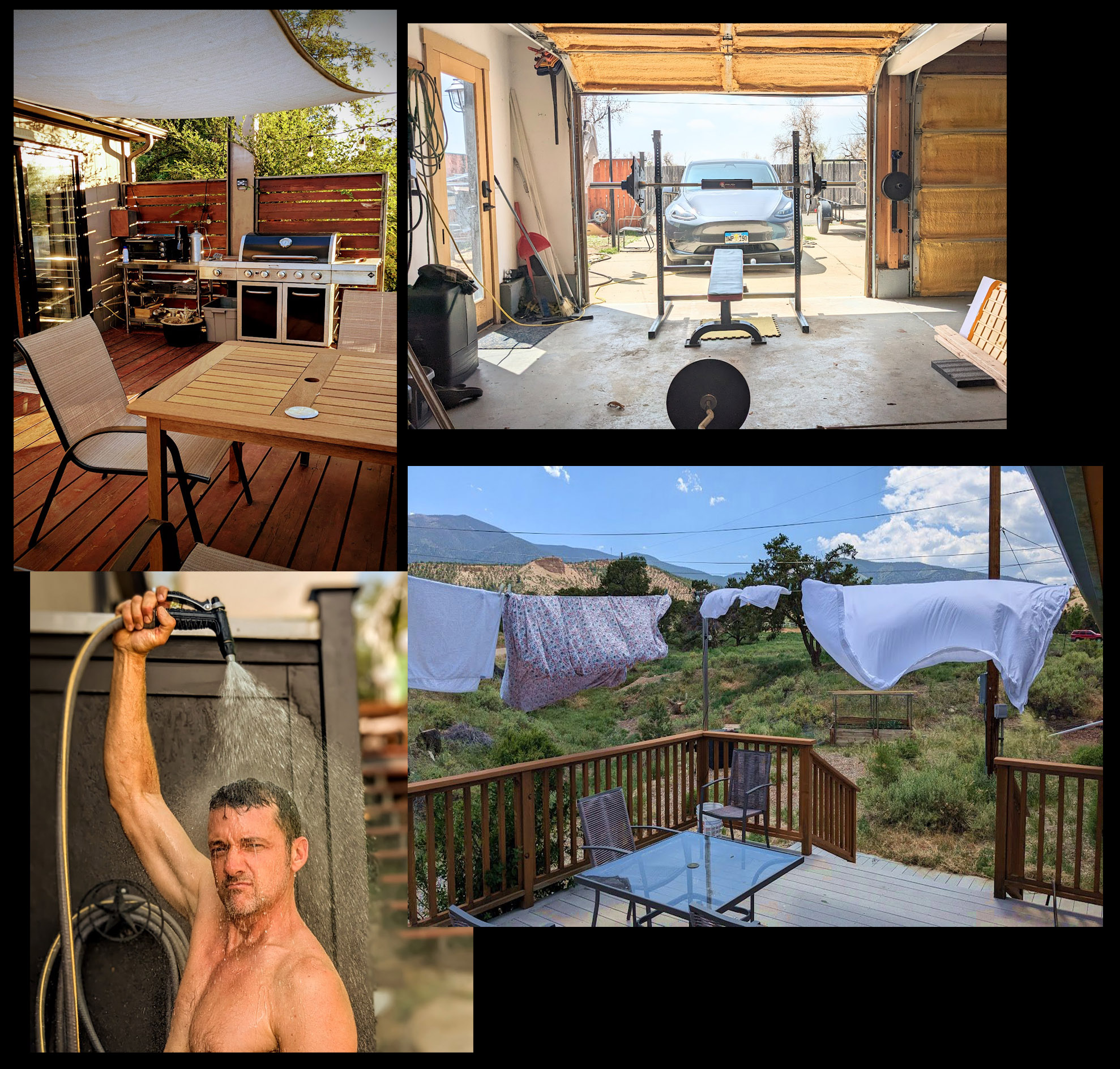
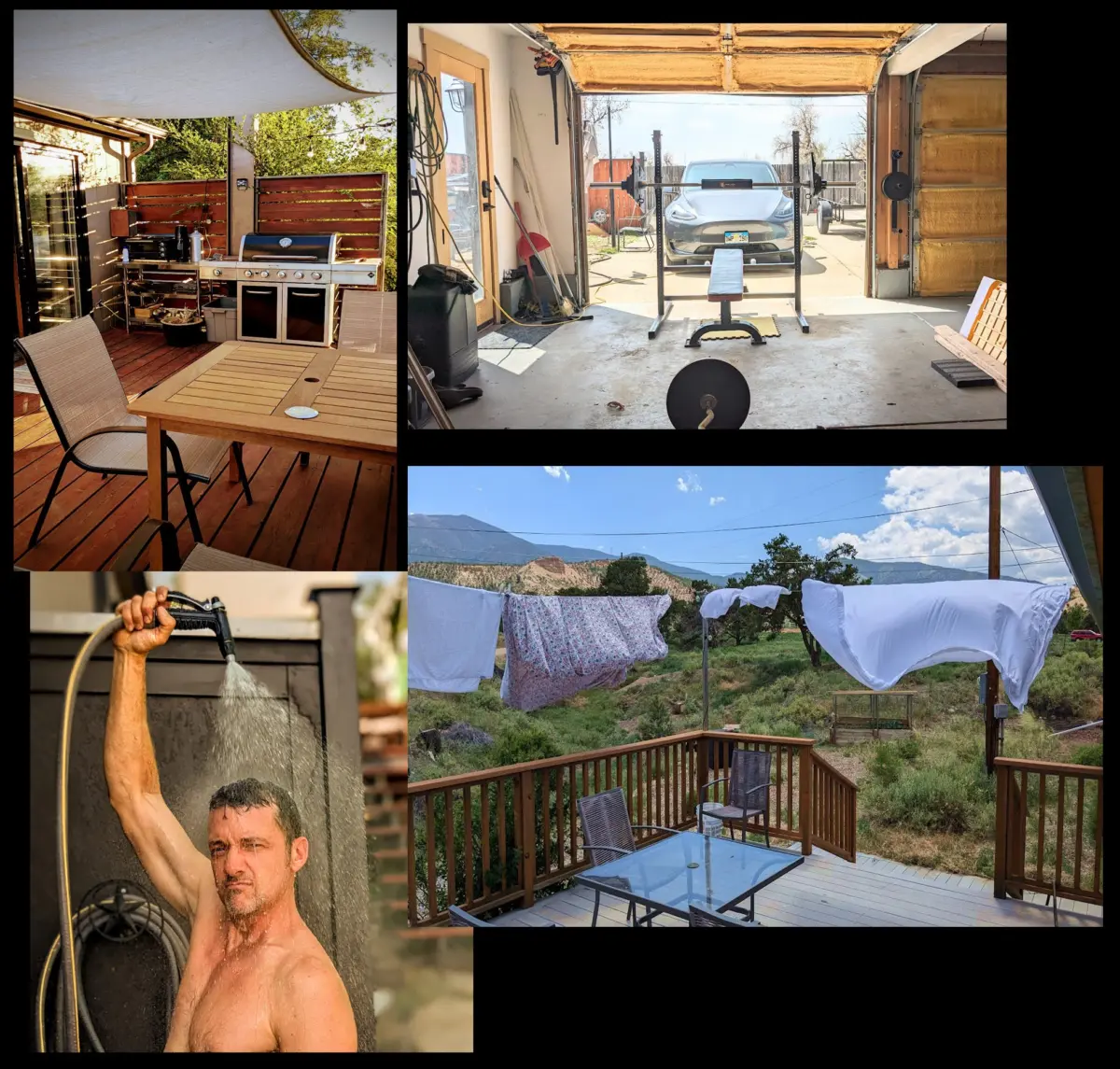
The core philosophy rests on a simple premise. Much like numerous readers who have followed the platform over the past twelve years, the author’s total net worth has increased steadily over time. However, like many in this community, there has been little felt need to drastically alter daily spending habits, simply because the initial approach was already optimized for an enjoyable life.
The widespread success found within this community stems from a distinct divergence from standard financial advice. Mainstream counsel typically advises individuals to slash spending and endure temporary sacrifices until they hit a specific savings percentage threshold, treating anything beyond that benchmark as a matter of personal choice or a green light for lifestyle inflation once income rises. In contrast, the Mustachian philosophy cultivates a lasting appreciation for efficiency, creativity, self-awareness, and personal improvement. This knowledge is applied broadly to enhance overall life quality while naturally driving monthly expense rates downward over time.
In practice, this translates to specific lifestyle choices rooted in personal enjoyment that coincidentally yield substantial financial savings. Evaluated over decades using the financial community’s standard compounding metrics—where a monthly expense multiplied by 172 roughly estimates its ten-year future value when invested—these habits accumulate into hundreds of thousands of dollars.

Fixing Homes and Cultivating Self-Sufficiency
A cornerstone of this lifestyle is self-sufficiency and the deliberate acquisition of skills required to manage critical aspects of daily life without relying heavily on outside forces. Central to this mindset is the idea of becoming a producer of the things one most enjoys consuming.
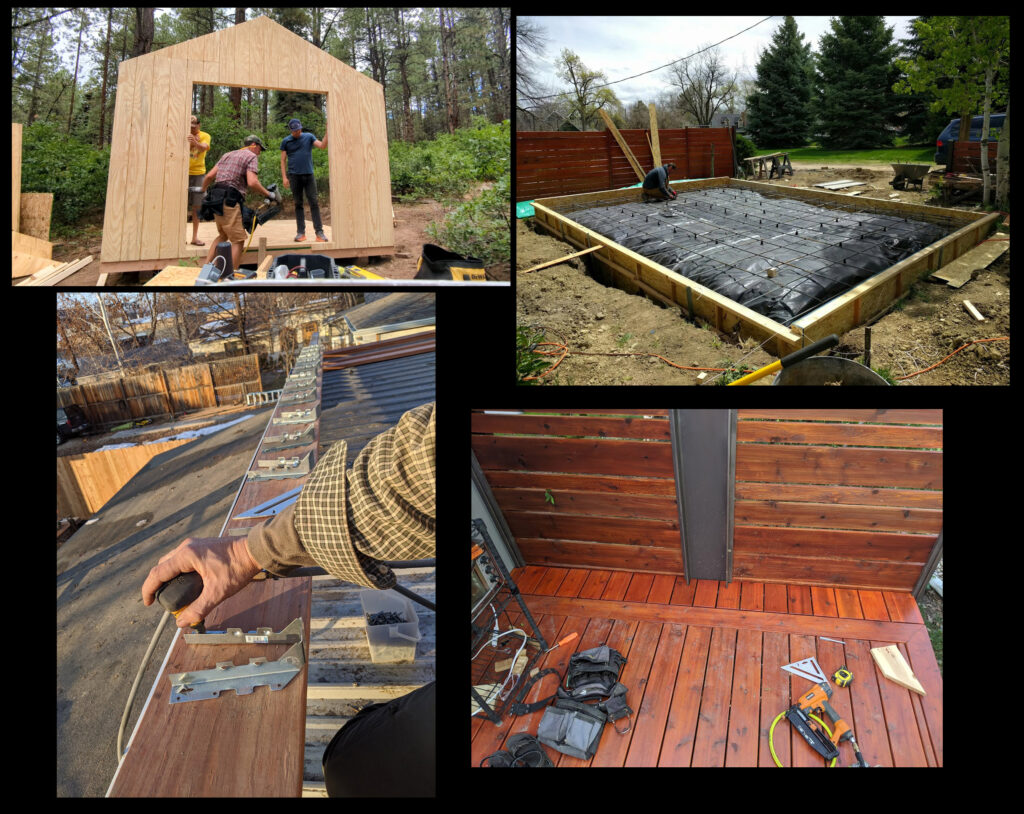
For the author, this manifests as a passion for architecture and residential spaces. Rather than purchasing newly built or perfectly finished properties, the focus is on acquiring older, poorly designed buildings and transforming them into functional, beautiful environments. This hands-on problem-solving occupies much of his free time, applied both to personal residences and the homes of friends. By teaching others how to maintain and repair their living spaces, the approach helps individuals shed their dependence on outside contractors and regain control over their properties, yielding average savings estimated at roughly $20,000 per year, or about $287,000 per decade.
Leveraging Community and Digital Marketplaces
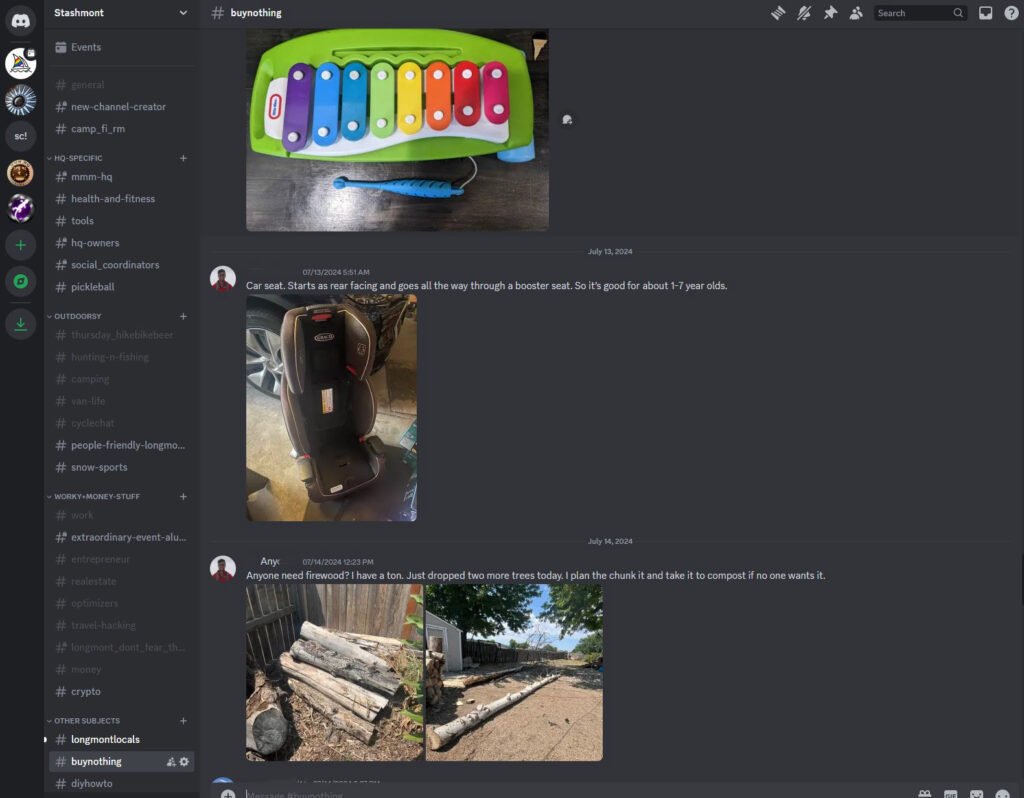
While accumulating significant wealth affords the luxury of purchasing brand-new items for home delivery, a parallel satisfaction comes from bypassing traditional retail in favor of sharing, repurposing, and acquiring high-quality goods from neighbors who no longer need them. Platforms like Craigslist, Facebook Marketplace, and localized Buy Nothing groups facilitate this exchange while simultaneously building local community ties.
Within specialized local networks, such as private community servers and neighborhood groups, participants regularly coordinate on major home improvement projects, share practical how-to advice, and exchange unneeded goods. This integration of digital tools and physical community engagement routinely generates steady financial savings and value creation, totaling an estimated $42,000 per decade.
Prioritizing Active Transportation
Advocating for bicycle transportation as a superior mode of travel has long been a central tenet of the platform. Comprehensive analyses of commuting costs consistently demonstrate that operating personal automobiles incurs significant expenses per mile—primarily driven by depreciation and maintenance costs that far outweigh fuel expenditures alone.
For those residing in central urban neighborhoods where daily errands are concentrated locally, cycling and walking easily cover the vast majority of local trips. Even at a modest annual mileage of around 2,000 miles, the reduction in automotive expenses saves approximately $14,000 per decade. Beyond the direct financial impact, active transportation fundamentally alters physical and mental health outcomes, linking daily mobility directly to long-term wellness.
Choosing Muscle Over Motor
Whenever a physical task presents an opportunity to engage the body rather than rely on automated machinery or paid services, the preferred path is almost always physical exertion. This includes opting for stairs over elevators, walking golf courses instead of riding carts, handling heavy furniture moves independently, and performing seasonal yard work like shoveling snow and raking leaves manually.
When evaluated through the lens of long-term health and wellness, maintaining physical capability through daily exertion acts as a preventive measure against lifestyle-related ailments. While difficult to calculate down to the exact dollar, the financial implications are profound when compared against national healthcare spending averages. Assuming conservative estimates of personal savings on medical costs and enhanced daily productivity, the lifestyle choice yields an estimated benefit of $10,000 annually, translating to roughly $140,000 per decade.
Energy Efficiency and Home Experimentation
A blend of engineering curiosity, carpentry, and domestic focus often inspires ongoing home energy experiments designed to align living spaces more closely with natural seasonal cycles. Projects range from architectural modifications, such as strategically placing windows and sliding doors on the southern exposure of a home to capture passive solar heat during winters, to various smaller conservation measures.

Although these micro-adjustments demand hands-on labor that might deter some homeowners, the cumulative effect drastically reduces utility consumption. In regions where average monthly gas and electric bills routinely run high, optimized usage can cut utility costs by more than two-thirds. For those who view their living space as an active efficiency laboratory, the resulting savings of approximately $30,000 per decade serve as a rewarding bonus to an already engaging hobby.
Embracing Local Living Over Constant Travel
During peak seasonal periods when modern leisure culture often drives widespread travel and extended vacations away from home, an alternative approach focuses on deepening local ties and fully appreciating domestic life. Politely declining invitations for distant trips in favor of hosting guests and engaging with local community events yields significant rewards.
The benefits of localized living extend far beyond direct travel expenses. By substituting a couple of major family vacations each year with staycations and regional engagement, households can save substantially on direct expenditures while reaping incidental benefits related to health and local community bonding. Estimated conservatively, reducing extensive travel in favor of enriched home life can compound into approximately $143,000 per decade in preserved wealth and enhanced well-being.

The Cumulative Impact of Everyday Choices
When these individual habits are aggregated, the total financial impact over a ten-year span reaches hundreds of thousands of dollars—surpassing the median wealth accumulated by many citizens nearing retirement age after decades of traditional workforce participation. These outcomes are directly traceable to simple, consistent habits practiced both before and after achieving financial independence.
While individuals facing acute financial hardship may need to adopt more aggressive measures, the overarching philosophy demonstrates that drastic deprivation is rarely necessary. Minor lifestyle adjustments centered on efficiency, self-reliance, and personal engagement are frequently all that is required to secure long-term financial stability and a deeply satisfying daily life.