
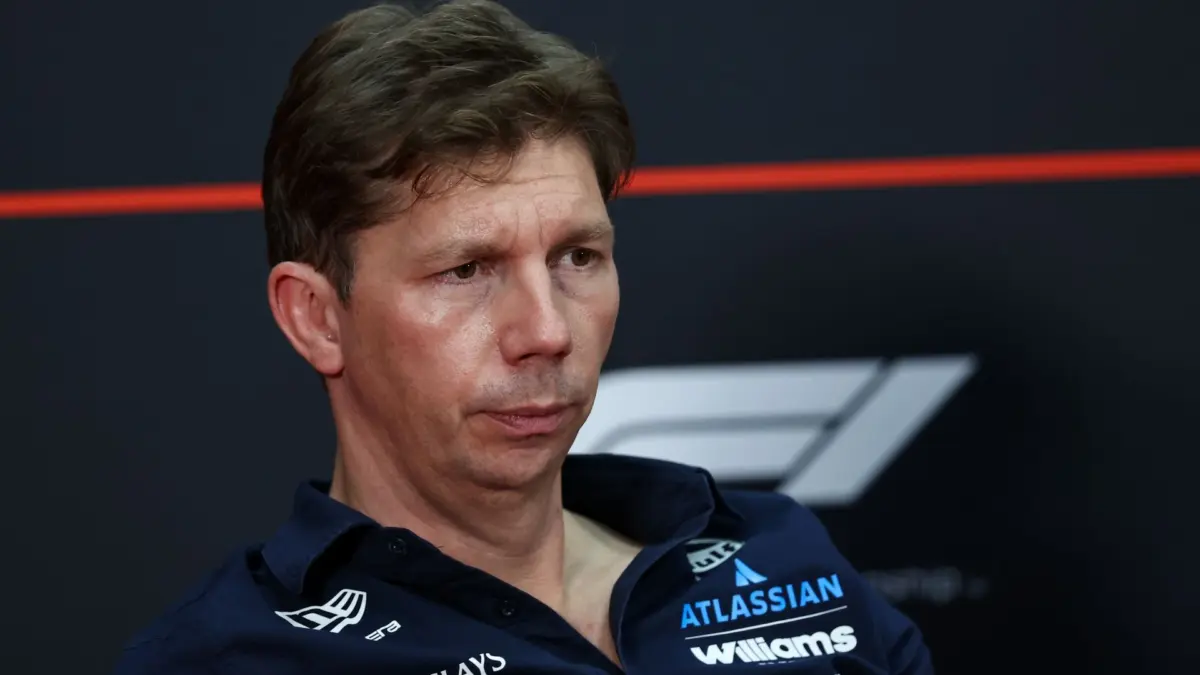
Vowles took charge of the historic Grove-based outfit after arriving from Mercedes at the start of the 2023 season. His leadership initially appeared to be having a profoundly positive impact, culminating in a stellar 2025 campaign where Williams secured fifth place in the Formula 1 constructors’ championship. That result marked the team’s highest finish in the constructors’ standings since 2017, generating a wave of optimism and renewed belief that the once-dominant powerhouse was finally climbing back toward the sharp end of the grid.
However, the dawn of 2026 brought the biggest regulation change in the history of the sport, introducing an entirely new generation of power units and chassis designs. This seismic shift in technical rules has severely disrupted the pecking order and, unfortunately for Williams, has seen the team suffer a major regression. The early promise has given way to a grueling battle at the rear of the field, leaving drivers Carlos Sainz and Alex Albon visibly and hugely frustrated as they grapple with an uncompetitive package.
With just three rounds of the 2026 season remaining, Williams finds itself languishing in ninth place out of the 11 teams on the grid. The squad has managed to accumulate a meager 12 points over the course of the year—a stark and painful contrast to the 137 points they secured during their triumphant run just twelve months prior.
The difficulties on track have been highlighted by various dramatic incidents throughout the year, including Alex Albon finding himself in the wall at Turn Five during the Azerbaijan Grand Prix, which brought out the safety car, and teammate Carlos Sainz being forced to dive into the pit lane after a fire broke out on his brakes during practice at the same event.
Reflecting on the turbulent campaign during a candid appearance on the latest episode of The Fast and the Curious podcast, Vowles offered a pragmatic assessment of where the team stands.
"There’s going to be blips in the pathway. This is what I consider a blip, unfortunately," Vowles told the podcast. "And I think it’s a good thing we went through it because we’ve made some pretty enormous changes in the backside of the team, which we had to go through, in my opinion, to make the next steps.
"And I think we got carried away a little bit with ourselves last year, demonstrating that actually when things aren’t changing too much, we have the ability to produce a half decent car. But regulation changes will always expose you."
The severe drop in performance and the widening competitive gaps under the current financial regulations have also sparked broader conversations about the health of the sport. Discussing the modern era of Formula 1 alongside host Christian Hewgil, Vowles pointed out that the sport’s cost cap, while designed to level the playing field, can sometimes exacerbate performance differentials when major rule changes occur, leading to a landscape where maintaining tight competition becomes an extraordinary challenge.
Despite Williams’ on-track struggles leading to inevitable external speculation and questioning regarding the long-term security of his own position, the 47-year-old team principal insists that he is not feeling the pressure from within the organization. He emphasizes that the path to recovery was always understood to be fraught with difficulties when he first took the helm.
"When I signed up to this, I had an agreement with the board that we’re going to find some horrible things when we start pushing ourselves," Vowles explained. "It’s not a business where we can go out there and completely predict where we’re going to be in different phases. But I will dedicate my heart, soul and every hour of my day, as will the team into fixing it when we find it. But I ask in return that there’s a support behind us in that way."
Vowles was quick to praise the unwavering backing he has received from the Williams board of directors, particularly during the darkest periods of the development cycle. He recalled the brutal winter months when the scale of the 2026 car’s shortcomings became apparent, forcing him into grueling work schedules characterized by seven-day weeks and 16-to-18-hour days.
Rather than panicking or applying undue pressure, the leadership group rallied around their team principal. Vowles recounted making calls to key stakeholders during that grueling period, only to be met with reassurance rather than criticism. The consistent message from the board was simple: they understood the magnitude of the challenge, recognized that deep structural changes would cause temporary pain, and wanted to know how they could help facilitate the recovery process.
"I remember in winter, a pretty horrible time in winter, I was working seven day weeks and 16-hour, 18-hour days, it was hard. I called to see all of them. And all it was, was just really a ‘we’re here behind you. How can we help?’ That was it," Vowles said.
"It is not an environment where people are taking this light-heartedly. They know that this is going to be a difficult challenge. I knew it was going to be a difficult challenge. My assurance to the world is everything we are doing is directionally correct for our future."
As the team prepares to put the disappointment of the current European and flyaway rounds behind them, attention turns to the next stop on the Formula 1 calendar. The championship next hits The Strip for the high-profile Las Vegas Grand Prix, scheduled to take place from November 20-22.