
A three-hour-long documentary that has unexpectedly emerged as both the critical film event of the year and an unprecedented box-office phenomenon, You Can See Everything is a cinematic project born from a premise that would qualify as catastrophically ill-advised under any normal set of circumstances. At the very least, the film serves as a definitive warning to anyone who might ever consider inviting a documentary camera crew into their private residence to capture every spoken word and mundane action in the pursuit of what one participant describes as "radical transparency."
As the film demonstrates, no human life can withstand that level of unbroken scrutiny, regardless of how hard an individual might try to prevent their fundamental flaws, private foibles, and complex self-delusions from spilling out into plain view. The subjects who come together within the confines of a California beach house for the extraordinary events captured on film find themselves in an even more surreal set of circumstances, primarily due to the controversial public legacy that precedes them.
Elizabeth Holmes famously ascended to the pinnacle of Silicon Valley stardom, raising hundreds of millions of dollars from high-profile investors based on proprietary blood-testing technology promised by her company, Theranos, which claimed it would completely revolutionize modern medical diagnostics. However, relentless investigative journalism and subsequent federal law enforcement probes ultimately revealed that Holmes and her executives were systematically misleading investors, regulators, and the public regarding the actual capabilities and efficacy of the technology. This high-stakes corporate deception ultimately led to Holmes’s high-profile federal conviction for fraud and related criminal charges, shattering her corporate empire and transforming her into a cautionary tale of corporate greed and hubris.
Entering the Fishbowl: Life in Del Mar Before the Sentence
As the head-spinning, emotionally turbulent saga of You Can See Everything begins in 2023, Holmes is living on borrowed time—just a few weeks away from surrendering to federal authorities to begin serving an eleven-year prison sentence. She is holed up in a rented beachfront home in Del Mar, California, sharing the space with her two young children and her husband, Billy Evans, a fellow entrepreneur who entered her life and formed a relationship with her after the catastrophic collapse of her corporate ruse.
The couple’s primary motivation for agreeing to participate in such an intrusive documentary project appears to be a concerted effort to aggressively counter the pervasive public perceptions of Holmes that have been cemented by relentless media coverage and dramatized accounts, such as The Dropout, the 2022 acclaimed television miniseries starring Amanda Seyfried that chronicled Holmes’s meteoric rise and subsequent dramatic fall. Such mainstream representations routinely painted the disgraced tech founder as a calculated deceiver and manipulative mastermind who was uniquely capable of warping objective reality to suit her immediate ambitions.
Yet, one of the most enduring and fascinating mysteries of the new documentary lies in the couple’s inexplicable choice of filmmaker to live alongside them and help project the "real" Elizabeth to a skeptical world. Rather than opting for a sympathetic, traditional documentarian who might lob softballs, they invited Nathan Fielder—a Vancouver-born comedian, actor, and filmmaker best known for his groundbreaking and psychologically complex television series Nathan for You and The Rehearsal. Fielder has built a critically acclaimed career on bold, deadpan satires that deliberately blur the razor-thin line between fiction and documentary reality, frequently applying elements of improvisational comedy and his own detached, uncomfortable on-screen persona to genuine, real-life situations. The resulting encounters orchestrated by Fielder essentially function as high-stakes experiments in behavioral science.
A Collision of Unpredictable Personalities and Pathologies
Needless to say, this volatile combination of distinct personalities, intense public scrutiny, and deep-seated psychological pathologies sends the situation spiraling in wildly unpredictable directions. Co-directed by Nathan Fielder and Lance Oppenheim, You Can See Everything has rapidly transformed into the season’s most intensely discussed film precisely because it confronts audiences with a staggering amount of ambiguity and moral complexity to unpack.
Questions regarding personal culpability are persistently muddied by ongoing suggestions within the film regarding the extent to which Holmes actually understands her own deceptions as deliberate falsehoods. In one of the documentary’s most striking maneuvers, Fielder dangles the tantalizing, deeply unsettling possibility that Holmes might be a neurodivergent individual who possesses an entirely unconventional, detached approach to language and social communication. To test this hypothesis, he exposes her to the classic Abbott and Costello comedy routine "Who’s on First?" only to be met with her utter bafflement, leaving viewers to wonder where the performance ends and genuine cognitive disconnect begins.
Alternatively, Holmes can readily be interpreted through another lens: as a deeply vulnerable woman who fell under the absolute sway of domineering men. The first of these figures was her Theranos business partner and then-boyfriend, Sunny Balwani, and the second is her current husband, Evans, whose controlling and erratic actions throughout the documentary can occasionally be deeply concerning to witness.
As the narrative twists and turns grow increasingly wild, You Can See Everything transcends its origins as a mere true-crime investigation into Holmes and her specific legal case. Instead, it evolves into a remarkably deft, multi-layered philosophical inquiry into the radical mutability of truth and human identity, proving to be gripping, darkly hilarious, and profoundly unsettling in equal measure.
The Subversion of Truth and the Audience’s Refusal to Look Away
Fielder is hardly an objective, detached bystander in the unfolding drama. Throughout the film, he employs numerous clever ways to subvert the traditional conventions of documentary storytelling in order to more accurately convey his own surreal experience of the project in all its dizzying complexity. He openly reckons with the complicated emotional attachments and psychological toll that inevitably arise during his intense, inescapable relationship with his primary subject.
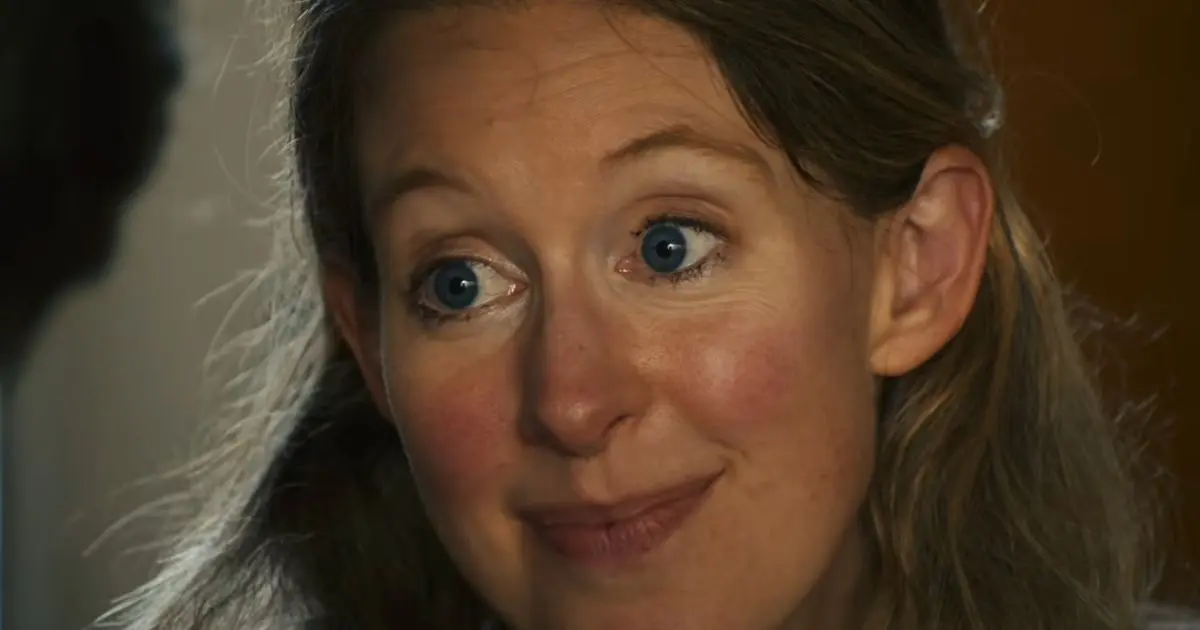
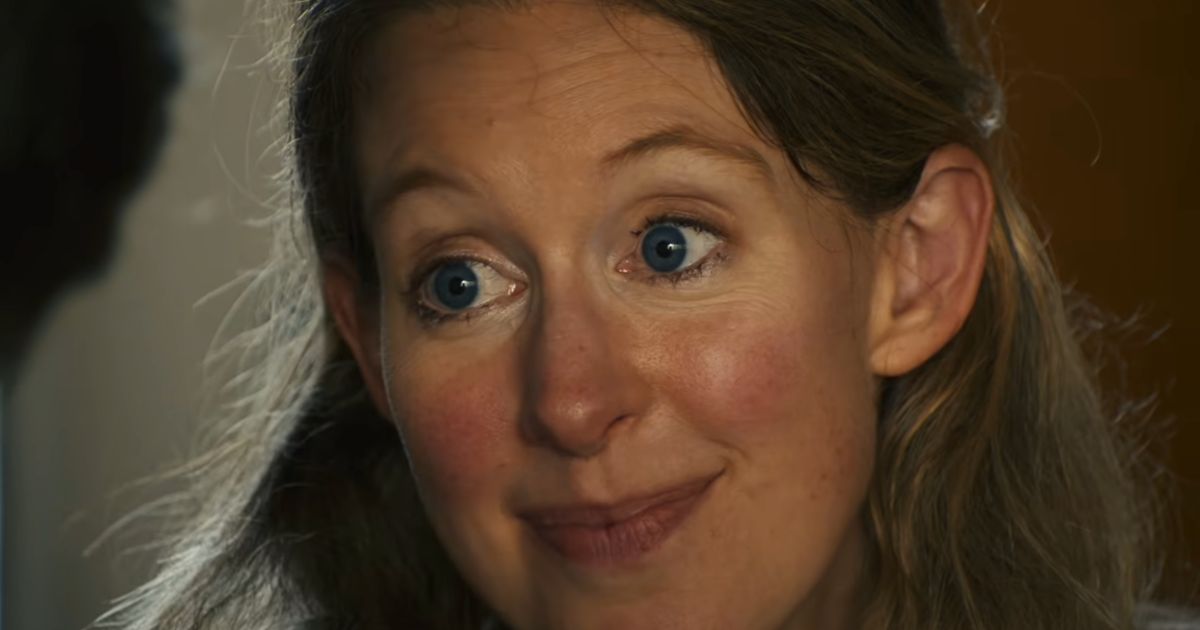
Audiences may find themselves equally perplexed by their own visceral responses after watching Holmes so closely, under such harsh lighting, and for such an extended duration. On more than one occasion, her face fills the widescreen frame with a wide-eyed expression of such profound earnestness and seeming vulnerability that it becomes genuinely heartbreaking to watch. And because of that intense emotional friction, it is never easy for the viewer to look away.
You Can See Everything is currently playing in select theatres across Canada, leaving audiences to grapple with the uncomfortable spaces where truth, performance, and human psychology seamlessly intersect.