
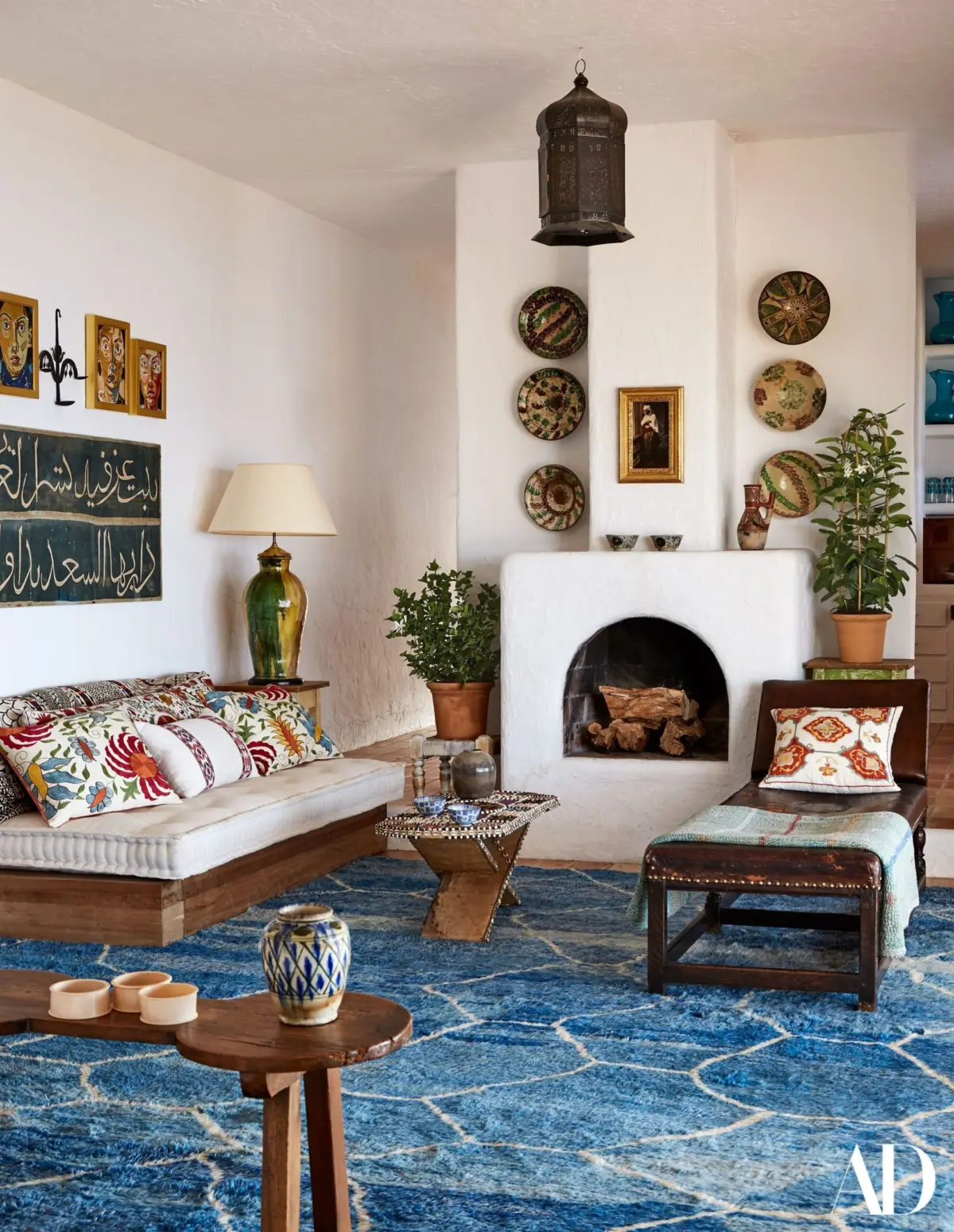
The Moroccan rug has long stood as one of the most reliable and effective design elements for introducing tactile depth, warmth, and visual intrigue into any residential interior. Originally crafted centuries ago by semi-nomadic Amazigh tribes traversing the Atlas Mountains, these lush, heavy wool carpets served a primarily utilitarian purpose: protecting inhabitants and livestock against the bitter, biting cold of high-altitude winters. Today, however, these historic textiles have transitioned from functional regional crafts into absolute staples of the modern global design world, prized just as much for their striking aesthetic versatility as for their storied heritage.

In contemporary architectural and interior design spaces, the appeal of the Moroccan rug lies largely in the vast spectrum of color palettes and stylistic iterations available to decorators and homeowners alike. While the rug type remains inextricably linked to traditional undyed cream backgrounds punctuated by bold geometric patterns, modern iterations frequently embrace vibrant jewel tones and unexpected chromatic accents. It is hardly surprising, then, that these textiles routinely make prominent appearances across prestigious high-end home tours. One can spot them anchoring artful urban spaces, such as a striking Brooklyn loft designed by Jam Architecture, or lending a relaxed counterbalance to a vibrant, floral Victorian home expertly restored by designer Heidi Caillier. Furthermore, these carpets have cultivated a devoted following among legendary creative figures and cultural icons alike, finding a home in the private collections of artists like Claudio Bravo and celebrities such as actor Patrick Dempsey.
The rich history behind these pieces is rooted in authentic craftsmanship. Boucherouite and Beni Ourain styles, among others, rely on traditional hand-weaving and hand-knotting techniques developed generations ago by Amazigh artisans. These timeless designs can be found in abundance within the labyrinthine, bustling alleyways and souks of Marrakech, where master weavers continue to pass down specialized techniques from parent to child. In the modern era, acquiring such a piece has become remarkably straightforward. With an explosion of direct-to-consumer brands and vintage-inspired markets operating globally, finding an exceptional Moroccan-style rug is often just a click away. Yet, given the sheer volume of choices currently accessible to consumers, navigating the marketplace can occasionally prove intimidating for those attempting to select the ideal piece for a specific room.

To help consumers navigate this flourishing design category, industry experts have curated a selection of standout Moroccan and Moroccan-inspired rugs currently available on the market, offering thoughtful insights into how each distinct piece might be styled within a contemporary home.
For those looking to make a memorable first impression, the entryway represents a prime opportunity to utilize a specialized runner. The Revival Rugs Lerela rug, an authentic hand-knotted Azilal piece featuring wool locally sourced directly from the Atlas Mountains, offers an ideal solution for narrow or challenging transition spaces. Its long, slender silhouette is perfectly tailored for tight entryways, welcoming visitors with unmistakable warmth and artisanal authenticity. While the rug features the oblong diamond patterns characteristic of traditional Moroccan floor coverings, it also incorporates subtle, niche details—such as playful pink tassels—that inject a pop of color without overwhelming adjacent furniture or existing decorative schemes. Because of its relatively compact dimensions, design enthusiasts may also consider mounting a rug of this scale vertically, utilizing it as a rich, textural element for blank wall space.

Moving away from the threshold and into the workspace, updating a home office often requires balancing professional focus with personal expression. Placing an eclectic rug underneath a desk setup can dramatically break up the visual monotony often associated with corporate or remote work environments. The Beni Deco Gris Cendre Rug from Beni Rugs offers a sophisticated approach to this challenge. While its soft grey tones and understated overall design maintain a calm, distraction-free atmosphere suitable for productivity, unexpected touches of rich oxblood hue introduce a distinct layer of personality. This subtle flash of color provides a welcoming visual break for professionals moving between intensive writing tasks, spreadsheets, and video conferences throughout the day.
For buyers seeking high-end artisanal style without the corresponding bespoke price tag, accessible alternatives have emerged that honor traditional craftsmanship. The Saira Hand-Loomed Wool Rug from Quince proves that achieving a luxurious aesthetic does not strictly require commissioning a custom carpet directly from the markets of Marrakech. Hand-loomed with medium-pile, hand-spun wool designed to offer exceptional plushness underfoot, the Saira draws heavy inspiration from classic Moroccan geometric motifs, delivering a high-end look and tactile comfort at a more approachable price point.

Maximalist designers and enthusiasts of bold, saturated interiors will find considerable appeal in pieces that embrace uninhibited color theory. The Salam Hello Izra Alfalfa Rug stands out as a masterclass in rich chromatic depth. The vibrant, saturated tones found across the textile are the result of multi-generational expertise, produced by a family of third-generation dyers who understand the nuances of botanical and traditional color application. The rug’s composition features slightly irregular, hand-drawn geometric boxes that impart a quirky, organic texture to whichever room it occupies. Such a statement piece can either serve as the singular, anchoring focal point within an otherwise neutral space or be layered intentionally alongside complementary tones—such as pairing it with a deep green velvet sofa from Ellison Studios—to create an immersive, verdant interior environment reminiscent of a private indoor forest.
Practicality and high-end design are no longer mutually exclusive, particularly in high-traffic zones like dining rooms or family gathering spaces. The Ruggable Kairos Rug demonstrates how traditional aesthetics can be adapted for modern, mess-prone households. At first glance, the muted aesthetic appears understated, yet the piece generates significant visual interest through an intricate grid border design inspired by classic Mediterranean tile patterns. Positioned underneath a dining table, it offers a soft, elegant layer that elevates the entire dining area. Crucially, because the rug is water-resistant and entirely machine washable, it is engineered to weather accidental spills, dropped food, and everyday foot traffic without causing stress to the homeowner.

Children’s spaces also benefit from the tactile richness and durability inherent in quality textiles, proving that playful design does not have to sacrifice sophistication. The Tangerine Dream luxury shag rug from Benisouk introduces a whimsical yet elevated sensibility to children’s bedrooms and playrooms. The exceptionally high pile provides a deeply comfortable, cushioned surface for young children to sit, play, and crawl on, while retaining the structural durability necessary to withstand rigorous daily activity. Rendered in dreamy creamsicle hues, the color palette harmonizes effortlessly with youthful surroundings, while the abstract minimalist design maintains a mature enough edge to mature alongside the child as they grow older.
For those whose design sensibilities lean heavily toward serene, minimalist environments inspired by high-end hospitality spaces—such as the quiet luxury associated with Aman resort interiors—neutral palettes remain paramount. The Nahla Hand-Knotted Beni Ourain Area Rug from The Citizenry serves as an exemplary foundation for such aesthetic goals. Crafted from pure, un-dyed sheep’s wool, this handmade rug fulfills the criteria of a minimalist dream. The natural cream coloration introduces an immediate sense of calm and visual breathing room to a space, while the organic, hand-drawn lines provide an authentic wabi-sabi touch. This subtle imperfection is often essential for softening pristine, all-white rooms, ensuring the environment feels lived-in, grounded, and deeply connected to centuries-old textile traditions.