
For generations, the standard blueprint for travel has remained largely extractive and passive. Travelers arrive at a destination, capture photographs of the same iconic landmarks as millions before them, dine at establishments recommended by mass-market guidebooks, and frequent popular watering holes. Guided tours offer superficial insights into local history, and while fortunate travelers occasionally cross paths with residents, deep and meaningful engagement is rare. Most journeys skim the surface, leaving travelers merely passing through without ever truly understanding the fabric of daily life.
Even long-term travelers who pride themselves on not being typical tourists often fall into the same routine. They simply move at a slower tempo and attempt to stretch their budgets further over extended periods. While popular culture romanticizes the idea of dropping into a foreign country, instantly befriending locals, and forging cinematic bonds, reality rarely mirrors fiction. Because travelers are transient, residents rarely seek out deep friendships with short-term visitors, and everyday interactions between locals and tourists remain limited.
Industry observers note that achieving genuine cultural immersion requires a fundamental shift in approach. True understanding demands prolonged stays and active contributions to the host community. The most transformative travel experiences consistently involve embedding oneself within a destination rather than treating it as a temporary backdrop. By remaining in a location long enough to build authentic relationships and contribute positively to local society, travelers can transcend the limitations of traditional tourism.
For decades, finding legitimate, vetted organizations that genuinely improved the lives of local populations presented a significant hurdle for civic-minded travelers. Today, however, a growing sector of specialized agencies helps individuals secure meaningful volunteer placements and paid international positions. Among the prominent organizations facilitating these opportunities is Global Work & Travel, a leading international mobility company.
What Global Work & Travel Does
Operating as the world’s largest gap year and international work agency, Global Work & Travel has facilitated working holidays, volunteer programs, teaching positions, and professional internships for nearly two decades. Having placed over 116,000 participants across destinations in the United Kingdom, Europe, the Americas, Asia, Africa, and the Pacific, the organization bridges the gap between ambition and execution.
Despite the romantic appeal of moving abroad, the logistical realities can overwhelm even experienced travelers. Securing employment in a foreign job market, navigating permanent housing options, avoiding months trapped in shared dormitories, managing local transportation expenses, and competing against domestic applicants through rounds of interviews represent formidable obstacles.
To mitigate these challenges, structured placement providers establish a safety net for long-term travelers who prefer structured support over unguided experimentation. Services typically encompass job matching, pre-departure preparation, visa application guidance, on-the-ground placement, and ongoing assistance via digital management tools like the gWorld portal, which consolidates travel logistics into a single platform. For first-time international travelers, this institutional backing often determines whether an ambition materializes or fades away amid logistical paralysis.
Why Working Holiday Makers Are the New Digital Nomads
Over the past ten years, the archetype of the digital nomad has dominated aspirations for long-term international travel. The formula promised remote work flexibility, earnings in a strong home currency, a lower cost of living abroad, and perpetual movement.
Yet, this lifestyle inherently serves a narrow demographic. Success requires a pre-existing remote job, a stable income threshold, and a level of career establishment that younger travelers rarely possess. Working holiday programs offer a pragmatic alternative by inverting the model. Instead of carrying employment across borders, participants secure local jobs upon arrival, integrating directly into the host economy rather than floating above it as isolated remote workers. Relationships develop naturally through workplaces and community interaction rather than localized coworking spaces or transient hostels, fostering a grounded, stable routine.
Advocates argue that working holiday makers experience a more authentic version of international living than many digital nomads. By maintaining local employment, fixed schedules, and official ties to a community, participants have tangible reasons to remain in a destination for extended periods. This framework provides an accessible path for individuals lacking remote businesses or years of professional seniority, requiring primarily the willingness to relocate and appropriate organizational support.
Consequently, industry trends indicate a gradual evolution among adventurous travelers. Inquiries increasingly center on how to legally live and work abroad for a full year rather than simply maintaining remote employment from a beachside café. Structured international programs facilitate this transition by absorbing the administrative friction of visa acquisition and job placement.
Why Volunteering Matters
The landscape of international volunteering carries a complex reputation, marked by historical instances of profit-driven programs that offered superficial engagement rather than genuine community benefit. Recognizing these concerns, established placement providers emphasize rigorous vetting processes across sectors such as wildlife conservation, community development, education, and healthcare.
When structured ethically, volunteer initiatives offer profound reciprocal benefits. Collaborating with local communities in regions such as Zanzibar on self-identified priorities, participating in wildlife conservation efforts across South Africa, or supporting elephant rescue and rehabilitation projects in Thailand fundamentally alters a traveler’s global perspective. Beyond contributing labor to pressing local needs, participants gain firsthand insight into the socio-economic and ecological challenges facing host regions. Additionally, dedicated funds channel supplementary resources directly into partner conservation sites, extending the impact beyond individual human placements.
What Makes Working Holidays Appealing
Working holidays redefine travel from a temporary vacation into an integrated lifestyle. By participating in the daily workforce of a host country, individuals absorb cultural nuances organically, forge enduring friendships with both locals and international peers, and sustain their travels through local earnings. This financial sustainability enables extended stays, permitting deeper exploration of regional cultures and the acquisition of valuable cross-cultural competencies. Ultimately, international work experience enhances professional resumes while making long-term global exploration economically viable.
Operational Advantages of Structured Programs
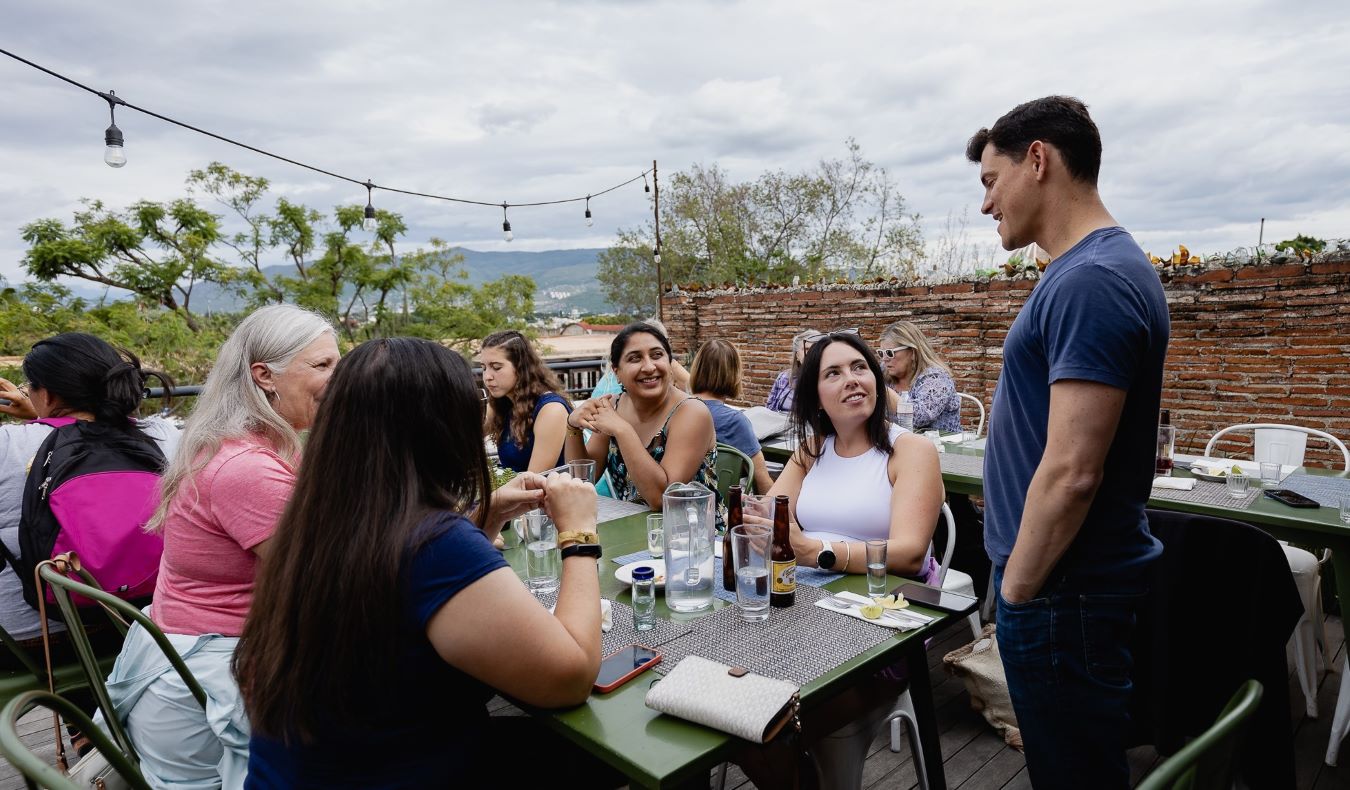
As global leaders in extended travel logistics, organizations like Global Work & Travel offer diversified pathways for individuals seeking immersive international experiences. By combining comprehensive administrative support with established local partnerships, these programs streamline the transition into foreign job markets and residential communities.
Frequently Asked Questions
Most international work programs require little more than foundational work experience. Specialized teaching placements frequently incorporate comprehensive training such as TEFL certification, while numerous volunteer projects welcome absolute beginners.
Age eligibility typically begins at 18 across all categories. Working holiday visa frameworks generally impose an upper age limit of 35 depending on the destination country, whereas volunteer and teaching tracks remain accessible to participants aged 18 to 80.
Preparation timelines vary by destination and program type, with many participants initiating planning six to twelve months in advance to accommodate visa quotas and job placement matching. Financial commitments often begin with low initial deposit structures, backed by lifetime deposit policies that prevent funds from expiring in the event of schedule modifications. Consumer protection memberships further safeguard traveler investments against unforeseen disruptions.
Solo travelers represent a significant portion of participants. Built-in community platforms and group-oriented placements ensure that individuals arriving alone connect rapidly with peers sharing similar itineraries.
Ultimately, the most enduring travel memories rarely stem from passive observation or crowded tourist queues. They emerge from active engagement, meaningful contribution, and genuine human connection. Modern mobility platforms have successfully democratized deep international immersion, removing historical administrative barriers and enabling travelers to move beyond traditional tourism into authentic global citizenship.