
Balancing international travel with professional productivity has historically remained one of the most persistent hurdles for remote workers on the move. Navigating the demands of sightseeing while attempting to secure a quiet, reliable environment to complete daily tasks often leads to hours of unproductive searching for suitable coffee shops or wrestling with uncomfortable seating arrangements. For many location-independent professionals, the daily logistical struggle of maintaining a career on the road is a familiar narrative.
Historically, working from unconventional locations meant enduring the challenges of hunching over cramped tables in hostel common rooms or engaging in frustrating discussions with short-term rental hosts who guaranteed high-speed connectivity, only for guests to discover internet speeds incapable of supporting basic correspondence. However, the widespread expansion of remote work paradigms in the post-pandemic era has catalyzed the development of alternative accommodation models designed specifically to bridge this gap. A new sector of coliving spaces has emerged, successfully combining the professional infrastructure of dedicated coworking facilities with the communal atmosphere typical of traditional hostels, while omitting the basic amenities and dormitory-style setups of the past.
These spaces cater directly to digital nomads seeking comfortable accommodations where they can execute professional responsibilities and simultaneously forge connections with fellow travelers, mitigating the isolation frequently associated with working alone from abroad. Within this growing sector, platforms such as Outsite have established a significant footprint, operating a global network of properties tailored to remote professionals, entrepreneurs, and location-independent personnel.
What is Outsite?
Established in 2015, Outsite began operations with a single residential property in Santa Cruz, California, created for individuals seeking to combine surfing with remote employment. In the years since its inception, the network has expanded significantly, currently encompassing more than fifty international locations and serving a community exceeding 5,000 members.
While reservations are available to the general public, registered members gain access to tiered perks and preferential pricing structures. Membership options include an annual fee of $199 or a lifetime access fee of $499. Associated benefits typically comprise entry to members-only properties, a complimentary one-week stay in newly introduced destinations, reduced rates during promotional flash sales, extended stay discounts, orientation mixers for newcomers, and a dedicated internal board for job opportunities and sublets.
The platform utilizes a digital interface allowing users to browse available properties, filter options by specific geographic destinations or preferred environmental settings—such as coastal, urban, or mountain regions—and secure private accommodations directly.
How Does Outsite Work?
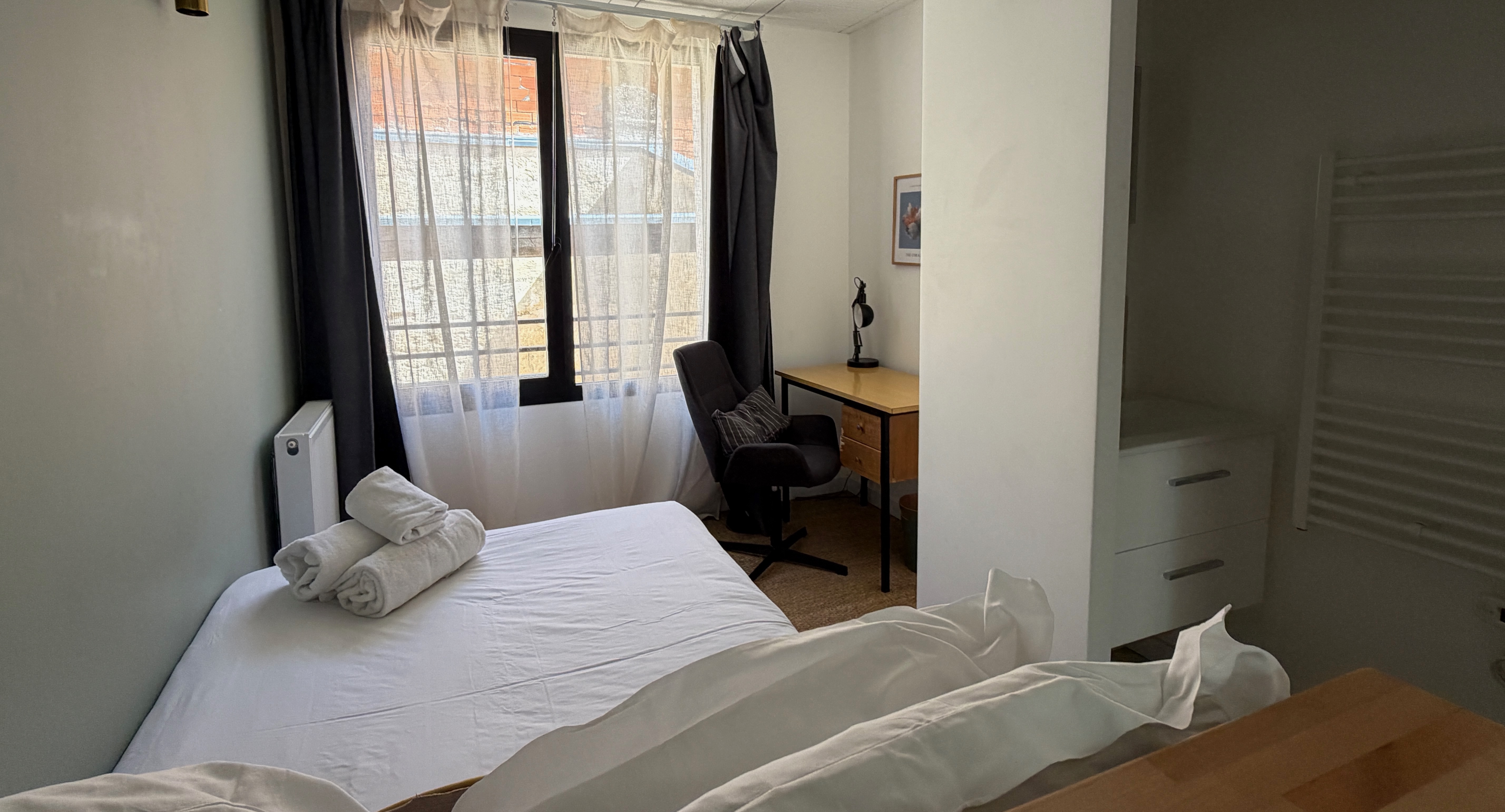
Operating on a hybrid model that merges elements of boutique hospitality with professional office space, Outsite properties center primarily on the rental of private bedrooms. While the majority of rooms feature en-suite bathrooms, certain budget-oriented alternatives provide shared bathroom facilities utilized by a limited number of guests.
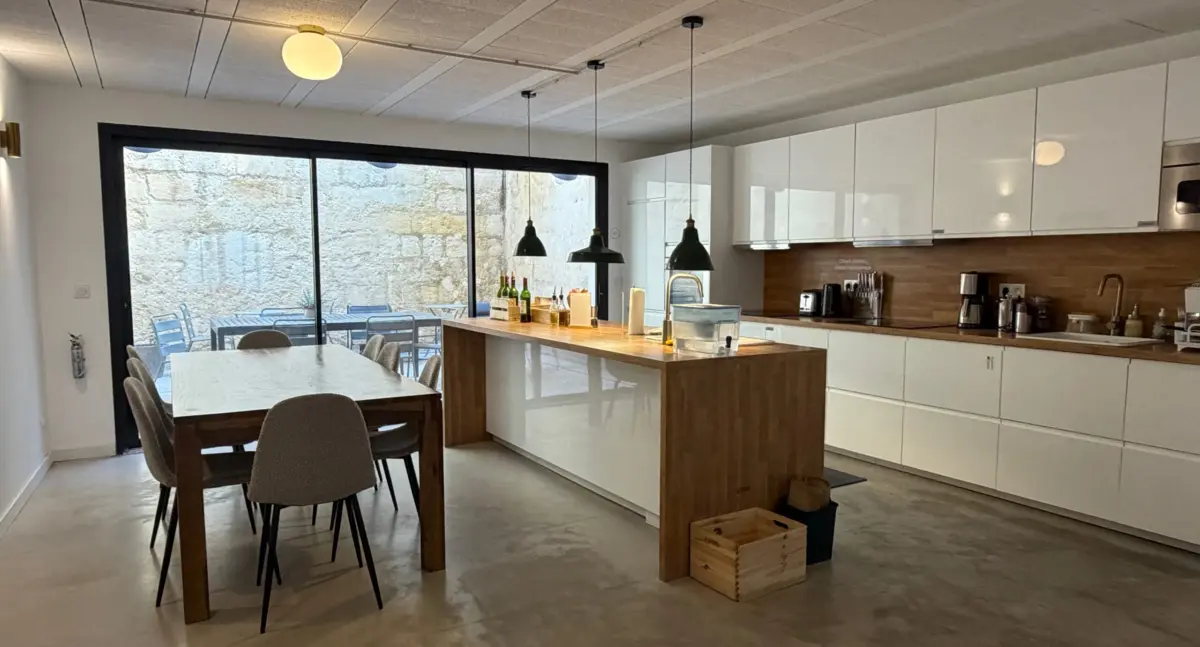
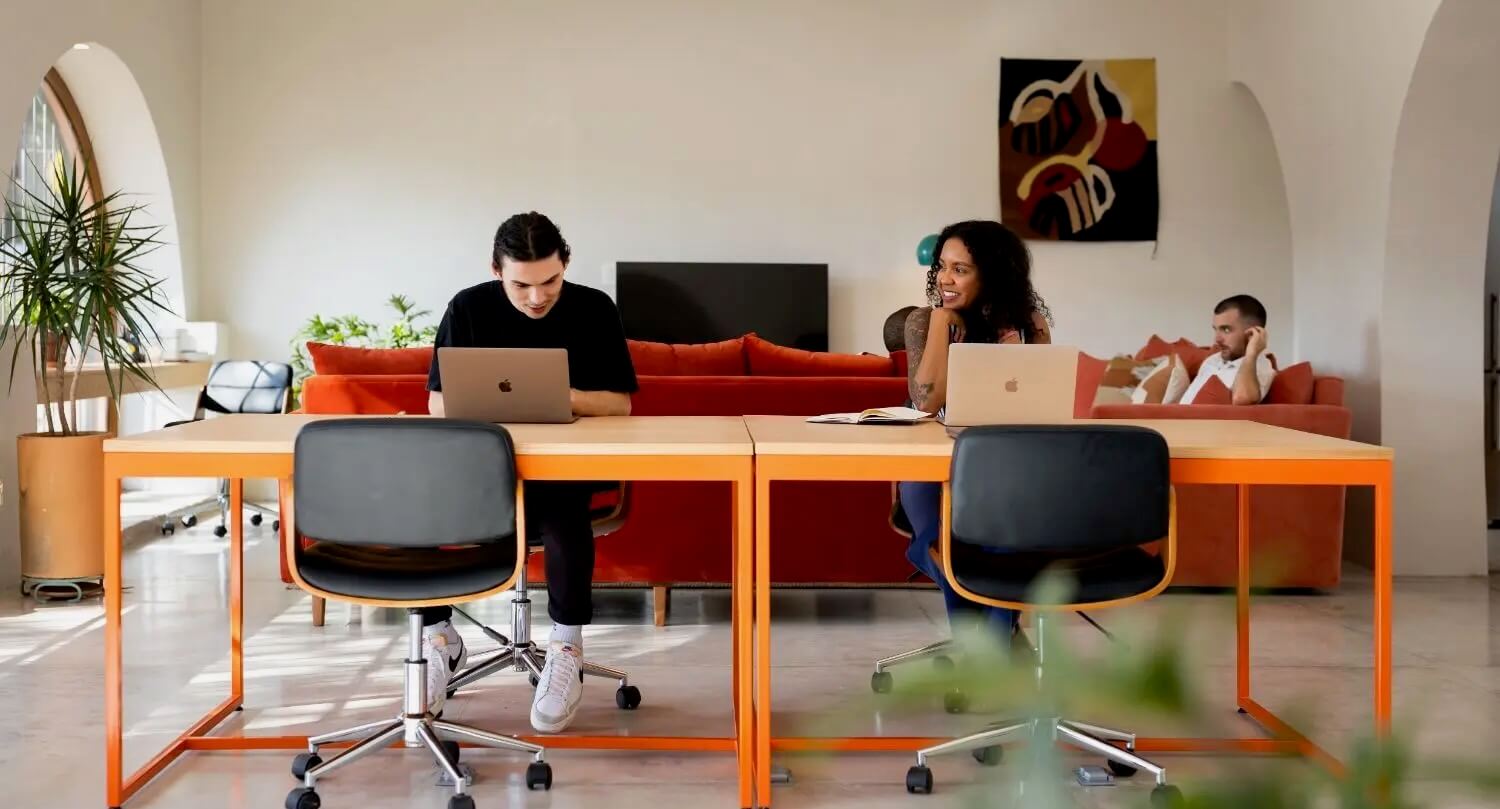
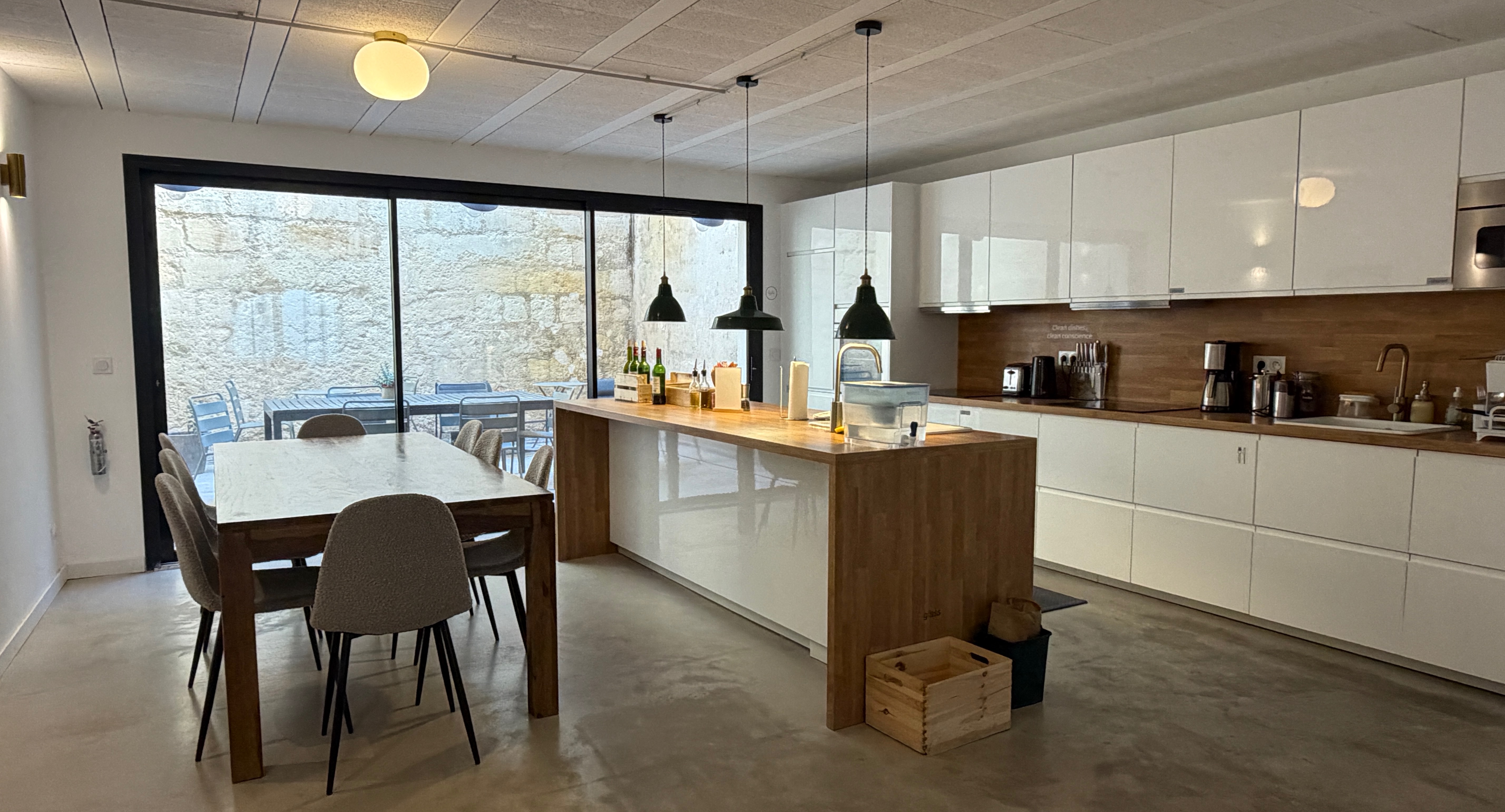
Common areas across the network are designed to offer expansive communal spaces, featuring fully equipped kitchens intended for shared culinary preparation, spacious living areas, outdoor patios, and, depending on the specific property, rooftop terraces or swimming facilities. Dedicated workspaces are integrated directly into each residential house, outfitted with ergonomic seating, ample electrical outlets, secondary monitors, and enterprise-grade internet connectivity designed to support heavy professional demands.
To foster a cohesive environment, each location is assigned a community manager. Prior to arrival, guests are integrated into localized communication channels, such as messaging groups, while managers coordinate regular social activities including communal dinners, weekend excursions, neighborhood outings, and wellness sessions. These managers also serve as localized resources for recommendations, regional navigation, and logistical support during a guest’s stay.
Experience and Operational Observations
Evaluations of properties within the network, including recent stays at the Bordeaux location, highlight modern interior design, functional workspaces, laundry amenities, and fitness facilities. Private rooms generally feature dedicated desks, comfortable bedding, and updated bathroom fixtures, while shared kitchens benefit from regular maintenance and professional cleaning services, alongside complimentary provisions of coffee and tea.
Architectural and interior design choices across the properties emphasize natural light, indoor greenery, and regionally sourced art, moving away from the standardized aesthetic typical of traditional corporate hotels. However, industry observers note that the primary value proposition for many professionals centers on the social dynamics rather than purely physical amenities.
Because traditional remote work setups in hotels or public cafes often present barriers to meaningful interaction, shared coliving environments place individuals among peers facing similar professional circumstances. Guests typically commit to stays lasting two weeks or longer, creating a shared routine of professional labor paired with coordinated leisure activities organized through the property’s management structure.
Considerations for Prospective Travelers
Despite the operational advantages offered by dedicated coliving networks, certain practical considerations remain for prospective guests. The pricing structure positions these spaces above traditional budget accommodations, meaning travelers accustomed to low-cost dormitory settings will encounter higher financial outlays. Guests are essentially paying a premium for private rooms, guaranteed workspaces, and curated community structures, though comparative analyses suggest costs often align favorably when factoring in the combined expenses of separate short-term rentals and monthly coworking memberships.
Additionally, high-demand properties in popular urban centers or seasonal destinations frequently experience rapid booking velocity, requiring travelers to secure reservations months in advance rather than relying on spontaneous travel arrangements.
Frequently Asked Questions
Membership is not a strict prerequisite for booking accommodations, as non-members are permitted to reserve stays. However, frequent travelers often find that the annual membership fee is offset by reduced nightly rates over extended periods.
While there is no formal upper age limit for guests, the demographic primarily consists of working professionals in their late twenties, thirties, and forties, establishing an atmosphere distinct from traditional youth hostels. Minimum stay requirements generally begin at two nights to accommodate weekend travelers, though specific properties located in regions with stringent municipal housing regulations may enforce extended minimum stay policies, such as thirty-day requirements.
Regarding pet policies, communal living arrangements and shared kitchen spaces generally preclude the allowance of pets across the network to maintain consistent standards for all occupants and mitigate potential allergy concerns.
Ultimately, the proliferation of specialized coliving networks reflects an ongoing evolution in how remote professionals navigate the intersection of career maintenance and global mobility, offering structured environments designed to sustain both professional productivity and social connectivity on the road.