
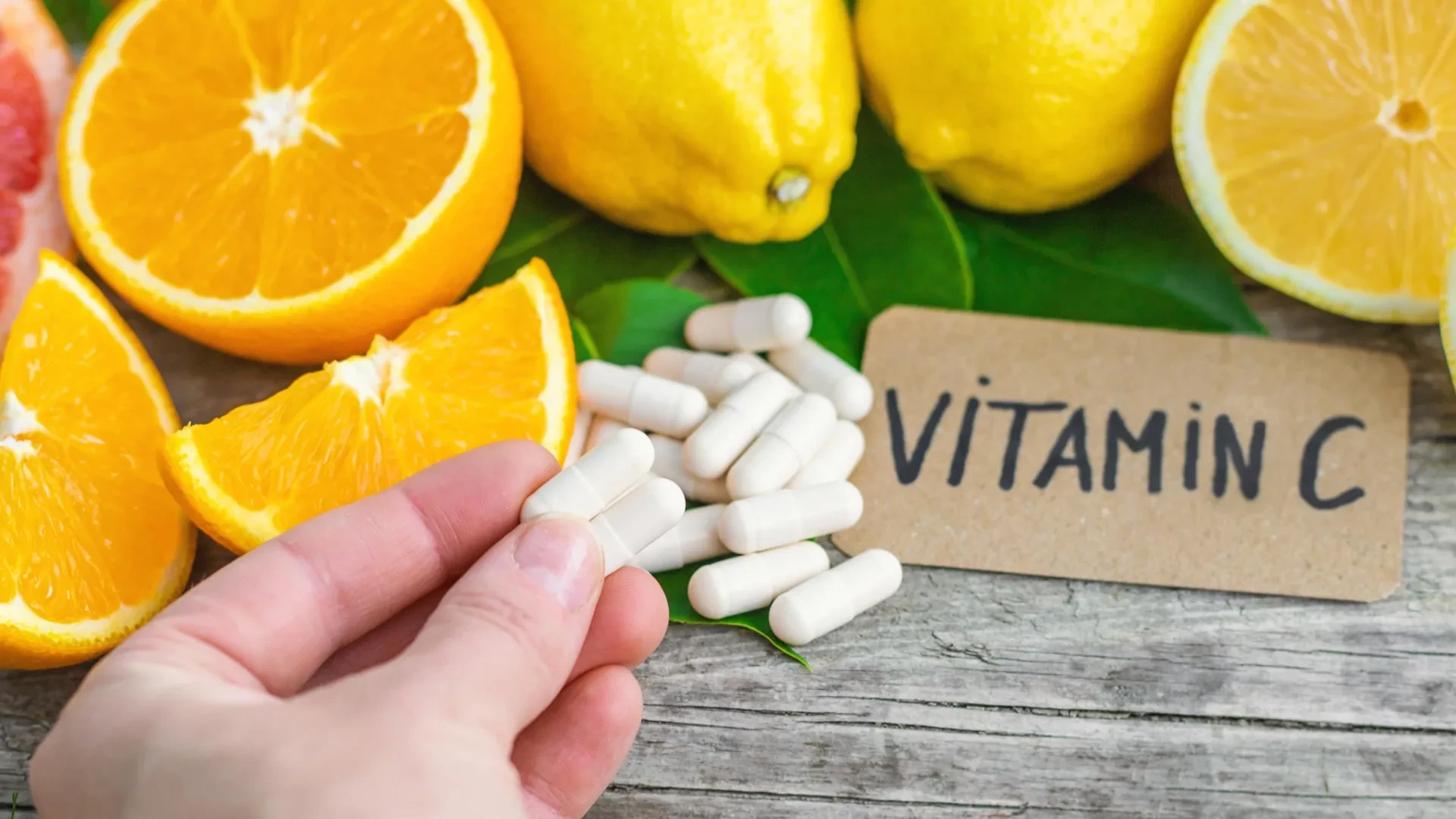
Vitamin C may play a far more significant role in human health than simply supporting everyday immunity and wellness. Groundbreaking new research conducted by scientists at the University of Waterloo suggests that the popular vitamin could actively help prevent potentially cancer-causing chemicals from forming inside the human digestive tract. Using advanced mathematical modeling to simulate complex internal environments, the research team investigated precisely how vitamin C influences chemical reactions within the digestive system that have long been linked by scientists to an elevated risk of cancer.
Over the past several decades, human exposure to nitrates and nitrites has experienced a steady increase across North American diets. These chemical compounds are naturally present and intentionally added in various food items, most notably found in popular cured and processed meats such as bacon, hot dogs, and salami. Beyond processed meats, nitrates and nitrites are also widely present in fruits and vegetables that are grown in soil or irrigated with water affected by modern environmental pollution.
While these compounds are not entirely detrimental and actually contribute to several important biological functions—including supporting proper brain activity and maintaining cardiovascular health—they do not remain inert once ingested. Once they reach the highly acidic environment of the stomach, nitrates and nitrites can actively participate in potentially harmful chemical reactions.
One of the most concerning of these biological processes is a reaction known as nitrosation. During nitrosation, nitrites can combine with other chemical building blocks in the stomach to produce secondary substances that researchers strongly suspect may contribute to the development of cancer over time. Understanding the exact triggers that cause these potentially hazardous chemicals to form, as well as identifying reliable agents that might prevent their formation altogether, has proven to be a persistent and longstanding challenge for toxicologists, nutritionists, and cancer researchers alike.
Why Vitamin C Could Change the Cancer Risk Equation
For generations, the scientific community has grappled with epidemiological data that often seemed contradictory regarding the relationship between diet, specific chemical compounds, and cancer outcomes.
"Since at least the 90s, researchers have been studying the link between cancer and these compounds, with conflicting results," explained Dr. Gordon McNicol, a post-doctoral researcher in applied mathematics and the first author of the newly published study. "Our work suggests that the presence of dietary Vitamin C may help explain these inconsistencies."
To investigate this complex physiological possibility without relying solely on traditional, limited observational studies, the researchers took an innovative computational approach. They developed a sophisticated mathematical model designed to simulate the intricate journey of nitrates and nitrites as they travel through the human body, undergoing various chemical transformations along the way. To ensure the simulation accurately reflected human biology, the model incorporated several interconnected bodily systems, including the salivary glands, the stomach, the small intestine, and plasma, which is the liquid portion of human blood.
The results of these detailed mathematical simulations revealed a compelling dynamic. When vitamin C is consumed alongside nitrates and nitrites, it appears to actively interfere with the chemical pathways that lead to the formation of potentially harmful compounds. This critical discovery could help clarify a long-standing dietary paradox: why certain foods containing natural nitrates do not necessarily carry the same health risks as processed meats.
Consider, for instance, leafy green vegetables such as spinach. These nutrient-dense foods naturally contain significant amounts of both nitrates and vitamin C simultaneously. According to the university’s new mathematical model, the simultaneous presence of vitamin C right alongside the nitrates could effectively limit the specific chemical reactions that are typically associated with elevated cancer risk. This biochemical safeguard may help explain the well-documented protective health effects that have been suggested by numerous broad dietary and epidemiological research projects over the years.
Could Taking Vitamin C After Meals Help?
Building upon their initial findings regarding naturally occurring combinations in food, the research team expanded the scope of their inquiry to examine whether modern dietary habits could also benefit from targeted supplementation. Specifically, they explored whether taking vitamin C dietary supplements shortly after finishing a meal might offer similar protective benefits against harmful digestive chemistry.
The findings derived from their computational models suggest that taking a vitamin C supplement after each meal could moderately reduce the formation of nitrosation products associated with cancer risk. This potential protective effect could prove to be particularly relevant and beneficial when individuals consume foods that are high in pre-formed nitrates and nitrites, including popular processed meats like bacon, ham, and salami.
However, the researchers emphasize a vital distinction regarding the nature of their data. These findings originate from advanced mathematical simulations rather than direct clinical trials involving human subjects. While the computational model clearly predicts that vitamin C possesses the capability to reduce the production of potentially harmful chemicals within the simulated gastric environment, further empirical research is urgently needed. Scientists must now conduct rigorous clinical investigations to determine whether this biochemical reduction in the stomach successfully translates into a measurable, clinically significant reduction in cancer risk for actual human populations.
New Clues for Future Cancer Prevention Research
The members of the research team believe that their newly developed mathematical model will serve as a powerful tool, helping scientists around the world to better understand the extraordinarily complicated relationship between daily diet, internal digestive chemistry, and long-term cancer risk. Furthermore, the model is expected to provide invaluable strategic guidance for future laboratory experiments, illuminating precisely how various nutritional choices influence the creation of potentially hazardous chemical byproducts during the digestive process.
"This work provides a mechanistic roadmap for future clinical and laboratory studies by identifying the key interacting drivers of these potentially harmful chemical reactions, including nitrite exposure, antioxidant intake, meal timing, gastric conditions and oral microbiome activity," stated Dr. Anita Layton, a professor of applied mathematics and Canada 150 research chair at the University of Waterloo. "This model can help researchers design more targeted experiments and interventions, focusing on when and in whom nitrosation is most likely to occur."
By successfully identifying how multiple distinct factors—such as an individual’s vitamin C intake levels, the exact timing of their meals, the fluctuating conditions within the stomach, and the active bacterial populations residing in the oral microbiome—interact with one another, the model offers a clear path forward. It holds the potential to assist researchers in developing vastly more precise strategies for studying, and eventually mitigating, cancer-related chemical reactions that take place unseen during normal human digestion.
The comprehensive study, titled "Vitamin C as a nitrosation inhibitor: A modelling study across dietary patterns and water quality," has been officially published and made available to the scientific community in the Journal of Theoretical Biology.