

The morning after a historic night at the polls, communities across the country woke up to a vastly altered political landscape following a stunning blue sweep in the midterm elections. Responding to reader messages celebrating the outcome, political commentators and everyday citizens alike found themselves reflecting on an unprecedented night of electoral shifts. What began as an engaged dialogue among readers of community platforms quickly mirrored a broader national sentiment: a profound sense of momentum following an election cycle that fundamentally reshaped the balance of power in Washington and state capitals nationwide.
When the final tallies were confirmed, Democrats had secured definitive control of both the House of Representatives and the Senate, defying conventional midterm expectations and upending political forecasts. Analysts searching for descriptors to capture the magnitude of the results turned to sweeping metaphors. As political analyst Niall Stanage aptly characterized the outcome in The Hill, "This was a Democratic tsunami."
The ripple effects of the vote extended far beyond Capitol Hill, delivering monumental gubernatorial and senatorial victories in historically competitive or reliably conservative states. In a series of stunning upsets, Democrats successfully flipped key governorships in Texas, Georgia, Nevada, Ohio, and Iowa, signaling a major realignment in state-level executive offices.
Simultaneously, the party picked up seven crucial Senate seats across an expansive geographic map, scoring decisive victories in Texas, Iowa, Kansas, Ohio, Maine, North Carolina, and South Carolina. Among these triumphs, the victory of Adam Hamilton in Kansas carried particular historical weight, marking the first time in nearly a century that the state elected a Democratic senator, a milestone that underscored the depth and reach of the electoral wave.
Beyond the raw numbers and shifts in party control, the election cycle delivered a series of historic milestones, shattering long-standing glass ceilings and bringing unprecedented diversity to the highest levels of American government. A new generation of leaders broke barriers across the nation, setting records for representation at both the state and federal levels.

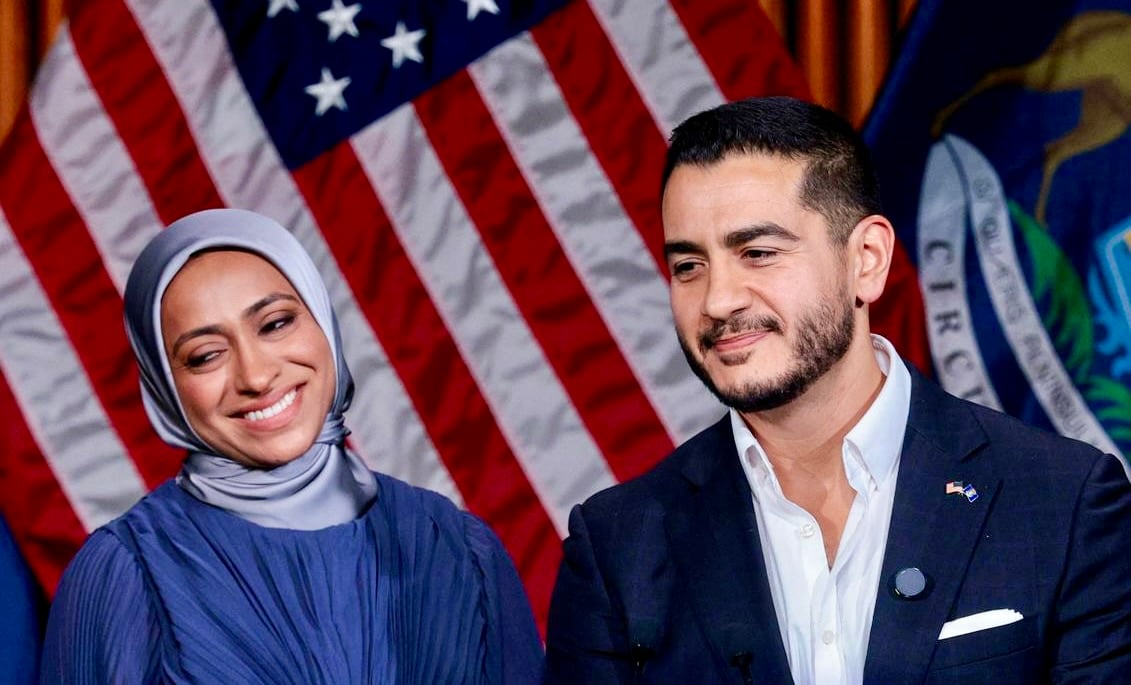
In Michigan, Abdul El-Sayed secured a landmark victory, poised to become the nation’s first Muslim senator. In New Mexico, Deb Haaland made history by winning election as the nation’s first Native American woman governor. Meanwhile, in Minnesota, Peggy Flanagan achieved another major milestone for Indigenous representation by becoming the first Native American woman elected to the United States Senate.
In Georgia, Keisha Lance Bottoms achieved a historic breakthrough by winning the governorship, making her the nation’s first Black woman to hold the office. In New Hampshire, Chris Pappas secured a historic victory to become the nation’s first openly gay man elected to the United States Senate. These milestone victories captured the attention of voters nationwide, transforming the composition of the legislature and executive branch to better reflect the diverse fabric of the country.
As social media feeds filled with celebratory video reels, community messages, and expressions of solidarity, the mood among supporters remained buoyant. The convergence of legislative majorities, gubernatorial pickups, and historic firsts marked a transformative chapter in contemporary politics, ensuring that the effects of this monumental election cycle will shape governance for years to come.