
The foundational principles of the Financial Independence, Retire Early (FIRE) movement have faced a fresh wave of skepticism as a new generation of aspiring savers grapples with post-pandemic economic realities. Long-time financial independence commentators and advocates are being forced to address growing concerns that the blueprint for early retirement—heavily associated with high-earning tech careers and pre-2019 real estate prices—may no longer be accessible to everyday workers.

The discussion gained momentum following a critical reader comment left on a prominent personal finance platform. The reader argued that while traditional early retirement advice still holds some relevance, the modern economic landscape presents unprecedented hurdles for young people who do not already own a home and are not pulling down six-figure salaries. According to the critique, standard recommendations like "house hacking" or purchasing fixer-uppers have become increasingly complex or entirely out of reach due to soaring property values, high interest rates, and local municipal zoning restrictions that block the development of accessory dwelling units or multi-family conversions.
When evaluating these critiques, financial commentators often look to distinguish between genuine systemic obsolescence and common psychological hurdles like excuse-making or feelings of helplessness. Over the decades, the FIRE movement has encountered and adapted to numerous economic shifts, making current debates over inflation, housing supply, and wage stagnation just the latest in a long line of structural tests.
The critique centers largely on two primary pillars of modern financial strain: general salary distribution and the dramatic appreciation of residential real estate over the past four years. While high-earning professions such as software engineering and medicine continue to command substantial compensation, income disparity remains a persistent reality. However, financial experts maintain that high earning power alone does not guarantee financial independence. The existence of high-income professionals who experience ongoing financial stress well into their careers suggests that spending habits play a far more decisive role than income level. Without deliberate lifestyle efficiency, higher earnings often simply translate to higher consumption, leaving individuals with little to show for decades of labor. Consequently, the core tenets of early retirement continue to emphasize waste reduction and purposeful spending over mere income accumulation, a skill set that becomes increasingly critical further down the economic ladder.
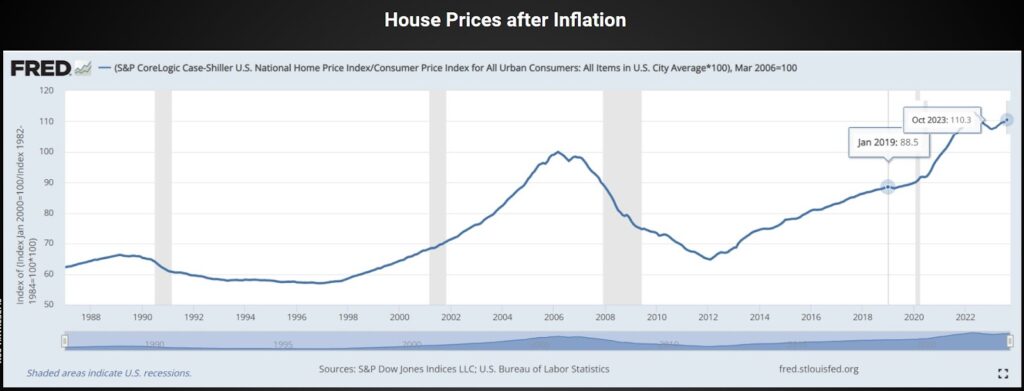
The second major concern—the state of the housing market—presents a more tangible obstacle for contemporary wealth-builders. Government economic data tracked by federal reserve banks indicates that nationwide housing prices have risen roughly 25 percent relative to average salaries and general inflation since the beginning of 2019. While this represents a notable increase, broader historical context reveals that prices remain only about 10 percent higher than the previous market peak recorded in early 2006, suggesting that while housing is certainly a significant financial blow, it is not an insurmountable barrier to long-term financial independence.
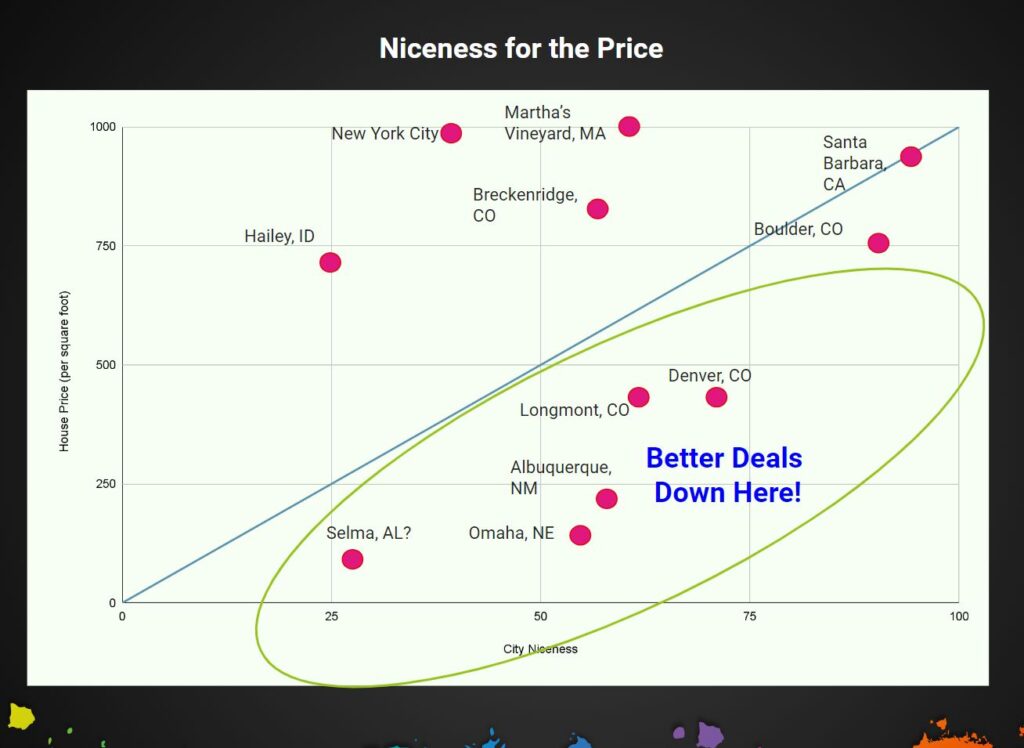
Nevertheless, national averages often mask severe localized spikes. In popular mid-sized markets, median home prices have doubled or tripled over the past decade, far outpacing local wage growth and pricing out prospective first-time buyers.
To navigate these pressurized markets, financial analysts suggest shedding the mindset of being a passive victim of broader macroeconomic forces and instead approaching housing as a consumer choice subject to geographic supply and demand. Just as living in an expensive metropolitan hub does not automatically entitle an individual to luxury goods, residing in a high-cost-of-living area does not guarantee the ability to purchase local real estate. Evaluating housing options requires a careful analysis of renting versus buying, as well as a willingness to look beyond familiar geographic boundaries.
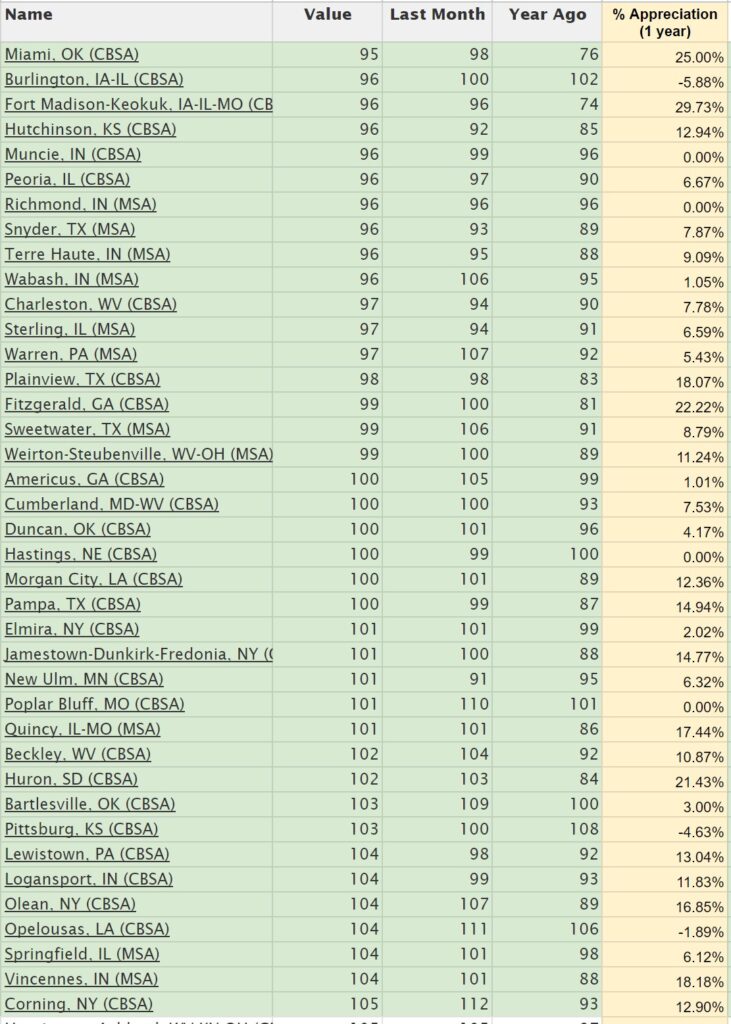
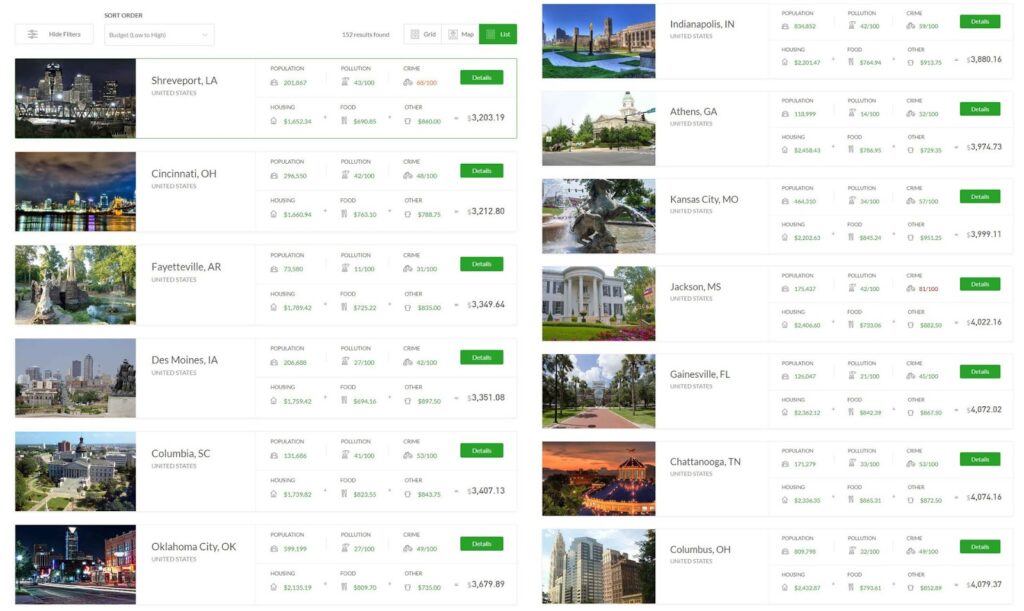
While emotional and familial ties to a hometown or region are strong, reluctance to relocate often creates an irrational distribution of housing costs nationwide, where some areas command exorbitant prices while others remain remarkably affordable. Comparative regional data highlights wide disparities in price-per-square-foot metrics across metropolitan areas. For instance, while certain mountain West regions have seen housing costs skyrocket, other mid-sized metro areas across the United States maintain average housing costs closer to historical norms, offering comparable amenities and natural recreation at a fraction of the price.
Digital housing and lifestyle cost calculators have further simplified the process of cross-referencing regional expenses. By examining variables such as monthly budgets, desired square footage, regional climate preferences, and local population sizes, prospective retirees can identify alternative cities and towns that align with their financial goals without sacrificing quality of life. This broader perspective underscores the reality that the physical environment—including access to nature, community culture, and climate—plays a far more critical role in personal well-being than the local cost of living alone.
For those willing to cast an even wider net, international relocation presents another viable avenue for accelerating financial independence. Exploring regions in South America or other international destinations reveals dramatically lower costs of living and housing expenses, allowing savers to bypass the inflated prices of domestic urban centers entirely. While moving internationally introduces administrative hurdles such as navigating foreign immigration laws, securing new identification documents, and adjusting to unfamiliar cultural traditions, advocates argue that these challenges are largely routine logistical puzzles rather than insurmountable barriers.
Ultimately, the debate over the modern viability of the FIRE movement highlights a fundamental truth about wealth-building and lifestyle design: housing and location are active choices. Whether that means optimizing living arrangements within an existing city, relocating to a more affordable domestic market, or seeking opportunities abroad, navigating today’s economic climate successfully requires deliberate research, flexibility, and a willingness to challenge conventional assumptions about where and how to live.