
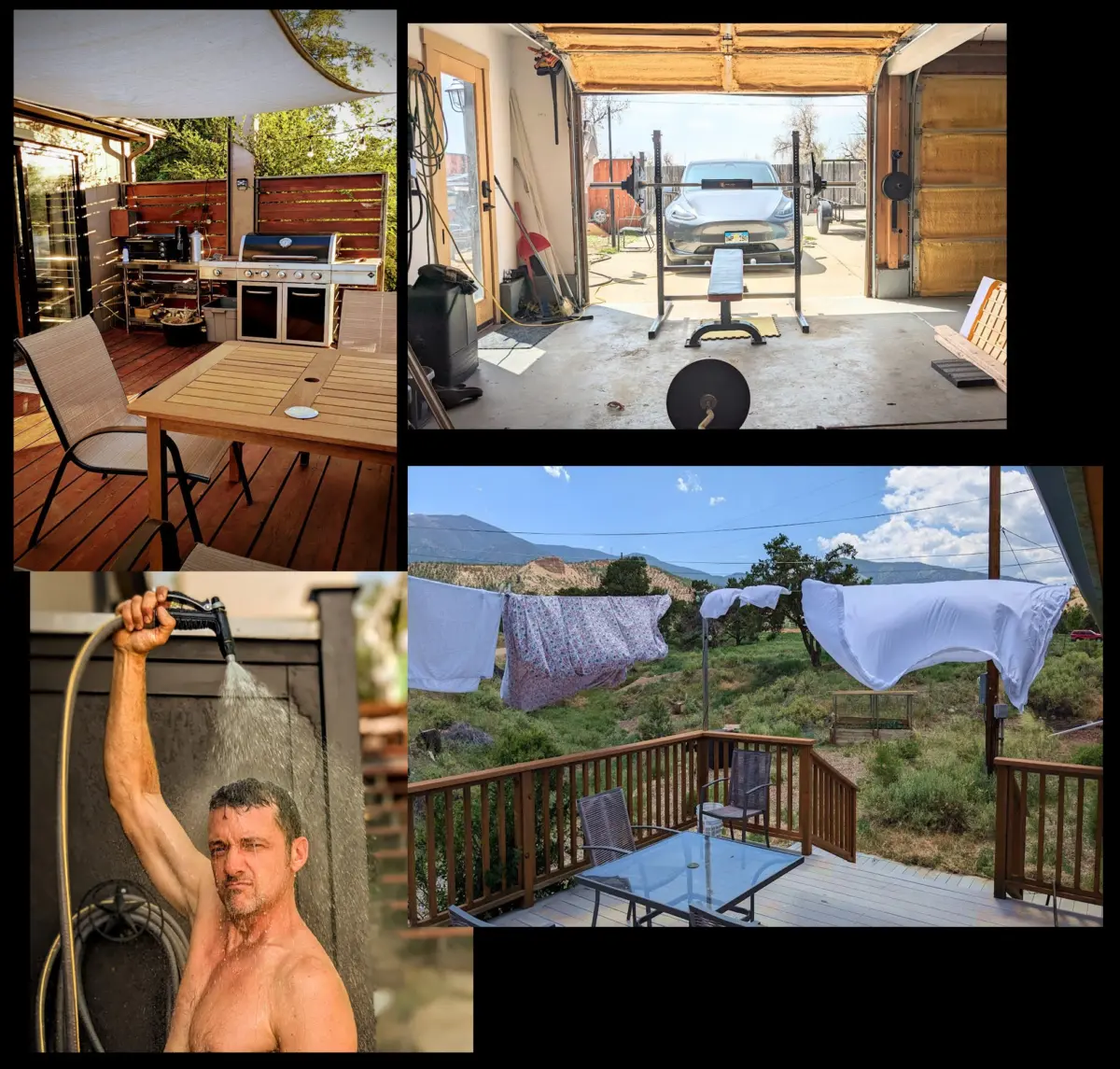
For years, followers of the popular personal finance blog Mr. Money Mustache have tracked the journey of its creator, who famously retired in his early thirties by embracing extreme frugality, bicycling, and do-it-yourself home maintenance. However, as the years have passed and his net worth has continued to climb alongside his online platform, a familiar refrain has begun to surface among critics and former readers alike. Skeptics frequently claim that the financial guru has grown too wealthy and fancy to understand the common person’s daily plight, suggesting that he likely abandoned his signature money-saving habits long ago.
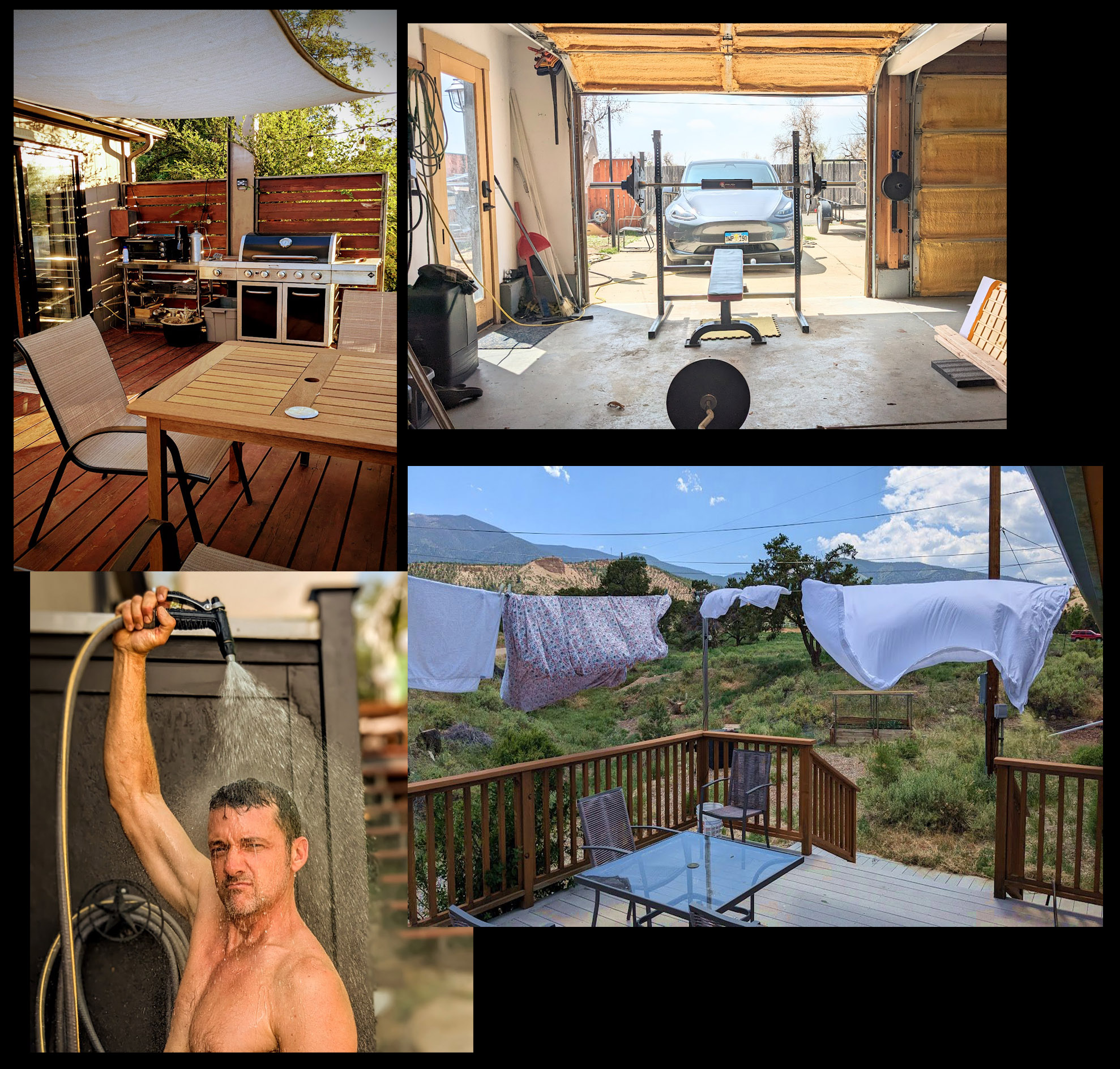
Yet, looking past the online commentary reveals a different reality. Far from shedding his foundational lifestyle principles, the architect of the "Mustachian" movement maintains that his day-to-day routine remains largely unchanged. The reason for this consistency is straightforward: rather than viewing his lifestyle as a series of grim sacrifices endured to reach a specific savings rate, he argues that he was simply trying to live an enjoyable, efficient life in the first place.
The philosophy highlights a fundamental divide between standard financial advice and Mustachianism. Traditional financial planning often encourages individuals to slash spending and tolerate sacrifices until they hit an arbitrary savings milestone, after which personal choices no longer matter. Under that standard framework, earning a higher income simply means an individual can afford to spend more without having to sacrifice as much, pointing toward a future of high-spending retirement.

In contrast, the Mustachian approach focuses on cultivating a deep-seated love for efficiency, creativity, self-awareness, and continuous self-improvement. Adherents use this knowledge to enhance their quality of life across the board, finding that their monthly expenses naturally drop over time as a byproduct of living more resourcefully. When critics imagine that accumulated wealth must inevitably lead to a lifestyle of convenience and outsourcing, they misunderstand the core mechanics of a philosophy designed to be permanently sustainable and inherently satisfying.
To demonstrate how these principles function in a modern context, real-world examples from daily life illustrate habits that happen to bring personal joy while generating substantial financial savings. Utilizing the financial "rule of 172"—which calculates that a monthly expense multiplied by 172 estimates how much that sum will compound into over a decade when invested—these everyday choices reveal a staggering long-term economic impact.
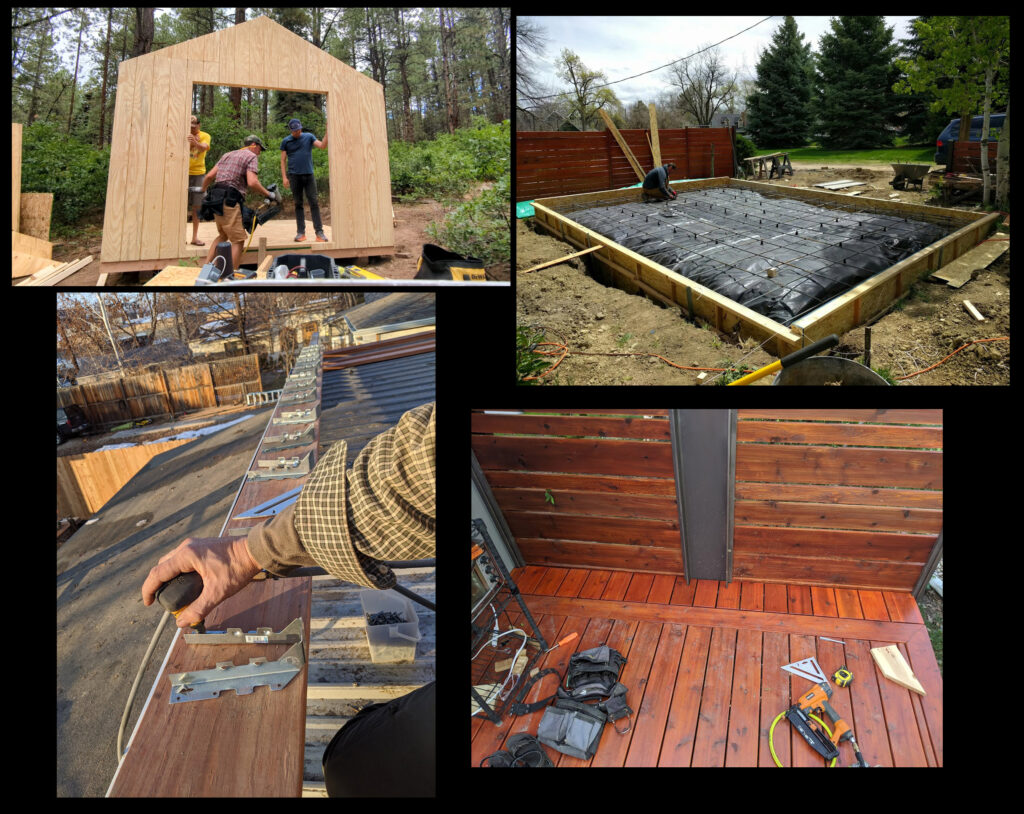
The first major pillar of this lifestyle is a commitment to self-sufficiency, particularly when it comes to housing. For those who view a home not just as a financial asset but as a canvas for creativity, managing property repairs and renovations independently offers a dual benefit. Instead of depending entirely on outside contractors and external services over which homeowners have little control, becoming a producer of the things one most enjoys consuming transforms living spaces into functional works of art. Redesigning old buildings, tackling construction projects, and teaching friends to do the same builds practical competence while eliminating steep labor costs. This hands-on approach to home maintenance saves an estimated twenty thousand dollars per year, compounding to roughly two hundred eighty-seven thousand dollars per decade.
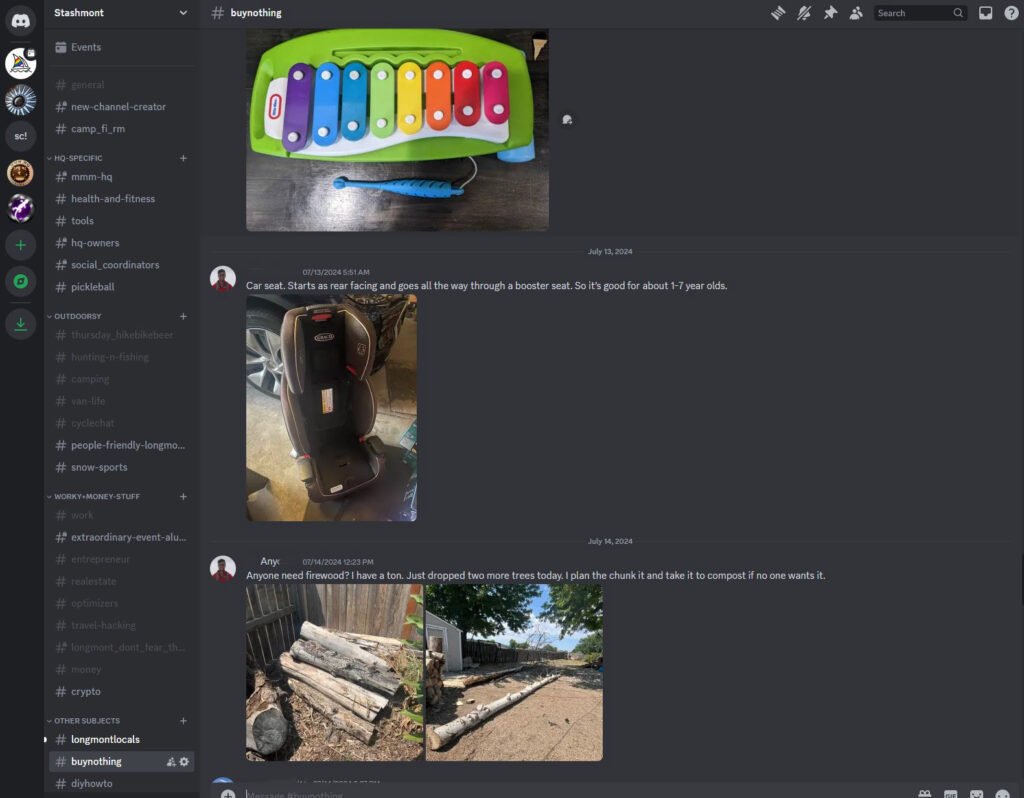
Beyond home improvement, the pursuit of community and resource sharing offers an alternative to the modern impulse of purchasing brand-new goods for immediate home delivery. Platforms like Craigslist, Facebook Marketplace, and hyper-local neighborhood groups allow individuals to acquire high-quality items from people who no longer need them. Within private digital communities, such as local Discord servers dedicated to neighborhood projects, members routinely trade tools, collaborate on do-it-yourself instructions, and give away valuable items. This habit of reuse and local commerce creates meaningful social connections while effortlessly cutting down on unnecessary retail consumption, yielding savings that accumulate to approximately forty-two thousand dollars per decade.
Transportation choices remain another cornerstone of this lifestyle philosophy. While automobiles remain a pervasive fixture of modern life, relying primarily on bicycles and walking for local trips fundamentally alters both personal finances and daily well-being. Operating a car involves substantial depreciation, maintenance, and fuel costs, whereas active transportation largely circumvents these expenses. Living centrally within a small city allows for routine bicycle commuting that covers a couple of thousand miles annually, translating into a savings of roughly fourteen thousand dollars per decade in direct vehicle costs.
Crucially, choosing muscle over motor extends far beyond financial ledgers by directly impacting physical and mental health. Opting to take stairs instead of elevators, walking golf courses rather than riding in carts, moving furniture independently, and shoveling snow by hand are deliberate choices that ask a simple question: does one want more health and fitness, or less? Embracing physical exertion as a default setting leverages the biological reality of the human body, where physical capacity is maintained through regular use. By avoiding the steep medical expenditures and chronic illnesses associated with sedentary living, these habits preserve vitality while contributing an estimated one hundred forty thousand dollars per decade in indirect health and wellness benefits.

Energy efficiency inside the home provides yet another avenue where engineering curiosity meets practical thrift. By viewing a residence as a laboratory for passive solar heating, natural ventilation, and seasonal adaptation, homeowners can drastically reduce utility consumption. Modifications such as installing strategic windows to capture winter sunbeams or running a home with the resourcefulness of a glamping retreat turn utility management into a creative game. Although average regional energy bills often run high, optimized usage can reduce monthly utility expenses significantly. While this hands-on approach might look like labor to outsiders, the enjoyment derived from living within an energy-efficient environment makes the process its own reward, saving roughly thirty thousand dollars per decade.
Finally, the rhythm of daily life can be profoundly altered by prioritizing local living over constant, expensive travel. In an era where summer schedules are frequently dominated by elaborate, distant vacations and constant transit, deliberately choosing to stay home more often fosters deeper community ties and a greater appreciation for one’s immediate surroundings. Saying no to travel plans that drain financial resources and create logistical stress—and saying yes to backyard gatherings, local recreation, and neighborhood friendships—transforms home life into a daily retreat. Replacing just a couple of weeks of expensive family travel with equivalent time spent locally saves substantial direct expenses while delivering compounding social and health benefits, totaling roughly one hundred forty-three thousand dollars per decade in preserved wealth.

When these various practices are tallied together, the cumulative financial impact reaches over six hundred fifty-six thousand dollars every decade. This figure easily surpasses the median wealth accumulated by the average senior citizen after a lifetime of traditional career labor. More importantly, these accumulated savings are not the result of agonizing austerity or joyless deprivation. They flow naturally from a lifestyle rooted in self-reliance, physical activity, community engagement, and creative problem-solving.
For those who view personal finance solely through the lens of strict budgeting and short-term sacrifice, the idea that a wealthy individual would continue chopping wood, fixing drywall, riding bicycles, and trading secondhand goods can seem paradoxical. Yet the longevity of the movement suggests that when frugality is reframed as an exercise in personal capability and environmental efficiency, it stops feeling like a chore and starts feeling like a better way to live.