
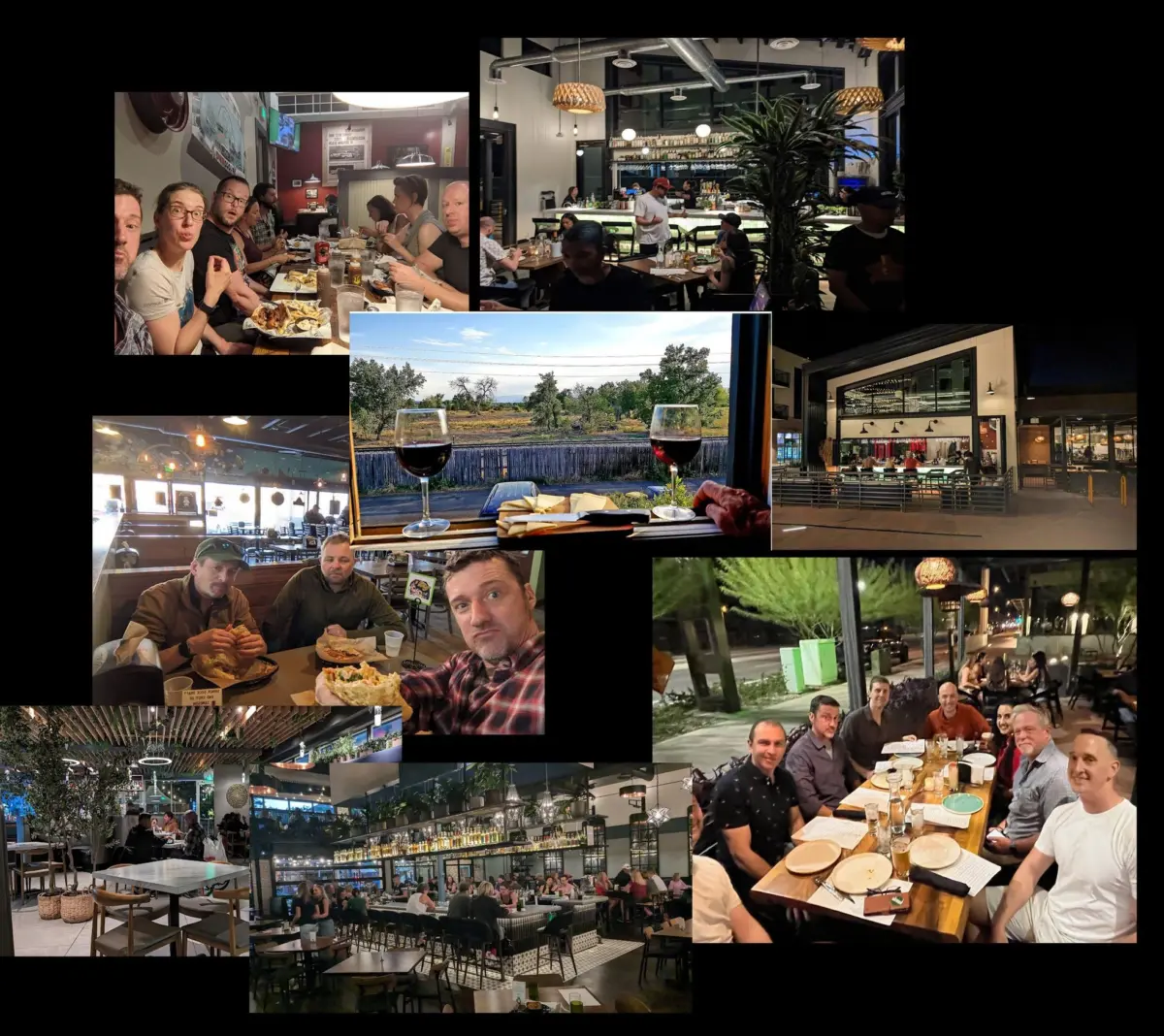
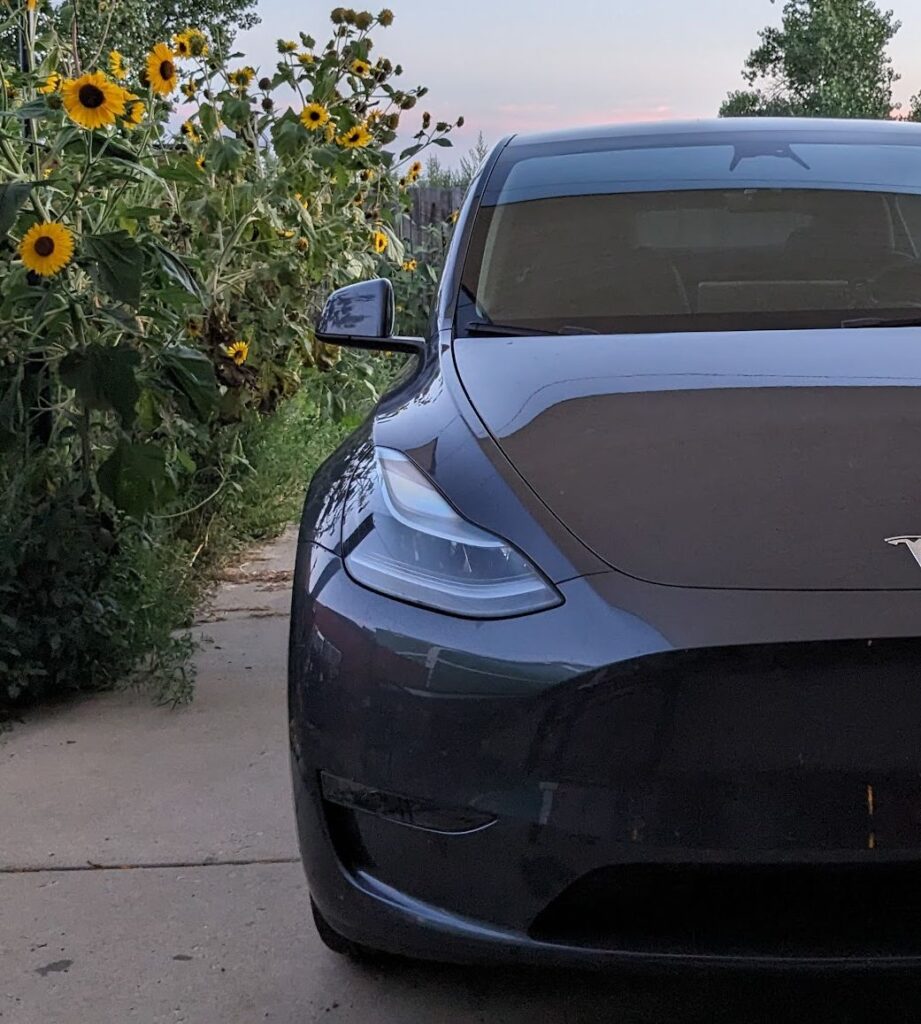
Nearly two years after sparking a wave of debate among his devoted followers by purchasing a brand-new Tesla Model-Y in an effort to intentionally spend more money, the prominent early retirement advocate known as Mr. Money Mustache has finally tallied the financial damage. To the surprise of almost no one who understands the mechanics of compound interest and ingrained frugal habits, the results reveal that even a concerted effort to live large barely moves the needle for a seasoned minimalist.
Reflecting on the lifestyle shift that began a couple of years ago, the blogger noted the initial irony of his actions. At the time, the decision to loosen the purse strings felt like a dramatic, almost theatrical departure from decades of disciplined frugality. Looking back at the mindset of adopting an abundance approach to life, he recalled the internal narrative of a middle-aged veteran of early retirement effortlessly adjusting habits and realigning for the next several decades of comfortable living.
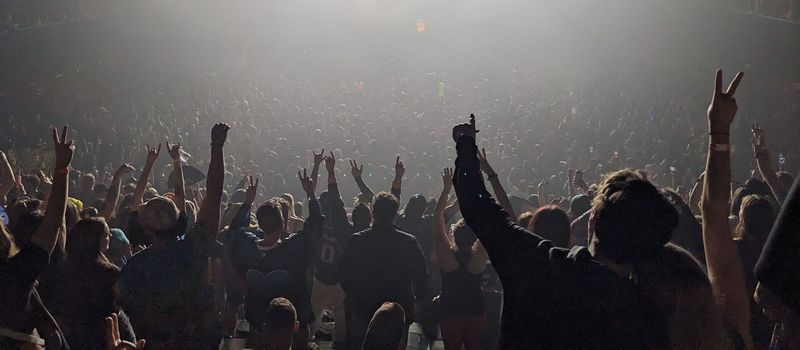
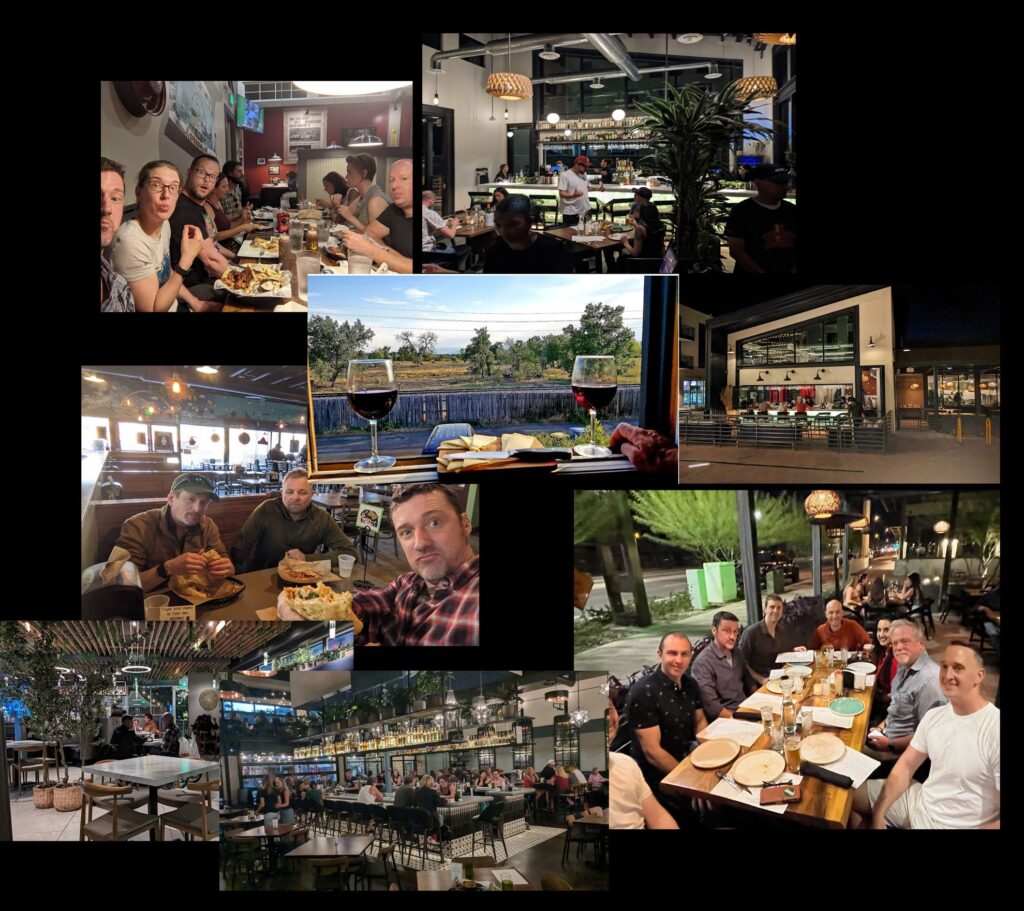
What followed was a two-year period defined by a greater sense of financial freedom. Travel itineraries expanded, and money was spent freely in ways typically associated with traditional wealth. Dining out shifted toward stylish restaurants, and hotel bookings prioritized comfort and amenities over rock-bottom prices. Air travel no longer meant enduring the most cramped conditions, as he routinely opted for upgraded seats with a bit more legroom. Grocery shopping habits similarly evolved, dropping the strict adherence to bargain hunting in favor of convenience, occasionally browsing upscale markets alongside wholesale clubs.
The lifestyle changes also extended to entertainment and leisure. Alongside his young adult son, he traversed a varied selection of late-night electronic dance music concerts and visited multiple Meowwolf immersive art installations, including an impulsive Christmas Day road trip from a winter home in Tempe, Arizona, to Las Vegas. Operating largely with a flexible schedule, spontaneous meetups with friends and travel opportunities characterized what felt like an expansive, fast-moving chapter of personal transition.
With all of this visible spending accumulating across various categories, the assumption was that the annual budget must have crept steadily back into standard consumer territory. Yet, because the day-to-day experience felt so enjoyable, tracking the exact figures took a backseat to simply living in the moment. The reality check only arrived recently during an informal coaching session with a friend, when the two decided to aggregate their spending data for the preceding twelve months to compare notes.
Upon sorting the transactions into a comprehensive spreadsheet and calculating the grand total, the final sum brought genuine surprise. While overall expenditures had indeed increased—particularly within travel-related categories—the macroeconomic impact on his personal finances remained remarkably modest. Accounting for variables such as vehicle expenses and business-related outlays, total annual spending hovered around $30,000, up from a baseline of roughly $20,000, not including the fundamental baseline subsidy of a fully paid-off home.
This level of expenditure remains comfortably sustainable under traditional financial planning guidelines, easily supported by a standard $1 million investment portfolio. Given that his actual investment holdings sit significantly higher due to years of favorable market performance and economic growth, he remains safely below any dangerous spending thresholds. Although the experiment technically failed to reach the higher spending targets originally envisioned for affluent retirees, the outcome provided a net positive: the abundance mindset yielded a higher quality of daily enjoyment while leaving plenty of room for future financial experimentation.
A detailed breakdown of the annual ledger illustrates exactly where the funds were allocated. Out of a total expenditure of $30,026.76, grocery costs accounted for $5,960.39, supporting himself, his son roughly half the time, and occasional guests. Restaurant spending totaled $2,243.59, reserved strictly for social experiences rather than basic sustenance. Travel expenses reached $6,158.77, a category encompassing business trips to events such as Camp Fi and other industry gatherings. Utilities accounted for $1,909.51, while property taxes stood at a reasonable $2,577.30, reflecting local real estate valuations in the $500,000 to $600,000 range.
Automobile expenses, covering insurance and vehicle registration, totaled $2,425.21. Communications infrastructure required $1,410.56, covering high-speed internet and mobile phone service. Healthcare outlays came to $3,536.66, sustained through a combination of a direct primary care subscription and a health-sharing organization rather than traditional, high-premium insurance. Household and miscellaneous amazon purchases totaled $3,554.10, though roughly 75% of those business-coded transactions represented construction materials for friends that were later reimbursed via invoice. Finally, entertaining beverages accounted for $250.67.
Comparing these figures to historical spending data reveals a familiar pattern. Even in the wake of significant broader economic inflation, expenditures remain remarkably close to previous benchmarks. Increases in travel and entertainment were offset by reduced spending on home renovations, a byproduct of spending less time at home. Meanwhile, the inclusion of organized healthcare sharing introduced a structured medical cost that did not exist during earlier years of self-insurance.
A critical driver of this low-cost lifestyle remains the complete absence of a mortgage payment. Having eliminated housing debt years ago, and preferring to execute home maintenance, repairs, and improvements independently, traditional ongoing bills for property management, landscaping, and handyman services are virtually nonexistent. While financial purists might argue that securing a low-interest mortgage during peak borrowing periods and investing the principal in equities would have yielded higher net worth gains, the psychological peace of mind derived from owning a home outright carries an intrinsic value that defies spreadsheet optimization. Furthermore, eliminating standard homeowners insurance saves an estimated $2,000 annually, further enhancing the financial return of the initial property payoff.

On the healthcare front, reliance on good health and favorable outcomes has kept actual medical intervention minimal. By pairing a direct primary care membership costing roughly $107 per month with a high-deductible health-sharing plan priced at about $201 monthly, total medical overhead sits around $308 per month. This structure provides personalized, low-barrier primary care alongside catastrophic protection for major health events at a fraction of standard commercial insurance rates.
Evaluating the broader philosophy of resource management, the focus remains centered on utilizing financial capital as a tool for personal sustainability and self-actualization. Rather than mindlessly doubling down on areas of life that are already functioning exceptionally well—such as personal relationships, daily routines, and overall health—philosophical optimization often requires addressing persistent logistical friction points. For the retiree, the primary ongoing annoyance involves physical spatial constraints: managing space-intensive hobbies like carpentry and music within a modest 440-square-foot garage workshop. While expanding workshop space or acquiring a rural mountain retreat occasionally crosses the mind, the day-to-day schedule remains full of engaging projects, rendering additional property portfolios unnecessary for the foreseeable future.
As the new year begins, the focus remains firmly fixed on maintaining high engagement, managing active community spaces, and pursuing varied personal projects. Meanwhile, broader market conditions—such as potential shifts in electric vehicle tax credits—continue to draw attention to ongoing transportation experiments, keeping the door open for continued lifestyle adjustments as new opportunities arise.