
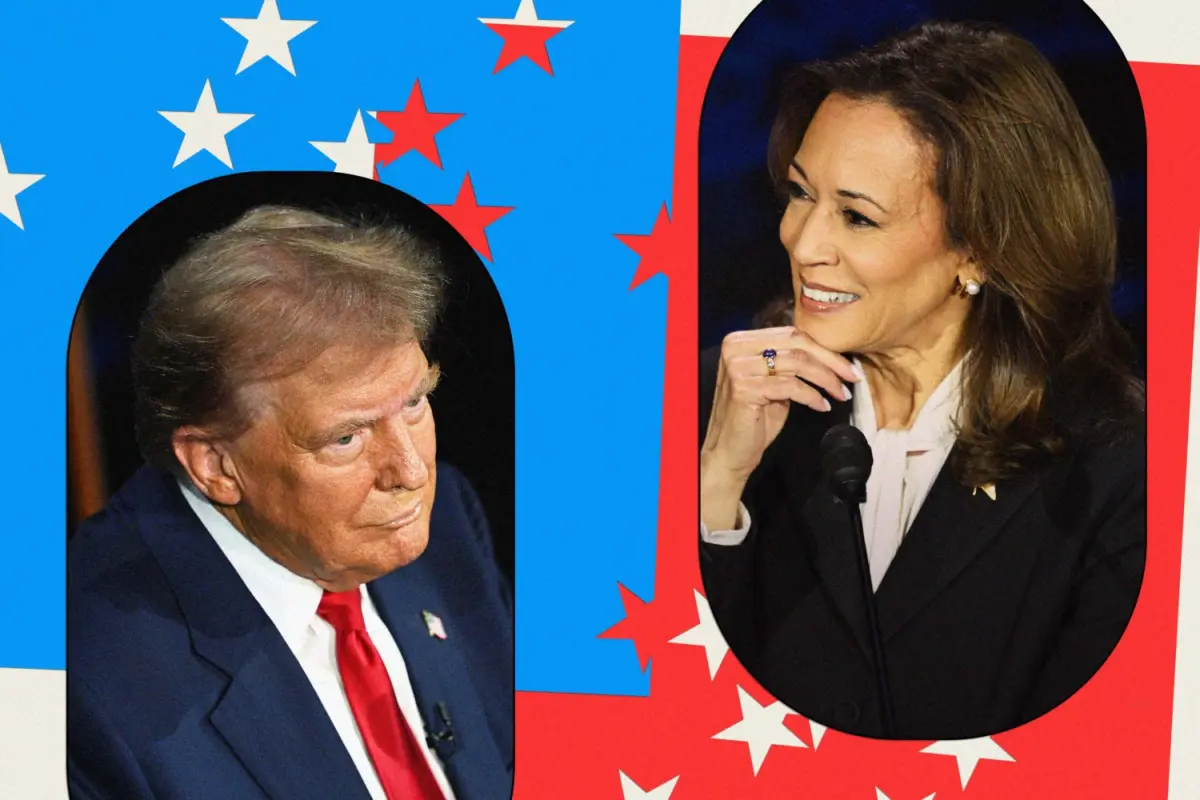
As the United States barrels into another high-stakes presidential election cycle, the airwaves and digital feeds are once again saturated with fierce partisan debates. For financially independent individuals and seasoned observers who focus on personal agency, the ongoing political theater between competing campaigns rarely warrants deep preoccupation. Core research and a trip to the ballot box are standard civic duties, after all, but true financial empowerment lies in returning focus to one’s own circle of control.
However, when political discourse veers sharply away from reality, particularly regarding macroeconomic fundamentals, it becomes necessary to set the record straight. Politicians have rarely been celebrated for their deep technical expertise in complex fields like science, technology, or economics. Yet, the current election season discourse has plumbed new depths of absurdity. Candidates from across the political spectrum are actively attempting to manipulate undecided voters in critical swing states using talking points built on irrational emotions rather than sound economic principles.
A striking example of this phenomenon is the persistent narrative pushed by the opposition party, led largely by Donald Trump, attacking the incumbent administration over a supposed "bad economy." In stark contrast to these political talking points, objective data reveals that the United States economy is remarkably robust, anchored by historic lows in unemployment. It is difficult to imagine a more favorable baseline environment, and economists note that the recent bout of higher inflation was largely a symptom of an economy running exceptionally well—necessitating the application of higher interest rates to tap the brakes.
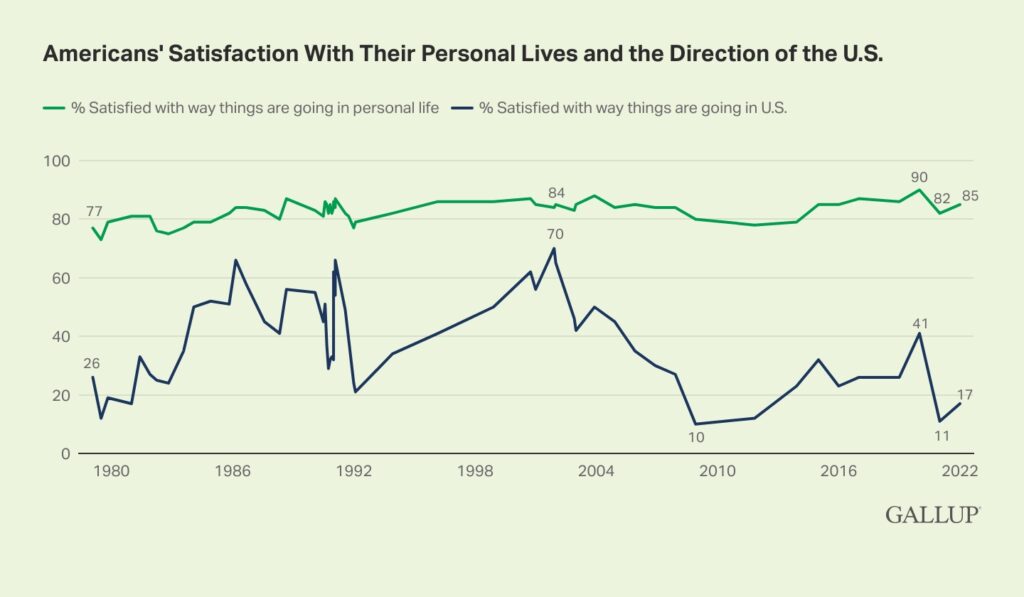
Despite these positive indicators, public perception remains deeply skewed. A prominent Gallup poll illustrates a fascinating disconnect: while an overwhelming majority of respondents, approximately 85 percent, report that they are personally doing well financially, only 17 percent believe the broader economy is performing well. Statistically, this widespread pessimism is mathematically impossible. If the vast majority of citizens are thriving individually, that collective success is the precise definition of a healthy economy. This widespread disconnect correlates closely with the amplification of economic misinformation across modern social media platforms.

While ignoring political noise and getting on with daily life remains a viable strategy for many, understanding the mechanics of wealth generation requires a firm grip on reality. Knowledge translates directly to power and financial security; the more accurately individuals understand how economic systems operate, the better equipped they are to navigate them successfully. To clear away the fog of campaign rhetoric, several prominent economic myths frequently pushed by political candidates require close examination.
The Myth of Presidential Economic Control
A cornerstone of campaign rhetoric is the notion that the sitting president possesses a direct dial to control the national economy. During economic downturns, the opposition party invariably pins the blame on the current commander-in-chief. Conversely, during periods of growth, incumbents are quick to claim personal credit for the prosperity. In reality, the United States economy is far too massive—and thankfully far too decentralized and free—for any single political figure to control or strongly influence in isolation.
The domestic economy operates as a gigantic, complex machine converting labor and raw materials into vital goods and services, ranging from everyday consumer products to advanced healthcare and infrastructure. Even as the largest single national economy, accounting for roughly 26 percent of global economic activity, the United States remains heavily influenced by the remaining 74 percent of economic production generated by the rest of the world.
Inevitable boom and bust cycles are primarily driven by human psychology—fluctuating waves of irrational exuberance and greed, such as the housing boom leading up to 2007, followed by periods of extreme fear and pessimism, like the subsequent financial crash. While government policy regarding tax rates and regulations plays a role, the effects of these policies are frequently delayed and unpredictable. Drawing a direct, causal line between the occupant of the Oval Office and daily economic fluctuations is fundamentally inaccurate.
The Illusion of Presidential Influence Over Interest Rates
Candidates frequently feign deep sympathy for middle-class Americans struggling with higher borrowing costs on credit cards, car loans, and mortgages, promising to forcefully bring interest rates down. Some political figures have even gone so far as to publicly criticize independent Federal Reserve board members, suggesting that the executive branch should exert direct control over monetary policy.
In practice, monetary policy serves as a critical set of gas and brake pedals for the economy and must remain independent to function effectively. When economic activity slows and unemployment rises, interest rate cuts provide a vital stimulus for job creation and market growth. Conversely, when the economy overheats, raising rates prevents runaway inflation. Leaving these tools directly in the hands of a sitting president would introduce volatile political motives into monetary management, a dynamic that has historically proved disastrous for developing economies.
The Reality of Inflation and Wage Growth
Political candidates frequently point to post-pandemic inflation as an insurmountable burden on American households, often pairing these complaints with promises to magically roll back consumer prices. The actual economic history of the period tells a different story. The inflation spike following the COVID-19 pandemic was driven by a rare combination of supply chain disruptions, remote work shifts, and strong consumer demand fueled by government stimulus and low interest rates. As global supply chains normalized, inflation receded toward historical norms.
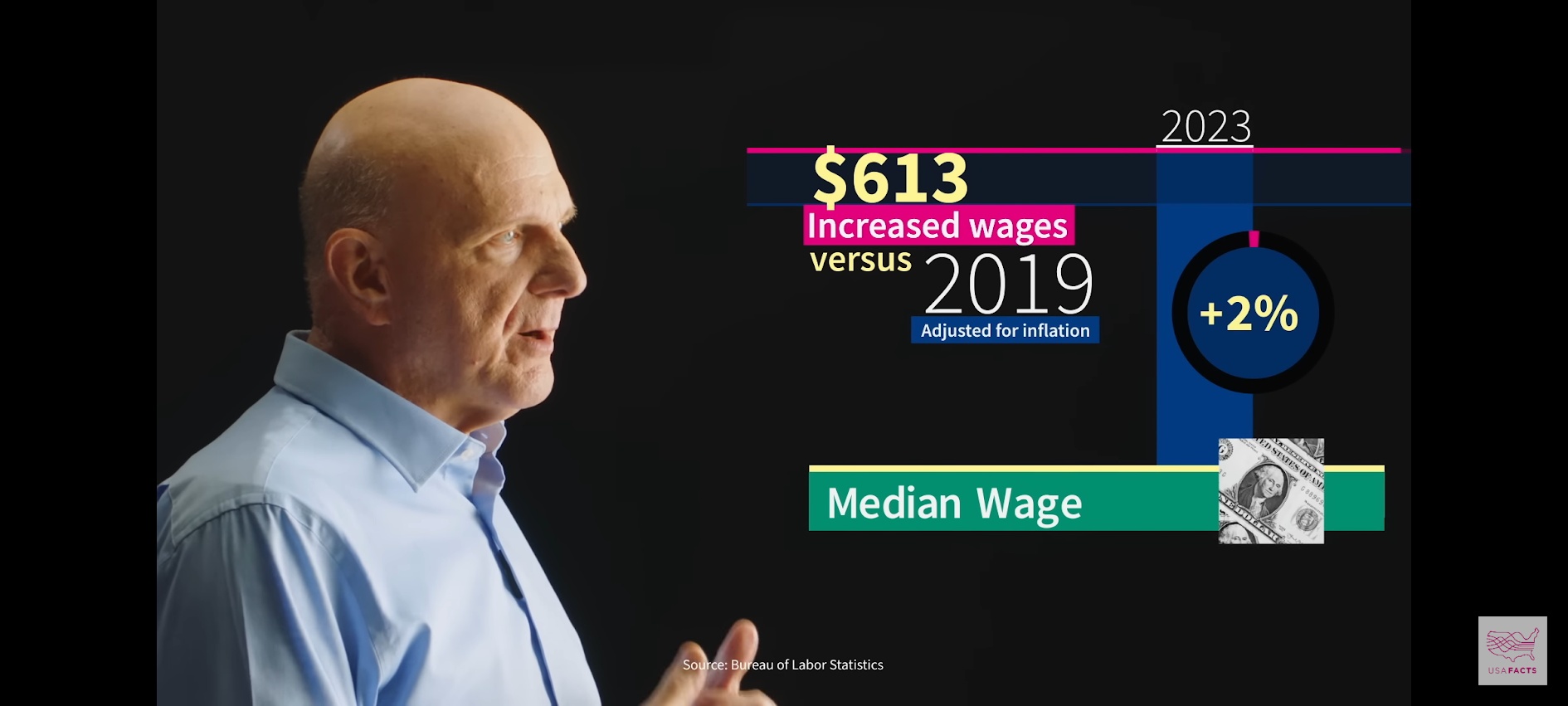
Crucially, wage growth has outpaced overall inflation over the long term, leaving the average worker in a stronger financial position than before. Since 2019, consumer prices have risen by approximately 19 percent, while overall wages have climbed by roughly 21 percent. Despite this net positive trajectory, political campaigns continue to frame inflation as an ongoing crisis, conflating higher wages and prices with economic failure.
Further compounding this rhetoric are frequent accusations blaming corporate greed for driving up prices to hoard windfall profits. Comprehensive economic analyses, including independent research from organizations like NPR, have demonstrated that major sectors such as grocery retail have not captured abnormal windfall profits from pandemic-era inflation. Market competition largely prevents individual businesses from arbitrarily hoarding excess margins without losing market share.
Housing Markets and the Limitations of Federal Policy
Housing costs present a genuine challenge for contemporary consumers, with home prices and rents having risen significantly faster than general inflation and wages over the past decade. Higher interest rates were intended to cool housing valuations, but supply shortages have sustained elevated prices, creating a challenging environment for prospective homebuyers.
Despite the complexity of the issue, political proposals often lean toward short-term subsidies or interest rate manipulation schemes that risk worsening underlying supply constraints. Economists argue that the true path to housing affordability lies in expanding structural supply. Removing regulatory roadblocks for homebuilders—such as streamlining permitting processes, modernizing building codes, easing restrictive zoning laws, and reducing parking minimums—would dramatically lower construction costs and increase housing availability.
The Persistent Focus on Gasoline Prices
Gasoline prices remain a staple of political debate, yet consumer fixation on fuel costs often ignores broader macroeconomic trends. When adjusted for inflation, gasoline remains priced comparably to its historical averages from decades past. Furthermore, fuel expenditures represent a relatively modest percentage of average household disposable income, often eclipsed by the broader fixed costs of vehicle ownership and maintenance.
With the rapid expansion of electric vehicle adoption and declining battery costs, the internal combustion engine is gradually yielding to cleaner, more efficient technology. The transition toward electric vehicles offers consumers lower maintenance requirements and reduced operational costs over the lifetime of the vehicle, rendering political arguments centered exclusively on legacy fuel prices increasingly obsolete.
Refocusing on Long-Term Well-Being
Ultimately, the relentless political focus on daily economic metrics often obscures a fundamental truth regarding modern society: developed nations passed the threshold of material sufficiency decades ago. While wealth inequality remains a legitimate challenge requiring progressive tax structures to maintain social cohesion, accumulating wealth beyond the point of sufficiency yields diminishing returns on personal happiness.
True financial contentment is rooted less in political promises or fluctuating paychecks and more in individual mindset, life skills, and living within one’s means. As the election cycle reaches its conclusion, voters can cast their ballots with an understanding of economic realities, tuning out the political noise until the next cycle begins.