

Nearly nineteen years into an early retirement lifestyle, the realization has set in that absolute freedom can often act as a double-edged sword. While the initial appeal of escaping the traditional rat race is universally understood—enjoying the liberty to raise children without missing milestones, travel, pursue hobbies, and dedicate thousands of hours to valued personal pursuits—the lack of structural obligation introduces a nuanced psychological challenge. Even within a comfortable and fulfilling life, the total absence of external pressure means never having to do anything that one simply does not feel like doing.
To most observers, a life free from mandatory constraints sounds like an unmitigated dream. Combined with financial independence, such an existence is often envisioned as a continuous, blissful playground of self-actualization. Yet, the reality of absolute freedom depends entirely on individual disposition. Unlimited time and financial security tend to amplify a person’s underlying strengths and vulnerabilities, creating a vast spectrum of outcomes ranging from passive inactivity to massive, structured productivity aimed at addressing global challenges.
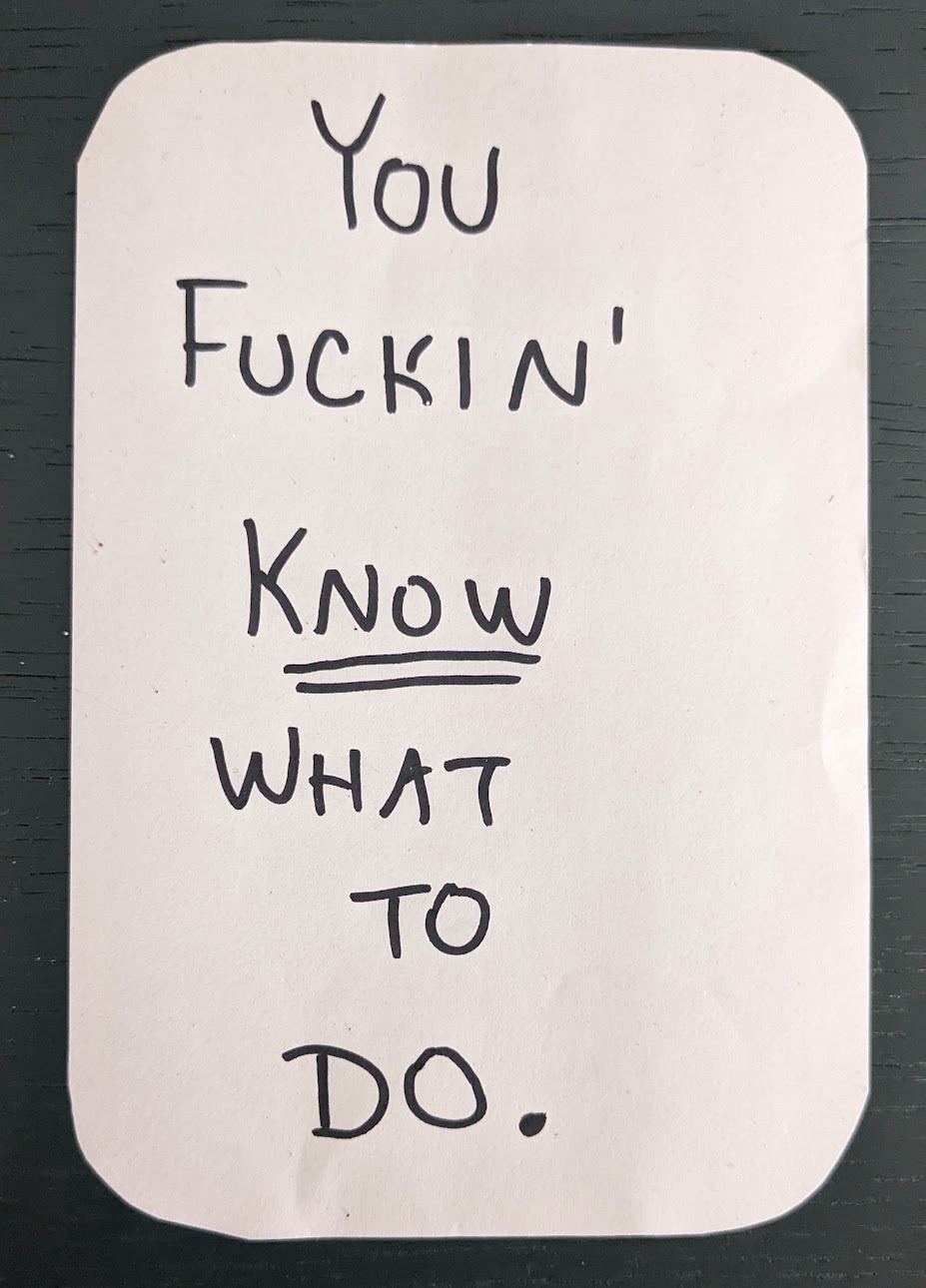
For many years, maintaining a healthy equilibrium felt natural. Early retirement involved intensive parenting, building and restoring local real estate, embarking on adventurous trips, producing media content, and writing hundreds of blog posts. However, as the pace naturally slowed over recent years, reining in focus to consistently execute these meaningful tasks became increasingly difficult. Instead of remaining active on construction projects or diving into deep creative focus at the keyboard, the temptation to seek easy distractions grew stronger, highlighting a subtle form of self-sabotage where freedom was inadvertently weaponized to avoid difficult tasks.
This behavioral pattern illuminated a paradox at the heart of early retirement. Freedom is exceptionally valuable when it rescues an individual from the grind of a grueling daily commute and a rigid office schedule. Yet, that same freedom is entirely wasted if it simply replaces corporate obligations with passive consumption and uninspired downtime. True benefit from financial independence requires directing that freedom toward pursuits that hold even greater personal and creative value than the career left behind. Without this intentional drive, the liberty of early retirement risks losing its purpose.
This dynamic frequently manifests in basic daily habits, such as physical fitness. Acknowledging that exercise is arguably the single most impactful routine for enhancing overall quality of life does not automatically translate into consistent execution. Often, individuals fall into an elaborate trap of preparation: waiting for optimal weather, high energy levels, and meticulously arranging schedules, only to find themselves exercising sporadically and settling for mediocre results. The core issue is not a lack of knowledge regarding health and wellness, but rather the internal negotiation that precedes difficult actions.
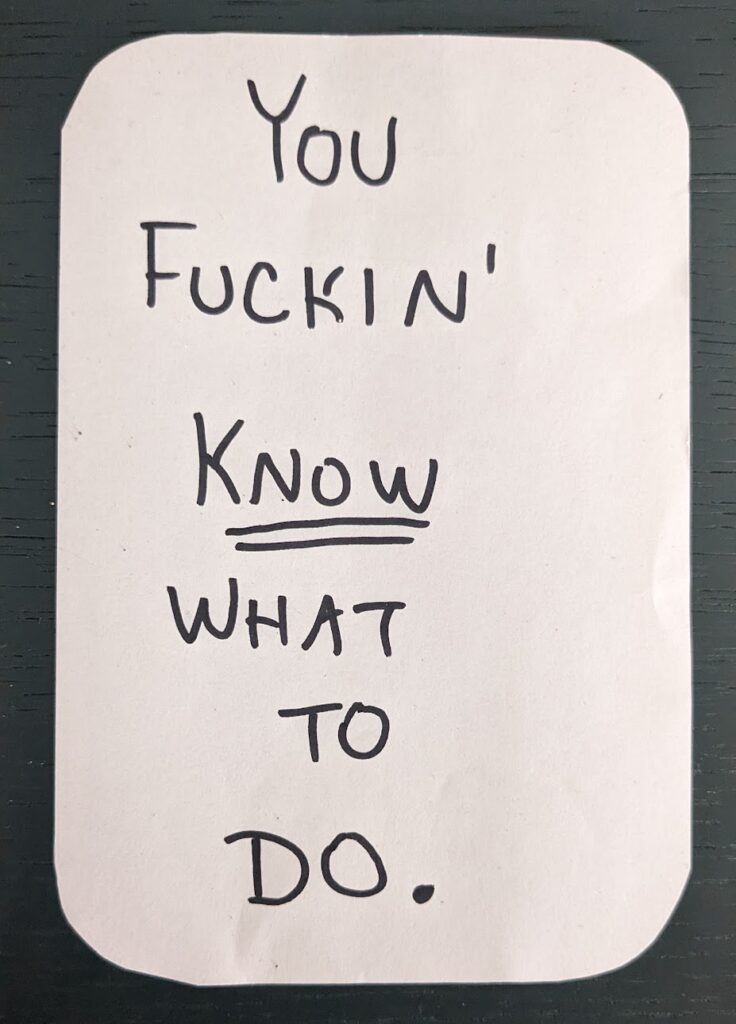
The turning point often arrives through a shift in how hesitation is perceived. Rather than treating reluctance as a valid signal to postpone a difficult task, recognizing that exact moment of hesitation can serve as an immediate trigger for action. Counterintuitive as it may feel, running directly toward the activities requiring mental or physical effort—rather than retreating into comfort—dissolves the barrier of resistance. Hesitation, once viewed as an uncomfortable obstacle, effectively becomes an internal alarm bell signaling the exact moment to move forward.
Using Extreme Perspectives as Fuel
Discussions surrounding productivity and ambition often reveal a stark divide among peers. While some individuals feel they are underachieving and yearn to accomplish more, others are intensely driven, managing multiple enterprises, raising large families, and training for grueling athletic endurance events. Neither extreme necessarily represents a universally ideal state, as high-achieving overcommitments can bring chronic stress, while excessive leisure can lead to stagnation. Adjusting toward a sustainable center is often the most pragmatic approach.

For those seeking to recalibrate their relationship with ambition and discipline, extreme examples of human resilience can provide profound perspective. Hearing accounts of individuals who push past conventional psychological and physical boundaries offers a stark reminder that most perceived limitations are entirely mental rather than physical or environmental. While adopting an extreme lifestyle characterized by near-death endurance feats or relentless physical punishment is neither necessary nor desirable for the average person, studying such extreme dedication helps reframe personal assumptions about what is achievable.
Rather than viewing life’s challenges through a lens of rigid limitations and external constraints, recognizing that boundaries are largely self-imposed opens up new possibilities for personal growth. This shift in mindset does not require emulating the most extreme athletes or entrepreneurs on the planet, but it does encourage individuals to strip away the internal excuses that hinder daily progress.
Sustaining Momentum and Ongoing Inspiration
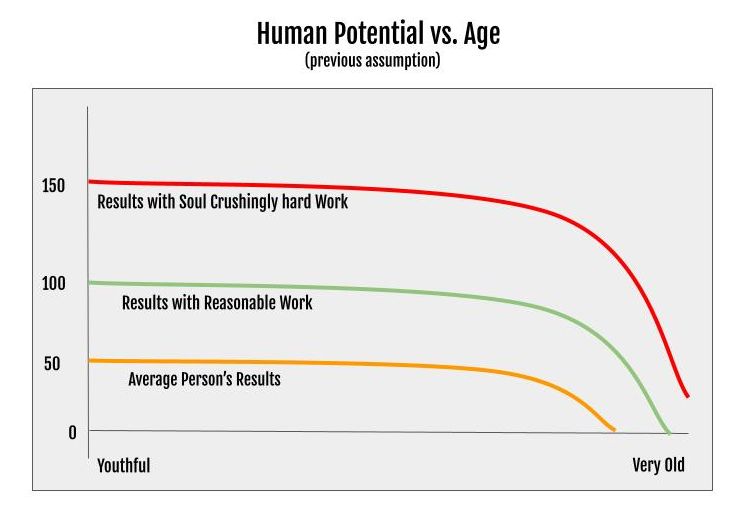
Internalizing the core message that consistent action matters far more than theoretical knowledge can lead to immediate behavioral changes. Adopting a zero-excuse framework—where both the desire and the reluctance to perform a task serve as equal triggers to begin—can radically transform routines. Individuals who apply this mindset to fitness, professional projects, and daily responsibilities frequently report significant improvements in physical capability, mental clarity, and overall productivity.
Maintaining this momentum often requires periodically refilling the inspiration tank through literature, podcasts, and the shared experiences of disciplined individuals. While critics sometimes dismiss motivational media as superficial or overly intense, individuals can selectively absorb the principles that resonate with their personal goals while discarding the rest. Surrounding oneself, even virtually, with strong, focused, and driven personalities serves as a powerful catalyst for maintaining discipline, helping people make the most of their time and capabilities at any stage of life.