
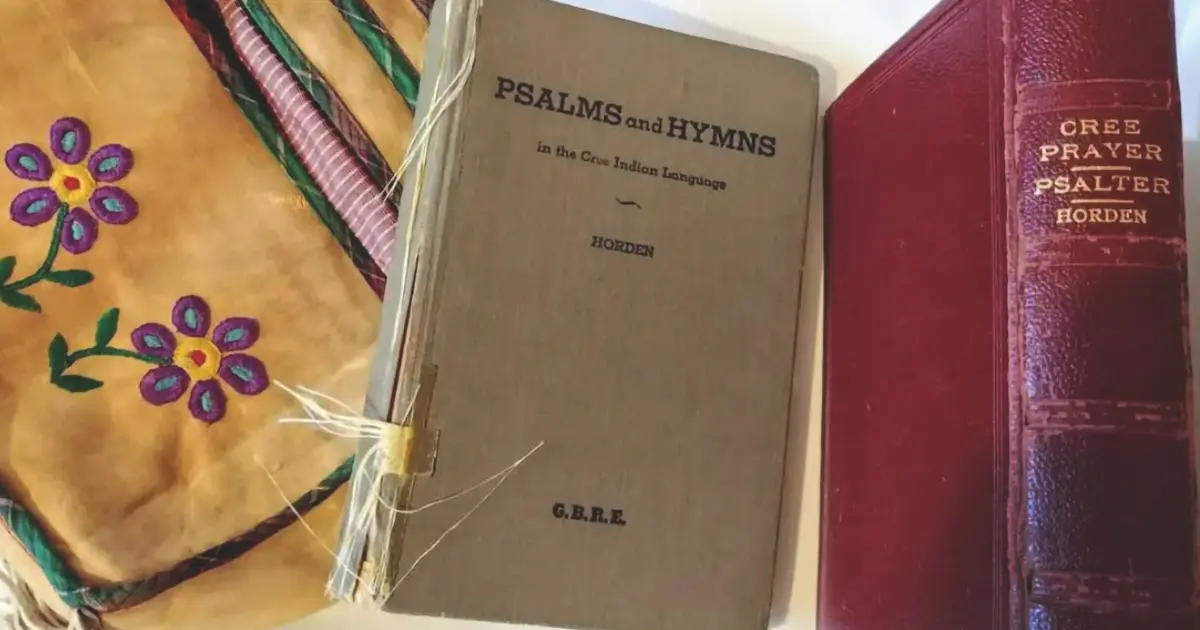
For Trudy Sailors, the memory remains crystal clear: the day a bishop in the Anglican Church of Canada delivered the heartbreaking news that her parish would have to abandon its beloved house of worship. Growing up right next door to St. Thomas’ Anglican Church during the 1960s, Sailors witnessed firsthand the vital, anchoring role the sacred building played as a central gathering place for the entire community.
Consecrated back in 1864, St. Thomas’ Anglican Church served generations of devoted worshippers within the Moose Cree First Nation community located in Moose Factory, near the shores of James Bay in remote northern Ontario. However, by 2006, the decades had taken their toll on the timber structure. The building had fallen into a state of severe disrepair, leaving the Anglican diocese of Moosonee little choice but to order its formal deconsecration and closure.
"It was sad," remembers Sailors, who was baptized in the historic building that locals affectionately came to know as Old St. Thomas. In the years following the closure, Sailors notes that the displaced Anglican congregation had to relocate their services, finding a temporary spiritual home in a nearby Catholic church while their historical sanctuary sat empty and vulnerable to the elements.
Moose Factory itself holds a deep and complex history. Founded on traditional Cree lands as an early trading post established by the Hudson’s Bay Company in the 1670s, the community has experienced profound cultural and religious shifts over the centuries. For the vast majority of its recorded history, Anglicanism operated as the primary form of Christianity in the region, according to Cecil Chabot, who was born and raised in Moose Factory.
The religious and institutional footprint of the church ran deep in the territory. Notably, the church operated the Bishop Horden Hall residential school in Moose Factory until it finally closed its doors in 1976—a dark chapter that remains part of the complex historical fabric shared by the community and the church alike. In the contemporary era, the spiritual landscape of Moose Factory is shifting once more. Some local residents are actively shedding settler spiritual traditions in favour of resurgent Cree cultural and spiritual practices, while other younger community members have been drawn toward newer evangelical denominations.
Reflecting these broader societal shifts, the active, churchgoing Anglican population in Moose Factory has dwindled over the years down to a mere dozen or so dedicated individuals. Yet, despite having a congregation that is exceedingly small in numbers and limited in financial resources, the community has steadfastly refused to give up on its historic church. Over the past five years, a determined grassroots plan to fully restore and reopen Old St. Thomas as a multi-use community centre has steadily gathered momentum and widespread local support. This ambitious undertaking stands as a powerful testament to the fact that even a tiny congregation can still offer significant cultural, historical, and communal gifts to the place they call home.
By the summer of 2026, generous financial contributions pouring in from local community members, various charitable foundations, the Moose Cree First Nation, and other funding sources have propelled the ambitious preservation project roughly halfway toward its ultimate $4 million fundraising goal. Organizers currently have their sights set on completing the heavy restoration work and officially reopening the church doors by the summer of 2028.
The seeds of this remarkable revival were planted back in 2020, when the Moose River Heritage and Hospitality Association (MRHHA) stepped forward and approached the diocese with a serious, well-structured proposal to rescue and restore the deteriorating church.
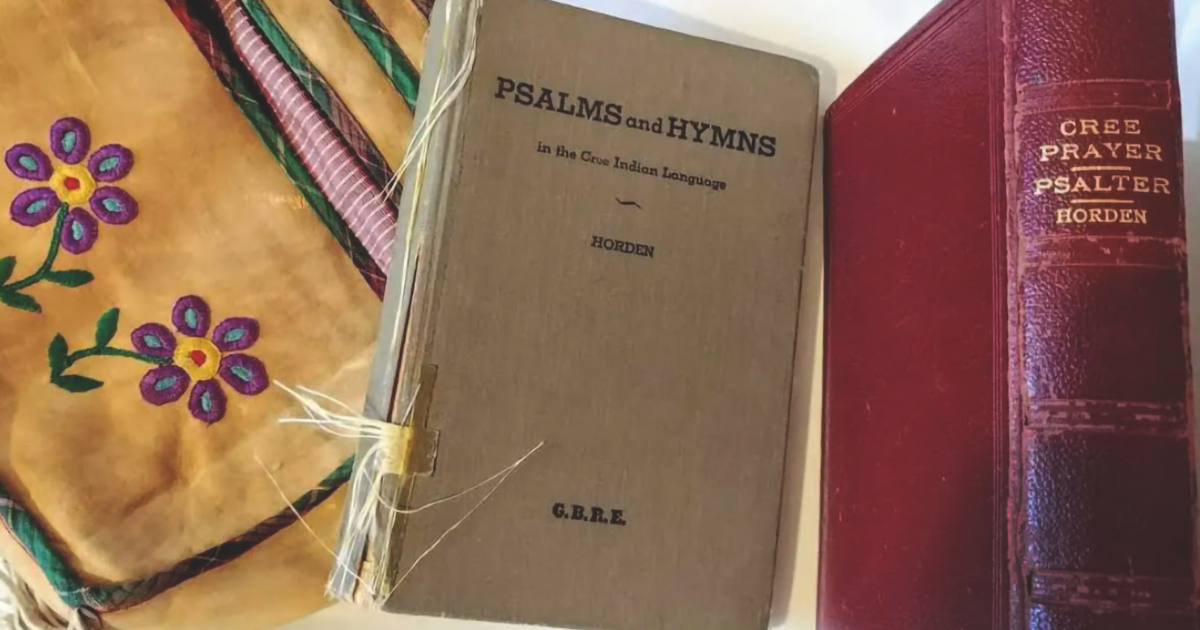
"Permission was granted, and from here the relationship evolved," explains Chabot, who now serves as the executive director of the MRHHA. While the Anglican diocese made the decision to retain formal ownership of the church property, a monumental turning point occurred in 2023 when the diocese and the non-profit organization signed a comprehensive co-management agreement. This agreement effectively cedes operational control of the building to the MRHHA, empowering the non-profit to spearhead the complex physical restoration and manage the facility once it finally reopens its doors to the public.
When the extensive restoration work is ultimately completed, the local Anglican parish will regain a sacred physical space to worship in the building once again. However, the revitalized space is envisioned to be much more than just a Sunday morning chapel. The building will host a wide array of diverse community events, with a deliberate, primary emphasis on programming explicitly designed to strengthen families, preserve local culture, and foster the Cree language, according to the terms of the formal agreement.
The broader restoration effort has succeeded in uniting Moose Factory residents around a deeply rooted, shared sense of history, heritage, and place. Standing quietly among the weathered markers of the church’s historic cemetery, Moose Cree First Nation Chief Peter Wesley captured the profound emotional weight of the project in 2024.
"We all have buried loved ones here, so this is sacred ground for all of us," Chief Wesley said.
That shared emotional sentiment and collective reverence for the past have helped propel the community centre project forward, pushing it remarkably close to a "shovel ready" stage of development, according to Chabot. The emotional resonance of the site reaches across generations, binding contemporary residents to the ancestors who built the church over a century and a half ago.
For Trudy Sailors, looking toward the horizon brings a profound sense of anticipation. She is eagerly counting down the days until the entire community can once again walk through the doors of the historic church and make active use of the restored space.
Moose Factory residents are "going to be happy to be together in the building again," Sailors reflects, her voice carrying the weight of decades of memories tied to the site. "There’s going to be a lot of joy in being there."